
College of Medicine & Dentistry
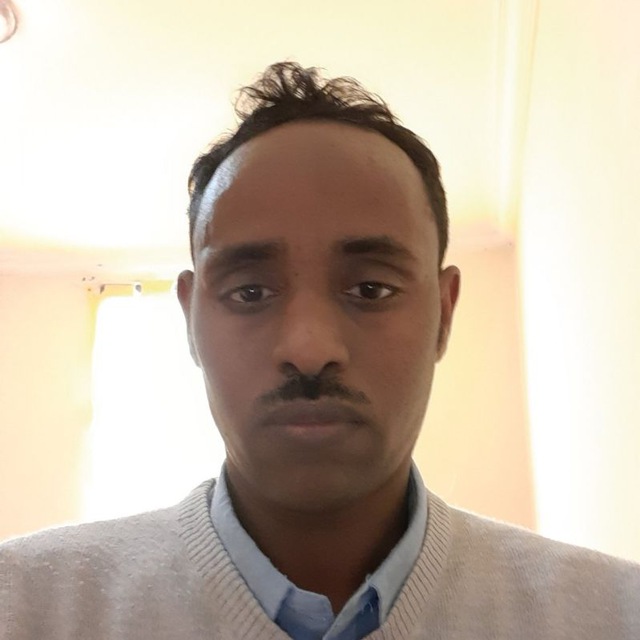
Semagn Abate
- Doctor of Philosophy (Health)
- semagn.abate@my.jcu.edu.au

Joseph Kamara
- Senior Lecturer Disaster Health and Humanitarian Assistance
- joseph.kamara@jcu.edu.au

Eric Kalo
- Lecturer Medical Education
- eric.kalo@jcu.edu.au
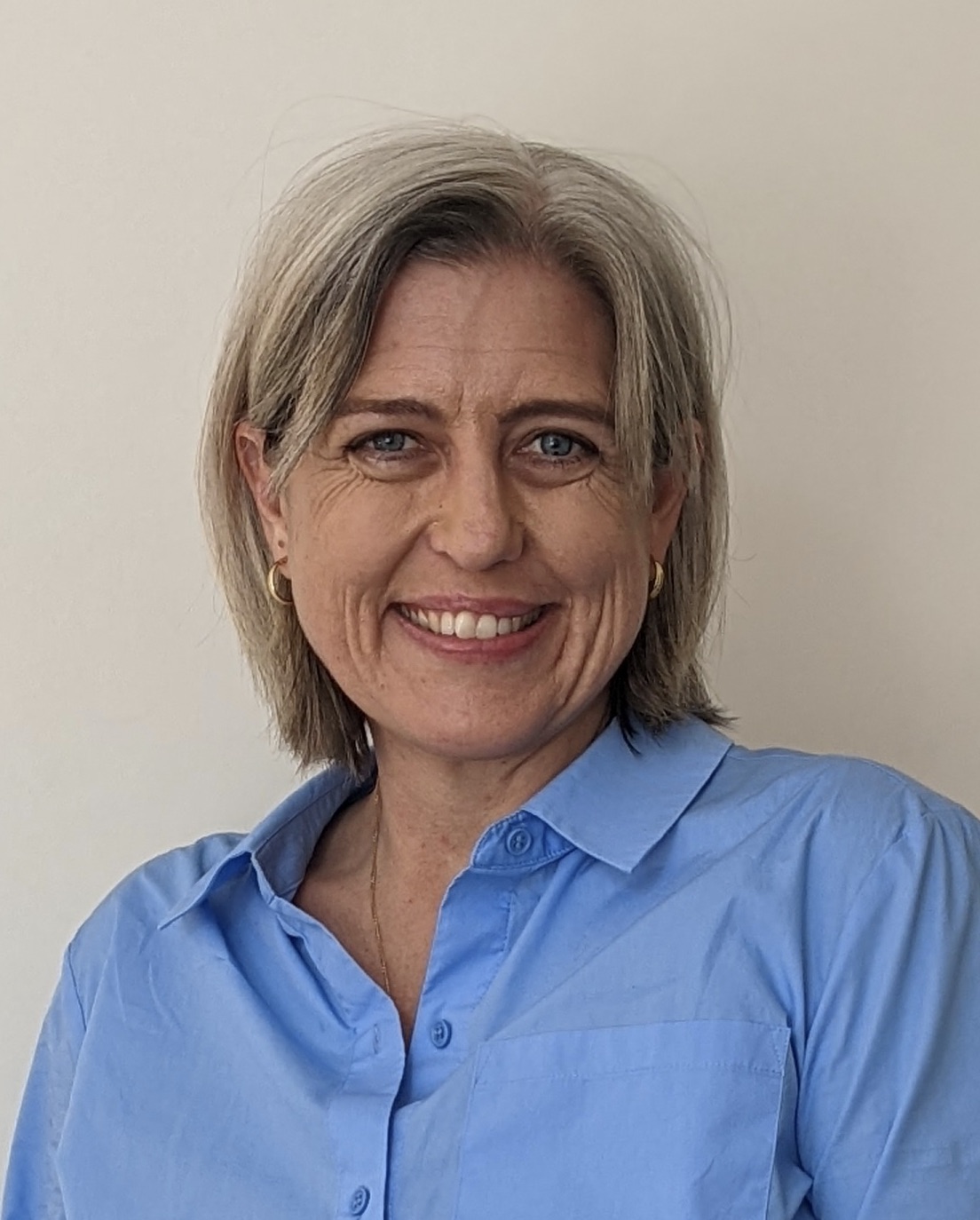
Erin Waters
- JCU Associate Professor
- erin.waters@jcu.edu.au
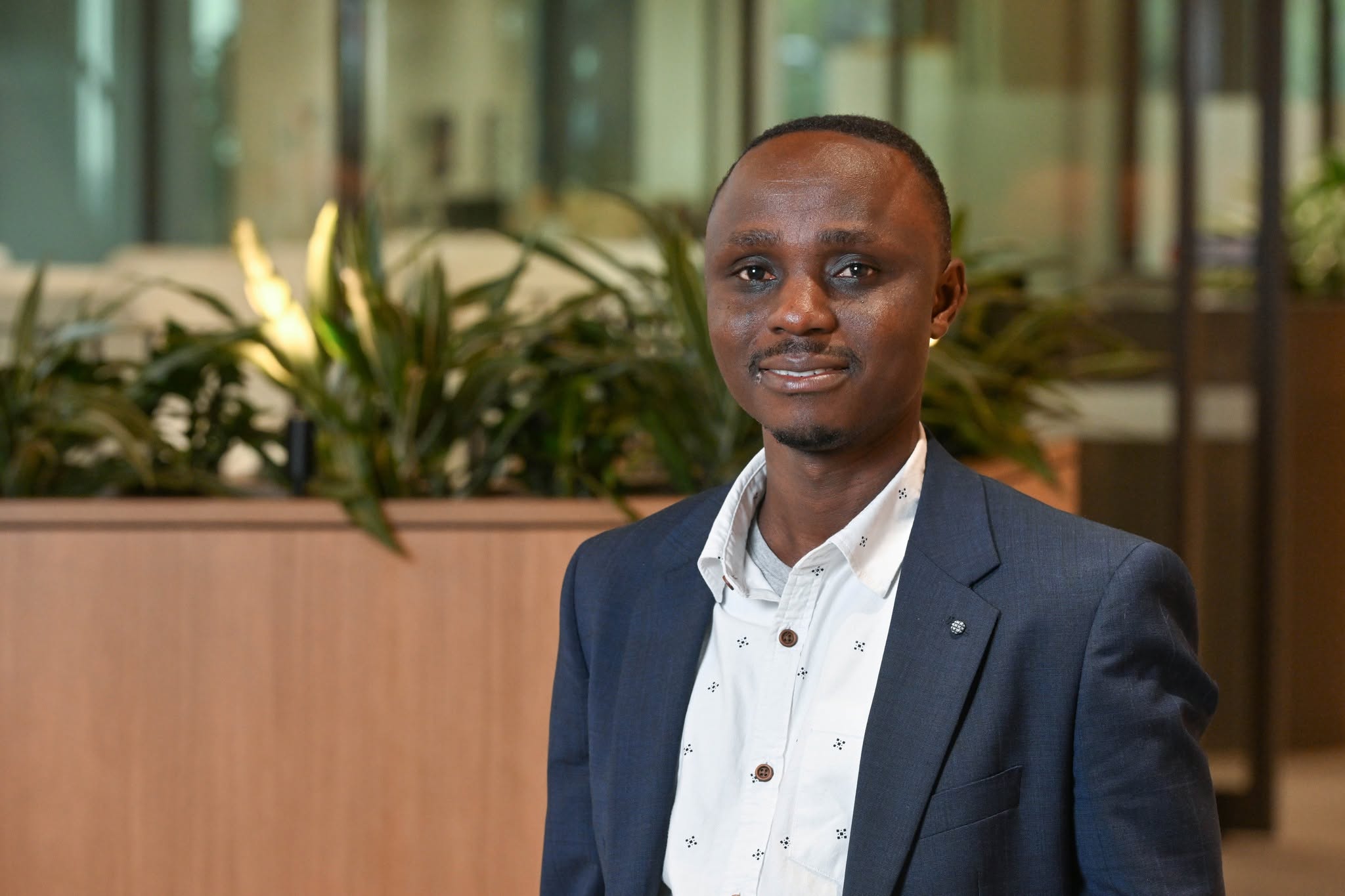
Dennis Asante
- Research Fellow
- dennis.asante@jcu.edu.au

Kannan Maharajan
- Associate Professor, Pharmacy
- kannan.maharajan@jcu.edu.au

Fahmida Begum Mina
- Doctor of Philosophy (Medical, Molecular and Veterinary Sciences)
- fahmidabegum.mina@my.jcu.edu.au
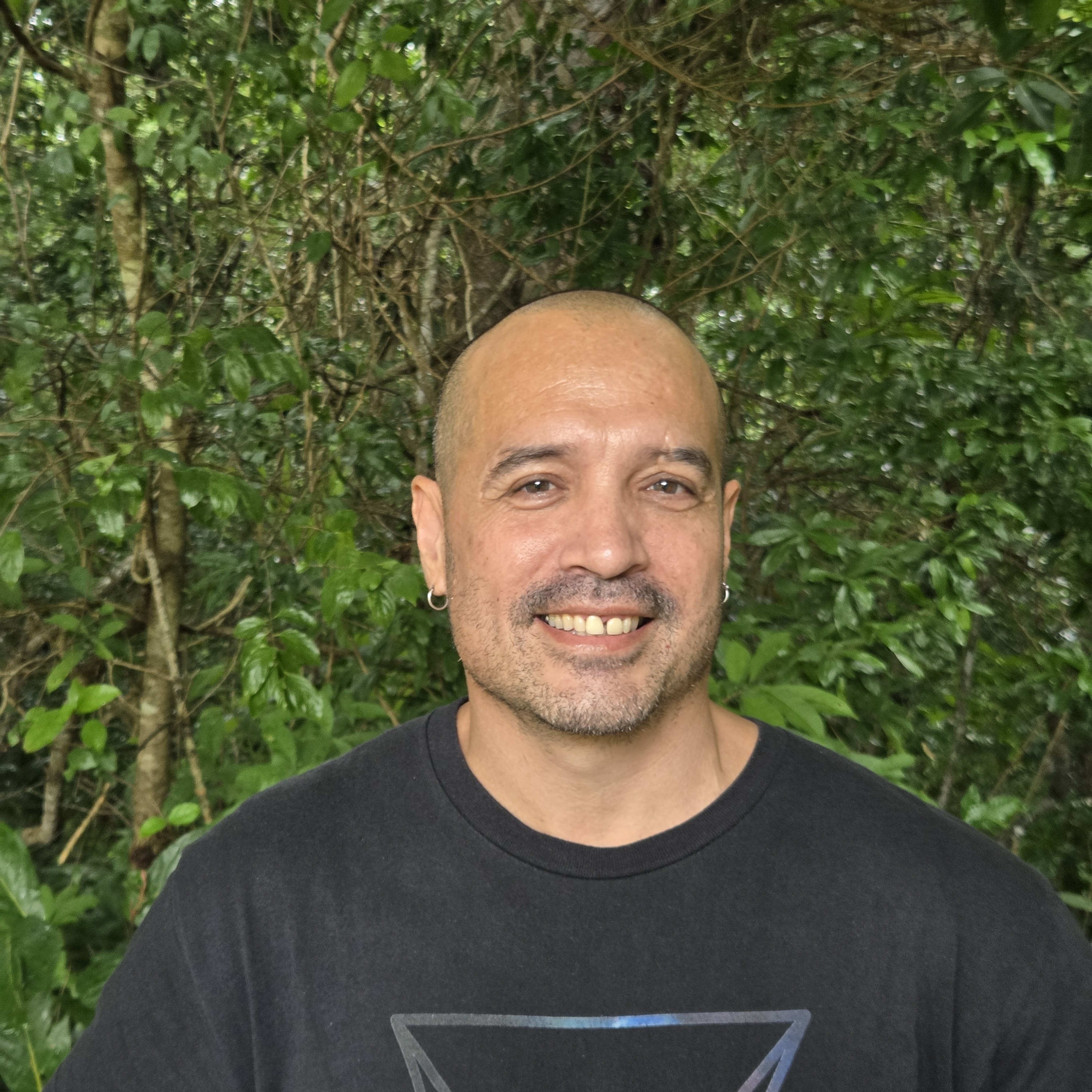
Kootsy Canuto
- Principal Research Fellow, Indigenous Men's Health Promotion
- kootsy.canuto@jcu.edu.au

Lynsey Brown
- Adjunct Senior Lecturer
- lynsey.brown@jcu.edu.au

Ali Isin
- Adjunct Senior Research Fellow
- ali.isin@jcu.edu.au
Extended extracorporeal shockwave and electromagnetic stimulation therapies for effective treatment and prevention of diabeteic foot ulcers
This project aimed to develop extended extracorporeal shockwave therapy (ESWT) and electromagnetic stimulation therapy (EMST) for the management of diabetic foot ulcers (DFU). It also seeks to evaluate the effectiveness of combining EMST and ESWT in treating DFUs and to determine the potential of these therapies in preventing the recurrence of DFUs after complete healing.
Let's CHAT (Community Health Approaches To) Dementia in Indigenous Communities (Old ID 26413)
This is an extension to an existing 3-year NHMRC funded Dementia Boosting Grant (APP1137425 - Improving Detection and management of dementia in older Aboriginal and Torres Strait Islanders attending Primary Care [IDEA-PC]) stud which now received two more years funding extending the project beyond 2020 to 2021-2022 (APP1150337 - Let's CHAT). wwwww The aim of the study is to work with 12 Aboriginal Community Controlled Health Service (ACCHS) co-researching agencies (3 in each of New South Wales, Queensland, Victoria and Western Australia). We will work collaboratively with staff at the ACCHSs and with the community to build skills in assessing and looking after older people.
Evaluation of student-led community rehabilitation and lifestyle service and Implementation of Nasal High Flow (Old ID 27090)
This research grant is to support two studies conducted in Weipa, Cape York. The first project is the “Evaluation and Implementation of a Student-led Community Rehabilitation and Lifestyle Service”, the second project is the “Implementation of Nasal High Flow (NHF): A remote context”. Both projects explore the effectiveness of service delivery to remote and Aboriginal and/or Torres Strait Islander people. Both projects explore the effectiveness of the delivery of novel health care interventions. The community rehabilitation project evaluates an innovative health workforce model that is providing a service for people experiencing the impact of non-communicable diseases (chronic disease) that previously didn’t have access to community rehabilitation.
A new Ultra-Small Volume Fluid for Far-Forward, Noncompressible Hemorrhage and Traumatic Brain Injury (Old ID 21867)
To provide USSOCOM with a new small-volume hypotensive fluid and drip to treat the critically wounded in austere, remote locations. The hypothesis to be tested is that small-volume 3% NaCI ALM will show a unique set of resuscitative and restorative properties that will maintain MAP in the hypotensive range with sufficient cardiac output and oxygen delivery to protect the brain and other organs during uncoltrolled bleeding with or without TBI.
Providing kidney care close to home: Evaluating the Cape York Kidney Care model. (Old ID 27763)
The Cape York Kidney Care team is an integrated and multidisciplinary health care team that was formed in September 2019 to provide consistent, frequent and client centred tertiary-level (specialist) care, in the communities of the Western Cape, Far North Queensland. This project will evaluate this program with respect to health outcomes, cost efficiency, and explore implementation factors that are enablers or barrier to the success of the program. The results will provide evidence for investment or disinvestment in this new service model and will provide an evaluation plan for rollout of future services.
Activation of AMPK to treat abdominal aortic aneurysm (5As). (Old ID 31075)
Twenty million people worldwide (100,000 Australians) have weakening and dilatation of their main abdominal artery (AAA), responsible for 200,000 deaths/year due to aneurysm rupture. Randomised controlled trials show that surgery does not benefit patients with aneurysms <55mm in diameter. About 95% of AAAs are identified when they are small and are simply imaged every 6 to 12 months until aortic diameter becomes ≥55mm, when surgery is considered. About 5% of AAAs fatally rupture during surveillance and 70% grow within 5 years to 55mm and are repaired, with the risk of complications. The lack of treatment for small AAA concerns patients who worry about aneurysm rupture, which impairs their quality of life. Surveys of patients and specialists, and our systematic reviews show the number one deficiency in AAA management is the lack of drugs to prevent aneurysm growth and rupture. A wealth of evidence suggests that pharmacological activation of the AMPK pathway may prevent AAA growth and rupture. We have access to a novel potent 5′ adenosine monophosphate-activated protein kinase (AMPK) pathway activator (O304) which has been shown to be safe in older adults for other indications. This 5As project will build on our past discoveries using our unique resources and expertise (clinically-relevant mouse model, human AAA explant culture methods, novel drug, statistical methods, human AAA biobanks, registries and genome wide data) to test if: 1. AMPK agonist 0304 inhibits aneurysm growth and rupture in our mouse model; 2. AMPK agonist 0304 reduces markers of AAA growth in human AAA samples in vitro; 3. Genetic AMPK upregulation is protective against AAA development and growth.
A genomic view of the reef-building coral Porites lutea and its microbial symbionts
- 2019
- Nature Publishing Group
- Researchers:David MillerIra Cooke
A practical example of using theoretical sampling throughout a grounded theory study
- 2019
- RMIT Publishing
- Researchers:Nichole HarveyKristin Wicking
Simulated acute care wards: do they help prepare medical students for future hospital practice
- 2019
- Australian and New Zealand Association for Health Professional Educators
- Researchers:Poornima RocheNichole Harvey
Start Date:
01 Jan 2007
End Date:
01 Jan 2008
Start Date:
01 Jan 2003
End Date:
01 Jan 2009
Start Date:
01 Jan 2006
End Date:
01 Jan 2007
Start Date:
01 Jan 2002
End Date:
01 Jan 2007
Start Date:
01 Jan 2003
End Date:
01 Jan 2004
Start Date:
01 Jan 1999
End Date:
01 Jan 2000
Start Date:
01 Jan 2000
End Date:
01 Jan 2000
Start Date:
01 Jan 2017
Start Date:
01 Jan 1999
End Date:
01 Jan 1999
Start Date:
01 Jan 1998
End Date:
01 Jan 1998