
College of Medicine & Dentistry
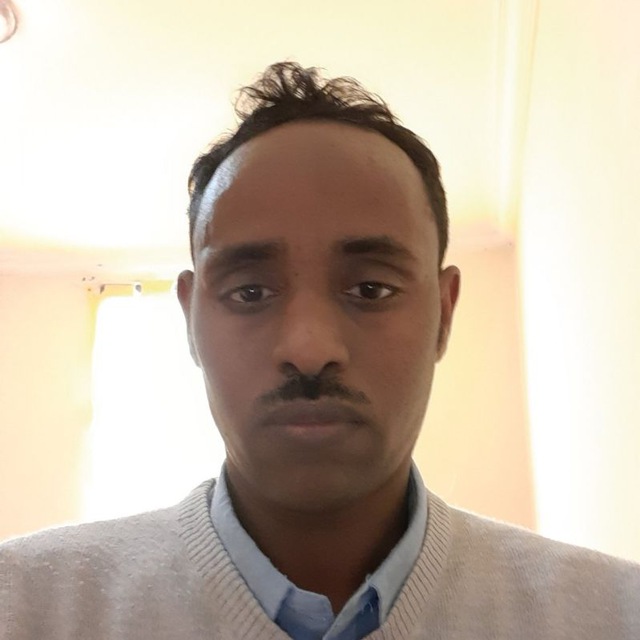
Semagn Abate
- Doctor of Philosophy (Health)
- semagn.abate@my.jcu.edu.au

Joseph Kamara
- Senior Lecturer Disaster Health and Humanitarian Assistance
- joseph.kamara@jcu.edu.au

Eric Kalo
- Lecturer Medical Education
- eric.kalo@jcu.edu.au
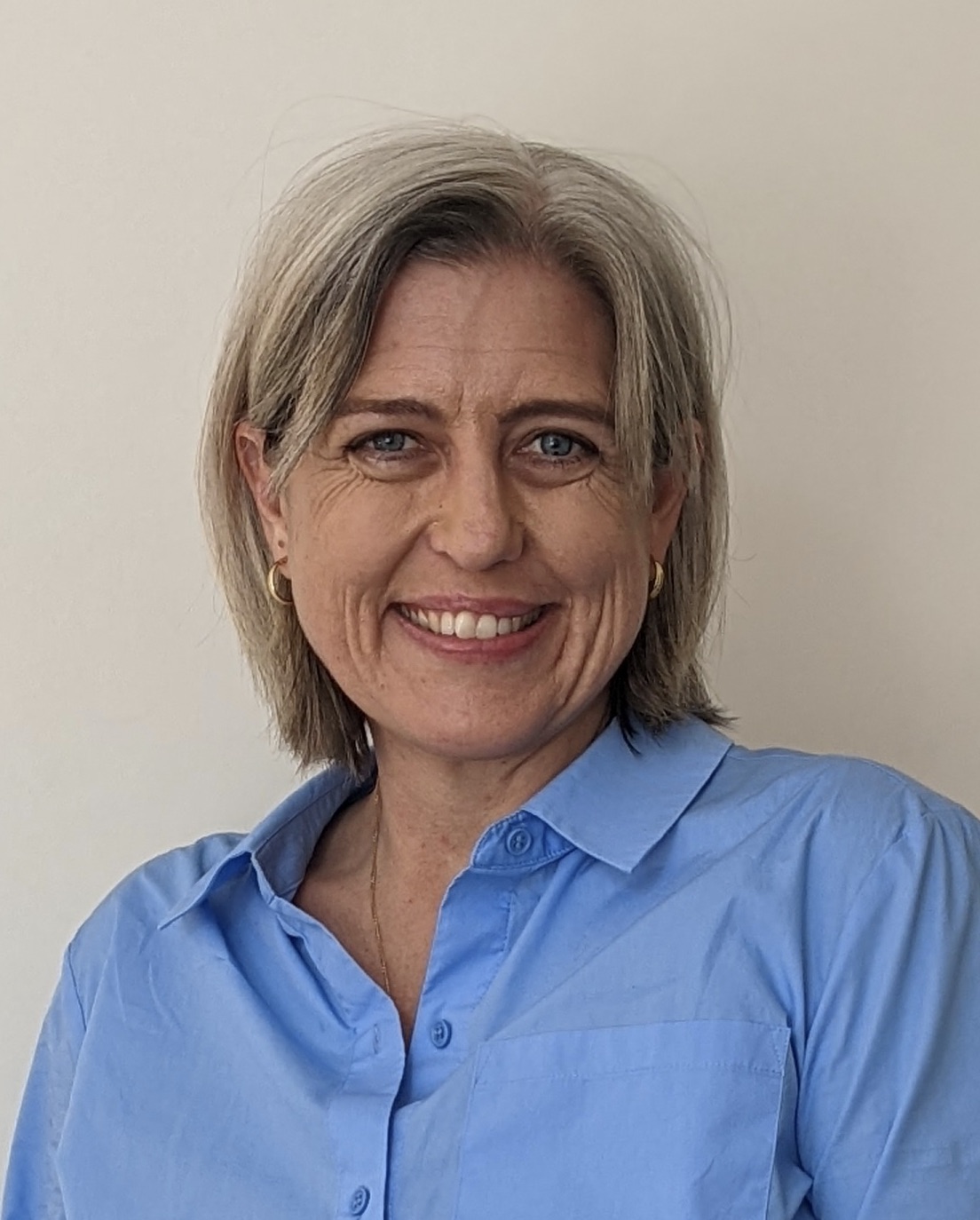
Erin Waters
- JCU Associate Professor
- erin.waters@jcu.edu.au
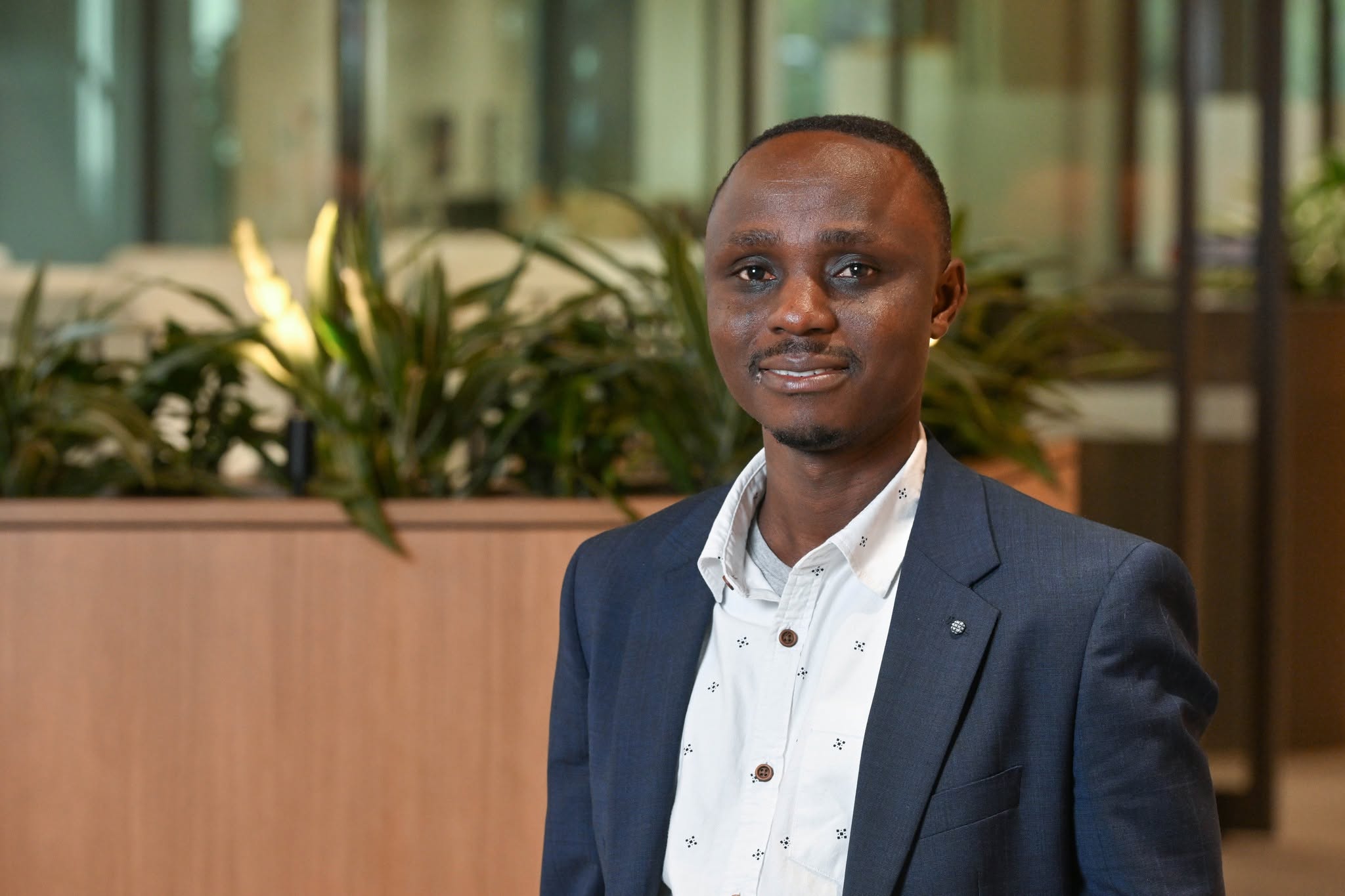
Dennis Asante
- Research Fellow
- dennis.asante@jcu.edu.au
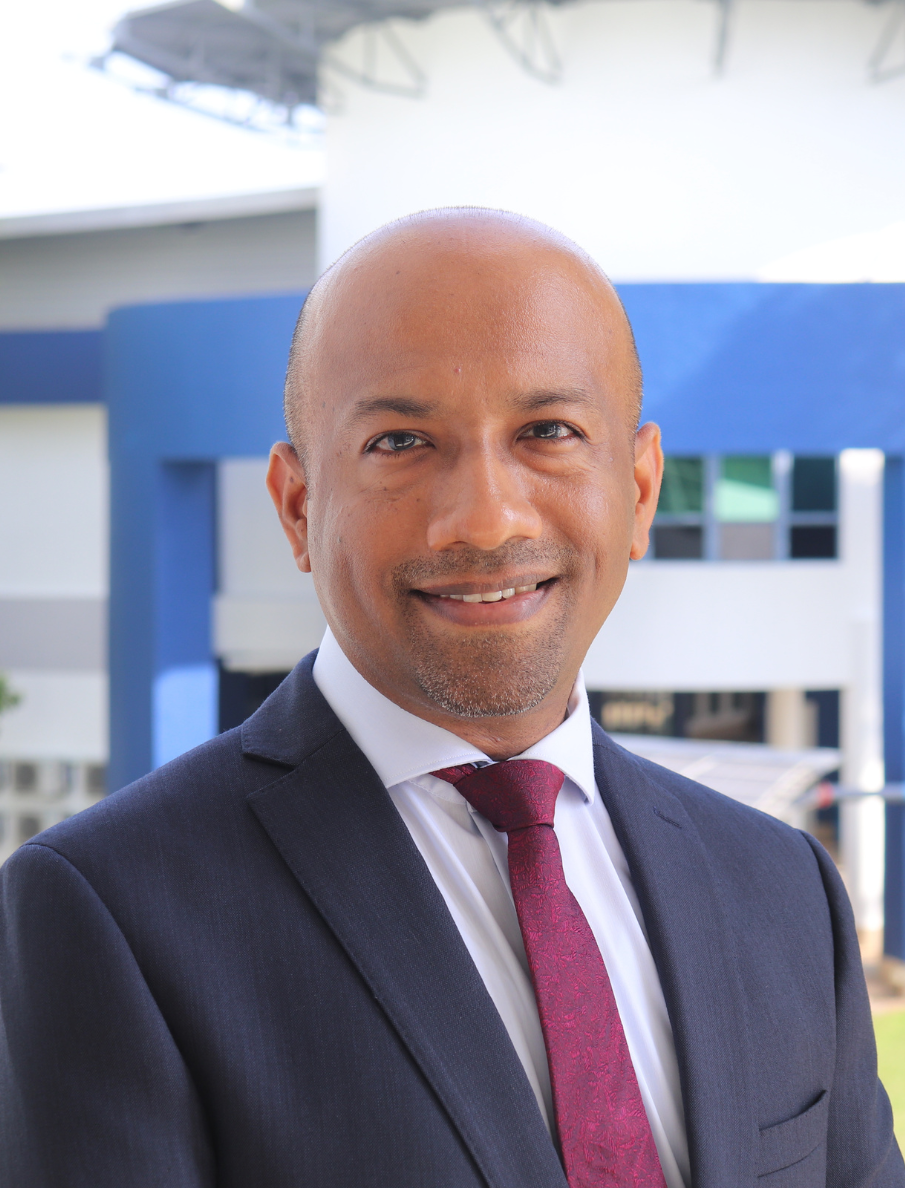
Kannan Maharajan
- Associate Professor, Pharmacy
- kannan.maharajan@jcu.edu.au

Fahmida Begum Mina
- Doctor of Philosophy (Medical, Molecular and Veterinary Sciences)
- fahmidabegum.mina@my.jcu.edu.au
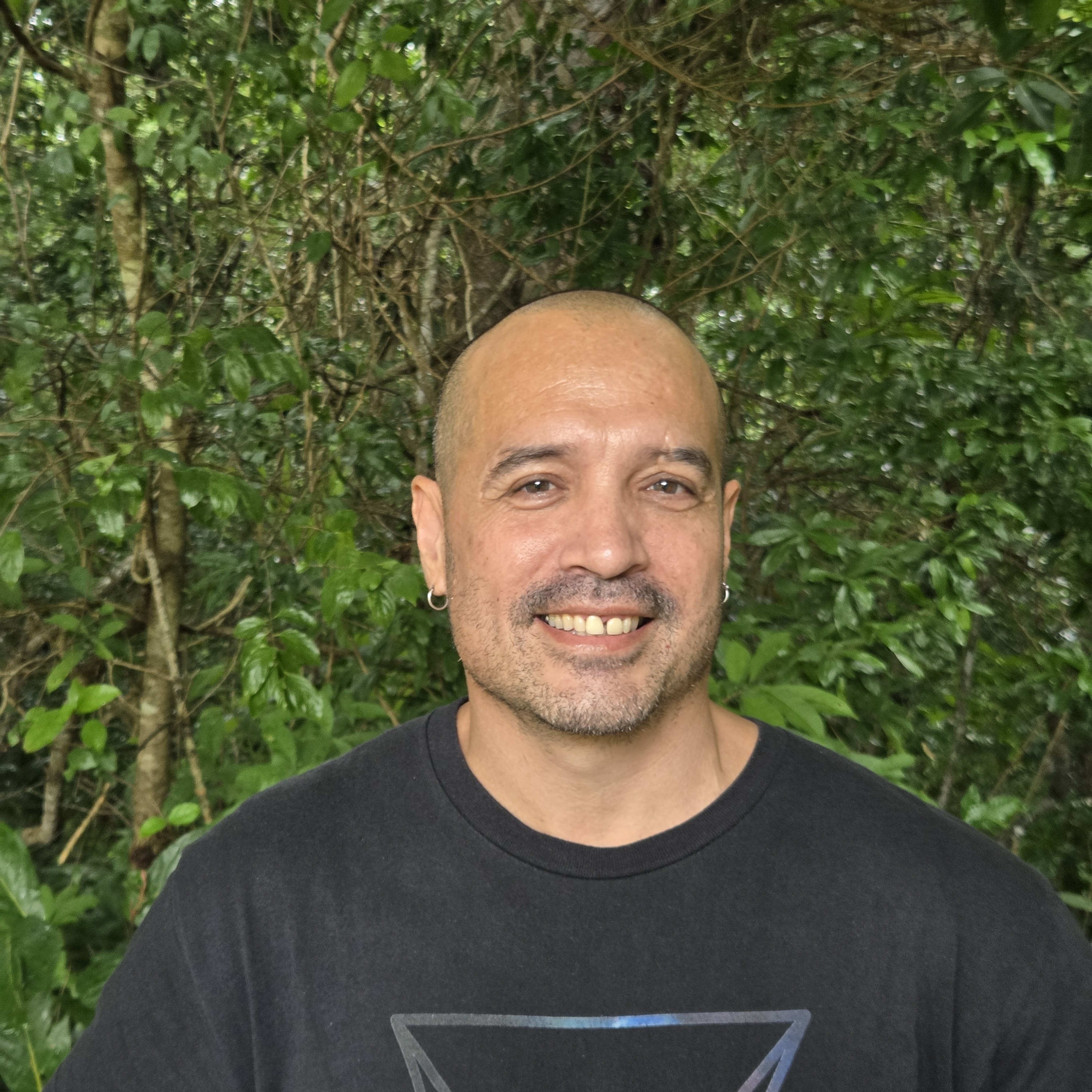
Kootsy Canuto
- Principal Research Fellow, Indigenous Men's Health Promotion
- kootsy.canuto@jcu.edu.au

Lynsey Brown
- Adjunct Senior Lecturer
- lynsey.brown@jcu.edu.au
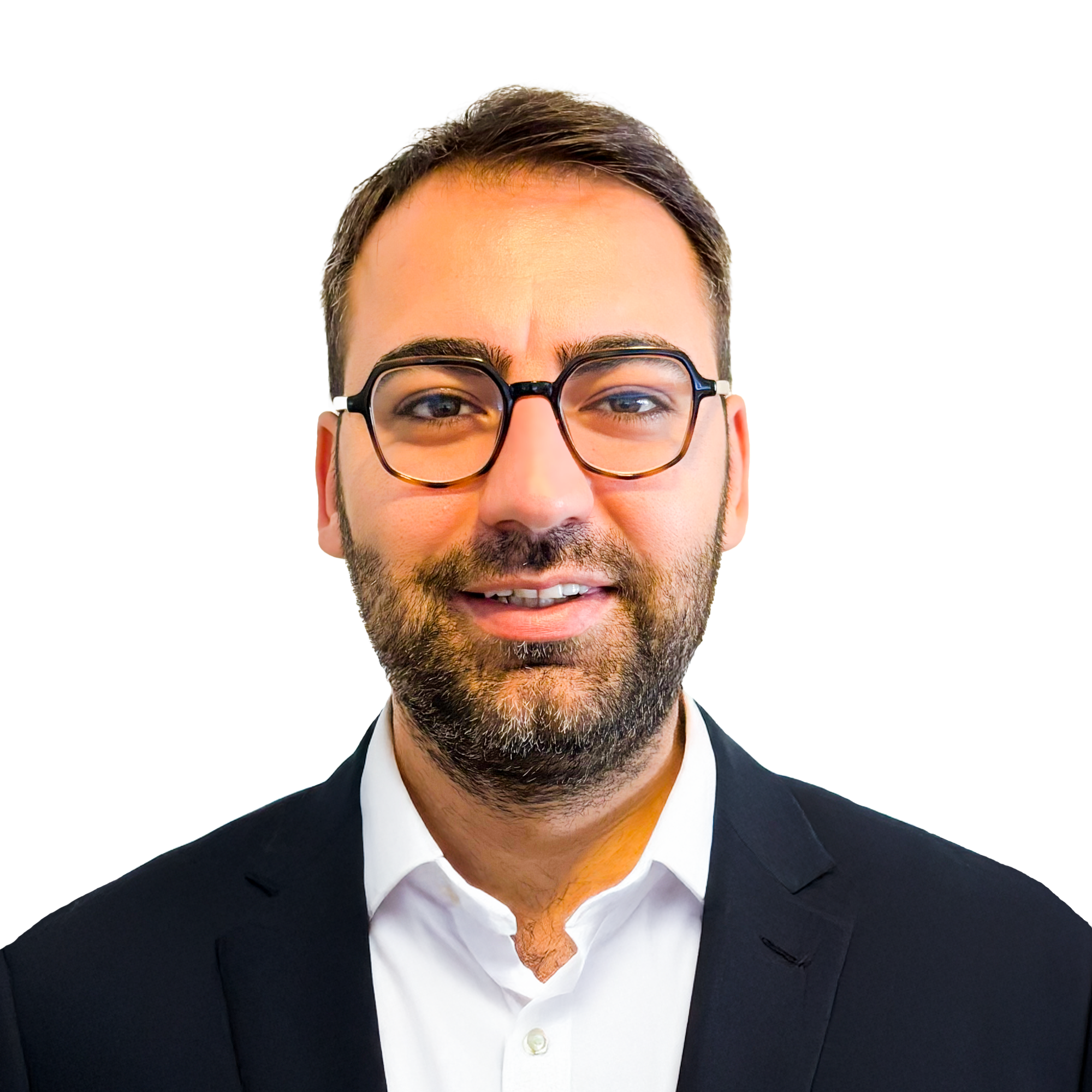
Ali Isin
- Adjunct Senior Research Fellow
- ali.isin@jcu.edu.au
Evaluation of QAIHC Sexual Health and Wellbeing Project. (Old ID 27405)
The overall goal of the QAIHC Sexual Health and Wellbeing Project is to improve Sexually transmissible infection (STI) and blood borne virus (BBVs) services in QAIHC Member Services and to work towards reducing the number of Aboriginal and Torres Strait Islander positive notifications. To help achieve this, support is provided for Member Services to implement models of care aimed to increase client engagement, education opportunities, as well as improve screening, notification and treatment rates. Tools, resources and support are provided to participant health services to implement sexual health and wellbeing activities that are culturally safe, led by Aboriginal and Torres Strait Islander health workers and tailored to the Aboriginal and Torres Strait Islander model of care. The aim of this work is to evaluate the implementation, impact and outcomes of the QAIHC Sexual Health and Wellbeing Project.
Evaluation of QAIHC Sexual Health and Wellbeing Project. (Old ID 27405)
The overall goal of the QAIHC Sexual Health and Wellbeing Project is to improve Sexually transmissible infection (STI) and blood borne virus (BBVs) services in QAIHC Member Services and to work towards reducing the number of Aboriginal and Torres Strait Islander positive notifications. To help achieve this, support is provided for Member Services to implement models of care aimed to increase client engagement, education opportunities, as well as improve screening, notification and treatment rates. Tools, resources and support are provided to participant health services to implement sexual health and wellbeing activities that are culturally safe, led by Aboriginal and Torres Strait Islander health workers and tailored to the Aboriginal and Torres Strait Islander model of care. The aim of this work is to evaluate the implementation, impact and outcomes of the QAIHC Sexual Health and Wellbeing Project.
Supervised Home Exercise for Peripheral Artery Disease (Old ID 27514)
1 million Australians have leg artery blockage (peripheral artery disease; PAD) and are at very high risk of major adverse cardiovascular events. Up to one-third of patients having an acute cardiac event or stroke have PAD, which limits their recovery. Randomised controlled trials (RCT) have established supervised exercise therapy substantially improves the functional impairment caused by PAD and reduces the risk factors of acute cardiovascular events. International guidelines recommend supervised exercise therapy sessions are performed at tertiary facilities three times weekly for three months. These programs have poor uptake and are not suited to equitable provision across Australia particularly for regional and remote communities who have the greatest burden from PAD. Our workshops with patients indicated the commonest challenges to taking part in supervised exercise was travelling. In partnership with patients, health professionals and other stakeholders we have co-designed the Supervised Home-based exercise progrAm for Peripheral artery diseasE (SHAPE). This 12-week supervised exercise program is delivered directly to and completely undertaken within the participant's home using telehealth supervision and monitoring from a wrist worn accelerometer
Developing research capacity in Weipa, Cape York (Old ID 27442)
This application is to support a program of health services and biomedical research in Weipa, Cape York. This encompasses 5 research projects that are active (3) or in development stages (2). Active projects: Implementation of Nasal High Flow in the Remote Context (PARIS-REMOTE), Evaluation of Cape York Kidney Care model of care, Evaluation of a student-assisted community rehabilitation service. Developing projects include: Implementation of chronic obstructive pulmonary disease and cardiac rehabilitation services across Cape York, and Identifying pathogenesis of middle ear disease, goal directed therapy and review of antibiotic resistance through in Cape York.
Knowledge Brokering from the Bottom Up: Co-designing Climate Information Products with the Kwaio people of Malaita Province, Solomon Islands (Old ID 28981)
Baru Conservation Alliance (BCA) and JCU successfully implemented the APCP funded “Traditional Knowledge about Climate and Food Security in Kwaio, Malaita, Solomon Islands” in 2021/22. This current “Knowledge Brokering from the Bottom Up: Co-designing Climate Information Products with the Kwaio people” project strengthens capacity built in 2021/22 to inform climate information products based on Kwaio traditional knowledge. The project will create communication products that utlise both western scientific and traditional Kwaio knowledge about the weather, how the weather is changing and what this means for people living on Malaita, Solomon Islands.
National Research Project on Remote Radiology Assessment Service Delivery (Old ID 23150)
This project will investigate outcomes of the BreastScreen Australia remote radiology assessment trial at sites through9out Australia. Engaging a remote radiologist may assist with overcoming many challenges associated with providing health services in a regional, rural or remote location. This project seeks to ensure that the alternative model of service delivery is appropriate for consumers, evidence-based and safe. Specifically, this project will assess how the new remote radiology model affects: - Patient safety - Patient acceptability - Staff acceptability of new model of service provision - The safe, efficient organisation of BreastScreen services
National Research Project on Remote Radiology Assessment Service Delivery (Old ID 23150)
This project will investigate outcomes of the BreastScreen Australia remote radiology assessment trial at sites through9out Australia. Engaging a remote radiologist may assist with overcoming many challenges associated with providing health services in a regional, rural or remote location. This project seeks to ensure that the alternative model of service delivery is appropriate for consumers, evidence-based and safe. Specifically, this project will assess how the new remote radiology model affects: - Patient safety - Patient acceptability - Staff acceptability of new model of service provision - The safe, efficient organisation of BreastScreen services
Point-of-injury intranasal ALM drug therapy to reduce secondary injury and improve outcomes after TBI in civilian and military resource-limited environments (Old ID 27829)
Currently there is no effective drug therapy to treat traumatic brain injury (TBI) in combat and other military and civilian settings immediately after the injury has occurred that can protect the brain and the whole body by reducing secondary injury progression and TBI-associated complications. ALM therapy is a neuroprotective fluid therapy that significantly improves survival, rescues cardiac function, reduces local bleeding, and blunts secondary injury processes including inflammation after trauma. This project will evaluate the efficacy and protective benefits of ALM therapy administered intravenously (injectable) and intranasally (via spray) in a rat model of TBI.
Point-of-injury intranasal ALM drug therapy to reduce secondary injury and improve outcomes after TBI in civilian and military resource-limited environments (Old ID 27829)
Currently there is no effective drug therapy to treat traumatic brain injury (TBI) in combat and other military and civilian settings immediately after the injury has occurred that can protect the brain and the whole body by reducing secondary injury progression and TBI-associated complications. ALM therapy is a neuroprotective fluid therapy that significantly improves survival, rescues cardiac function, reduces local bleeding, and blunts secondary injury processes including inflammation after trauma. This project will evaluate the efficacy and protective benefits of ALM therapy administered intravenously (injectable) and intranasally (via spray) in a rat model of TBI.
CSIRO Confidentiality Agreement - Fytobio
Will discuss research of group with CSIRO Protein Production Group with respect to Fytobio.
Validating Indigenous status in a regional Queensland hospital emergency department dataset with patient‐linked data
- 2020
- Wiley-Blackwell
- Researchers:Mary O'LoughlinRobyn McDermott
Spatial distribution of tuberculosis in a rural region of Western Province, Papua New Guinea
- 2019
- Western Pacific Regional Office of the World Health Organization
- Researchers:Catherine RushEmma McBrydeJeffrey Warner
Exploring women's priorities for the potential consequences of a gestational diabetes diagnosis: a pilot community jury
- 2020
- Wiley-Blackwell
- Researchers:Rae ThomasClare Heal
Title:
Men are shaving off their eyelashes on TikTok, here's why that might be a bad idea, The Conversation
Start Date:
14 May 2025
Start Date:
15 May 2025
Start Date:
03 Jun 2025
Start Date:
01 Jan 2012
Title:
Grants Review
Start Date:
01 Jan 2024
End Date:
01 Jan 2024
Title:
Public Health Advocacy
Start Date:
01 Jan 2024
End Date:
01 Jan 2024
Start Date:
16 Jun 2025