
College of Medicine & Dentistry
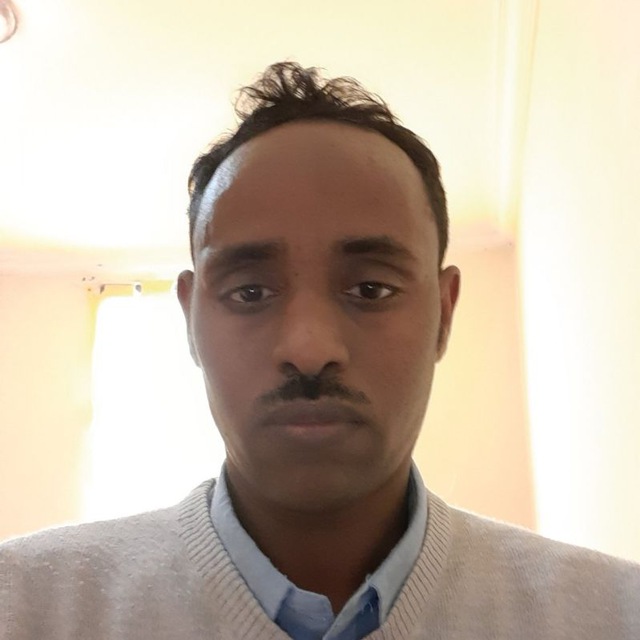
Semagn Abate
- Doctor of Philosophy (Health)
- semagn.abate@my.jcu.edu.au

Joseph Kamara
- Senior Lecturer Disaster Health and Humanitarian Assistance
- joseph.kamara@jcu.edu.au

Eric Kalo
- Lecturer Medical Education
- eric.kalo@jcu.edu.au
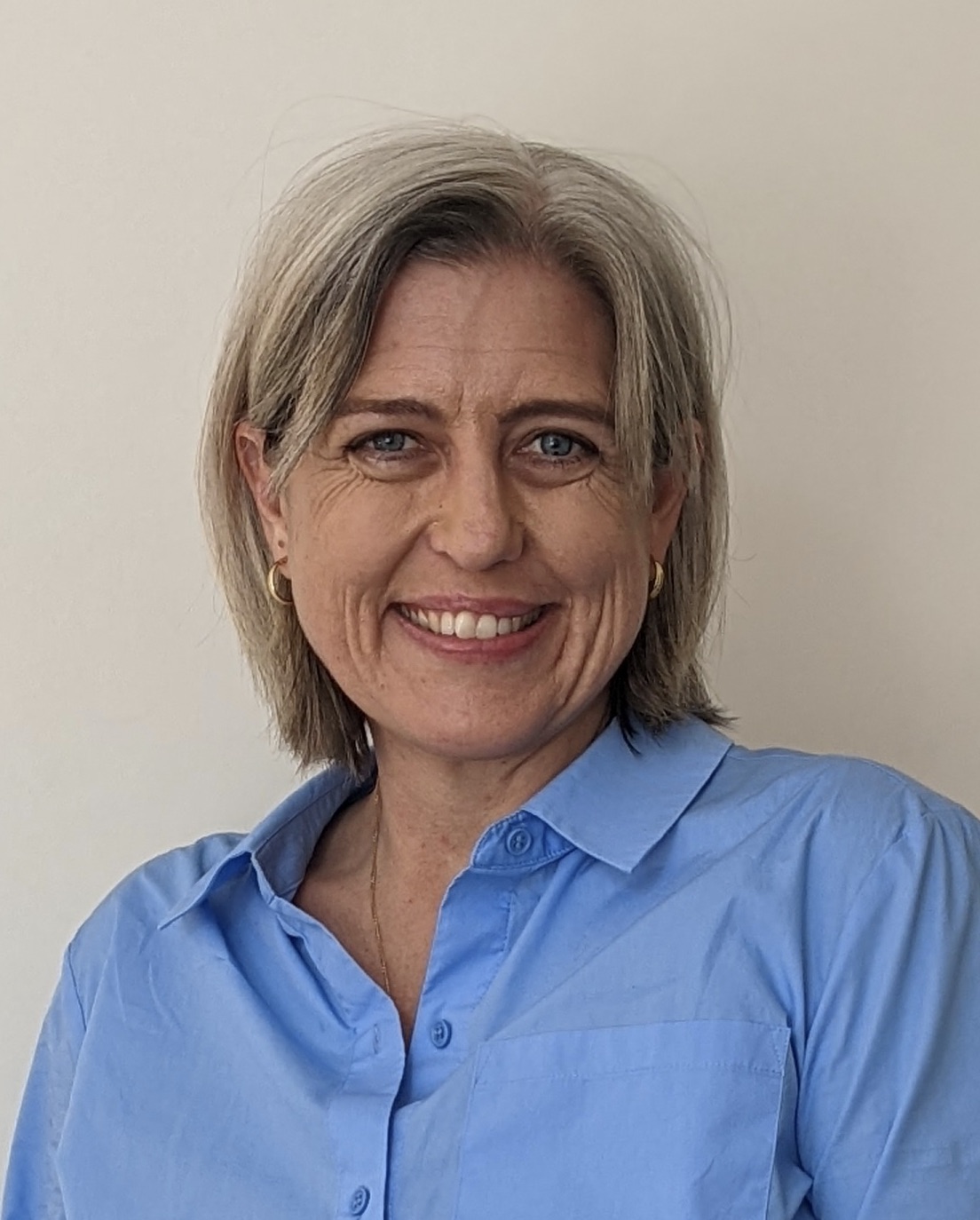
Erin Waters
- JCU Associate Professor
- erin.waters@jcu.edu.au

Kannan Maharajan
- Associate Professor, Pharmacy
- kannan.maharajan@jcu.edu.au

Fahmida Begum Mina
- Doctor of Philosophy (Medical, Molecular and Veterinary Sciences)
- fahmidabegum.mina@my.jcu.edu.au

Lynsey Brown
- Adjunct Senior Lecturer
- lynsey.brown@jcu.edu.au

Ali Isin
- Adjunct Senior Research Fellow
- ali.isin@jcu.edu.au

Muideen Olaiya
- Senior Research Fellow
- muideen.olaiya@jcu.edu.au

Mila Grinblat
- Postdoctoral Research Fellow
- mila.grinblat@jcu.edu.au
Improving clinical pathways for abdominal aortic aneurysm through incorporating biomarkers (Old ID 27513)
MRF2015999
20 million people worldwide have weakening of their main abdominal artery (abdominal aortic aneurysm; AAA) and are at high risk of both major adverse cardiovascular events (MACE) and AAA related events (AAA repair and rupture-related death). Most AAAs are identified at a small size when their risk of rupture is low. Management of small AAA focuses on repeat aortic imaging every 6 months to identify when the threshold diameter (50mm in women and 55mm in men) is reached for elective surgical AAA repair. Most small AAAs continue to grow in size and eventually undergo repair. No drugs have been shown to limit AAA growth and the clinical pathway focuses on identifying those needing surgery rather than medical management. There are no established means to individualise care. Our interviews with patients and health professionals indicate that the number one deficiency in current AAA management is the lack of individualising medical management to reduce the high incidence of MACE and AAA related events. Our international AAA alliance is uniquely placed due to our resources (biobank-registry) and IP (bioinformatics, clinical, engineering software, genomics, biomarkers, machine learning and pathogenesis) to addresses this unmet clinical need.
Improving clinical pathways for abdominal aortic aneurysm through incorporating biomarkers (Old ID 27513)
MRF2015999
20 million people worldwide have weakening of their main abdominal artery (abdominal aortic aneurysm; AAA) and are at high risk of both major adverse cardiovascular events (MACE) and AAA related events (AAA repair and rupture-related death). Most AAAs are identified at a small size when their risk of rupture is low. Management of small AAA focuses on repeat aortic imaging every 6 months to identify when the threshold diameter (50mm in women and 55mm in men) is reached for elective surgical AAA repair. Most small AAAs continue to grow in size and eventually undergo repair. No drugs have been shown to limit AAA growth and the clinical pathway focuses on identifying those needing surgery rather than medical management. There are no established means to individualise care. Our interviews with patients and health professionals indicate that the number one deficiency in current AAA management is the lack of individualising medical management to reduce the high incidence of MACE and AAA related events. Our international AAA alliance is uniquely placed due to our resources (biobank-registry) and IP (bioinformatics, clinical, engineering software, genomics, biomarkers, machine learning and pathogenesis) to addresses this unmet clinical need.
Establishing a North Queensland Liver Tumour Library: New therapeutic approaches for advanced Hepatocellular Carcinoma
The treatment options for advanced stage HCC patients remain poor. We found that the inhibition of a heat shock protein (HSP) with a small molecule inhibitor can restrict HCC growth. Now we intend to use pre-clinical models to test whether the combination of HSP inhibition and current immune based therapies are better in reducing tumour load. This will be undertaken using advanced cell biology techniques and mouse models. This new therapy may be able to be adapted to patients and could lead to improving their choice of therapies and outcome.
Trauma Care in the Tropics: A Multi-centre Retrospective Analysis. (Old ID 26855)
High quality pre-hospital trauma care and timely access to emergency aeromedical retrieval services is paramount for an efficient, sustainable healthcare system in North Queensland. We propose to identify and classify trauma patients in the North Queensland since 2016 to assess the magnitude of the total injury burden and evaluate the chain-of-care from the prehospital environment, through patient transfer, to hospital discharge. The dataset generated will provide valuable insights into patterns of primary retrieval, trauma distribution, and service provisions and gaps.
Reducing Dementia Risk in Aboriginal and Torres Strait Islander Communities (Old ID 26279)
The aim of the project is to address these issues through the development of a range of interventions to specifically target the high rates of dementia in Indigenous communities. This project will use a Participatory Action Research approach to enable communities to identify and prioritise dementia risk reduction strategies/potential risk and protective factors. Using a Continuous Quality Improvement Framework, primary health care centries will address modifiable dementia risk factors to change practice and systems through the development of culturally appropriate interventions. The outcome will be a culturally appropriate framework that incorporates evidence-based best-practice guidelines for delivering community specific interventions for risk reduction and prevention of dementia.
Carrier Rates of Group A Streptococci (GAS) in Australian Wet Tropics (Old ID 24783)
It is now possible to do a cheap rapid PCR analysis directly in the GP clinic for presence of Group A Streptococci in a throat swab and obtain a result in 8 minutes. This study intends to clarify the carrier rate of Group A Streptococci in Australian Wet Tropics. This knowledge is crucial to be able to correctly interpret test outcomes in patients with a sore throat.
Working it Out Together! Aboriginal and Torres Strait Islander led co-design for a strong and deadly health workforce (Old ID 27074)
Building a stable, well-trained and culturally safe health workforce is a crucial part of delivering high quality primary health care (PHC) services. Previous attempts to strengthen rural/remote health workforce have failed, partly because they have not integrated Aboriginal and Torres Strait Islander knowledge and lived experience with necessary policy and systems support. There has been little research into culturally safe strategies to improve workforce stability in complex PHC context. This project will bridge these gaps through a community-led, place-based planning approach, engaging service providers, policy-makers and funders to co-design workforce strategies and models of care that are locally relevant, successful and sustainable. This community-based participatory project uses a mixed methods quasi-experimental pre-post design to implement co-designed actions to explore: How do we systematically embed Aboriginal and Torres Strait Islander perspectives into place-based planning and action for a stable and effective workforce that engenders community trust in local PHC delivery? Working with key sector partners in four service-based rural/remote clusters across Qld, NT and NSW, we will co-design and trial strategies to strengthen workforce competency and stability (by strengthening local career pathways for Indigenous people and strengthening cultural competency of non-Indigenous staff), and use community-centred impact and economic evaluation. Our team is majority Aboriginal and Torres Strait Islander and builds on relationships and learnings developed through our ongoing PHC system improvement work. Each jurisdictional team comprises a local Indigenous PHC service, community-controlled peak body, primary health network, government health department and university partner. This optimal mix will ensure successful implementation of sustainable strategies and translation into policy and practice for improved community access to quality PHC and health outcomes.
Working it Out Together! Aboriginal and Torres Strait Islander led co-design for a strong and deadly health workforce (Old ID 27074)
Building a stable, well-trained and culturally safe health workforce is a crucial part of delivering high quality primary health care (PHC) services. Previous attempts to strengthen rural/remote health workforce have failed, partly because they have not integrated Aboriginal and Torres Strait Islander knowledge and lived experience with necessary policy and systems support. There has been little research into culturally safe strategies to improve workforce stability in complex PHC context. This project will bridge these gaps through a community-led, place-based planning approach, engaging service providers, policy-makers and funders to co-design workforce strategies and models of care that are locally relevant, successful and sustainable. This community-based participatory project uses a mixed methods quasi-experimental pre-post design to implement co-designed actions to explore: How do we systematically embed Aboriginal and Torres Strait Islander perspectives into place-based planning and action for a stable and effective workforce that engenders community trust in local PHC delivery? Working with key sector partners in four service-based rural/remote clusters across Qld, NT and NSW, we will co-design and trial strategies to strengthen workforce competency and stability (by strengthening local career pathways for Indigenous people and strengthening cultural competency of non-Indigenous staff), and use community-centred impact and economic evaluation. Our team is majority Aboriginal and Torres Strait Islander and builds on relationships and learnings developed through our ongoing PHC system improvement work. Each jurisdictional team comprises a local Indigenous PHC service, community-controlled peak body, primary health network, government health department and university partner. This optimal mix will ensure successful implementation of sustainable strategies and translation into policy and practice for improved community access to quality PHC and health outcomes.
Optimisation of Ultra-Small Volume Adenosine, Lidocaine and Mg2+ (ALM) Fluid Resuscitation and 72hr Stabilisation Drip for Uncontrolled Haemorrhage and TBI (Old ID 23011)
The resuscitation and stabilisation properties of ALM 'one-two treatment' will be investigated in rats after uncontrolled blood loss ± traumatic brain injury, and a translational arm in pigs followed for 72hrs to mimic prolonged far-forward retrieval delays. The aim is to show improved survival is associated with improved cardiac function, reduced inflammation, less coagulopathy and less secondary 'it' complications. The ALM therapy has the potential to reduce morbidity and mortality on the battlefield by buying time for treatment, stabilisation and preparedness of causalities for safer evacuation. The study also has broad-spectrum public purpose for pre-hospital trauma and aeromedical transport.
Developing innovative approaches to preventing diabetes-related foot disease (Old ID 26874)
This project aims to obtain insight into stakeholders’ opinions and priorities regarding appropriate prevention methods for diabetes related foot disease (DFD) and how these are best delivered to effectively prevent it. Ultimately, this intends to achieve an enduring partnership between researchers and key stakeholders to facilitate the co-design of an effective DFD prevention program.
Start Date:
01 Jan 2007
End Date:
01 Jan 2008
Start Date:
01 Jan 2003
End Date:
01 Jan 2009
Start Date:
01 Jan 2006
End Date:
01 Jan 2007
Start Date:
01 Jan 2002
End Date:
01 Jan 2007
Start Date:
01 Jan 2003
End Date:
01 Jan 2004
Start Date:
01 Jan 1999
End Date:
01 Jan 2000
Start Date:
01 Jan 2000
End Date:
01 Jan 2000
Start Date:
01 Jan 2017
Start Date:
01 Jan 1999
End Date:
01 Jan 1999
Start Date:
01 Jan 1998
End Date:
01 Jan 1998