
College of Science & Engineering
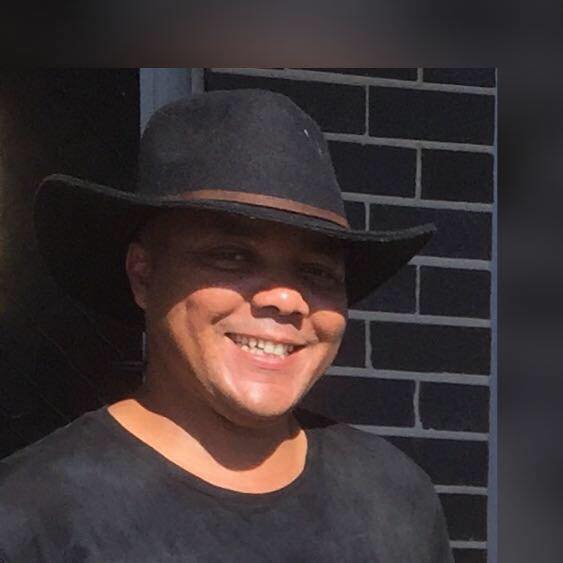
Saul Chemonges
- Adjunct Associate Professor
- saul.chemonges@jcu.edu.au
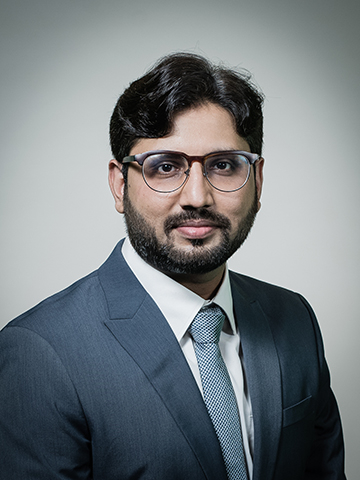
Umair Qureshi
- Senior Lecturer, Information Technology
- umair.qureshi@jcu.edu.au
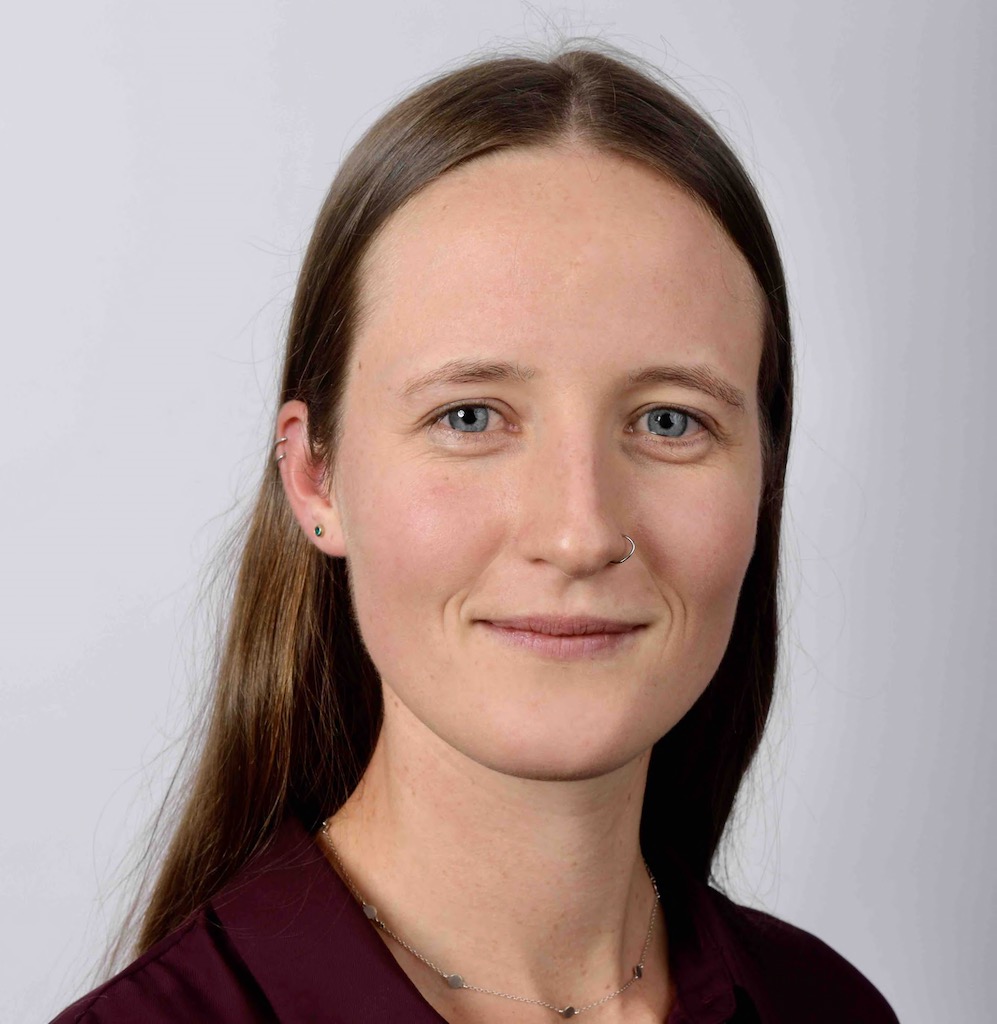
Alys Young
- Postdoctoral Research Fellow, Global Ecosystems
- alys.young@jcu.edu.au
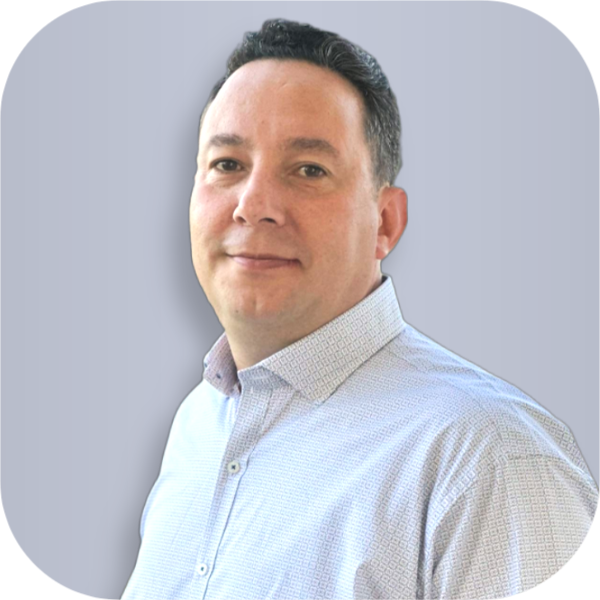
Kaveh Shahbaz
- Associate Professor Chemical Engineering
- kaveh.shahbaz@jcu.edu.au
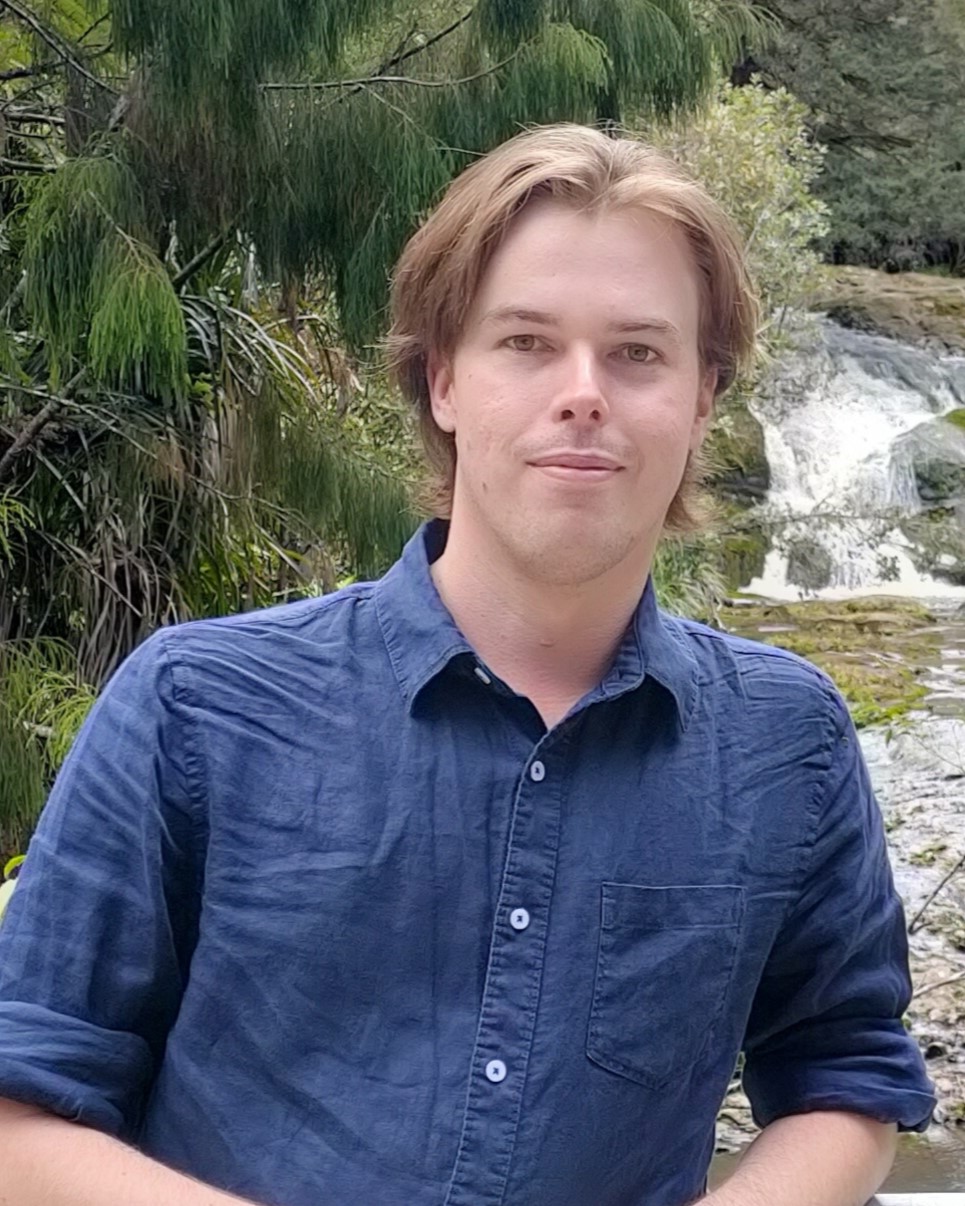
Lewis Gooch
- Lecturer
- lewis.gooch@jcu.edu.au
Youseph Ibrahim
- Lecturer, Geoscience
- youseph.ibrahim@jcu.edu.au
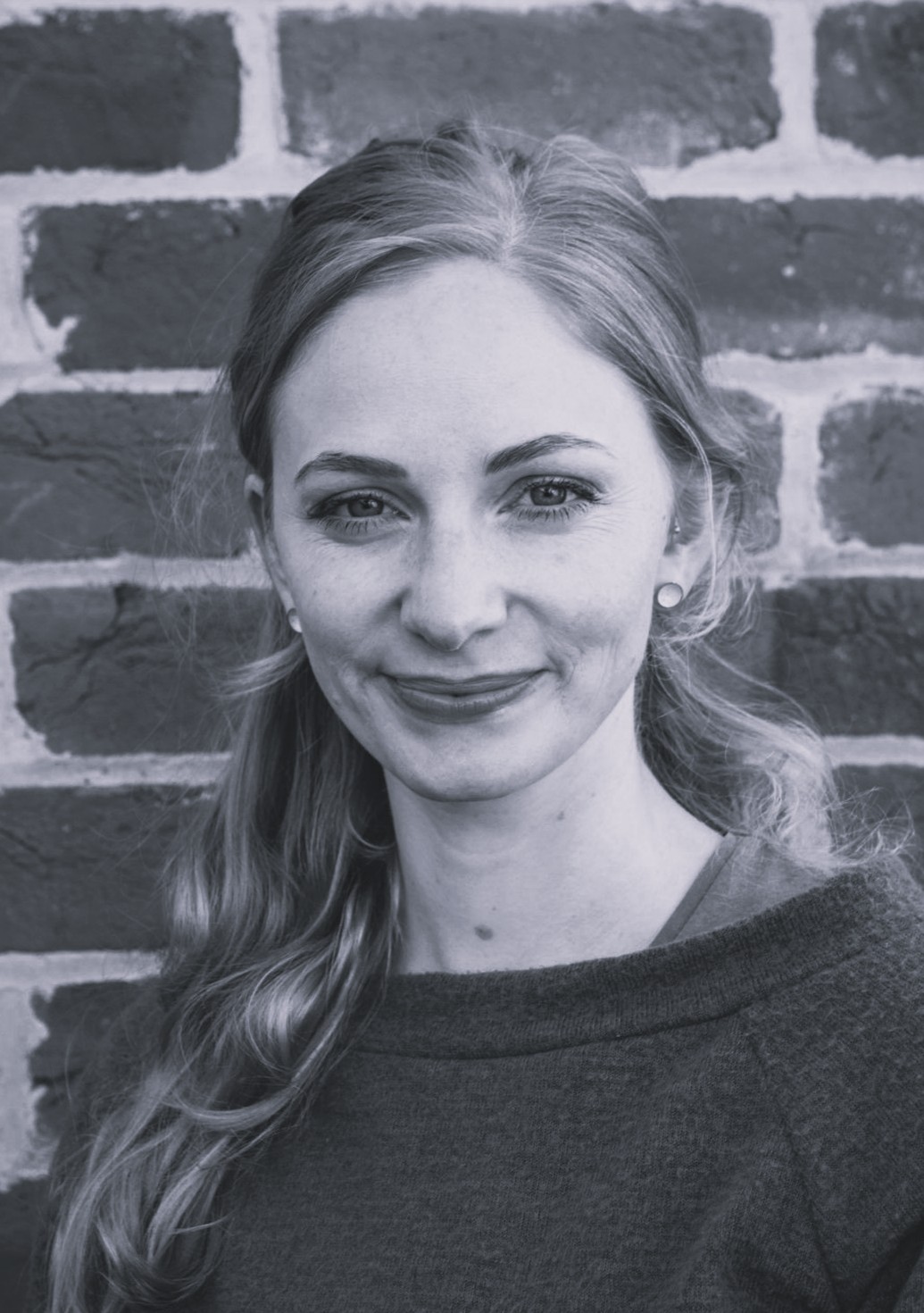
Esther Crouch
- Senior Lecturer, Veterinary Anatomic Pathology
- esther.crouch@jcu.edu.au
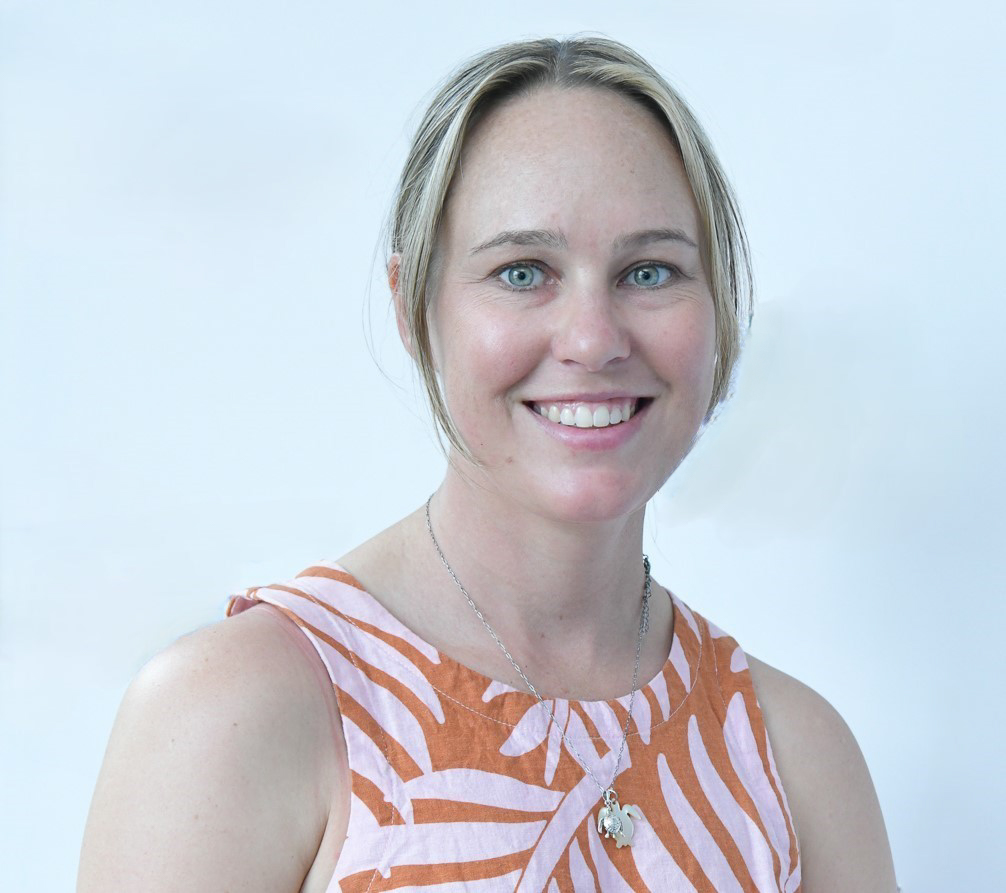
Natalie Robson
- Postdoctoral Research Fellow, Land and Sea Management
- natalie.robson@jcu.edu.au
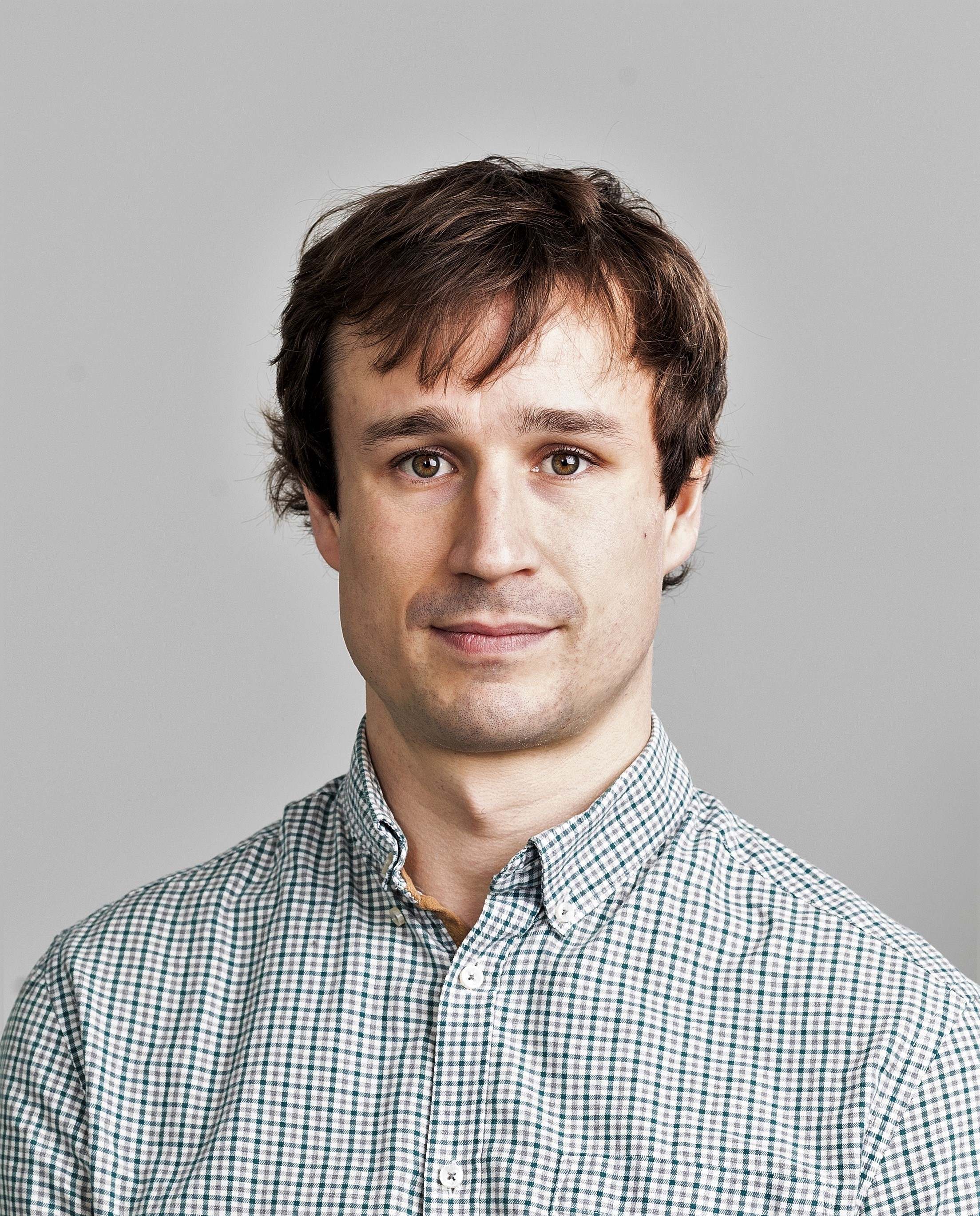
Alexandre Wadoux
- Lecturer, Soil Science
- alexandre.wadoux@jcu.edu.au
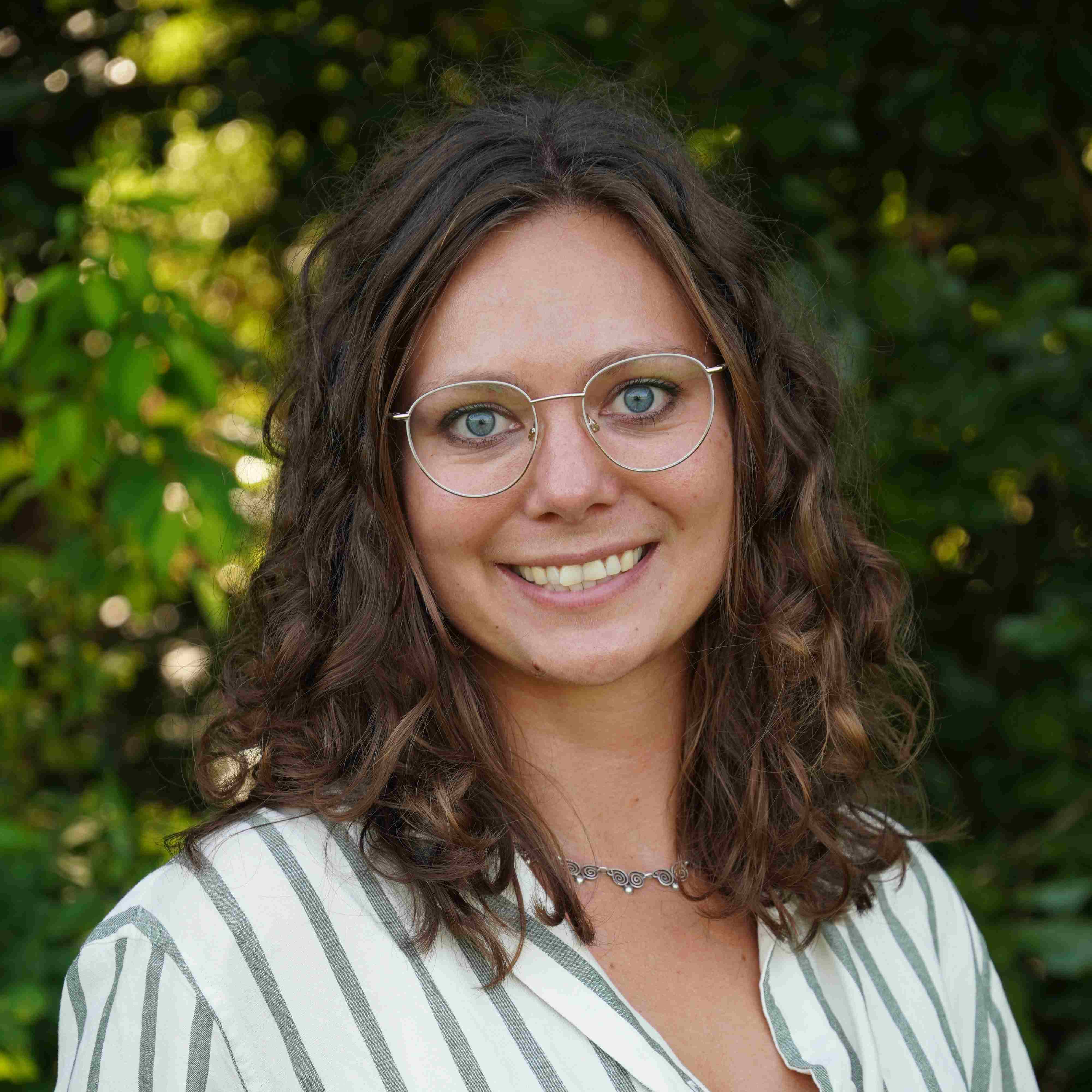
Alica Hoess
- Postdoctoral Research Fellow, Neutron Tomography Scanner
- alica.hoess@jcu.edu.au
Sustainable REE extraction from Australian ores using environmentally friendly reagents, advanced characterisation techniques and geological knowledge
Helen McCoy-West
03 Feb 2025 - 01 Jun 2029
This project aims to improve the sustainable extraction of rare earths from Australian ores using environmentally friendly reagents.
Sustainable REE extraction from Australian ores using environmentally friendly reagents, advanced characterisation techniques and geological knowledge
George Vamvounis
03 Feb 2025 - 01 Jun 2029
This project aims to improve the sustainable extraction of rare earths from Australian ores using environmentally friendly reagents.
Sustainable REE extraction from Australian ores using environmentally friendly reagents, advanced characterisation techniques and geological knowledge
Ioan Sanislav
03 Feb 2025 - 01 Jun 2029
This project aims to improve the sustainable extraction of rare earths from Australian ores using environmentally friendly reagents.
Optimising the geophysical ore body model to aid in the discovery of new critical mineral deposits
Lauren Waszek
01 Jan 2025 - 31 Dec 2027
This project aims to develop advanced geophysical tools that can help exploration companies identify critical mineral resources. Current geophysical exploration methods—such as magnetic, electric, gravimetric, magnetotelluric, radiometric, and seismic surveys—are commonly used in the industry to detect geophysical anomalies. However, many detected anomalies do not contain mineralization due to a lack of tools to identify the specific geophysical signatures of ore bodies.
Our goal is to create tools that enable explorers to distinguish between barren and mineralized anomalies, enhancing the accuracy of mineral discovery. Currently, there is limited knowledge on the specific geophysical responses of mineralized ore bodies. Some preliminary research by CSIRO on IOCG deposits in Cloncurry suggests that combining geological and petrophysical data can model an ore body's geophysical response.
Optimising the geophysical ore body model to aid in the discovery of new critical mineral deposits
Alex McCoy-West
01 Jan 2025 - 31 Dec 2027
This project aims to develop advanced geophysical tools that can help exploration companies identify critical mineral resources. Current geophysical exploration methods—such as magnetic, electric, gravimetric, magnetotelluric, radiometric, and seismic surveys—are commonly used in the industry to detect geophysical anomalies. However, many detected anomalies do not contain mineralization due to a lack of tools to identify the specific geophysical signatures of ore bodies.
Our goal is to create tools that enable explorers to distinguish between barren and mineralized anomalies, enhancing the accuracy of mineral discovery. Currently, there is limited knowledge on the specific geophysical responses of mineralized ore bodies. Some preliminary research by CSIRO on IOCG deposits in Cloncurry suggests that combining geological and petrophysical data can model an ore body's geophysical response.
Optimising the geophysical ore body model to aid in the discovery of new critical mineral deposits
Helen McCoy-West
01 Jan 2025 - 31 Dec 2027
This project aims to develop advanced geophysical tools that can help exploration companies identify critical mineral resources. Current geophysical exploration methods—such as magnetic, electric, gravimetric, magnetotelluric, radiometric, and seismic surveys—are commonly used in the industry to detect geophysical anomalies. However, many detected anomalies do not contain mineralization due to a lack of tools to identify the specific geophysical signatures of ore bodies.
Our goal is to create tools that enable explorers to distinguish between barren and mineralized anomalies, enhancing the accuracy of mineral discovery. Currently, there is limited knowledge on the specific geophysical responses of mineralized ore bodies. Some preliminary research by CSIRO on IOCG deposits in Cloncurry suggests that combining geological and petrophysical data can model an ore body's geophysical response.
Optimising the geophysical ore body model to aid in the discovery of new critical mineral deposits
Ioan Sanislav
01 Jan 2025 - 31 Dec 2027
This project aims to develop advanced geophysical tools that can help exploration companies identify critical mineral resources. Current geophysical exploration methods—such as magnetic, electric, gravimetric, magnetotelluric, radiometric, and seismic surveys—are commonly used in the industry to detect geophysical anomalies. However, many detected anomalies do not contain mineralization due to a lack of tools to identify the specific geophysical signatures of ore bodies.
Our goal is to create tools that enable explorers to distinguish between barren and mineralized anomalies, enhancing the accuracy of mineral discovery. Currently, there is limited knowledge on the specific geophysical responses of mineralized ore bodies. Some preliminary research by CSIRO on IOCG deposits in Cloncurry suggests that combining geological and petrophysical data can model an ore body's geophysical response.
Genetic sequencing analysis of Nangur spiny skink tissue samples to inform the captive breeding program
Conrad Hoskin
20 Jan 2025 - 31 May 2025
This project will be undertaken as laboratory analysis of genetic sequencing data of 41 captive N. spinosa tissue samples that will inform pairing for the captive breeding program at the Walkabout Creek Discovery Centre captive breeding facility.
Genetic sequencing analysis of Nangur spiny skink tissue samples to inform the captive breeding program
Conrad Hoskin
20 Jan 2025 - 31 May 2025
This project will be undertaken as laboratory analysis of genetic sequencing data of 41 captive N. spinosa tissue samples that will inform pairing for the captive breeding program at the Walkabout Creek Discovery Centre captive breeding facility.
Emerging technologies for advanced geochemical exploration undercover
Alex McCoy-West
01 Jan 2025 - 01 Jan 2029
Isotope geochemistry can provide powerful insights to the sources or process involved in the formation of an ore deposit. Weathering ore bodies produce unique isotopic fingerprints which can be tracked by using groundwater to undertake exploration undercover. There has been increasing commercial interest in searching for Cu a critical element for the green energy transition through this sustainable technique. However, current approaches suffer from several limitations due to the saline nature of groundwater which limits the sample size that can be routinely processed. This project will use automated separation techniques to achieve greater enrichment factors to enable high precision isotope measurements.
Organic matter, sodicity and soil structure
- 1998
- Oxford University Press
- Researchers:Paul Nelson
Argument free clustering via boundary extraction for massive point-data Sets
- 2002
- Researchers:Ickjai Lee
Start Date:
10 Nov 2024
Start Date:
31 Mar 2025
Title:
Bengali
Reseracher:
Khandakar Faisal Ibn Murad
(Doctor of Philosophy (Engineering and Related Technologies))
Title:
English
Reseracher:
Khandakar Faisal Ibn Murad
(Doctor of Philosophy (Engineering and Related Technologies))
Start Date:
01 Jan 2024
Start Date:
01 Jan 2024
End Date:
01 Jan 2027
Start Date:
01 Jan 2014
Start Date:
01 Jan 2003
Title:
PhD, James Cook University
End Date:
01 Jan 2010
End Date:
01 Jan 2003