
College of Science & Engineering

Sophia Love
- Doctor of Philosophy (Natural and Physical Sciences)
- sophie.love@jcu.edu.au
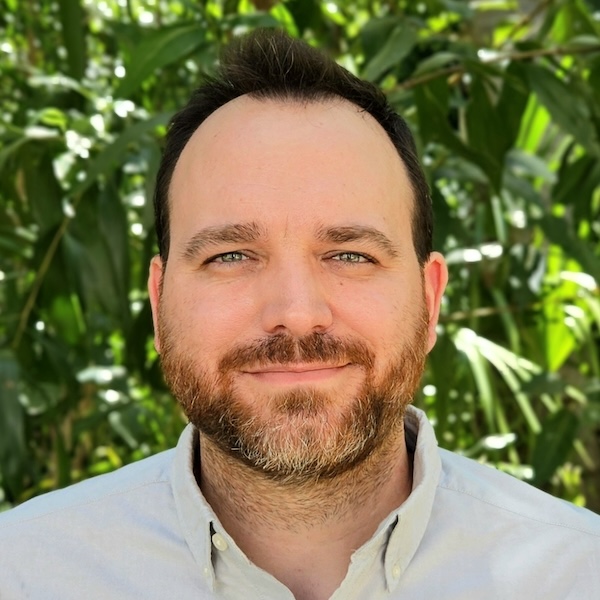
Romain Vaucher
- Senior Lecturer, Sedimentology
- romain.vaucher@jcu.edu.au
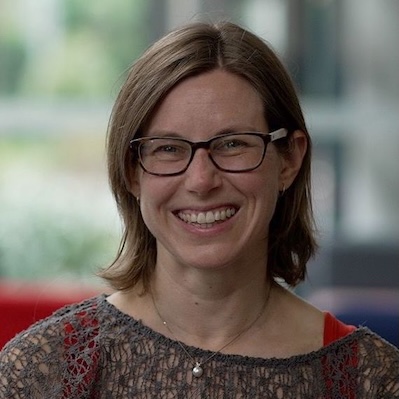
Jenny Fisher
- Associate Dean, Learning and Teaching
- jenny.fisher@jcu.edu.au

Ambili Narayanan
- Doctor of Philosophy (Natural and Physical Sciences)
- ambili.narayanan@my.jcu.edu.au

Sarfaraz Ali
- Postdoctoral Research Fellow
- sarfaraz.ali@jcu.edu.au
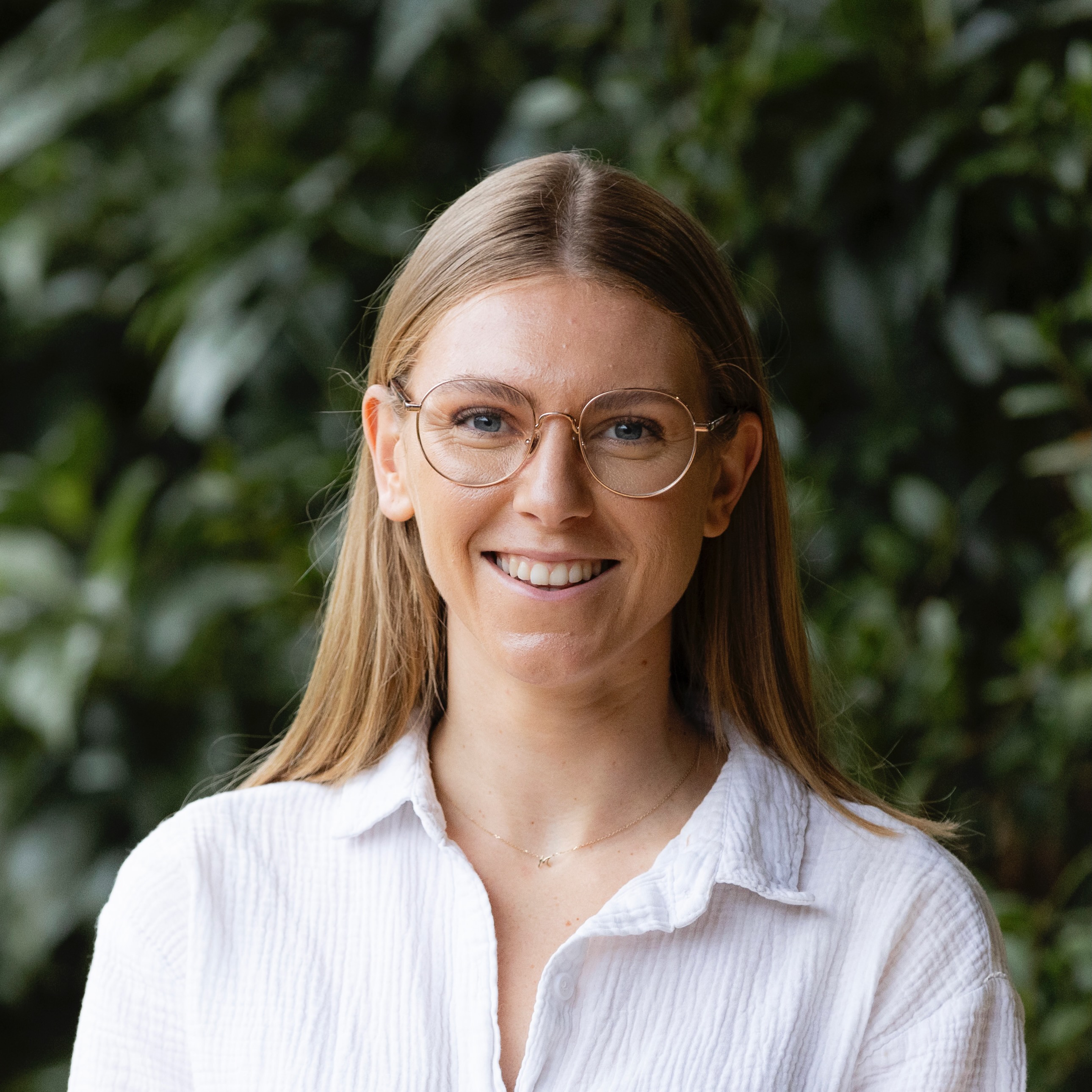
Mikaeylah Davidson
- Postdoctoral Research Fellow
- mikaeylah.davidson@jcu.edu.au
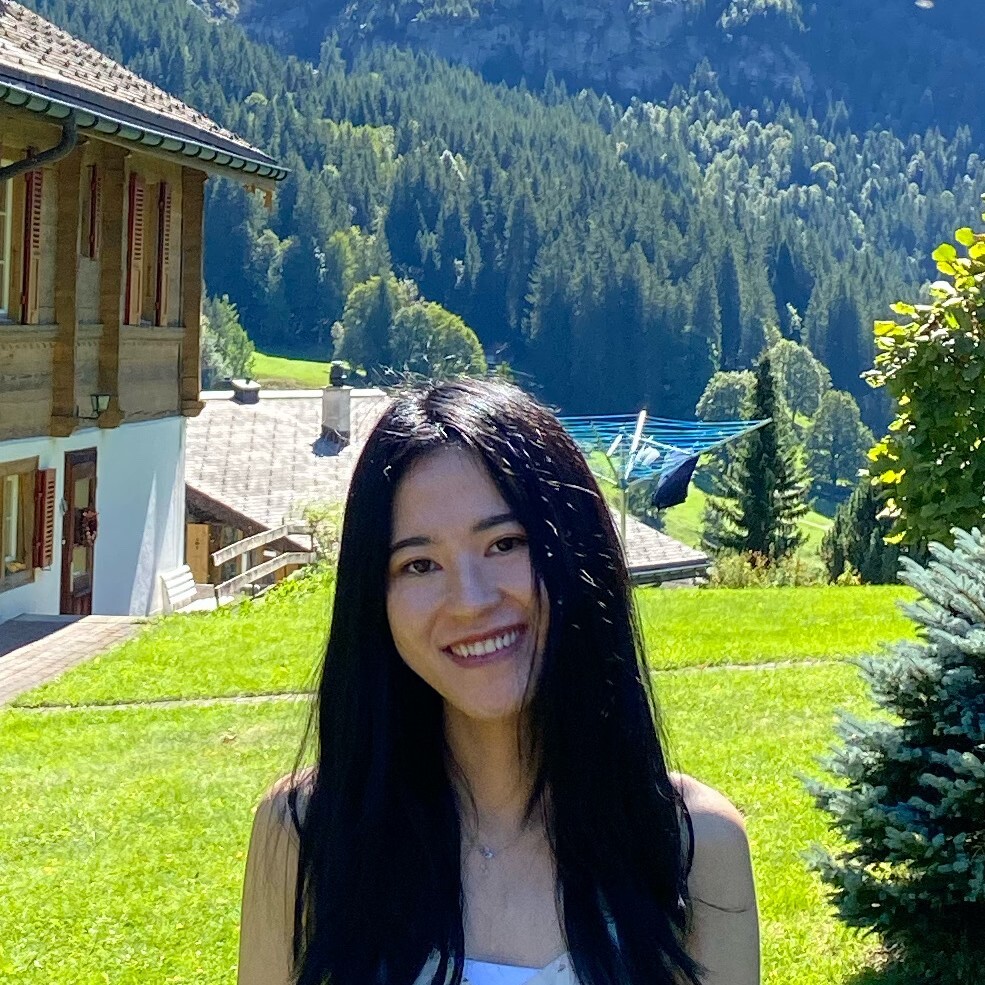
Liuxin Chen
- Lecturer
- liuxin.chen@jcu.edu.au
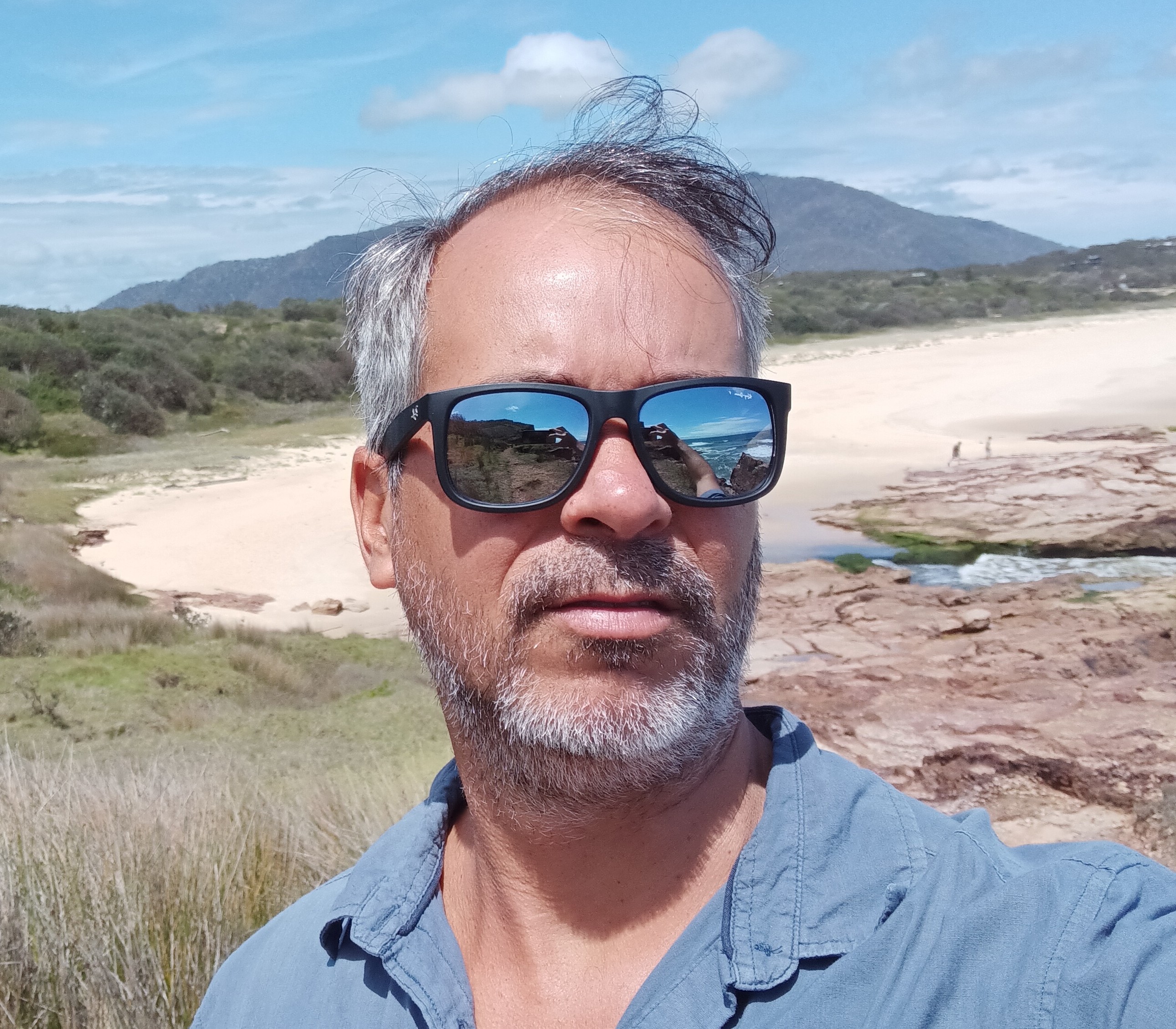
Rafael Cabral Carvalho
- Lecturer, Marine Geoscience
- rafael.cabralcarvalho@jcu.edu.au
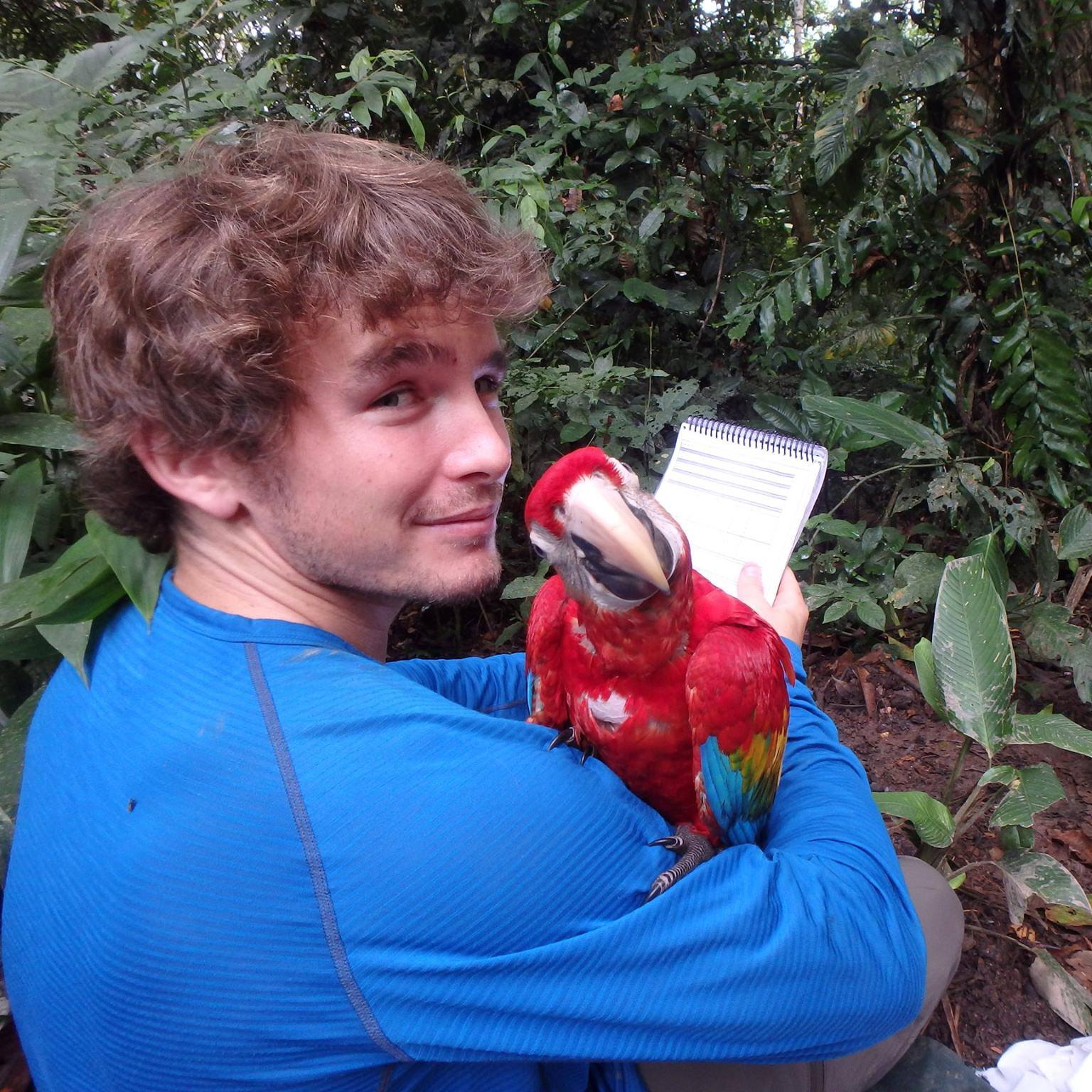
Tom Lloyd
- Postdoctoral Research Fellow, Global Ecosystems
- tom.lloyd@jcu.edu.au
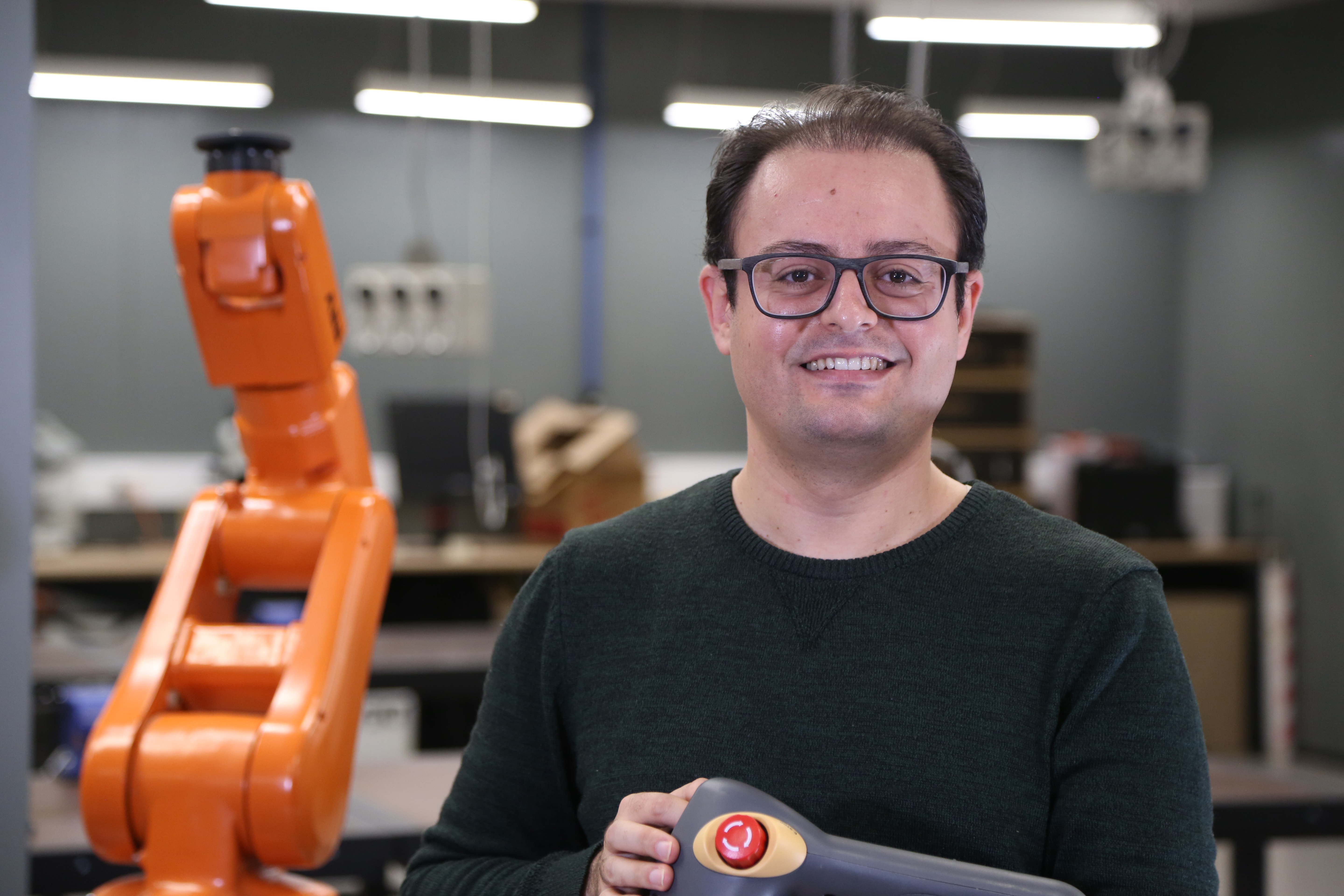
Mohamadreza Chalak Qazani
- Lecturer, Mechanical Engineering
- mohamadreza.chalakqazani@jcu.edu.au
Mapping of tidal flats and salt marshes in the NOWPAP region. (Old ID 27039)
Nicholas Murray
21 Sep 2020 - 01 Aug 2021
The main objective of this activity is to map the distribution of tidal flats/salt marshes in the NOWPAP region with their historical change in the past decades. To map tidal flats/salt marshes in the NOWPAP region, mapping tool developed by Murray et al. (2019), namely Global Intertidal Change (hereinafter referred to as “GIC”) is used. GIC is the only available tool for regional mapping of tidal flats. However, GIC is developed for the global mapping and there are some limitation for the detection of tidal flats when used at regional scale. Therefore, this project will develop a bespoke regional model of the distribution of tidal flats/salt marshes in the NOWPAP region.
Developing Deep Learning Applications for Smart Aquaculture (Old ID 27329)
Alzayat Saleh
01 Jul 2021 - 30 Jun 2024
This project proposes to use deep learning technology to extract various data in commercial environments in a non-intrusive and cost-effective way from fish farms. Currently, most of the fish data is analysed manually. The aim is to use deep learning to extract useful features and traits of fish and to analyse the collected data automatically and efficiently. The project will be in direct partnership with our industry collaborators across Australia and Asia.
The impact of conservation NGO interventions on small-scale fishers (Old ID 27518)
Patrick Smallhorn-West
01 Feb 2022 - 31 Dec 2024
The objective of this post-doctoral position is to conduct a systematic review of NGO interventions to support Small-Scale Fisheries (SSF) and to apply these findings to WCS’ programs. The position will be co-hosted between James Cook University, WorldFish, and the WCS Global Marine Conservation division.
Optimising mill mud and ash applications for soil improvement and carbon sequestration (Old ID 27540)
Hannah Green
01 Apr 2022 - 01 Feb 2026
Negative carbon dioxide emission technologies are urgently required to offset emissions from fossil fuel burning. Weathering of alkaline metal oxides such as those in ash is a promising technology as it consumes carbon dioxide. This project aims to determine carbon sequestration when sugar mill ash, either alone or mixed with mill mud, is applied to soil in sugarcane fields. The project expects to generate knowledge about the rates of carbon sequestration and the factors controlling it, employing field experiments and geochemical modelling. The main outcome expected is a carbon sequestration methodology that is permanent and unlimited (given continued application mill by-products), unlike soil organic carbon sequestration. Adoption will facilitate trade in carbon credits through the Emissions Reduction Fund and facilitate market access through increased ability of the sugar industry to meet consumer expectations regarding environmental responsibility.
Coastal restoration assessment and case studies to support the uptake of blue carbon. (Old ID 27611)
Nathan Waltham
20 Apr 2022 - 30 Jun 2022
Coastal wetlands are under threat from a range of past land use changes. Efforts to restore the value back into wetlands is underway in many places, and demonstrating the success of these efforts requires access to scientific data. This project will examine a range of restoration approaches and provide a summary matrix of learnings, land use tenure, and pathways to delivery. The outcomes of this project will be used in the preparation of case studies that will feature on the Land Restoration Fund Queensland Government website, so that future project proponents can use these to assist with preparing project funding grants.
Water resource development assessment in northern Australia. (Old ID 27758)
Nathan Waltham
01 Jun 2022 - 30 Aug 2024
This project investigates the potential for water resource development in several catchment areas in northern Australia. Specifically, we will provide technical expertise in estuarine habitat ecology analysis, modelling and provide regional context to analysis outcomes and scenario analysis. Working in a large multidisciplinary team, we will also attend workshops and assist the project team more broadly to deliver the final reports to the Australian Government.
Safeguarding New Caledonia from insect-borne diseases: sustainable production of insect repellent from native plants (Old ID 22661)
Michael Oelgemoeller
01 May 2016 - 31 Dec 2018
The public debate about climate change and pollution has seen some major shifts in community thinking in regards to sustainability and environmental resilience. These changes in public attitude have placed significant pressure on the chemical industry to move to using renewable energy sources and sustainable starting materials. The tropical region is rich in natural resources, especially biomass from tropical plants and sunlight. At the same time, insect-bone diseases such as dengue and malaria hamper the tropics, causing significant health, economic and social stresses. Following the 'prevention is better than cure' approach, this project will develop economically viable green manufacturing processes for potent insect repellents from local New Caledonian plants.
The geochemistry of rare earth elements in carbonate melts. (Old ID 24862)
Carl Spandler
28 Jun 2019 - 27 Jun 2022
This project aims to determine why deposits of rare earth elements, which are critical for modern devices and technologies, such as phones, tablet and plasma screens, are associated with carbonate magmas. The global supply of these critical metals is geopolitically unstable and although Australia has significant reserves there is very limited production. By improving our understanding of the geochemical behaviour of the rare earths we aim to develop new reverse-engineering methods for their extraction, which will improve the security of supply of these elements and enhance Australia's role in high-tech industries.
Australian Acoustic Observatory: A Network to Monitor Biodiversity (Old ID 22643)
Lin Schwarzkopf
17 May 2017 - 31 Dec 2024
Acoustic sensing is transforming environmental science by recording vocal species 24 x 7, providing data of unparalleled spatial and temporal resolution for ecosystem monitoring and research. This is particularly relevant to Australia's fragile and mega-diverse environment and Australia has leading research expertise in this emerging field. The proposed observatory will be the world's largest terrestrial acoustic sensor network comprising 450 listening stations deployed across Australia. Funds will purchase autonomous sound recorders and online storage and processing hardware. Data will be freely available to all online, enabling new science in understanding ecosystems, long-term environmental change, data visualisation and acoustic science.
Investigating trophic partitioning in planktivorous reef fishes (Old ID 26411)
Victor Huertas Martin
09 May 2019 - 08 May 2020
Plankton-feeding fishes are a major presence on coral reefs, and they are assumed to feed indiscriminately on plankton. Although research on herbivores and corallivores has revealed numerous distinct feeding behaviours and food p0references in these groups, planktivores continue to be perceived as generalists. This project will determine the breadth of planktivore diets using stable isotope analysis. This method can determine the abundance of carbon and nitrogen isotopes in fish tissues, allowing us to work out the origin of different types of plankton that each planktivorous fish eats. I expect this study will reveal a previously-undiscovered diet partitioning within planktivorous fishes.
Organic matter, sodicity and soil structure
- 1998
- Oxford University Press
- Researchers:Paul Nelson
Argument free clustering via boundary extraction for massive point-data Sets
- 2002
- Researchers:Ickjai Lee
Start Date:
01 Jan 1985
End Date:
01 Jan 1987
Start Date:
01 Jan 2014
End Date:
01 Jan 2020
End Date:
01 Jan 2013
Start Date:
01 Jan 2014
End Date:
01 Jan 2015
Start Date:
01 Jan 2014
Start Date:
01 Jan 2015
Start Date:
01 Jan 2024
End Date:
01 Jan 2024
Start Date:
01 Jan 2023
Start Date:
01 Jan 2001
End Date:
01 Jan 2004