
College of Medicine & Dentistry
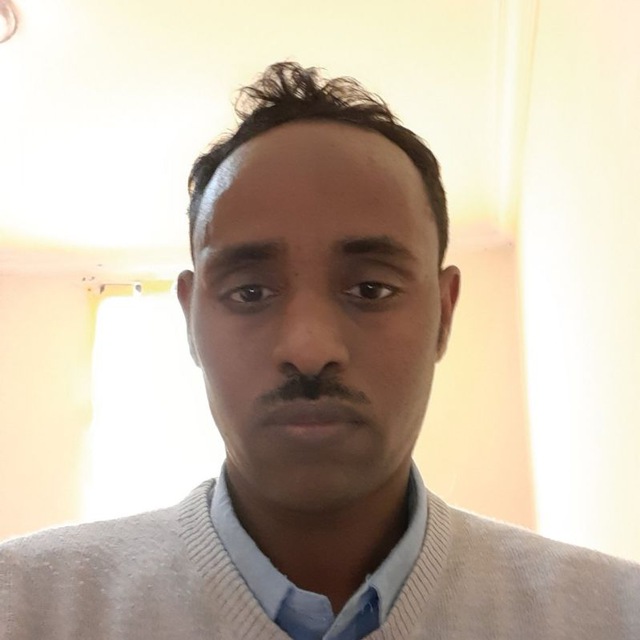
Semagn Abate
- Doctor of Philosophy (Health)
- semagn.abate@my.jcu.edu.au

Joseph Kamara
- Senior Lecturer Disaster Health and Humanitarian Assistance
- joseph.kamara@jcu.edu.au

Eric Kalo
- Lecturer Medical Education
- eric.kalo@jcu.edu.au
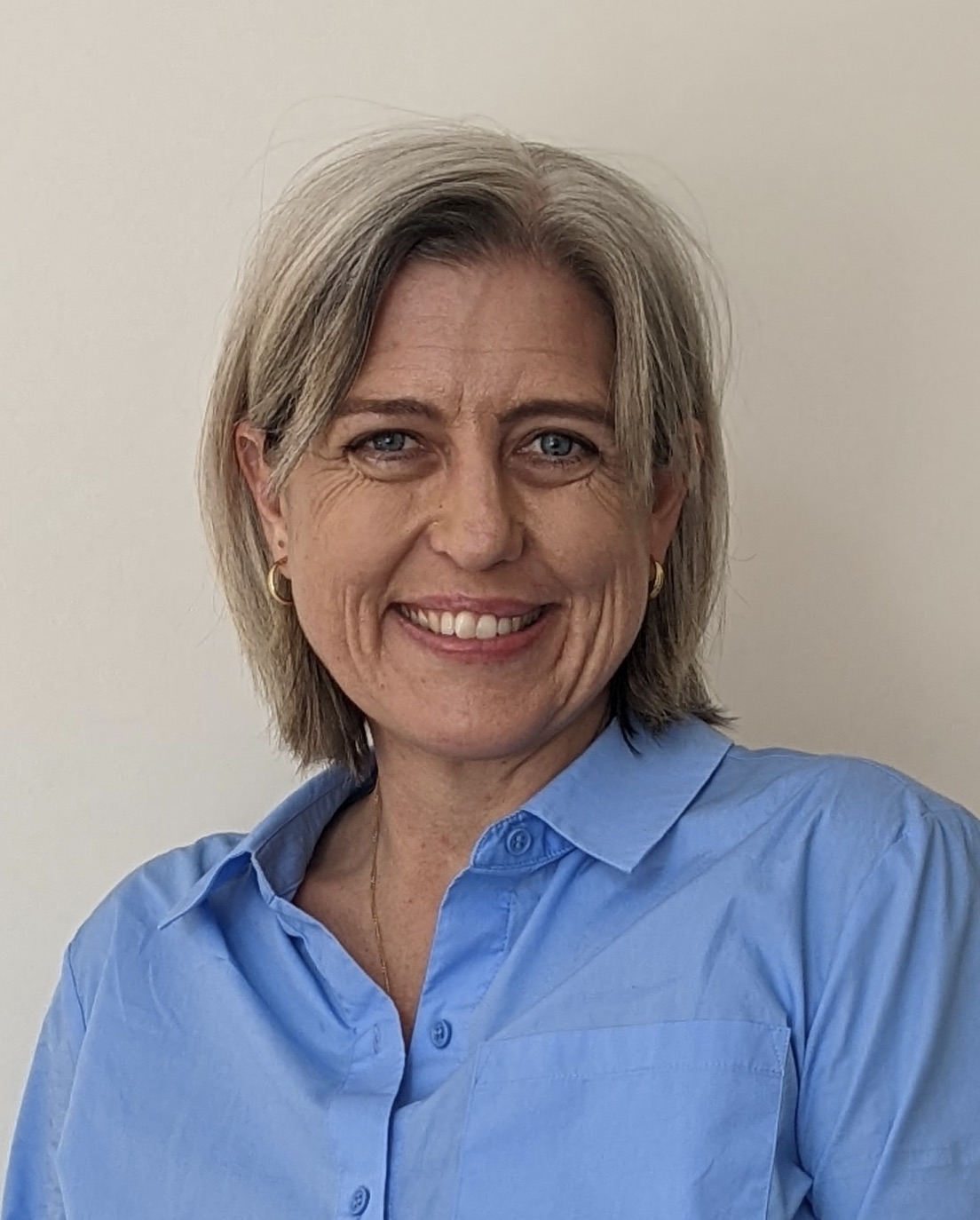
Erin Waters
- JCU Associate Professor
- erin.waters@jcu.edu.au
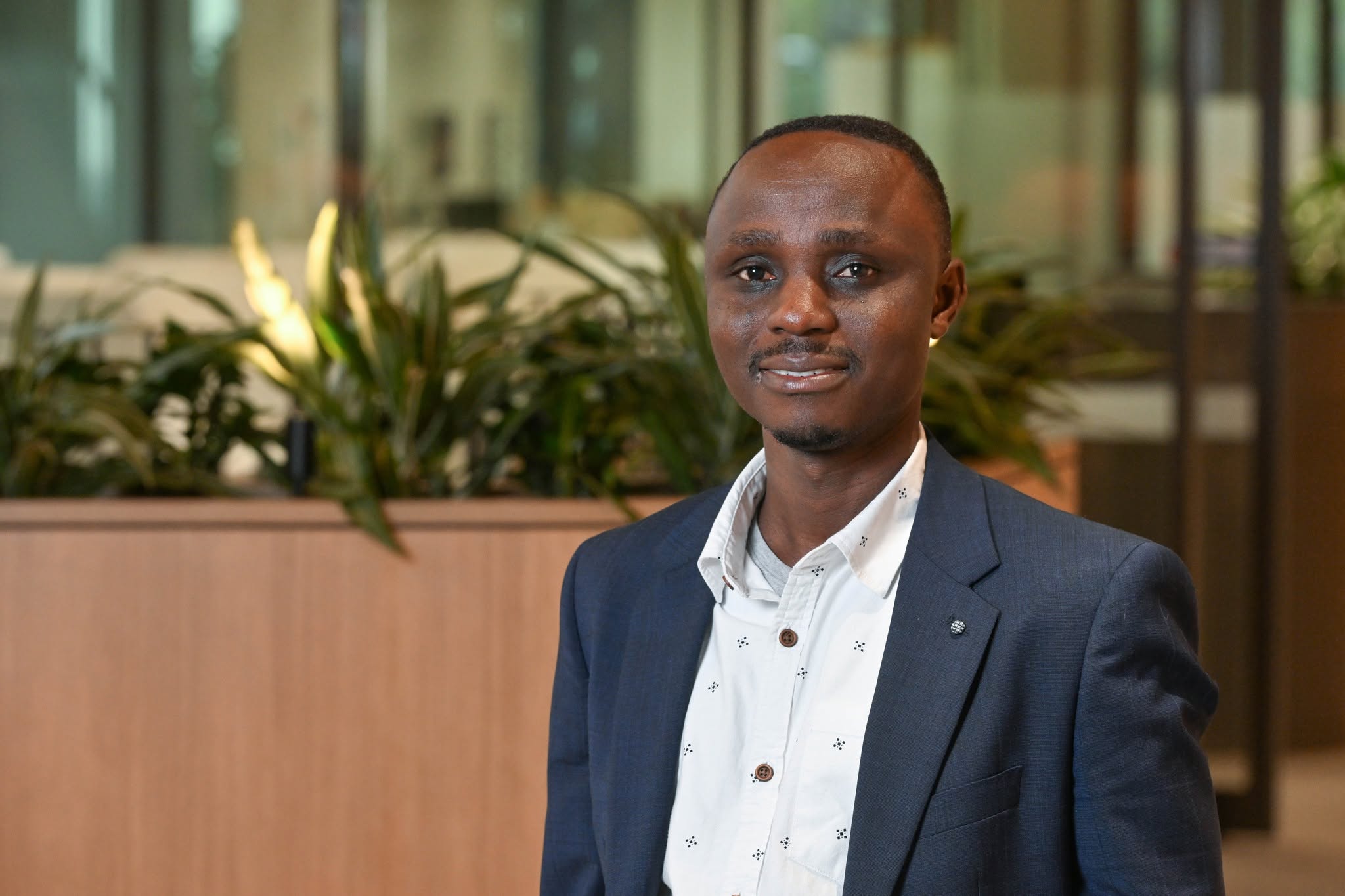
Dennis Asante
- Research Fellow
- dennis.asante@jcu.edu.au

Kannan Maharajan
- Associate Professor, Pharmacy
- kannan.maharajan@jcu.edu.au

Fahmida Begum Mina
- Doctor of Philosophy (Medical, Molecular and Veterinary Sciences)
- fahmidabegum.mina@my.jcu.edu.au
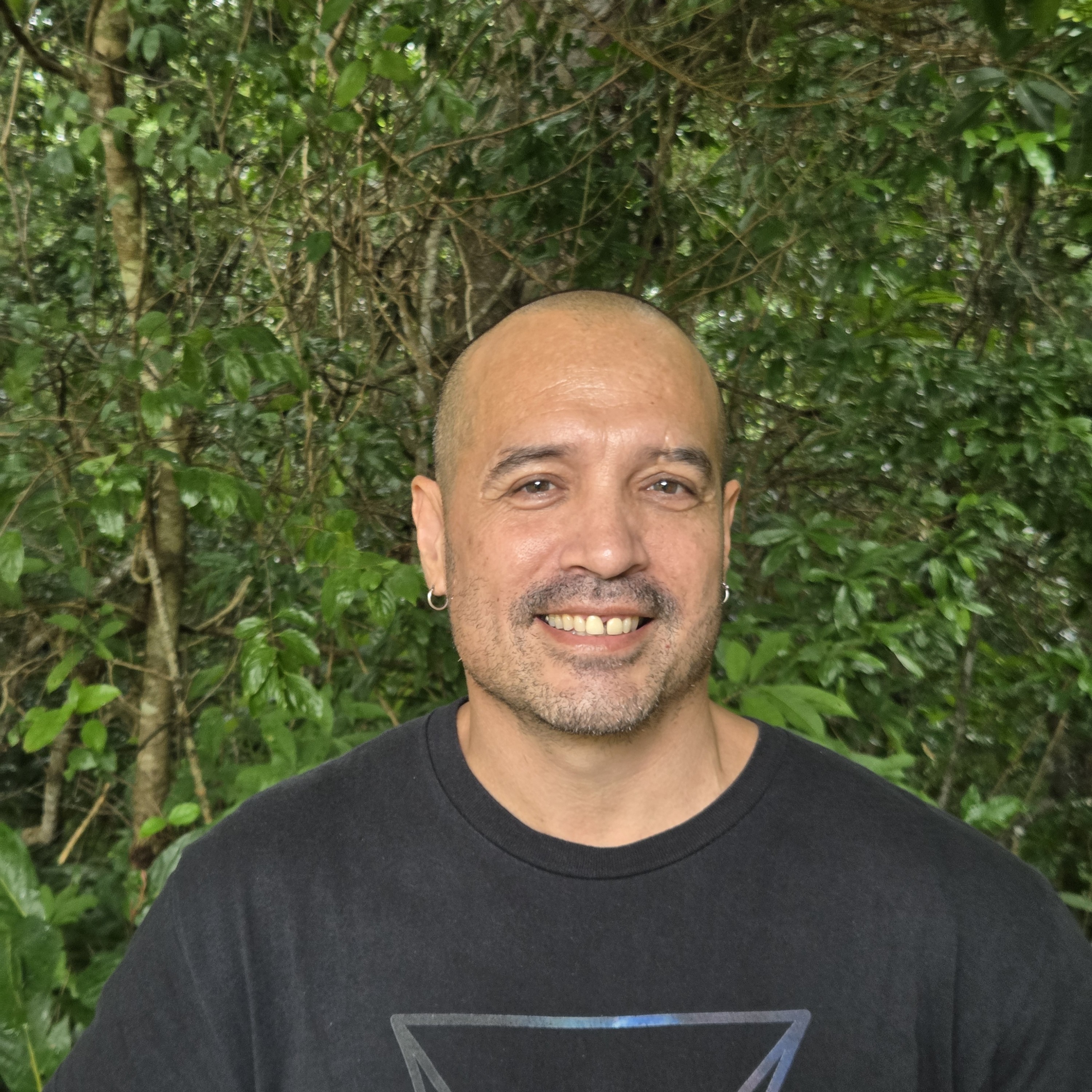
Kootsy Canuto
- Principal Research Fellow, Indigenous Men's Health Promotion
- kootsy.canuto@jcu.edu.au

Lynsey Brown
- Adjunct Senior Lecturer
- lynsey.brown@jcu.edu.au

Ali Isin
- Adjunct Senior Research Fellow
- ali.isin@jcu.edu.au
Outcomes of SGLT-2 Inhibitor induced Euglycaemic Diabetic Ketoacidosis in North Queensland Intensive Care Units: a Retrospective Cohort Study
This study will examine all ICU outcomes, including but not limited to; mortality, length of stay, use of ventilator, pertaining to SGLT-2 inhibitor induced
euglycaemic ketoacidosis over a period of 8 years at the nominated study sites. A secondary aim will be to compare these findings to ICU outcomes of
diabetic ketoacidosis patients, sex/age/co-morbidity matched. The data will be analysed to primarily determine differences between both groups, with the
aim to develop an understanding of the unique natural history and risk factors of euglycaemic ketoacidosis.
Understanding specificity and flexibility in coral symbioses
Coral health is underpinned by complex interactions between the host animal and its symbiotic partners, probably the most important of which are the photosynthetic alga. The interactions of reef-building corals with their photosymbionts are thought to be highly specific, but as yet the bases of this specificity and the nature of the dialogue that must occur during the establishment of a mutualistic relationship are unclear. By making use of model systems and recent advances in DNA sequencing technology, this study seeks to understand these molecular interactions, specifically in the context of some unique features on both sides of the interaction.
Melioidosis on the move: Informing the public health response.
Melioidosis is an often fatal infectious disease acquired from the environment and cases are rising in Australia. It mostly affects people living in regional locations who suffer from conditions like diabetes. Without the correct treatment, people die so awareness that this disease exists in communities is important for successful outcomes. This study will use innovative microbiology, genome and public health tools to detect and predict current and future melioidosis risk across the country
Efficacy of pressure pad vs pressure bandage immobilisation for snake bite first aid
Snakebite affects thousands of Australians annually, with fatalities rare due to effective first aid and prompt medical intervention. Optimal first aid should be straightforward, standardised, employ readily available resources, and be effectively administered with minimal or no formal training.
However, the efficacy of current Australian snakebite first aid protocols has been questioned, with emerging evidence suggesting potential harm from certain techniques. Moreover, there is a paucity of robust experimental data supporting current practices.
This research project aims to investigate and compare the efficacy of two first aid methods by tracking the dissemination of a simulated venom through a model system. This will provide crucial data to evaluate the suitability of existing Australian techniques and assess the effectiveness of a proposed simpler alternative.
Demonstrating the efficacy of this alternative approach would provide a strong foundation for revising current snakebite first aid recommendations
Sexual and Reproductive Health Co-design with Pacific Island Nation Farm Workers
Collaborating with CQU researcher Dr Haylee Fox to undertake co-design sessions in rural North Queensland with Pacific Island Farm Workers
Lowitja Foundation Grant in Support of PhD Candidate Jenifer Darr
PhD Candidate Ms Jenifer Darr received funding from the Lowitja Institute to conduct her research project on CQI in Aboriginal Community Controlled Services in Australia.
Parasitic Disease Wastewater Surveillance to Inform Public Health Action in Remote Northern Queensland
Intestinal parasites are chronic, preventable infectious diseases of poverty that disproportionately affect Aboriginal and Torres Strait Islander communities in northern Australia. Public Health Surveillance for these diseases is time-consuming, costly, difficult and intrusive, requiring faecal and blood testing of community members. This project will validate and pilot the use of wastewater testing for the surveillance of important intestinal parasites, including strongyloidiasis, whipworm, giardiasis, and amoebic dysentery infecting people in north Queensland. The use of wastewater sampling will augment the capacity for public health surveillance by facilitating time and cost-efficient parasitic disease surveillance simultaneously in multiple communities.
A pilot trial of combined hyperbaric oxygen therapy (HBOT) and a Lifestyle Medicine (LM) program for multimorbid conditions
Lifestyle Medicine is a rapidly emerging modality of treatment to optimise chronic disease management and prevention. Its application is underutilised in primary and tertiary healthcare with research showing low risk and great benefit with this non-conventional approach. Lifestyle medicine incorporates 6 pillars of health and wellbeing, including nutrition, physical activity, minimising stress, enhancing sleep, addressing addictive behaviours and maintaining community connectedness. Patients at the Department of Diving and Hyperbaric Medicine (DDHM) have treatment plans that are daily Hyperbaric Oxygen Therapy (HBOT) sessions undertaken in a compression chamber. The daily treatments can extended upwards of 4-8 weeks. The majority of patients have 2 or more chronic conditions (multimorbidity) and take 5 or more medications (polypharmacy). Multimorbidity and polypharmacy are known to increase non-adherence to medical advice, risk of side effects, cost to the patient and health system, and shorten quality and quantity of life. Lifestyle Medicine reduces severity of chronic disease and supports health and wellbeing, thereby reducing the overall burden of illness and its impact on the person and healthcare services. The DDHM provides the perfect opportunity for a patient-centred LM approach that can be attached to standard care with minimal interruption to services, staff, patients, or budget, with provision of a template that can be adapted to meet acceptability and feasibility feedback from participants and staff. The LM program supports the overaching goals of HBOT integration by supplementing a siloed approach to health provision with a LM group based program during standard patient care in the DDHM. This program will ideally enhance patient health, wellbeing and service satisfaction, plus support staff satisfaction through their involvement with provision of holistic health care.
Association of osteoprotegerin with human abdominal aortic aneurysm progression
- 2005
- American Heart Association
- Researchers:Jonathan Golledge
A simple plan: cnidarians and the origins of developmental mechanisms
- 2004
- Nature Publishing
- Researchers:David Miller
The role of hybridization in the evolution of reef corals
- 2006
- Annual Reviews
- Researchers:David Miller
Title:
Men are shaving off their eyelashes on TikTok, here's why that might be a bad idea, The Conversation
Start Date:
14 May 2025
Start Date:
15 May 2025
Start Date:
03 Jun 2025
Start Date:
01 Jan 2012
Title:
Grants Review
Start Date:
01 Jan 2024
End Date:
01 Jan 2024
Title:
Public Health Advocacy
Start Date:
01 Jan 2024
End Date:
01 Jan 2024
Start Date:
16 Jun 2025