
College of Medicine & Dentistry
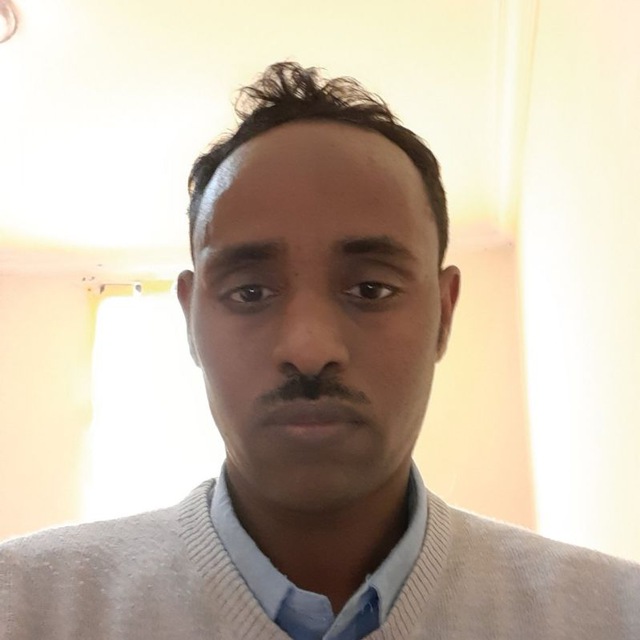
Semagn Abate
- Doctor of Philosophy (Health)
- semagn.abate@my.jcu.edu.au

Joseph Kamara
- Senior Lecturer Disaster Health and Humanitarian Assistance
- joseph.kamara@jcu.edu.au

Eric Kalo
- Lecturer Medical Education
- eric.kalo@jcu.edu.au
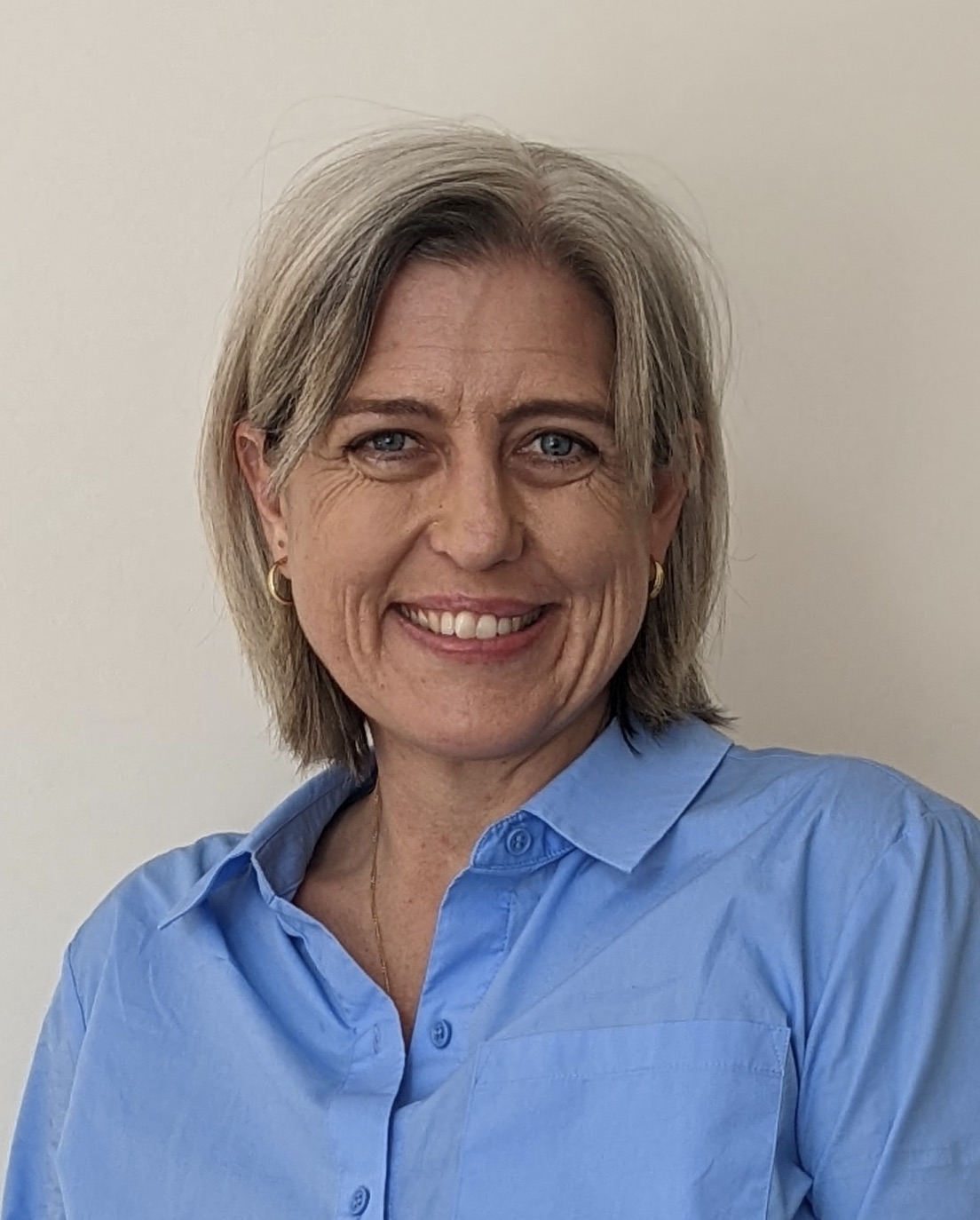
Erin Waters
- JCU Associate Professor
- erin.waters@jcu.edu.au
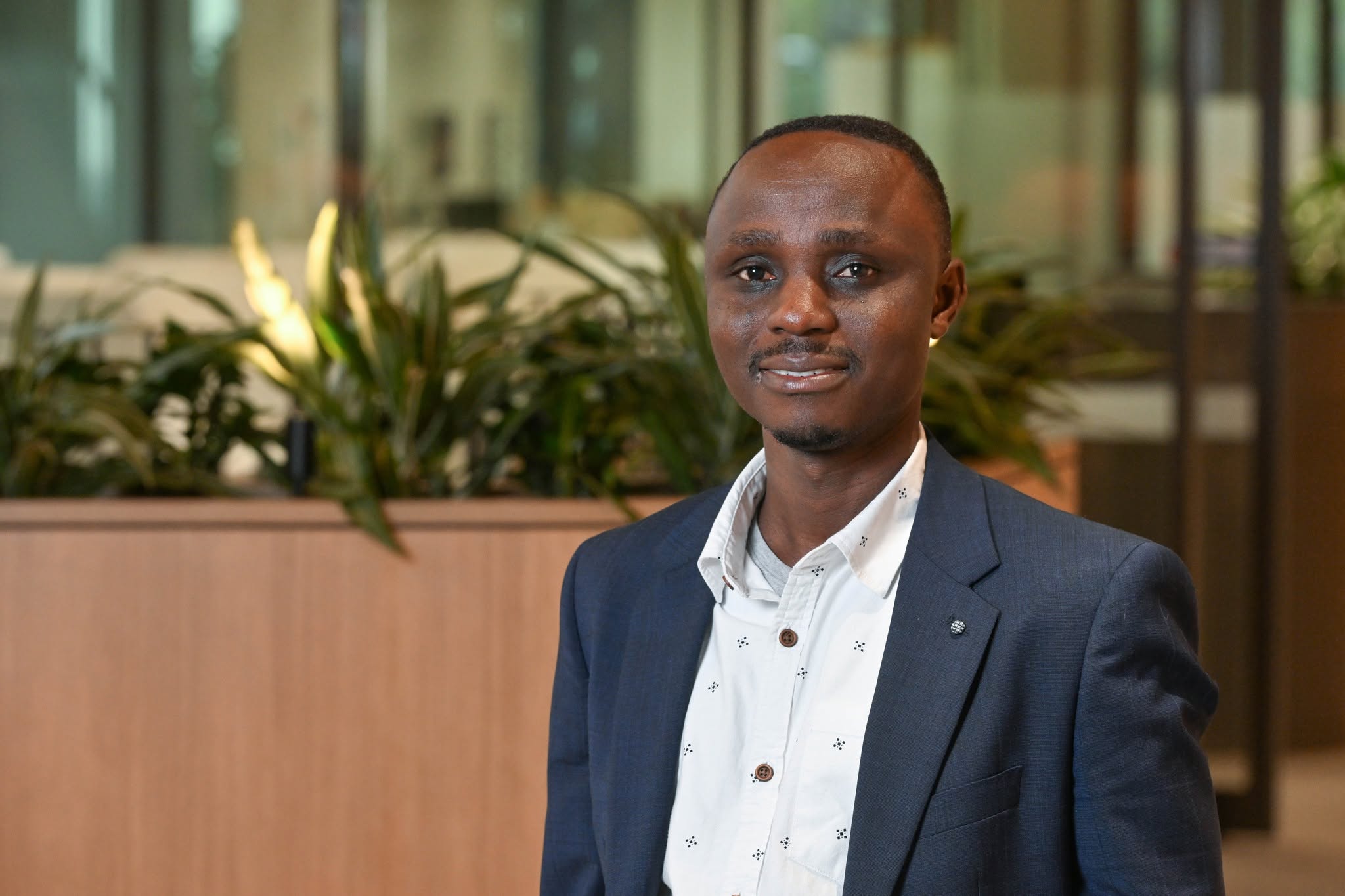
Dennis Asante
- Research Fellow
- dennis.asante@jcu.edu.au

Kannan Maharajan
- Associate Professor, Pharmacy
- kannan.maharajan@jcu.edu.au

Fahmida Begum Mina
- Doctor of Philosophy (Medical, Molecular and Veterinary Sciences)
- fahmidabegum.mina@my.jcu.edu.au
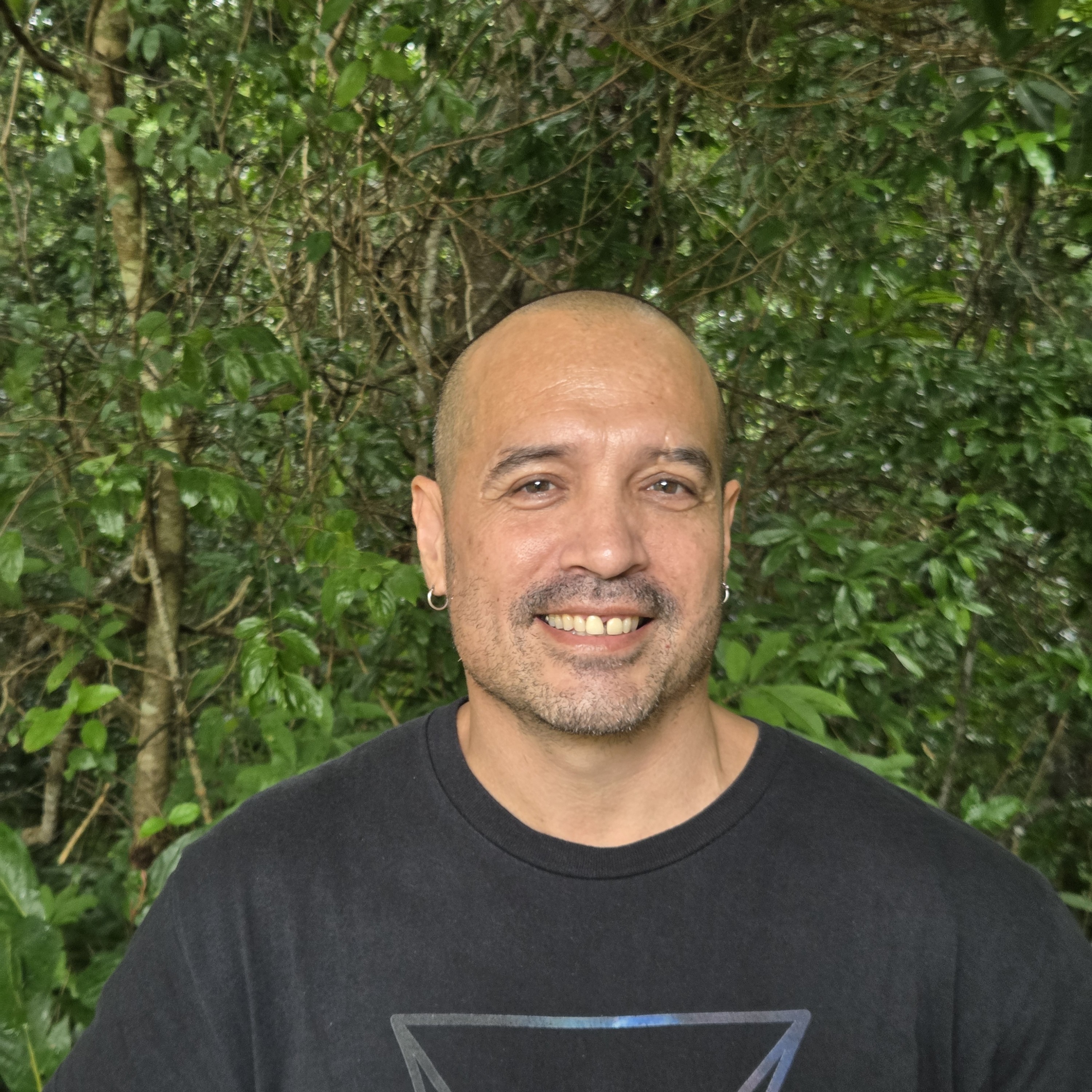
Kootsy Canuto
- Principal Research Fellow, Indigenous Men's Health Promotion
- kootsy.canuto@jcu.edu.au

Lynsey Brown
- Adjunct Senior Lecturer
- lynsey.brown@jcu.edu.au

Ali Isin
- Adjunct Senior Research Fellow
- ali.isin@jcu.edu.au
National Multidisciplinary Primary Care Research, Policy and Advocacy Consortium
Led by Professor Michael Kidd (UNSW/Oxford and CMO of the Federal Government) members of the National Multidisciplinary Primary Care Research, Policy and Advocacy Consortium (“The Consortium”) will work collaboratively to support future-focused ways of thinking about primary care delivered through multidisciplinary team (MDT)-based care. The Consortium will generate, coordinate, and disseminate knowledge on innovative models of MDT-based primary care that improve health outcomes for people living in all parts of Australia. The Consortium brings together consumers and expert partners from across the country to identify where, when, and how MDT-based primary care can meaningfully address challenges facing our health care system. The Consortium will be a major national resource that supports ongoing federal, state and territory programs of primary care reform, strengthens the evidence base on primary care service delivery and outcomes, and accelerates the translation of knowledge into improvements in clinical care, while also increasing nationwide primary care clinician researcher capacity.
The Living-well Club (TLC) at Southport Low Acuity Service Hotel (SPLASH)
The Living-well Club (TLC) at Southport Low Acuity Service Hotel (SPLASH) is a volunteer led social prescribing pilot to improve the biopsychosocial health of inpatients and staff. The pilot is being evaluated to address loneliness, health outcomes and satisfaction by providers and inpatients. The broader goal is to design an implementation framework that can be scaled to other low acuity facilities, such as aged care, community, and inpatient healthcare services.
Evaluation of student-led community rehabilitation and lifestyle service and Implementation of Nasal High Flow (Old ID 27090)
This research grant is to support two studies conducted in Weipa, Cape York. The first project is the “Evaluation and Implementation of a Student-led Community Rehabilitation and Lifestyle Service”, the second project is the “Implementation of Nasal High Flow (NHF): A remote context”. Both projects explore the effectiveness of service delivery to remote and Aboriginal and/or Torres Strait Islander people. Both projects explore the effectiveness of the delivery of novel health care interventions. The community rehabilitation project evaluates an innovative health workforce model that is providing a service for people experiencing the impact of non-communicable diseases (chronic disease) that previously didn’t have access to community rehabilitation.
Mechanisms determining Marfan syndrome severity (Old ID 27110)
Marfan syndrome (MFS), caused by defects in the protein fibrillin-1, has a wide spectrum of severity with symptoms affecting the heart, bones and eyes. The cause of this variation in severity is unclear. Severe, neonatal MFS and Beal's syndrome result from mutations in corresponding parts of the proteins fibrilin-1 and fibrillin-2. Using clues from these diseases, this project will use new cell engineering techniques to determine why some fibrillin mutations are more severe than others. The results are relevant not only to understanding MFS, but also to understanding how the tissues in our bodies are developed and maintained.
Consumer and Community Research Partnerships: Enabling capacity and strength in rural, regional, and remote northern Queensland health and medical research
Consumer and community involvement in health and medical research can meaningfully improve research and associated health outcomes by incorporating lived experience into a research project. Anecdotally, there is limited consumer and community involvement occurring in investigator-led research within hospitals and health services in northern Queensland. This research will explore the unique capabilities, opportunities, and motivations for consumer and community involvement in research among three northern Queensland rural, regional, and remote hospital and health services. Strategies will be identified to enable consumer and community involvement in research within these health services, prioritised by consumers, community members and health researchers. It is anticipated that strategies and learnings from this project can be adapted more broadly to northern Australia, particularly other rural, regional, and remote contexts.
Association of osteoprotegerin with human abdominal aortic aneurysm progression
- 2005
- American Heart Association
- Researchers:Jonathan Golledge
A simple plan: cnidarians and the origins of developmental mechanisms
- 2004
- Nature Publishing
- Researchers:David Miller
The role of hybridization in the evolution of reef corals
- 2006
- Annual Reviews
- Researchers:David Miller
Title:
Men are shaving off their eyelashes on TikTok, here's why that might be a bad idea, The Conversation
Start Date:
14 May 2025
Start Date:
15 May 2025
Start Date:
03 Jun 2025
Start Date:
01 Jan 2012
Title:
Grants Review
Start Date:
01 Jan 2024
End Date:
01 Jan 2024
Title:
Public Health Advocacy
Start Date:
01 Jan 2024
End Date:
01 Jan 2024
Start Date:
16 Jun 2025