
College of Medicine & Dentistry
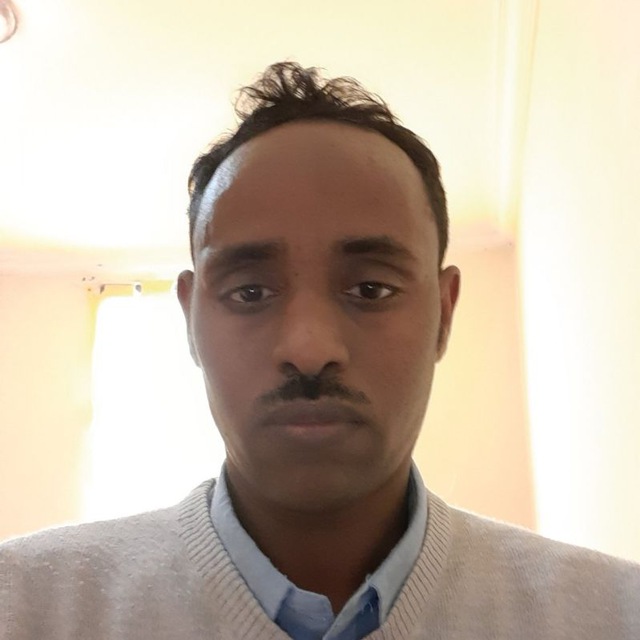
Semagn Abate
- Doctor of Philosophy (Health)
- semagn.abate@my.jcu.edu.au

Joseph Kamara
- Senior Lecturer Disaster Health and Humanitarian Assistance
- joseph.kamara@jcu.edu.au

Eric Kalo
- Lecturer Medical Education
- eric.kalo@jcu.edu.au
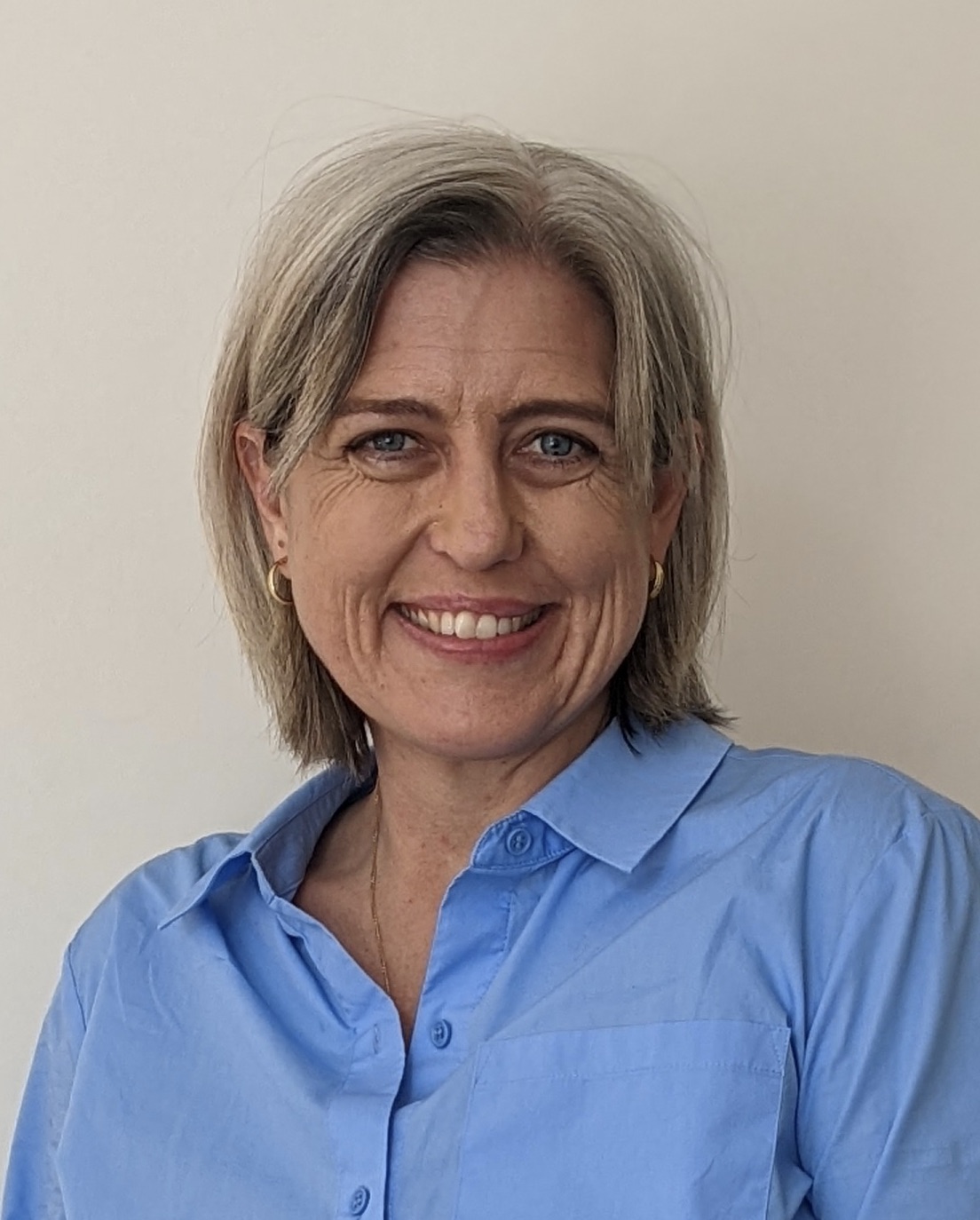
Erin Waters
- JCU Associate Professor
- erin.waters@jcu.edu.au

Kannan Maharajan
- Associate Professor, Pharmacy
- kannan.maharajan@jcu.edu.au

Fahmida Begum Mina
- Doctor of Philosophy (Medical, Molecular and Veterinary Sciences)
- fahmidabegum.mina@my.jcu.edu.au
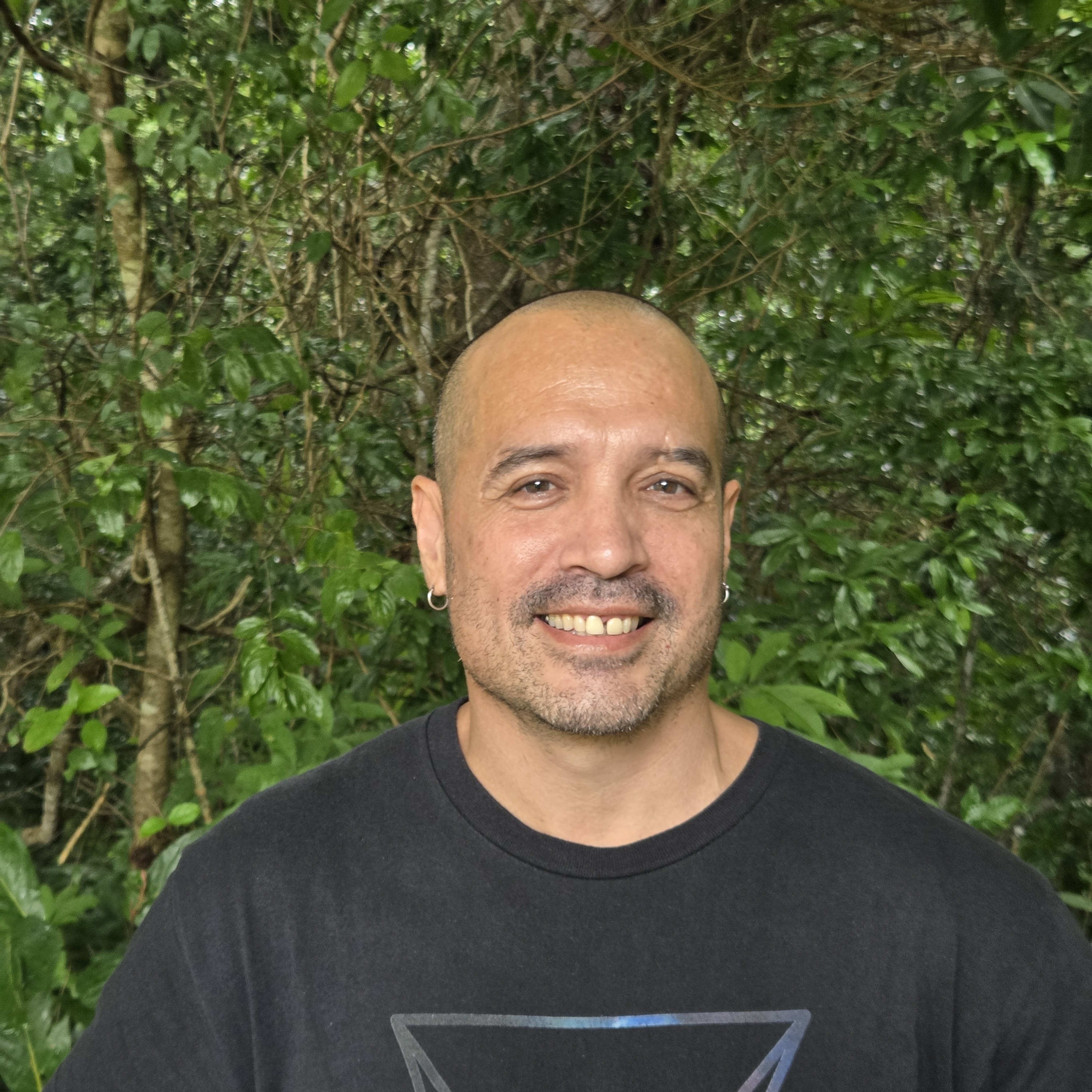
Kootsy Canuto
- Principal Research Fellow, Indigenous Men's Health Promotion
- kootsy.canuto@jcu.edu.au

Lynsey Brown
- Adjunct Senior Lecturer
- lynsey.brown@jcu.edu.au

Ali Isin
- Adjunct Senior Research Fellow
- ali.isin@jcu.edu.au

Muideen Olaiya
- Senior Research Fellow
- muideen.olaiya@jcu.edu.au
Peak Wall Stress as a prognostic indicator of abdominal Aortic Aneurysm rupture risk (Old ID 26250)
Abdominal Aortic Aneurysm (AAA) affects 20 million people worldwide and 100,000 people in Australia. Annually, AAA rupture leads to 200,000 deaths worldwide and 2000 deaths in Australia. In clinical practice, maximum AAA diameter is the preferred surrogate measure for disease progression and rupture risk, and is used to guide surgical intervention. Approximately 10% of AAAs will rupture before they reach the current threshold for repair, whereas 60% of large AAAs remain stable during their lifetime, suggesting that diameter alone is an imperfect tool to decide which AAAs require surgical intervention. The specific aims of the project are Aim 1: To investigate if PWS is greater in patients with ruptured compared to intact AAAs matched for diameter; Aim 2: To evaluate the impact of a common anti-hypertensive medication {Telmisartan) on PWS and rupture risk in patients with small AAAs.
Effect of Topical Sodium Thiosulphate on Healing of Chronic Foot Ulcers in Patients with Diabetic Foot Syndromne: A prospectie, randomised, double-blind, placebo-controlled pilot study. (Old ID 20914)
10% of diabetic patients develop chronic foot ulcers, an expensive compliction threatening life and liimbs. Foot pressure relief, wound debridement, infection control and hyperbaric oxygen therapy remain alternative options in the treatment of Diabetic Foot Syndrome (DFS) but successes are suboptimal and are expensive. Sodium thiosulphate (STS), an effective antiocidant and chelating agent for free radicals could prove useful in this regards. They have been found to be beneficial in treatment of woulds caused by calciphylaxis. We aim to sudy the effects of STS on ulcer healing this pilot study.
Clinical and Economic Impact of Telemedicine in Management of Diabetes Foot Ulcer in Rural/Remote areas of North Queensland: A Pilot Study (Old ID 21930)
Currently subjects with Diabetic foot ulcers living in rural/remote areas in the region have to travel long distances to Townsville Hospital Diabetes Centre (THDC) on a weekly basis for would care. The annual Medicare cost for care in patients with diabetes who have foot ulcer is 3 times, with inpatient care accounting for 70% of ulcer care costs. We aim to undertake a program that effectively manages foot ulcers and reduces hospital admissions could substantially reduce costs of care in diabetes. We plan to use telemedicine to help solve the scarcity of specialist diabetes would care in underserved communities.
The Metformin Aneurisym Trial (MAT) (Old ID 26382)
20 million people worldwide and 100,000 Australians have an abdominal aortic aneurysm (AAA). The main complication of AAA, aortic rupture, leads to 200,000 deaths/year worldwide. AAA prevalence and mortality rates in Australasia are 4-fold higher than the world average, so research to improve management is a key priorty. Most AAAs are detected when theya re small, when an effective treatment would prevent the need for surgery. There is currently no effective drug therapy for AA, and 70% of small AAAs grow to a size requiring surgical repair which carries inherent risks of death and major complications. A large amount of observational data from patients and laboratory models suggest that metformin may be an effective drug therapy for AAA. The metformin aneurysm trial (MAT) will be a large-scale, multi-centre randomised trail done as a collaboration between investigators in Australia, New Zealand, Swden and the United Kingdom across 55 sites over a 5 year trial period. Patients with AAA measuring between 39 and 49mmm in diameter will be enrolled over 24 months, assiged at random to 1500mn of metformin extended release (XR) or placebo each day followed for a mean of 3.5 years. The primary outcome will be AAA rupture or repair. The sample size of 1,954 will provide 90% pwer (p=0.05) to detect a 25% or greater reduction in the relative risk of the primary outcome. A positive finding from MAT would identify metformin as the first effective medical treatment for AAA. Since metformin is low cost, safe and available worldwide, the trial will have direct clinical implications for tens of millions of people around the world for whom no preventative therapy is currently available.
Exploration of cultural safety training and culturally safe practices by GP registrars when consulting with Indigenous patients. (Old ID 27420)
Developing a culturally safe workforce has been a long-held and enacted priority of JCU and JCU GP training to improve the health of Australian Aboriginal and Torres Strait Islander peoples. JCU GP training program is committed to the national priority of closing the gap between the health of Aboriginal and Torres Strait Islander peoples and non-Indigenous Australians. As such, JCU GP training deeply embeds the ACRRM Aboriginal and Torres Strait Islander core curriculum across all elements of training and workplace learning. This project aims to explore the impact of the JCU GP syllabus on the development of cultural safety. This includes examining registrars ongoing critical reflection of knowledge, skills, attitudes, practicing behaviours and power differentials in delivering safe, accessible, and responsive healthcare free of racism. Outcomes of the study will inform syllabus review and development, and further strengthening of current, positively contributing elements. Furthermore, this project will contribute to a larger project on “How can cultural safety, as determined by Australian Aboriginal and Torres Strait Islander people, be assessed amongst GP trainees?”
Exploration of cultural safety training and culturally safe practices by GP registrars when consulting with Indigenous patients. (Old ID 27420)
Developing a culturally safe workforce has been a long-held and enacted priority of JCU and JCU GP training to improve the health of Australian Aboriginal and Torres Strait Islander peoples. JCU GP training program is committed to the national priority of closing the gap between the health of Aboriginal and Torres Strait Islander peoples and non-Indigenous Australians. As such, JCU GP training deeply embeds the ACRRM Aboriginal and Torres Strait Islander core curriculum across all elements of training and workplace learning. This project aims to explore the impact of the JCU GP syllabus on the development of cultural safety. This includes examining registrars ongoing critical reflection of knowledge, skills, attitudes, practicing behaviours and power differentials in delivering safe, accessible, and responsive healthcare free of racism. Outcomes of the study will inform syllabus review and development, and further strengthening of current, positively contributing elements. Furthermore, this project will contribute to a larger project on “How can cultural safety, as determined by Australian Aboriginal and Torres Strait Islander people, be assessed amongst GP trainees?”
Implementation of quality improvement in Indigenous primary health care: Leveraging Effective Ambulatory Practices (LEAP) (Old ID 23468)
Despite increased policy attention and funding, not all primary healthcare (PHC) services for Indigenous Australians show the desired improvements in quality of care. Practices which provide PHC services are complex systems and emerging evidence indicates many things affect quality improvement. There remains a knowledge gap regarding what is required for Indigenous PHCs to succeed in improving the quality of their services and, subsequently, health outcomes for their patients. This project will capitalise on emerging research and existing strong partnerships to provide a solid evidence base for interventions to improve quality of priority health services in Indigenous PHC settings.
Implementation of quality improvement in Indigenous primary health care: Leveraging Effective Ambulatory Practices (LEAP) (Old ID 23468)
Despite increased policy attention and funding, not all primary healthcare (PHC) services for Indigenous Australians show the desired improvements in quality of care. Practices which provide PHC services are complex systems and emerging evidence indicates many things affect quality improvement. There remains a knowledge gap regarding what is required for Indigenous PHCs to succeed in improving the quality of their services and, subsequently, health outcomes for their patients. This project will capitalise on emerging research and existing strong partnerships to provide a solid evidence base for interventions to improve quality of priority health services in Indigenous PHC settings.
Precision medicine for North Queensland Liver Cancer Patients. (Old ID 27477)
Hepatocellular carcinoma (HCC) is an aggressive and poorly treated liver cancer that is rapidly increasing in incidence in North Queensland. Most patients are ineligible to have their cancer surgically removed, and new systemic therapeutics only extend patient lives by six to eight months. Thus, new treatment approaches are urgently required. Through the collaboration of surgeons, scientists and bioinformaticians we are developing Precision Medicine for North Queensland Liver Cancer Patients. Using bioinformatics and three dimensional culture models we will trial novel therapeutic approaches. This research will rapidly lead to new therapeutic approaches to treat HCC.
Community led development, climate resilience and conservation in East Malaita (Old ID 26903)
Baru Conservation Alliance (BCA) was established a registered Non-Government Organisation in 2019 by leaders from East Kwaio, Malaita, Solomon Islands to coordinate ecological and cultural conservation in their tribal lands. This includes the holistic health and wellbeing of plants, animals and people living in prescribed conservation areas. This project, funded by the Australian High Commission in Solomon Islands allows JCU and the Australian Museum to build sustainable scientific and management capacities with the fledgling organisation. The project will support a series of local JCU supported projects within conservation areas that include TB, water and sanitation, reproductive health, community education and reforestation.
Regenerating lizard tails: A new model for investigating lymphangiogenesis
- 2003
- Researchers:Suzy Munns
Association of osteoprotegerin with human abdominal aortic aneurysm progression
- 2005
- American Heart Association
- Researchers:Jonathan Golledge
A simple plan: cnidarians and the origins of developmental mechanisms
- 2004
- Nature Publishing
- Researchers:David Miller
Start Date:
01 Jan 2012
End Date:
01 Jan 2017
Title:
Member
Start Date:
01 Jan 2024
Title:
Chair
Start Date:
01 Jan 2023
Title:
PhD, James Cook University
Start Date:
01 Jan 2021
Start Date:
01 Jan 2020