
College of Medicine & Dentistry
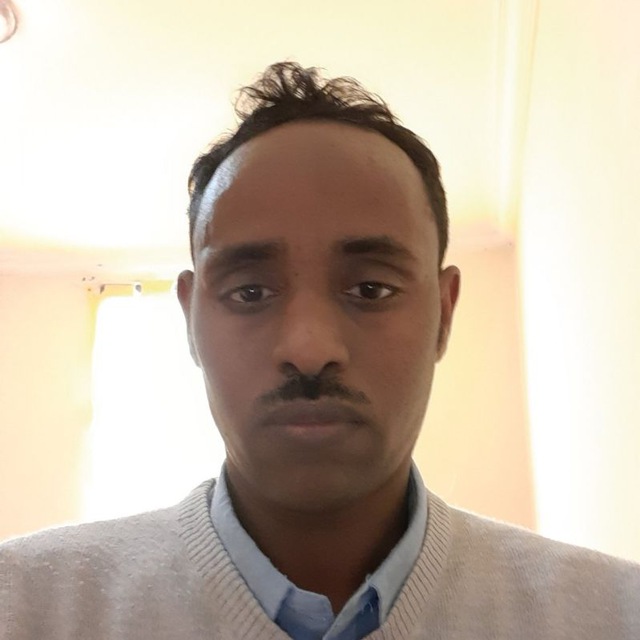
Semagn Abate
- Doctor of Philosophy (Health)
- semagn.abate@my.jcu.edu.au

Joseph Kamara
- Senior Lecturer Disaster Health and Humanitarian Assistance
- joseph.kamara@jcu.edu.au

Eric Kalo
- Lecturer Medical Education
- eric.kalo@jcu.edu.au
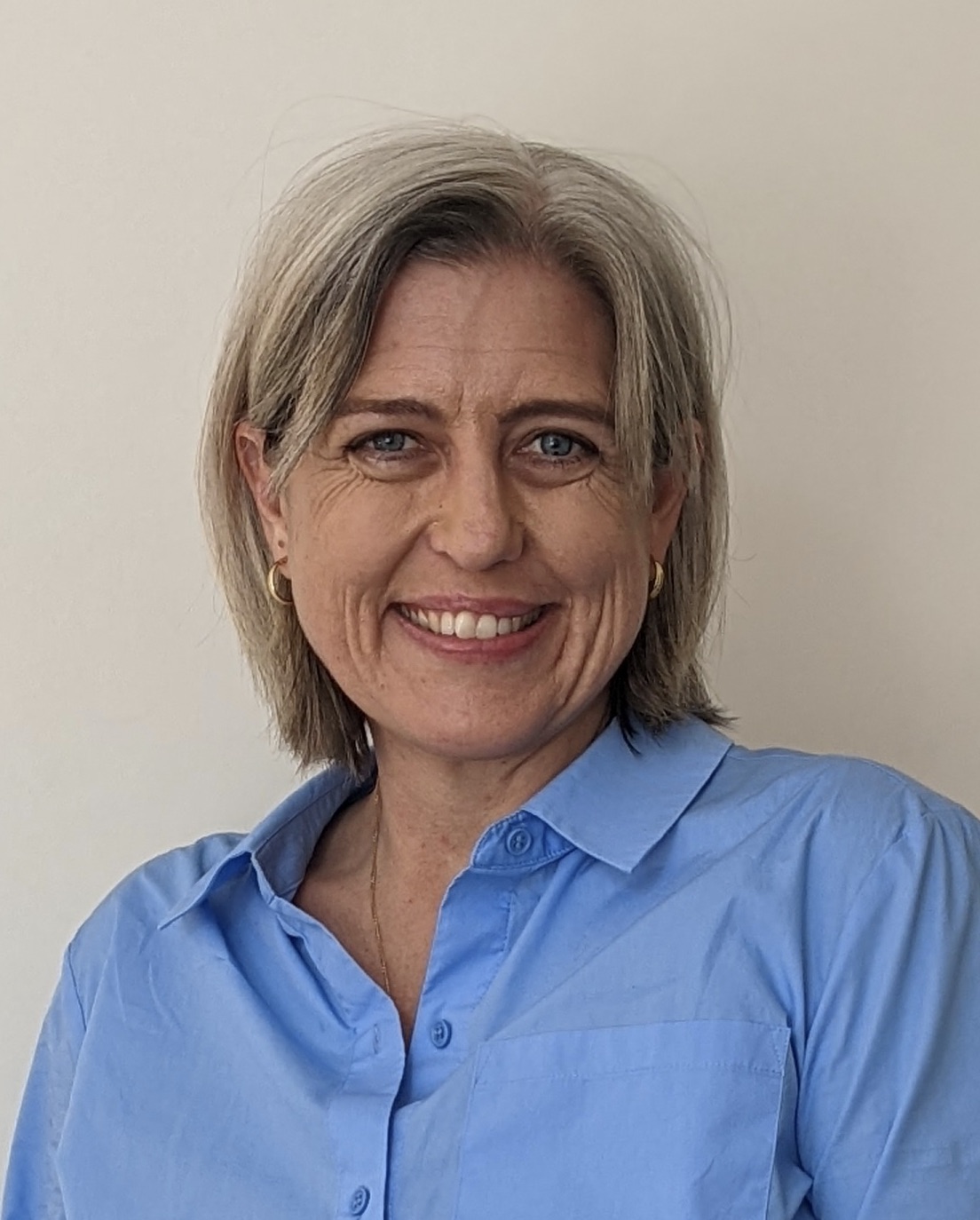
Erin Waters
- JCU Associate Professor
- erin.waters@jcu.edu.au

Kannan Maharajan
- Associate Professor, Pharmacy
- kannan.maharajan@jcu.edu.au

Fahmida Begum Mina
- Doctor of Philosophy (Medical, Molecular and Veterinary Sciences)
- fahmidabegum.mina@my.jcu.edu.au

Lynsey Brown
- Adjunct Senior Lecturer
- lynsey.brown@jcu.edu.au

Ali Isin
- Adjunct Senior Research Fellow
- ali.isin@jcu.edu.au

Muideen Olaiya
- Senior Research Fellow
- muideen.olaiya@jcu.edu.au

Mila Grinblat
- Postdoctoral Research Fellow
- mila.grinblat@jcu.edu.au
Working it Out Together! Aboriginal and Torres Strait Islander led co-design for a strong and deadly health workforce (Old ID 27074)
Karen Carlisle
01 Sep 2021 - 31 Aug 2026
Building a stable, well-trained and culturally safe health workforce is a crucial part of delivering high quality primary health care (PHC) services. Previous attempts to strengthen rural/remote health workforce have failed, partly because they have not integrated Aboriginal and Torres Strait Islander knowledge and lived experience with necessary policy and systems support. There has been little research into culturally safe strategies to improve workforce stability in complex PHC context. This project will bridge these gaps through a community-led, place-based planning approach, engaging service providers, policy-makers and funders to co-design workforce strategies and models of care that are locally relevant, successful and sustainable. This community-based participatory project uses a mixed methods quasi-experimental pre-post design to implement co-designed actions to explore: How do we systematically embed Aboriginal and Torres Strait Islander perspectives into place-based planning and action for a stable and effective workforce that engenders community trust in local PHC delivery? Working with key sector partners in four service-based rural/remote clusters across Qld, NT and NSW, we will co-design and trial strategies to strengthen workforce competency and stability (by strengthening local career pathways for Indigenous people and strengthening cultural competency of non-Indigenous staff), and use community-centred impact and economic evaluation. Our team is majority Aboriginal and Torres Strait Islander and builds on relationships and learnings developed through our ongoing PHC system improvement work. Each jurisdictional team comprises a local Indigenous PHC service, community-controlled peak body, primary health network, government health department and university partner. This optimal mix will ensure successful implementation of sustainable strategies and translation into policy and practice for improved community access to quality PHC and health outcomes.
Working it Out Together! Aboriginal and Torres Strait Islander led co-design for a strong and deadly health workforce (Old ID 27074)
Michelle Redman-MacLaren
01 Sep 2021 - 31 Aug 2026
Building a stable, well-trained and culturally safe health workforce is a crucial part of delivering high quality primary health care (PHC) services. Previous attempts to strengthen rural/remote health workforce have failed, partly because they have not integrated Aboriginal and Torres Strait Islander knowledge and lived experience with necessary policy and systems support. There has been little research into culturally safe strategies to improve workforce stability in complex PHC context. This project will bridge these gaps through a community-led, place-based planning approach, engaging service providers, policy-makers and funders to co-design workforce strategies and models of care that are locally relevant, successful and sustainable. This community-based participatory project uses a mixed methods quasi-experimental pre-post design to implement co-designed actions to explore: How do we systematically embed Aboriginal and Torres Strait Islander perspectives into place-based planning and action for a stable and effective workforce that engenders community trust in local PHC delivery? Working with key sector partners in four service-based rural/remote clusters across Qld, NT and NSW, we will co-design and trial strategies to strengthen workforce competency and stability (by strengthening local career pathways for Indigenous people and strengthening cultural competency of non-Indigenous staff), and use community-centred impact and economic evaluation. Our team is majority Aboriginal and Torres Strait Islander and builds on relationships and learnings developed through our ongoing PHC system improvement work. Each jurisdictional team comprises a local Indigenous PHC service, community-controlled peak body, primary health network, government health department and university partner. This optimal mix will ensure successful implementation of sustainable strategies and translation into policy and practice for improved community access to quality PHC and health outcomes.
Optimisation of Ultra-Small Volume Adenosine, Lidocaine and Mg2+ (ALM) Fluid Resuscitation and 72hr Stabilisation Drip for Uncontrolled Haemorrhage and TBI (Old ID 23011)
Hayley Letson
26 Sep 2016 - 25 Dec 2020
The resuscitation and stabilisation properties of ALM 'one-two treatment' will be investigated in rats after uncontrolled blood loss ± traumatic brain injury, and a translational arm in pigs followed for 72hrs to mimic prolonged far-forward retrieval delays. The aim is to show improved survival is associated with improved cardiac function, reduced inflammation, less coagulopathy and less secondary 'it' complications. The ALM therapy has the potential to reduce morbidity and mortality on the battlefield by buying time for treatment, stabilisation and preparedness of causalities for safer evacuation. The study also has broad-spectrum public purpose for pre-hospital trauma and aeromedical transport.
Developing innovative approaches to preventing diabetes-related foot disease (Old ID 26874)
Rebecca Evans
01 Jun 2020 - 30 Jun 2022
This project aims to obtain insight into stakeholders’ opinions and priorities regarding appropriate prevention methods for diabetes related foot disease (DFD) and how these are best delivered to effectively prevent it. Ultimately, this intends to achieve an enduring partnership between researchers and key stakeholders to facilitate the co-design of an effective DFD prevention program.
(COMFITE) Efficacy, acceptability and adherence with custom-made footwear in people with a history of diabetes-related foot disease. (Old ID 26968)
Joseph Moxon
01 Jan 2021 - 12 Dec 2022
Approximately 8% (n=80,000) of Northern Australians have diabetes of whom about a quarter (n=20,000) will develop foot disease putting them at risk of amputation and death and costing ~$24 million each year. The most common cause of diabetes-related foot complications is excessive pressure on an area of an insensate foot. Footwear designed to limit pressure on the feet has been shown to reduce the risk of foot ulcers. The most appropriate type of footwear is however unknown. This pilot clinical trial examines the efficacy and acceptability of footwear designed to the shape of an individuals’ feet using three-dimensional printing.
Assessment of Renal Function in Neonates and infants using Cystatin C. (Old ID 27135)
Donna Rudd
26 Feb 2021 - 31 Dec 2022
Diagnosis of early acute kidney injury (AKI) can prevent renal failure in babies (<2 years of age). This non-invasive method validation study will utilise parallel alternative method testing for renal function tests, to examine the clinical applicability and accuracy of implementing Cystatin-C (Cys-C), as a preferred biomarker for early AKI by: (1) determining if Cys-C is a more sensitive marker of impaired renal function and decline compared to serum creatinine in this cohort; (2) determine if eGFR derived from Cys-C is a more sensitive predictor of renal function decline; and (3) produce a clinical reference range for Cys-C for this cohort.
ADAPTTS - App-Based Diet and Physical Activity Tools for the Torres Strait (Old ID 27530)
Rachel Quigley
01 Mar 2022 - 01 Mar 2024
The aim of this project is to develop and validate dietary and physical activity assessment tools for use in the Torres Strait. Having culturally appropriate assessment tools embedded in primary health care services will facilitate appropriate identification and referral for at risk patients. This will promote best practice care in the region leading to better health outcomes and improved service delivery for the benefit of Torres Strait Islanders living in Far North Queensland. The project also is a collaboration between researchers at JCU Healthy Ageing Research Team (HART), clinical staff in TCHHS and local NGOs based in the Torres Strait.
Developing culturally appropriate assessments for people with dementia (Old ID 28929)
Rachel Quigley
01 Apr 2022 - 31 Dec 2023
This study's aim is to develop culturally appropriate measures of anxiety and depression for older adults living with dementia in the Torres Strait. This is of significance given high rates of psychological distress identified in First Nations peoples. Outcomes from the study will (1) improve the accurate and timely diagnosis of comorbid psychological conditions in people with dementia; and (2) clarify differential diagnosis of dementia in older Torres Strait adults. Having culturally appropriate tools will facilitate equity of assessment for treatment within an underserved and disadvantaged group and ensure appropriate treatment and management within this vulnerable population of older adults.
Modelling future testing needs for SARS-CoV-2 (Old ID 27032)
Michael Meehan
21 Oct 2020 - 22 Oct 2020
The Project will enable greater understanding of the current and projected future testing demand for severe acute respiratory acute syndrome coronavirus 2 (SARS-CoV-2), the virus that causes coronavirus 2019 (COVID-19) in Australia. The scope of this project is limited to assessing the demand for laboratory based, or near patient point-of-care, polymerase chain reaction (PCR) testing, the gold standard test to diagnose COVID-19.
Proposed development of revised framework for operational and implementation research in health and disease control programmes. (Old ID 27222)
Michelle Redman-MacLaren
26 Apr 2021 - 24 Sep 2021
Strong, responsive and resilient health systems are the critical foundation for global health security. Health systems depend on effective functioning of both people and networks in order to implement effective disease control programmes, detect and respond quickly to infectious disease threats and develop evidence-informed policy/practice. The purpose of this work is to develop a revised framework for operational and implementation research (OR/IR) in health and disease control programs. This framework can be used to develop adequate and sustainable OR/IR capacity in public health programs and create an organisational culture of policy and practice that is informed by evidence-informed decision making.
Regenerating lizard tails: A new model for investigating lymphangiogenesis
- 2003
- Researchers:Suzy Munns
Association of osteoprotegerin with human abdominal aortic aneurysm progression
- 2005
- American Heart Association
- Researchers:Jonathan Golledge
A simple plan: cnidarians and the origins of developmental mechanisms
- 2004
- Nature Publishing
- Researchers:David Miller
Start Date:
01 Jan 2024
Start Date:
12 Jan 2024
End Date:
01 Jan 2020
Start Date:
01 Jan 2015
End Date:
01 Jan 2015
Start Date:
01 Jan 2004
End Date:
01 Jan 2009
Start Date:
01 Jan 2018
Start Date:
01 Jan 2018
Start Date:
01 Jan 2017
Start Date:
01 Jan 2017
Start Date:
01 Jan 2016