
Earth & Environmental Sciences
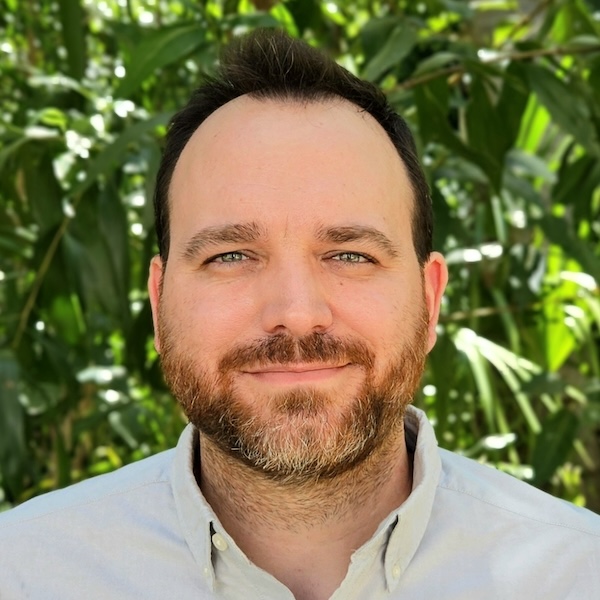
Romain Vaucher
- Senior Lecturer, Sedimentology
- romain.vaucher@jcu.edu.au
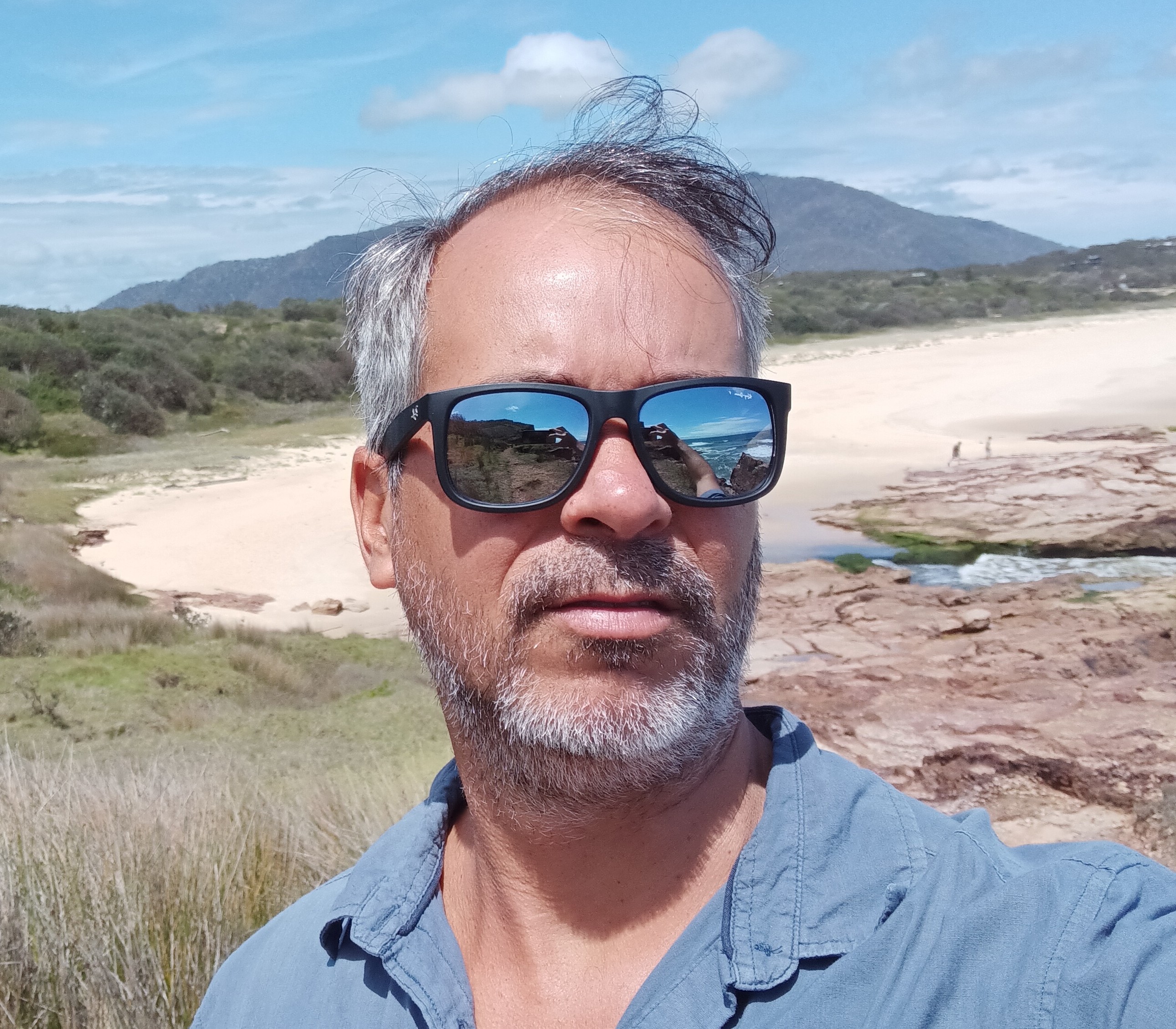
Rafael Cabral Carvalho
- Lecturer, Marine Geoscience
- rafael.cabralcarvalho@jcu.edu.au

Youseph Ibrahim
- Lecturer, Geoscience
- youseph.ibrahim@jcu.edu.au
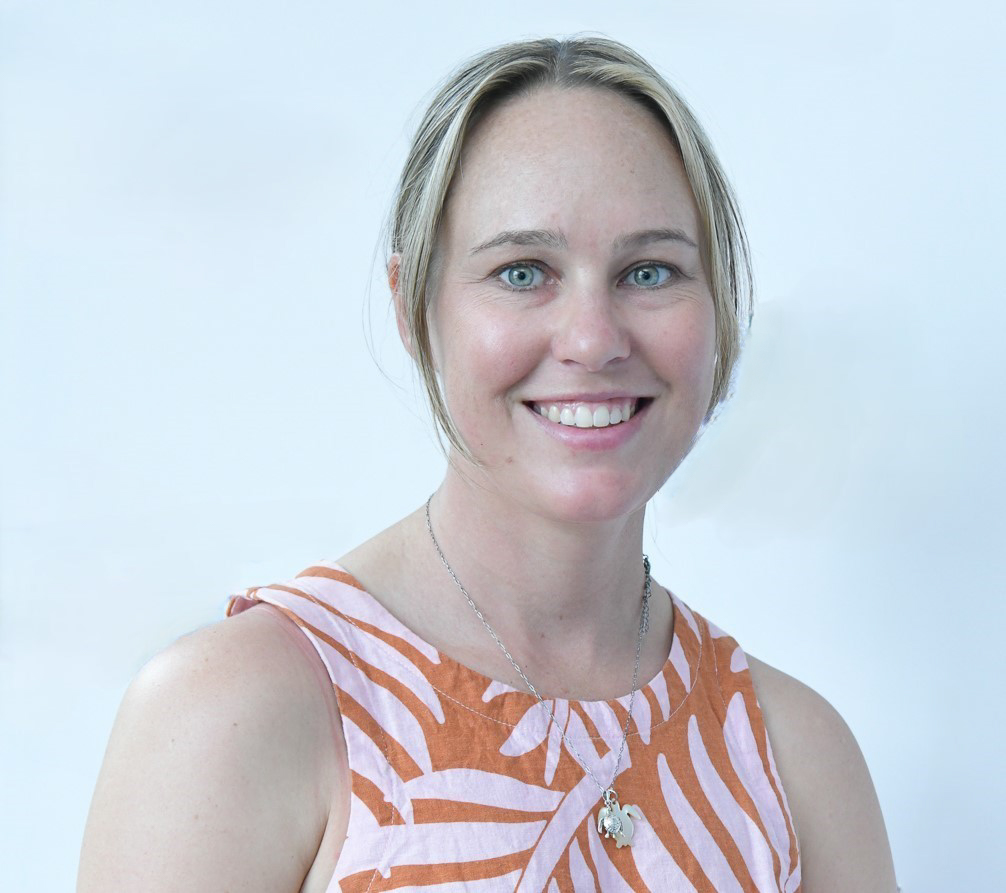
Natalie Robson
- Postdoctoral Research Fellow, Land and Sea Management
- natalie.robson@jcu.edu.au
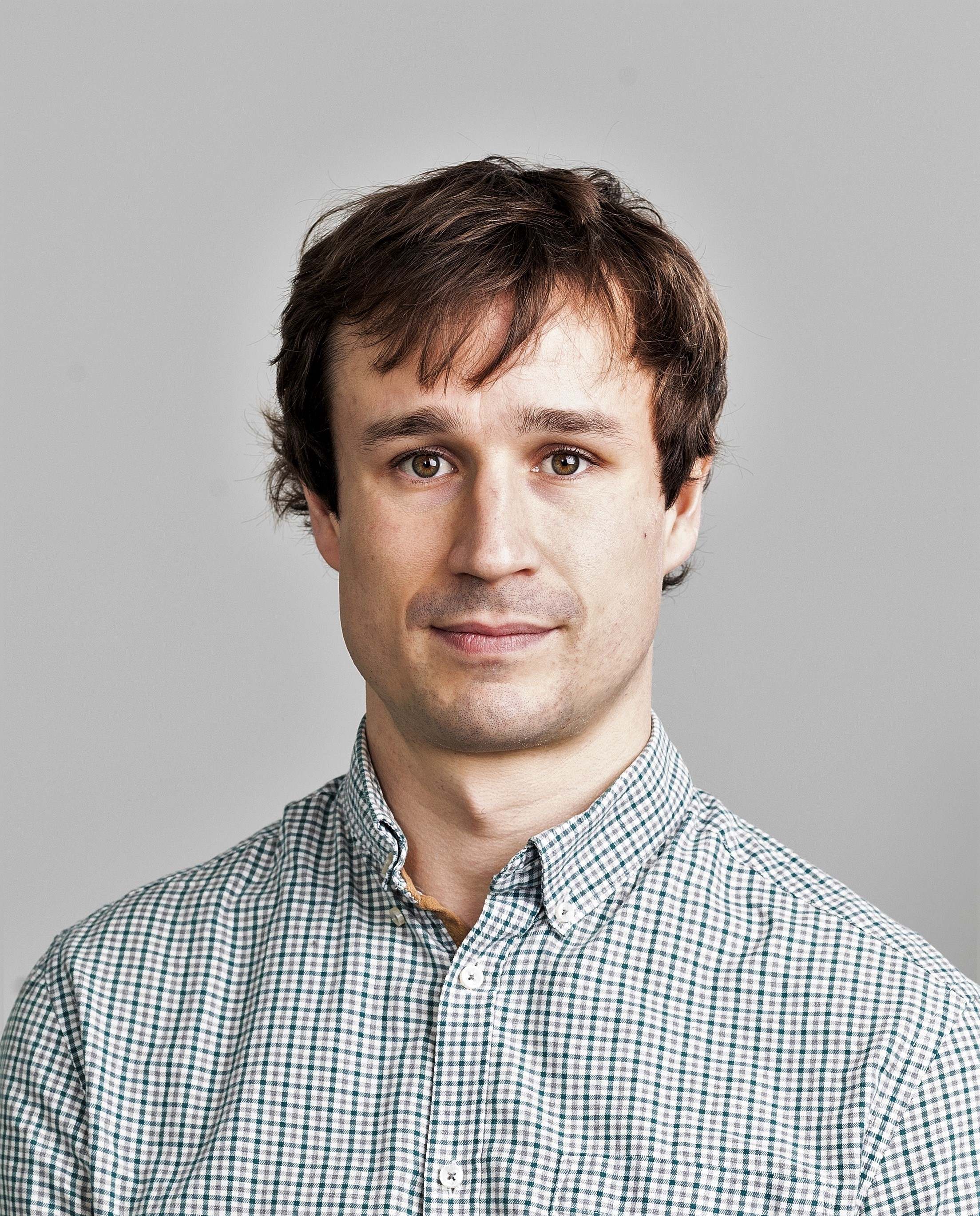
Alexandre Wadoux
- Lecturer, Soil Science
- alexandre.wadoux@jcu.edu.au
Alica Hoess
- Postdoctoral Research Fellow, Neutron Tomography Scanner
- alica.hoess@jcu.edu.au

Phoebe Stewart-Sinclair
- Lecturer, Environmental Science
- phoebe.stewartsinclair@jcu.edu.au
Bethany Smith
- Postdoctoral Research Fellow
- bethany.smith1@jcu.edu.au

Brandon Mahan
- Adjunct Senior Lecturer
- brandon.mahan@jcu.edu.au
Hannah Green
- Research Officer
- hannah.green@jcu.edu.au
Architecture of the hanging wall shear zone and faults affecting the ore zone at Dugald River Mine (Old ID 26246)
This is a PhD project to develop a better understanding of the larger scale geometry of the shear zone and fault system that occur within the immediate hanging wall of the zinc-sulphide ore body in Dugald River Mine, near Cloncurry, NW Queensland. We aim to understand how shear controls the distribution of the ore zone both from a genetic and mechanical (displacement and remobilization) perspective, to optimize ore recovery in a predictive manner.
Combined U-Pb zircon geochronology & Lu-Hf analysis of Jurassic-Cretaceous volcanics and sandstones from the Lord Howe Rise and Queensland Plateau, Australia (Old ID 22185)
We prosed to combine zircon geochronology on putative Cretaceous volcanics reported in the DSDP Leg 21-207 and combine this with more ambitious dual Lu-Hf isotope and U-Pb isotope analysis on detrital zircons collected from a suite of Cretaceous and Paleogene sedimentary rock samples in cores from DSDP Leg 21-206, 207, 208 and 209. This approach is designed to identify the distribution of ages and geochemical signatures associated with earlies Cretaceous-Jurassic age detrital zircons (and volcanics) in order to better understand the timing of Cretaceous-Jurassic volcanism, the possible provenance of Cretaceous-Jurassic volcanic sources and to glean a better understanding of the nature of the magmatism during the Jurassic and Early Cretaceous along eastern Australia.
A national facility for the analysis of pyrogenic carbon (Old ID 23352)
This project will develop a National Facility for Pyrogenic Carbon Analysis. Pyrogenic carbon (biochar, soot, charcoal, black carbon) is a poorly constrained, slow-cycling terrestrial carbon pool with significant carbon sequestration potential. It is also an important source of palaeoenvironmental and geochronological information. We will expand newly developed hydrogen pyrolysis analytical capability to provide high throughput, robust, measurement of the abundance and isotope (13C, 14C) composition of pyrogenic carbon in soils and sediments. The facility will advance multiple research agendas at nine participating institutions across palaeoecology, geomorphology, geochronology, archaeology and carbon cycle/ sequestration science
Validation of Greenhouse Gas Reduction Methods in Banana and Mango Tree Crops Across Tropical Queensland, Northern Territory and Western Australia (Old ID 21116)
Banana and mango are the most intensive horticultural crops in tropical Australia. Conventional management practices have depleted soil organic C and produced high N20 emissions. This project will trial soil management innovations in Qld precision agriculture and new forms of N fertiliser.
The Mua Island Garden Project: Reconstructing plant management practices in Western Torres Strait (Old ID 27527)
Food security in the face of climate change is a challenge for remote Indigenous communities in Australia, especially for Torres Strait Islander communities. Key to meeting this challenge is developing environmentally/culturally sustainable horticultural initiatives that build on traditional gardening practices adapted to hilly granite terrains of western Torres Strait. The Project thus brings together archaeological and palaeoenvironmental evidence with existing horticultural understandings of the Mualgal community to: 1. Understand how a western Torres Strait community developed and crafted their horticultural world over hundreds and perhaps thousands of years to accommodate the demands of wet and dry season climate extremes and hilly terrain; and, 2. Develop data and research into plant management in ways that are responsive to the contemporary aspirations and resources of a local Torres Strait Islander community.
The Wandering Falklands: Insights from New Geologic and Fossil Discoveries (Old ID 27745)
This project seeks to shed new light on the enduring geological mystery of where and how the Falkland Islands fit back into the plate-tectonic jig-saw puzzle of ancient Gondwana, while at same time unravelling new information about the evolutionary origins of early jawed fish from the southern hemisphere, whose humble beginnings may be linked to islands. To achieve this, we propose to spend two weeks collecting new Devonian fish fossils and searching for the presence of elusive (unmapped) volcanic rocks along the wave-cut beaches and platforms of Pebble Island and northern end of West Falkland.
Strengthening Livelihoods for Food Security Amongst Cocoa and Oil Palm Farming Communities in Papua New Guinea (Old ID 21641)
This project addresses rising food insecurity amongst smallholder cocoa and oil palm households in Papua New Guinea. The capacity of these households to grow or buy food is declining due to increasing populations and decreasing per-capita income in oil palm-growing communities and the spread of coco pod borer in cocoa-growing areas. The project objectives are to i) assess food security status in these communities, ii) determine the key factors influencing food security, iii) enhance food and livelihood security through strengthening food production and diversifying incomes, and iv) strengthen household and institutional capacity to address food and livelihood security.
Pyrogenic Carbon Sequestration in Australian Soils (Old ID 26923)
Pyrogenic Carbon (PyC; 'charcoal') is a porrly understood component of the global carbon cycle. It is important because it is resistant to degradation and hence has potential soil carbon sequestration benefits. This project applies a new technique (hydrogen pyrolysis) in combination with spectroscopic techniques to quantify PyC in a pan-Australian soil sample set, collected using uiniform stratified sampling and preparation protocols. This will enable the mapping of soil PyC stocks in relation to environmental and soil variables across Australia. The results will enable the understanding of the controls on PyC sequestration potential in Australian soils and contriobute to ongoing efforts to quantify soil stocks and dynamics globally.
Geology and ore genesis of the Dover Castle Sn + polymetallic ore field, North Queensland (Old ID 26398)
Recent exploration work in the Dover Castle mining district in North Queensland has defined economically significant polymetallic (Sn-W-Zn-Ag-Pb-In) resources. Geological understanding of how these diverse metal associations occur at economic levels is currently poor, as is the knowledge of potential for further minerlisation at depth. This project will provide crucial baseline geological data, including geochronology, mineralogy, geochemistry, and igneous and hydrothermal alternation characterisation, to better understand the origin of the mineralisation, and the geological controls on its location. This project outcomes will allow more focussed mineral exploration targeting to improve the probability of discovery of further economically significant resources.
Geological Services, Geita Gold Mine (Old ID 19263)
The aim of the project is the development of new gold reserves from satellite pits and from the Kukuluma terrain, by building an integrated geological model for the entire tenement area. The area will be mapped, and a regional geological interpretation will be made as a basis for building a genetic model that will enable gold mineralization to be targeted, through ranking existing targets and generating new ones. A training strategy to improve the mine geology team will be implemented.
Organic matter, sodicity and soil structure
- 1998
- Oxford University Press
- Researchers:Paul Nelson
Seafloor morphology and acoustic facies of the George V Land shelf
- 2003
- Researchers:Rob Beaman
Title:
PhD, James Cook University
End Date:
01 Jan 2010
End Date:
01 Jan 2003
Start Date:
01 Jan 2020
End Date:
01 Jan 2025
Start Date:
01 Jan 2023
End Date:
01 Jan 2025
Title:
JCU Distinguished Professor
Start Date:
01 Jan 2010
Start Date:
01 Jan 2019
Title:
Malayalam
Title:
English
Title:
Tamil
Title:
Hindi