
Earth & Environmental Sciences
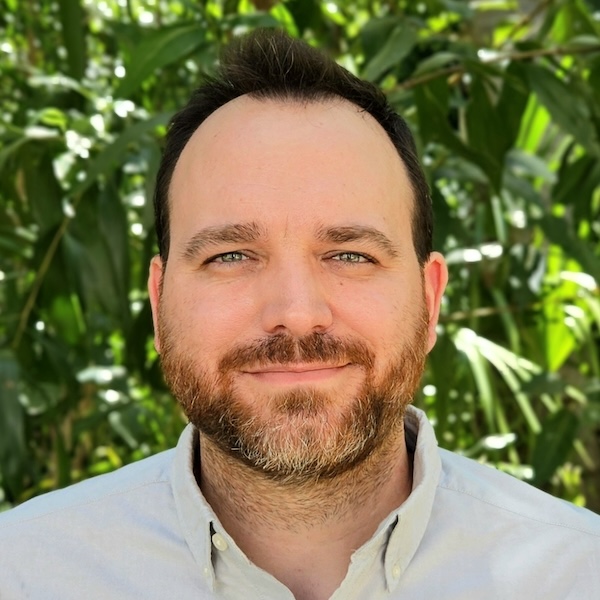
Romain Vaucher
- Senior Lecturer, Sedimentology
- romain.vaucher@jcu.edu.au

Rafael Cabral Carvalho
- Lecturer, Marine Geoscience
- rafael.cabralcarvalho@jcu.edu.au

Youseph Ibrahim
- Lecturer, Geoscience
- youseph.ibrahim@jcu.edu.au
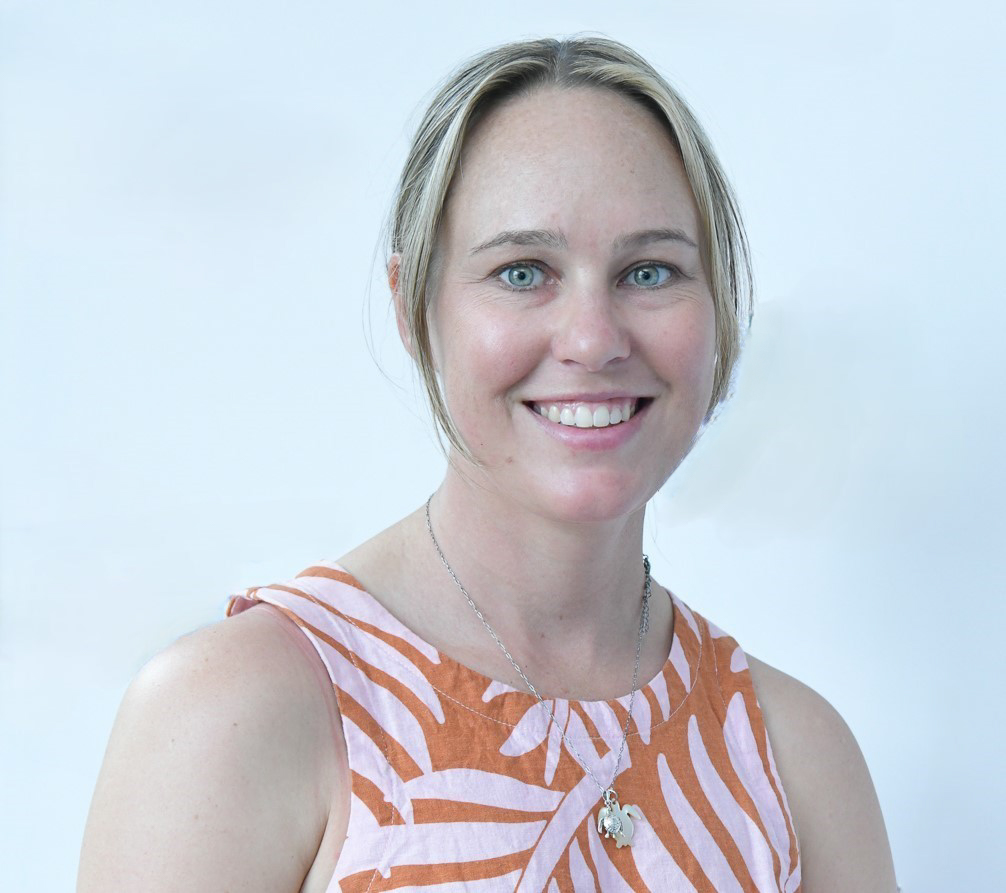
Natalie Robson
- Postdoctoral Research Fellow, Land and Sea Management
- natalie.robson@jcu.edu.au
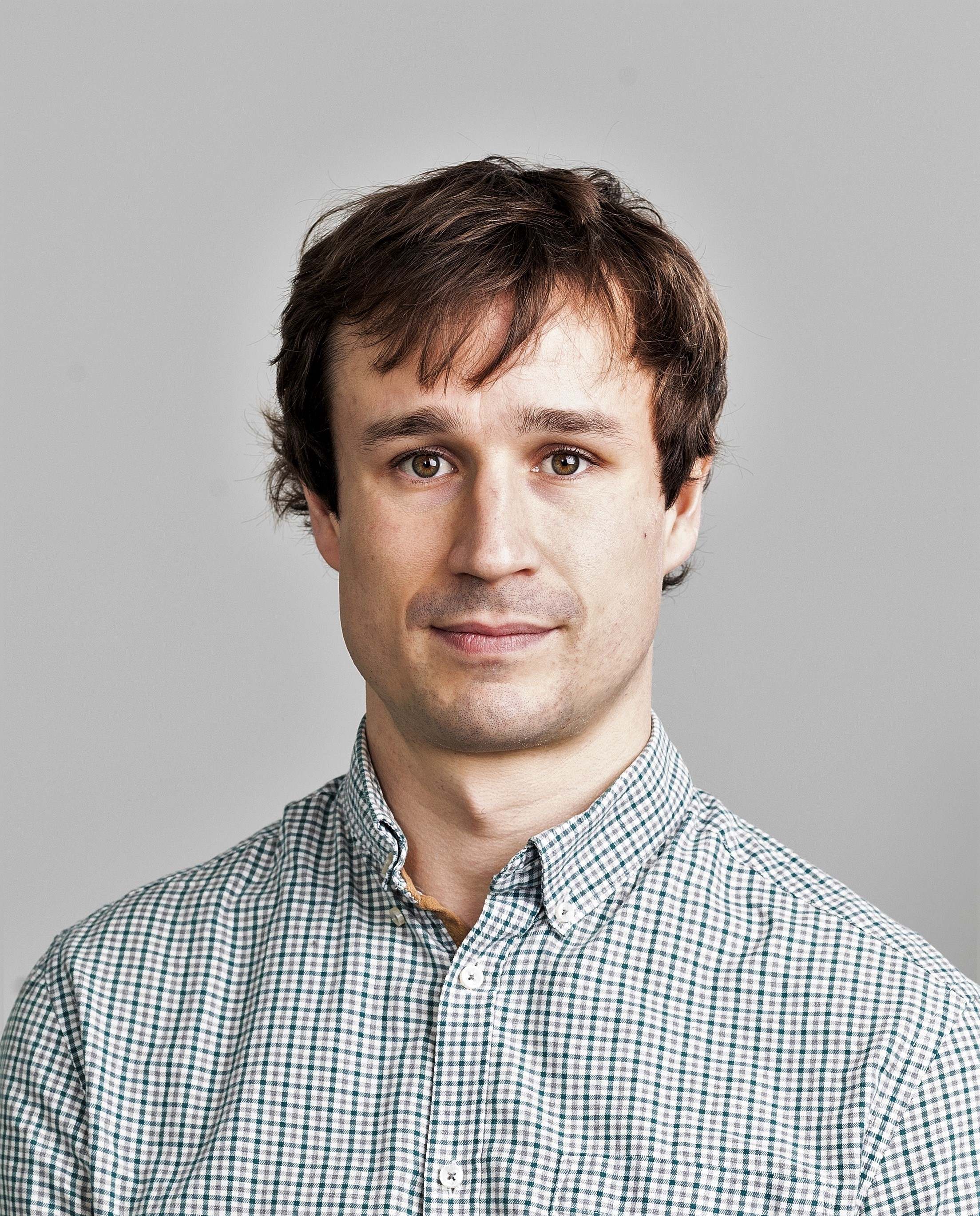
Alexandre Wadoux
- Lecturer, Soil Science
- alexandre.wadoux@jcu.edu.au

Alica Hoess
- Postdoctoral Research Fellow, Neutron Tomography Scanner
- alica.hoess@jcu.edu.au

Phoebe Stewart-Sinclair
- Lecturer, Environmental Science
- phoebe.stewartsinclair@jcu.edu.au
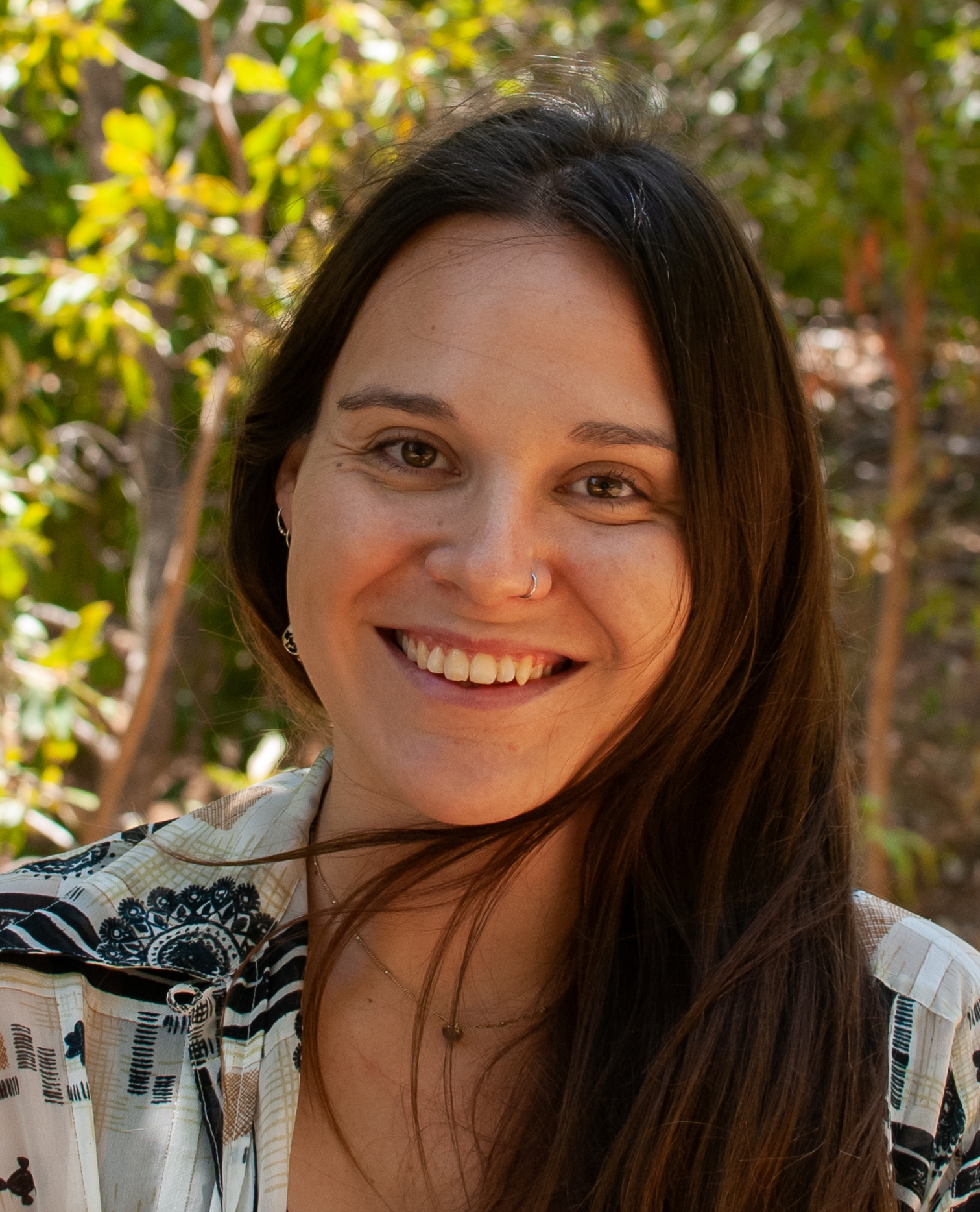
Bethany Smith
- Postdoctoral Research Fellow
- bethany.smith1@jcu.edu.au

Brandon Mahan
- Adjunct Senior Lecturer
- brandon.mahan@jcu.edu.au
Hannah Green
- Research Officer
- hannah.green@jcu.edu.au
A Proterozoic Framework for Australia's Critical Mineral Systems
Recent advances in high-performance computing and open-source geodynamic modelling codes now make it possible to simulate the complexity of Proterozoic tectonic processes in three dimensions, capturing how a hotter lithosphere rifts, how basins subside and fill, and how heat and fluids move through the crust over millions of years. This project leverages these technologies to investigate:
• RQ1: How does the mode of continental rifting under hot Proterozoic conditions control basin architecture, fault spacing, and subsidence patterns?
• RQ2: How do wide rift basins evolve towards narrow rifts, and what are the structural and geomorphological consequences of narrow rift development within already-thinned crust?
• RQ3: How is strain partitioned when a wide rift is inverted, and does this explain the structural traps and fluid pathways that characterise world-class Proterozoic ore districts?
Using radiocarbon to measure microbial respiration of charcoal (Old ID 22994)
Building on previous AINSE funding, this project aims to determine the contribution of indigenous charcoal carbon to CO2 respired from the charcoal after three years environmental exposure on a tropical rainforest soil surface at the Daintree Rainforest Observatory, Cape Tribulation. The results will unequivocally demonstrate the degree to which the microbial carbon pool contains carbon derived from radiocarbon dead charcoal.
A climate-aware future for sustainable sea cucumber harvesting
This project will future-proof Australia’s sea cucumber fisheries by developing a validated national-scale species
distribution model. Using advanced remote sensing, machine learning, and the largest sea cucumber survey ever
conducted, it will generate new insights into habitat associations and population densities across Australian
waters. The expected outcome is a tool to ensure sustainable fishery practices into a changing climate. This
initiative will support conservation of these often-overlooked, threatened species while maintaining a sustainable and profitable industry. Ultimately, the project contributes to biodiversity protection and the long-term viability of sea cucumber fisheries across the entire Australian marine region.
Geoscience Outreach
This project funds a portable set of iPads to support hands-on geoscience engagement with students from primary school through to masters level. In an outreach context, the equipment enables interactive, curriculum-linked activities delivered in schools, on campus and at wider events, with a particular focus on students from rural and remote areas and low socio-economic backgrounds. Beyond outreach, the tablets support undergraduate and masters geological mapping students, who can use them for digital field mapping and data capture in place of traditional paper-based methods.
By giving students at every stage direct experience of digital geoscience tools, the project aims to build scientific literacy, confidence and aspiration towards higher education, while equipping degree-level students with industry-standard field skills.
Satellite Based Water Analysis and Drought Planning in Northwest Qld
This project will utilize satellite imagery to map and monitor small water bodies and farm dams to
improve grazing land management. The project aims to extract time series of water areas from
the satellite images, perform time series analysis to assess the shrinkage or expansion of the
water bodies, water levels, and determine their precise locations.
The focus is on understanding the availability and dynamics of these water resources, which are
vital for livestock, domestic use and wildlife habitats.
This project will be a partnership between SGNRM and JCU.
She Flies: Using Drones to build STEM Confidence in Girls (Old ID 22974)
The ‘new drone economy’ is estimated to be worth US 20B pa by 2020, providing 10% of future jobs. Australia leads the world in non-defence applications of drone technology. Yet women and girls are largely missing from this important emerging sector (<1% female pilots). ‘She Flies’ will give girls confidence in a male dominated STEM field. We will create and deliver a hands on workshop for high school girls, their parents and teachers, teaching technical skills, safety, and environmental survey.
What is natural? Humans, megafauna and climate in northern Australia (Old ID 21664)
This project will produce the first long-term (100,000 year), replicated, high-resolution terrestrial records of environmental change before, during and after the arrival of humans in Australian savannas. These records will be the first in the world to extract, from the same material, independent, cutting-edge organic and isotope geochemical records of changes in water balance, vegetation type and fire activity. This will enable natural and human drivers of change in northern Australia's climate and biodiversity to be disentangled on two timescales (i) millennial - before, during and after Aboriginal arrival in northern Australia and (ii) centennial - before, during and after European arrival in northern Australia.
Magmatic History, Fertility and Metallogenesis of the Mary Kathleen Domain of the Mt Isa Inlier (Old ID 24902)
This project aims to highlight the exploration potential in the Mary Kathleen Domain of the Mt Isa Inlier by providing key mineralisation insights that can assist mining companies to plan their exploration strategy for better targeting and enhance the potential for new discoveries. To achieve this, the project has three main objectives: (1) Establish the extent, character and timing of the dominant magmatic epochs in the Mary Kathleen Domain of the Mt Isa Inlier (2) Develop an understanding of the tectono-magmatic history of the Mary Kathleen Domain and its links to metallogenesis; (3) Explore the applicability of magma fertility concepts as a tool for exploration for a variety of deposit types.
Assessing the footprint, fingerprint, and vectoring potential towards Cu mineralization of trace elements in chalcopyrite and co-existing pyrite, and albite. (Old ID 30025)
This project aims to assess the footprint, fingerprint, and vectoring potential towards Cu mineralization by using trace element analyses of chalcopyrite, pyrite, and albite from Cu deposits in Mt Isa region. As part of this project co-existing chalcopyrite, pyrite and albite will be analysed from a suite of well characterised samples comprising a variety of mineral deposits from Mt Isa region. The role of host rock and deformation on mineral trace element geochemistry will be investigated in order to assess their influence on the vectoring potential.
Modelling unseen flow pathways of water and contaminants in the Wet Tropics: the role of alluvial palaeochannels (Old ID 27748)
Approximately 50% of nitrogen loss from agricultural landscapes in the Wet Tropics occurs via subsurface flow pathways. We know little about the partitioning of subsurface flows, especially through palaeochannels where field evidence shows them to be zones of preferential pathways of water movement and likely nutrients. This project, led by JCU, seeks to develop an adequate understanding of the role palaeochannels play in subsurface flow movement. We then make recommendations to the modelling community on how to model these landscapes better in order to guide intervention measures (e.g. bioreactors, constructed wetlands) to reduce nutrient release into environmentally sensitive coastal areas (GBR).
Organic matter, sodicity and soil structure
- 1998
- Oxford University Press
- Researchers:Paul Nelson
Seafloor morphology and acoustic facies of the George V Land shelf
- 2003
- Researchers:Rob Beaman
Title:
PhD, James Cook University
End Date:
01 Jan 2010
End Date:
01 Jan 2003
Start Date:
01 Jan 2020
End Date:
01 Jan 2025
Start Date:
01 Jan 2023
End Date:
01 Jan 2025
Title:
JCU Distinguished Professor
Start Date:
01 Jan 2010
Start Date:
01 Jan 2019
Title:
Malayalam
Title:
English
Title:
Tamil
Title:
Hindi