
Earth & Environmental Sciences
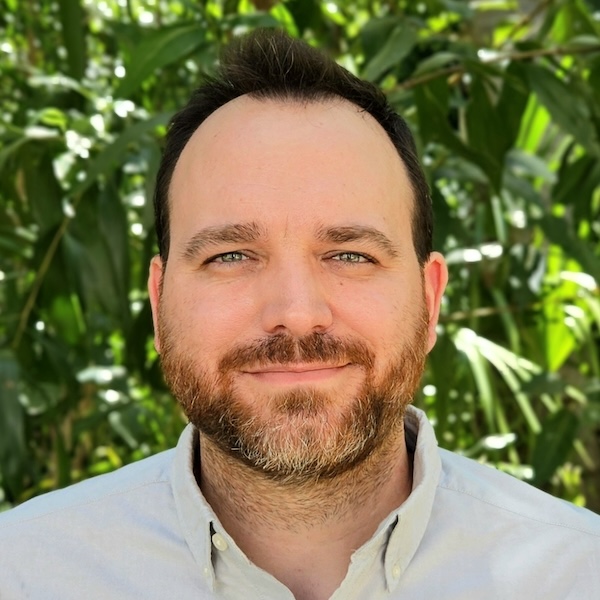
Romain Vaucher
- Senior Lecturer, Sedimentology
- romain.vaucher@jcu.edu.au
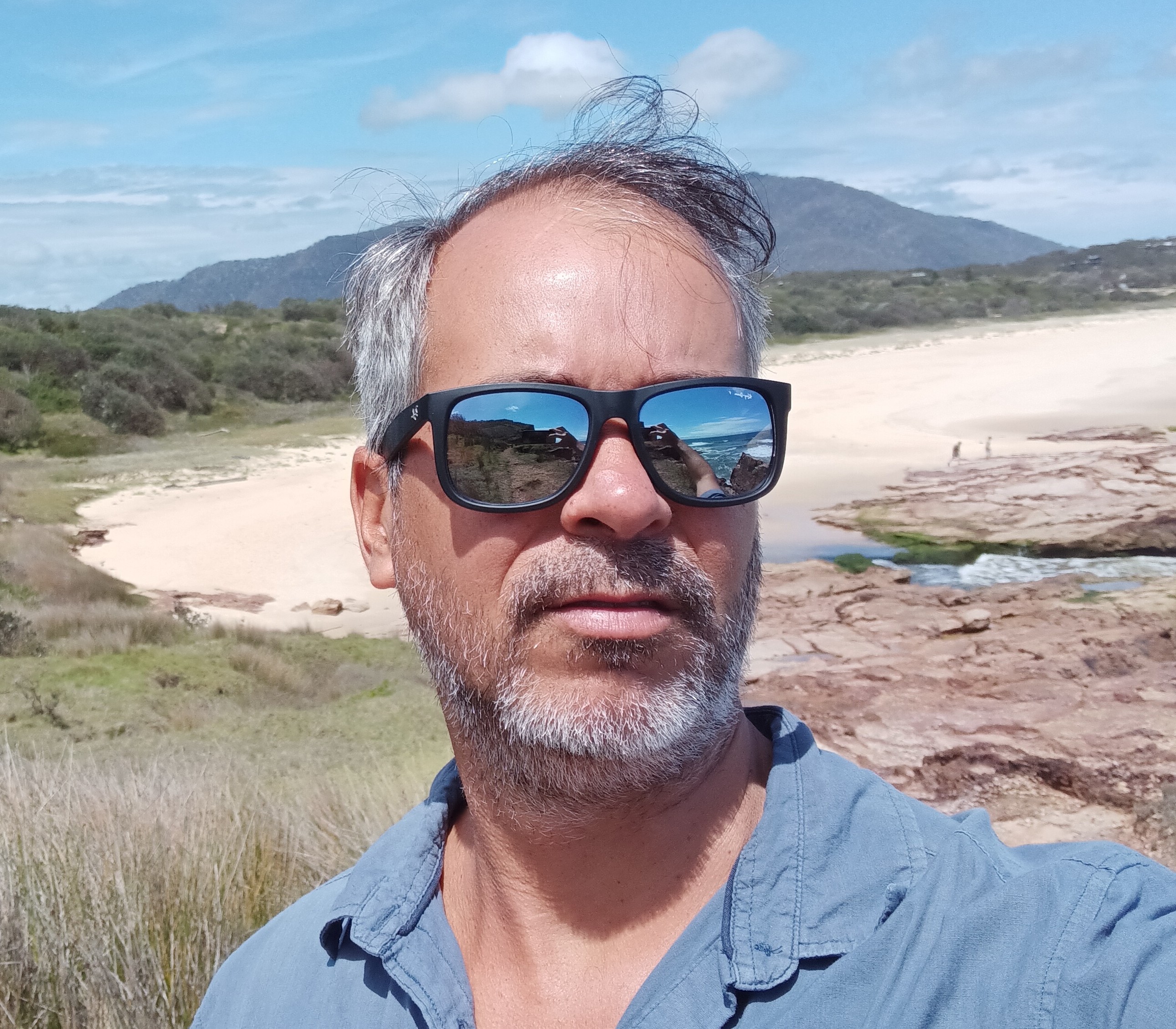
Rafael Cabral Carvalho
- Lecturer, Marine Geoscience
- rafael.cabralcarvalho@jcu.edu.au

Youseph Ibrahim
- Lecturer, Geoscience
- youseph.ibrahim@jcu.edu.au
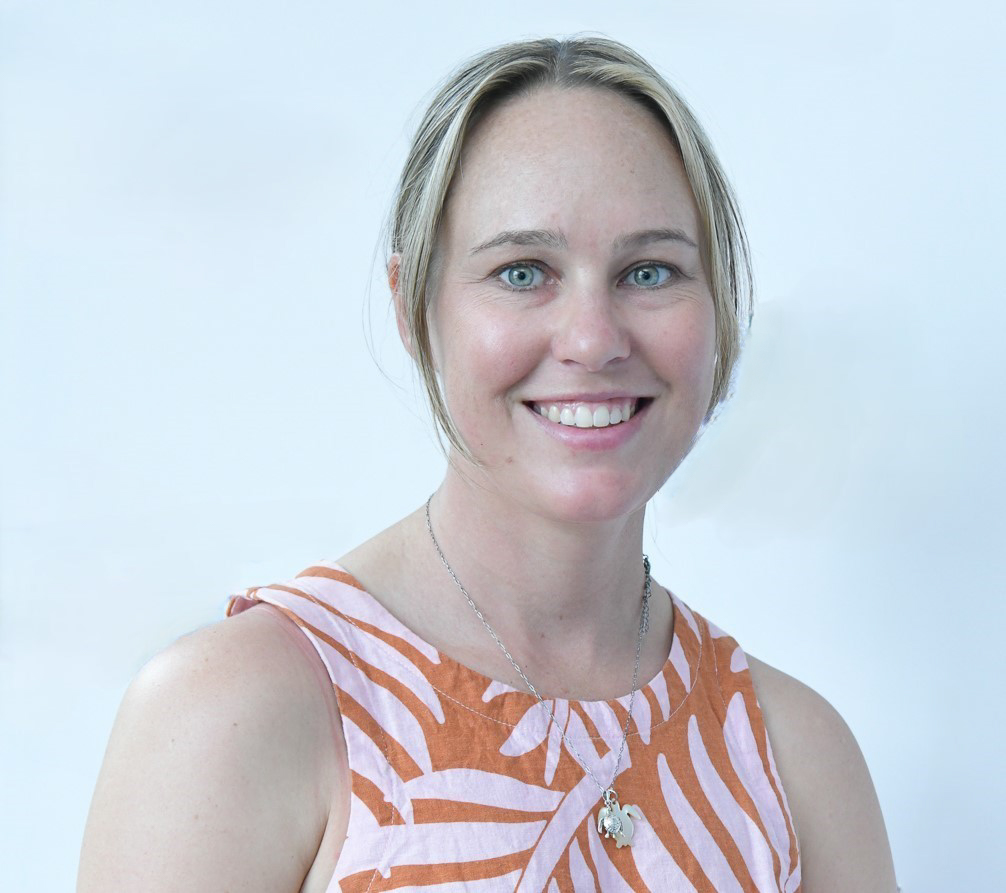
Natalie Robson
- Postdoctoral Research Fellow, Land and Sea Management
- natalie.robson@jcu.edu.au
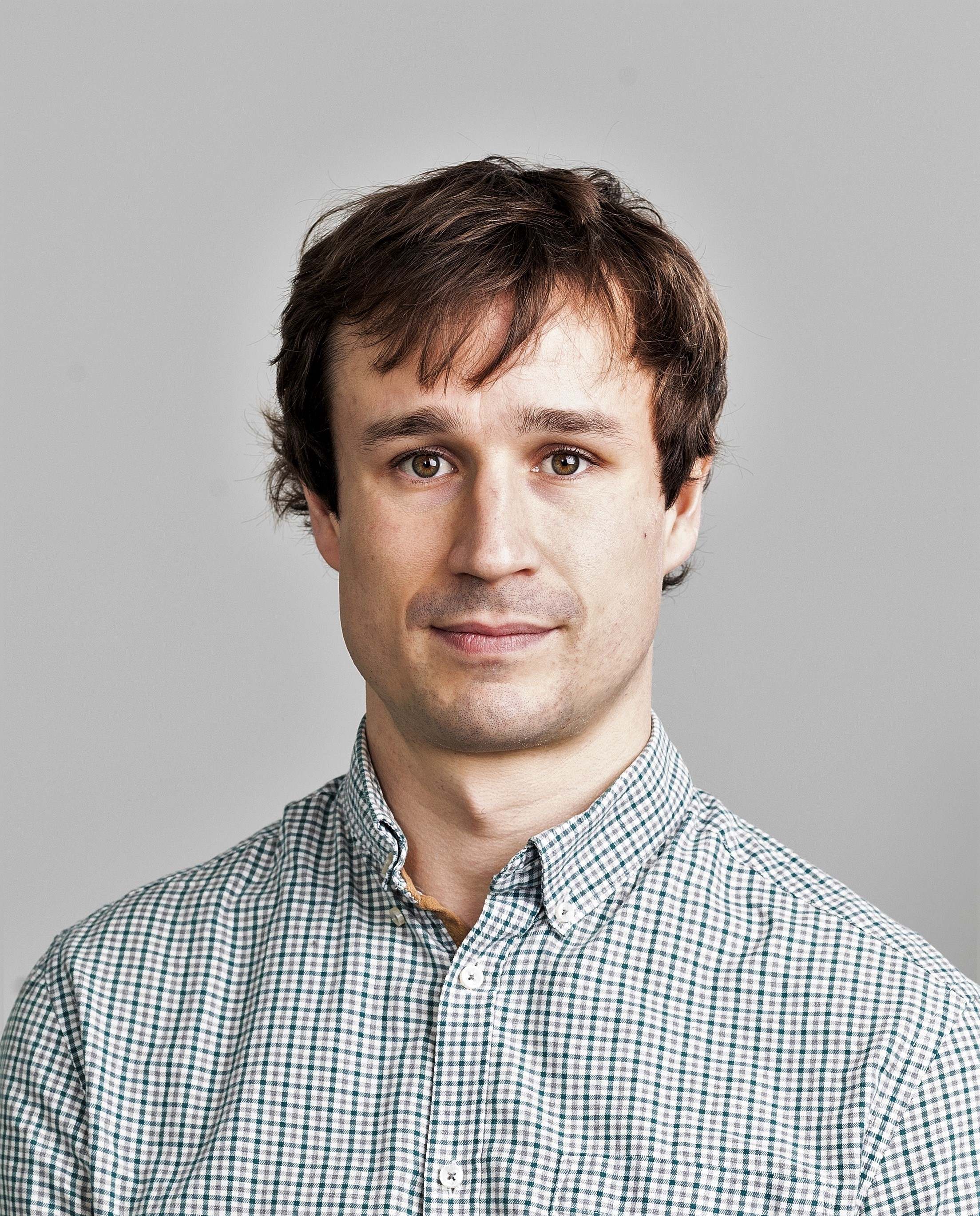
Alexandre Wadoux
- Lecturer, Soil Science
- alexandre.wadoux@jcu.edu.au

Alica Hoess
- Postdoctoral Research Fellow, Neutron Tomography Scanner
- alica.hoess@jcu.edu.au

Phoebe Stewart-Sinclair
- Lecturer, Environmental Science
- phoebe.stewartsinclair@jcu.edu.au
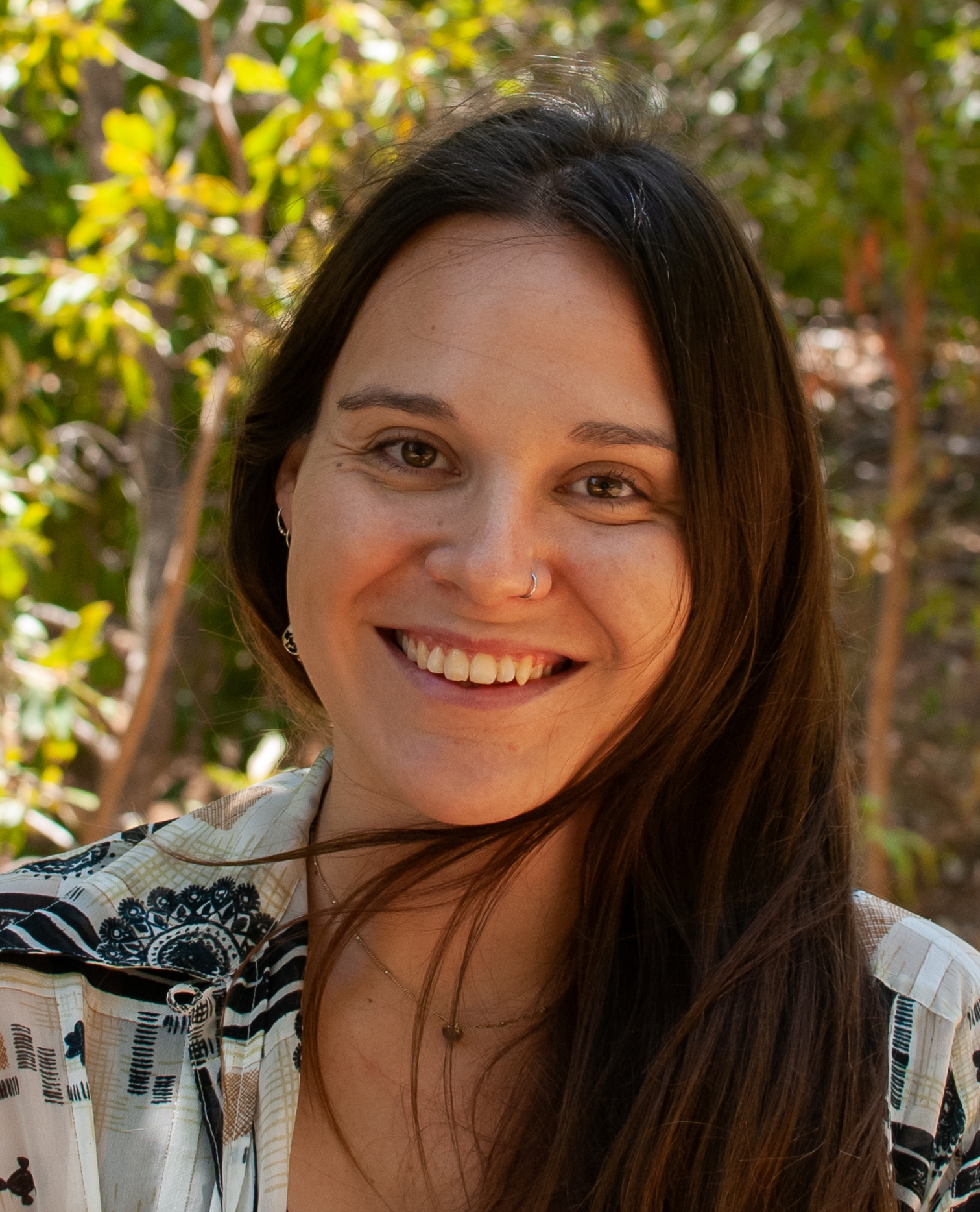
Bethany Smith
- Postdoctoral Research Fellow
- bethany.smith1@jcu.edu.au

Brandon Mahan
- Adjunct Senior Lecturer
- brandon.mahan@jcu.edu.au
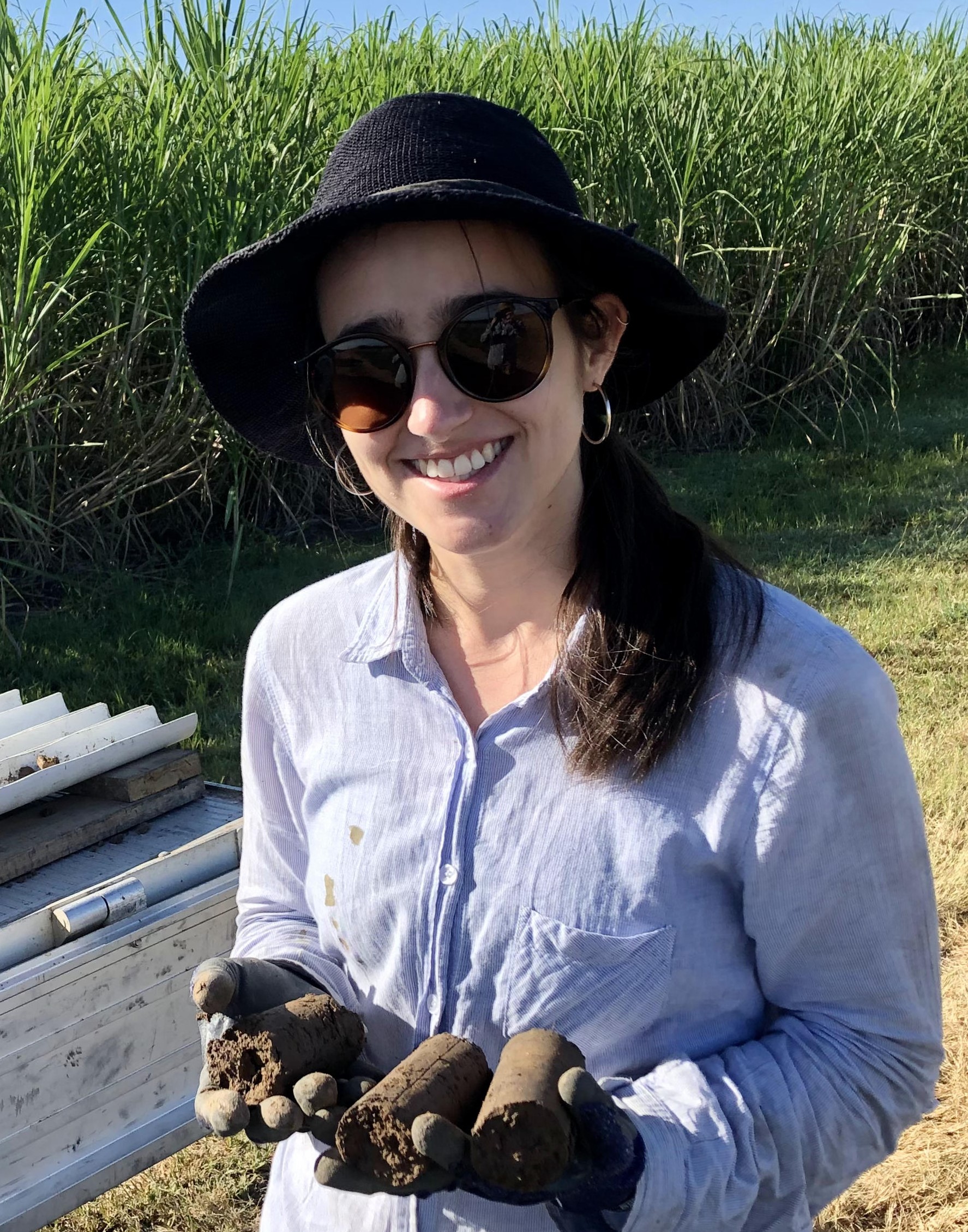
Hannah Green
- Research Officer
- hannah.green@jcu.edu.au
Resource Technology and Critical Minerals Trailblazer (Old ID 29000)
The Resource Technology and Critical Minerals Trailblazer is a partnership with Curtin University (Lead), University of Queensland and JCU along with over 25 industry partners. This program has been successful and funded under the Department of Education, Skills and Employment Trailblazer Universities Program. The Trailblazer aims to more effectively commercialise university innovations, accelerate industry technology readiness and open up access to university infrastructure and human resources to support growth of Australian businesses in the field of Resource Technology and Critical Minerals processing.
Improving the quality of water for release from land-based aquaculture in northern Australia (Old ID 26373)
Effluent from land-based aquaculture farms is problematic because of its nutrient content. This project will be the first in Australia and the tropics to assess the ability of 'denitrification bioreactors' (woodchip-filled trenches) to remove suspended solids and nitrogen from effluent leaving an aquaculture farm. It will be carried out on a barramundi farm the Great Barrier Reef catchment in North Queensland. Changes in quality of water flowing through bioreactors will be measured under a range of likely operating conditions, including differences in salinity and effluent retention rate. The results will be applicable to aquaculture farms throughout the tropics, enabling a reduction in negative environmental impacts, and facilitating intensification and expansion of fish production without increasing nutrient export.
Optimising mill mud and ash applications for soil improvement and carbon sequestration (Old ID 27540)
Negative carbon dioxide emission technologies are urgently required to offset emissions from fossil fuel burning. Weathering of alkaline metal oxides such as those in ash is a promising technology as it consumes carbon dioxide. This project aims to determine carbon sequestration when sugar mill ash, either alone or mixed with mill mud, is applied to soil in sugarcane fields. The project expects to generate knowledge about the rates of carbon sequestration and the factors controlling it, employing field experiments and geochemical modelling. The main outcome expected is a carbon sequestration methodology that is permanent and unlimited (given continued application mill by-products), unlike soil organic carbon sequestration. Adoption will facilitate trade in carbon credits through the Emissions Reduction Fund and facilitate market access through increased ability of the sugar industry to meet consumer expectations regarding environmental responsibility.
The geochemistry of rare earth elements in carbonate melts. (Old ID 24862)
This project aims to determine why deposits of rare earth elements, which are critical for modern devices and technologies, such as phones, tablet and plasma screens, are associated with carbonate magmas. The global supply of these critical metals is geopolitically unstable and although Australia has significant reserves there is very limited production. By improving our understanding of the geochemical behaviour of the rare earths we aim to develop new reverse-engineering methods for their extraction, which will improve the security of supply of these elements and enhance Australia's role in high-tech industries.
An Innovative approach to documenting the largest floods in the Wet Tropics catchments and determining their effects on pollutant fluxes to the Reef. (Old ID 27515)
The project examines the magnitude and impacts of past extreme floods in the Barron and Daintree Rivers using a wide range of information types that includes geomorphic evidence (slackwater deposits), historical documents and indigenous knowledge. This information will be used to estimate the impacts of these extreme floods on material fluxes that are of concern for reef health. It also extends our knowledge of flooding impacts on the environment and societies beyond the modern gauged record. The outcomes of the project form the basis of a larger DES grant application aimed at modelling the impact of extreme floods in the Wet Tropics.
Carbon sequestration via enhanced weathering of basalt applied to dry tropical rangeland
To meet climate targets carbon dioxide must be removed from the atmosphere in addition to reducing greenhouse gas emissions. A promising ‘negative emission technology’ is enhanced weathering of crushed basalt applied to land. Under suitable conditions, weathering reactions convert carbon dioxide gas to dissolved bicarbonate, which accumulates as bicarbonate or carbonate in soil or the sea. Grazed dry tropical rangelands provide a vast area where enhanced weathering might be deployed. In this project we will measure the amount of carbon sequestered in a dry tropical rangeland soil to which crushed basalt has been applied.
Magmatic History, Fertility and Metallogenesis of the Mary Kathleen Domain of the Mt Isa Inlier (Old ID 24882)
This project aims to highlight the exploration potential in the Mary Kathleen Domain of the Mt Isa Inlier by providing key mineralisation insights that can assist mining companies to plan their exploration strategy for better targeting and enhance the potential for new discoveries. To achieve this, the project has three main objectives: (1) Establish the extent, character and timing of the dominant magmatic epochs in the Mary Kathleen Domain of the Mt Isa Inlier (2) Develop an understanding of the tectono-magmatic history of the Mary Kathleen Domain and its links to metallogenesis; (3) Explore the applicability of magma fertility concepts as a tool for exploration for a variety of deposit types.
North Queensland Proterozoic Metallogenesis (Old ID 27601)
This project will assess the metallogenic potential of the Croydon and southern Etheridge provinces including their potential to host critical mineral resources
Heritage Oil Rukwa (TZ) PhD Scholarship for Cassy Mtelela (Old ID 20298)
Heritage Oil Rukwa (TZ) to fully support a PhD scholarship and project expenses for Tanzanian Student, Cassy Mtelala. The PhD research Project will focus on investigating the relationship between sedimentation and tectonics in the deposition of the Pilocene to Recent Lake Beds strata in the Rukwa Rift Basin, Tanzania. Heritage will support all tuition; fees; living expenses; and a small research stipend for Cassy to conduct this PhD project through the School of Earth and Environmental Sciences, under the direction of Dr Eric Roberts. Heritage Oil Rukwa (TZ) will also directly pay for all field expenses, visas and travel costs.
Understanding the Stratigraphy, age, and provenance of the diamondiferous Calonda Formation in North-Eastern Angola: Implications for regional magmatism and paleo fluvial drainage evolution (Old ID 25071)
The pilot research, based on four Calonda Formation Core Samples, has identified a suite of unexpected Permian-Late Cretaceous magmatic detrital zircon populations, which have the potential to improve our understanding of the age and provenance of the Calonda Formation, as well as the tectonic history of this region. The pilot research identified a suite of Cretaceous detrital zircons that form three discrete age clusters, which we hypothesis may have been produced during kimberlite or other alkaline volcanism; perhaps synchronously with deposition of the Calonda Formation or other Cretaceous cover sequences. However, due to the small number of grains discovered in the pilot study and lack of systematic sampling, robust conclusions cannot be drawn at present. However, the results demonstrate that it should be possible to significantly refine the age of these sedimentary sequences, including the Calonda Formation, through detrital zircon geochronology, as well as to study the geochemistry of these grains to better understand the regional tectonics of this area during the Cretaceous, possibly including better dating of the timing of kimberlite volcanism.
Organic matter, sodicity and soil structure
- 1998
- Oxford University Press
- Researchers:Paul Nelson
Seafloor morphology and acoustic facies of the George V Land shelf
- 2003
- Researchers:Rob Beaman
Title:
PhD, James Cook University
End Date:
01 Jan 2010
End Date:
01 Jan 2003
Start Date:
01 Jan 2020
End Date:
01 Jan 2025
Start Date:
01 Jan 2023
End Date:
01 Jan 2025
Title:
JCU Distinguished Professor
Start Date:
01 Jan 2010
Start Date:
01 Jan 2019
Title:
Malayalam
Title:
English
Title:
Tamil
Title:
Hindi