
College of Science & Engineering
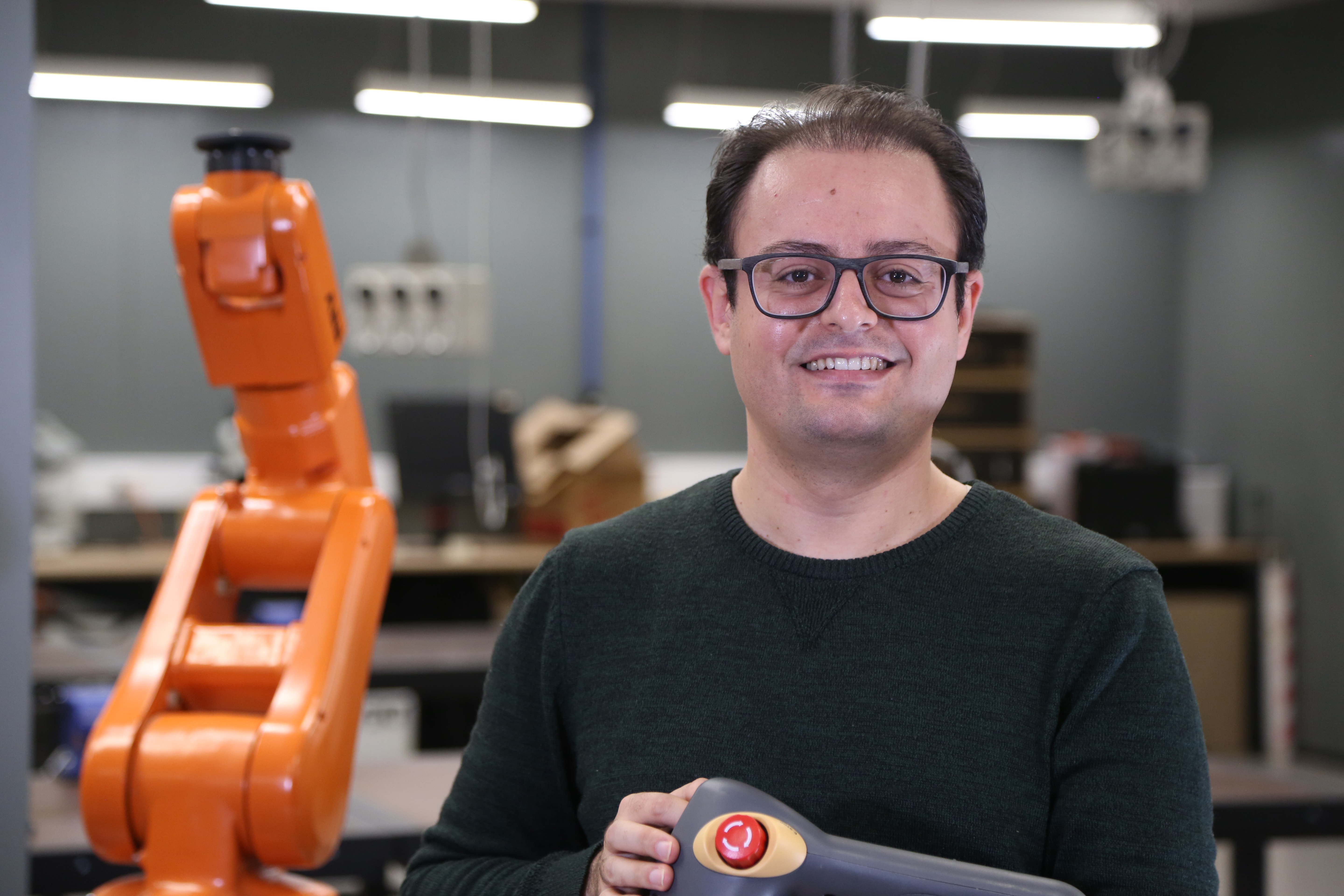
Mohamadreza Chalak Qazani
- Lecturer, Mechanical Engineering
- mohamadreza.chalakqazani@jcu.edu.au

Saul Chemonges
- Adjunct Associate Professor
- saul.chemonges@jcu.edu.au

Umair Qureshi
- Senior Lecturer, Information Technology
- umair.qureshi@jcu.edu.au

Alys Young
- Postdoctoral Research Fellow, Global Ecosystems
- alys.young@jcu.edu.au

Kaveh Shahbaz
- Associate Professor Chemical Engineering
- kaveh.shahbaz@jcu.edu.au
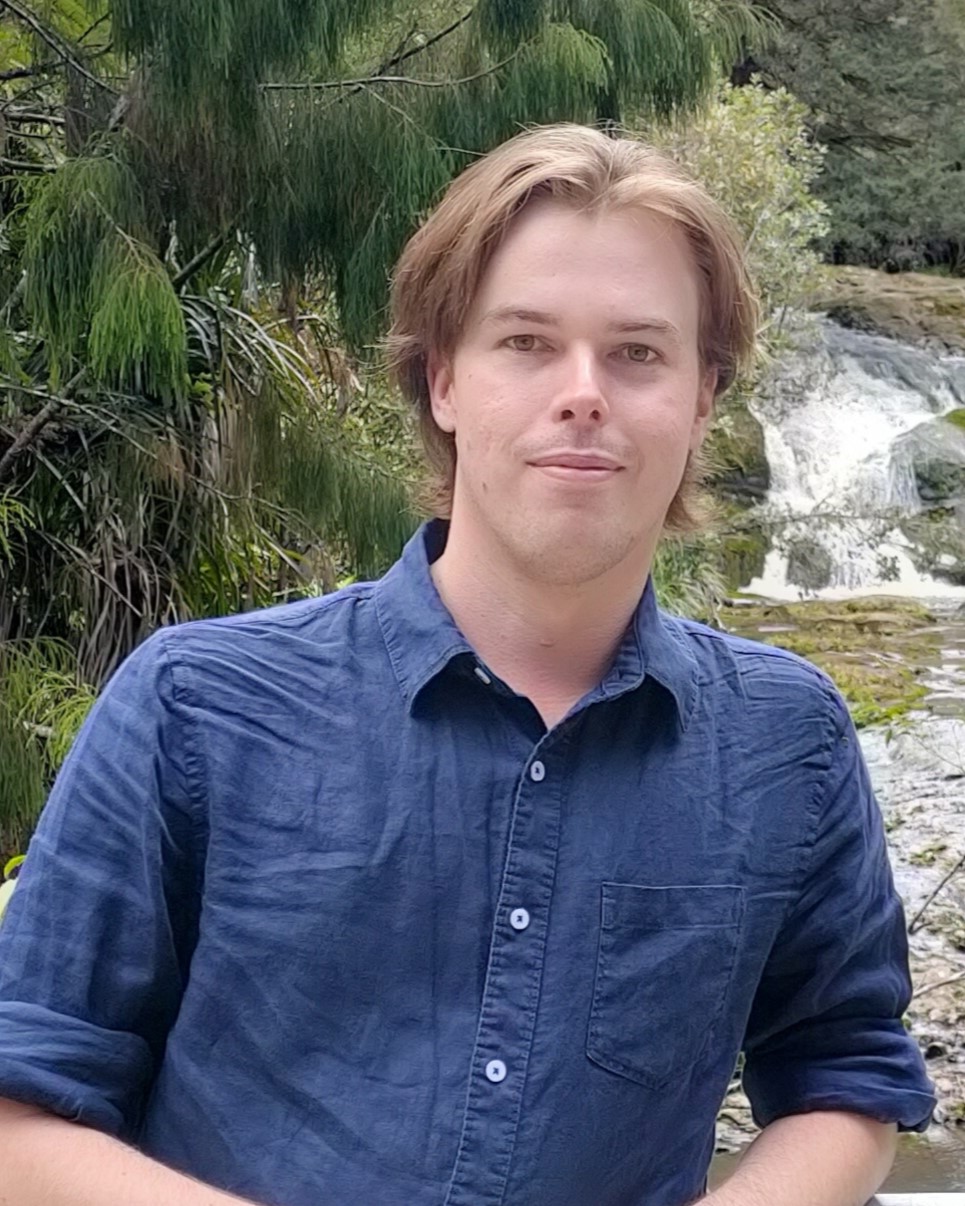
Lewis Gooch
- Lecturer
- lewis.gooch@jcu.edu.au

Youseph Ibrahim
- Lecturer, Geoscience
- youseph.ibrahim@jcu.edu.au

Esther Crouch
- Senior Lecturer, Veterinary Anatomic Pathology
- esther.crouch@jcu.edu.au
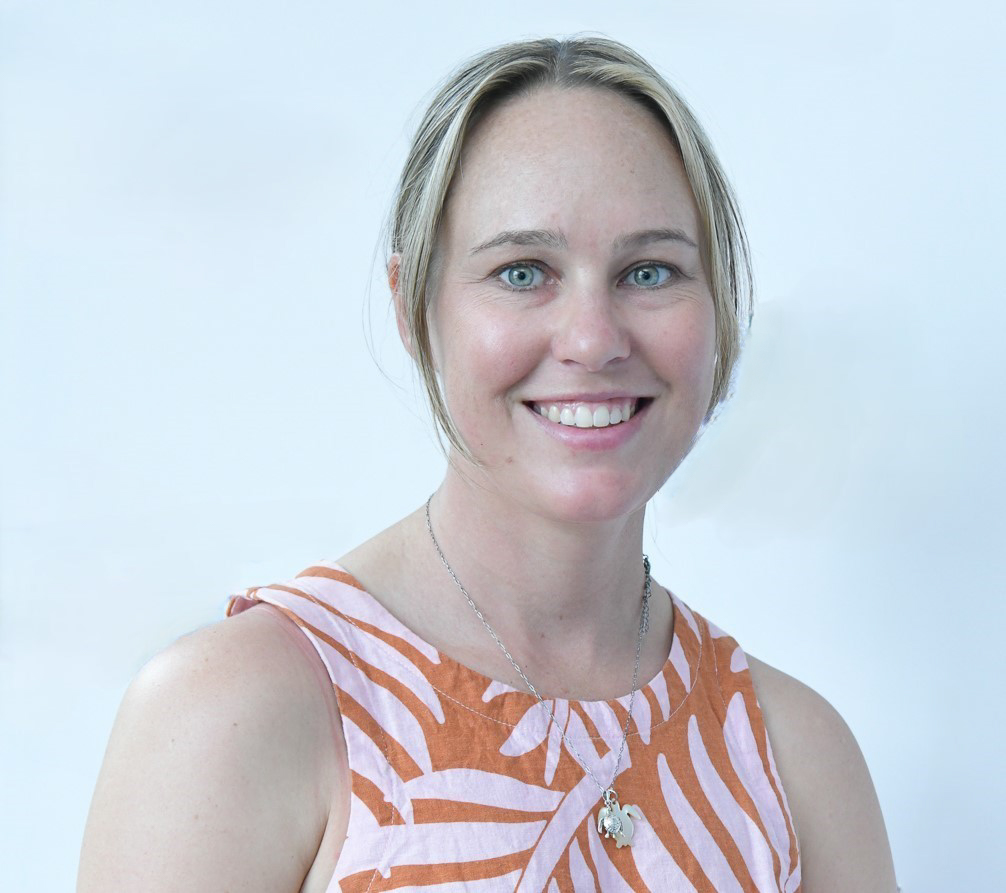
Natalie Robson
- Postdoctoral Research Fellow, Land and Sea Management
- natalie.robson@jcu.edu.au
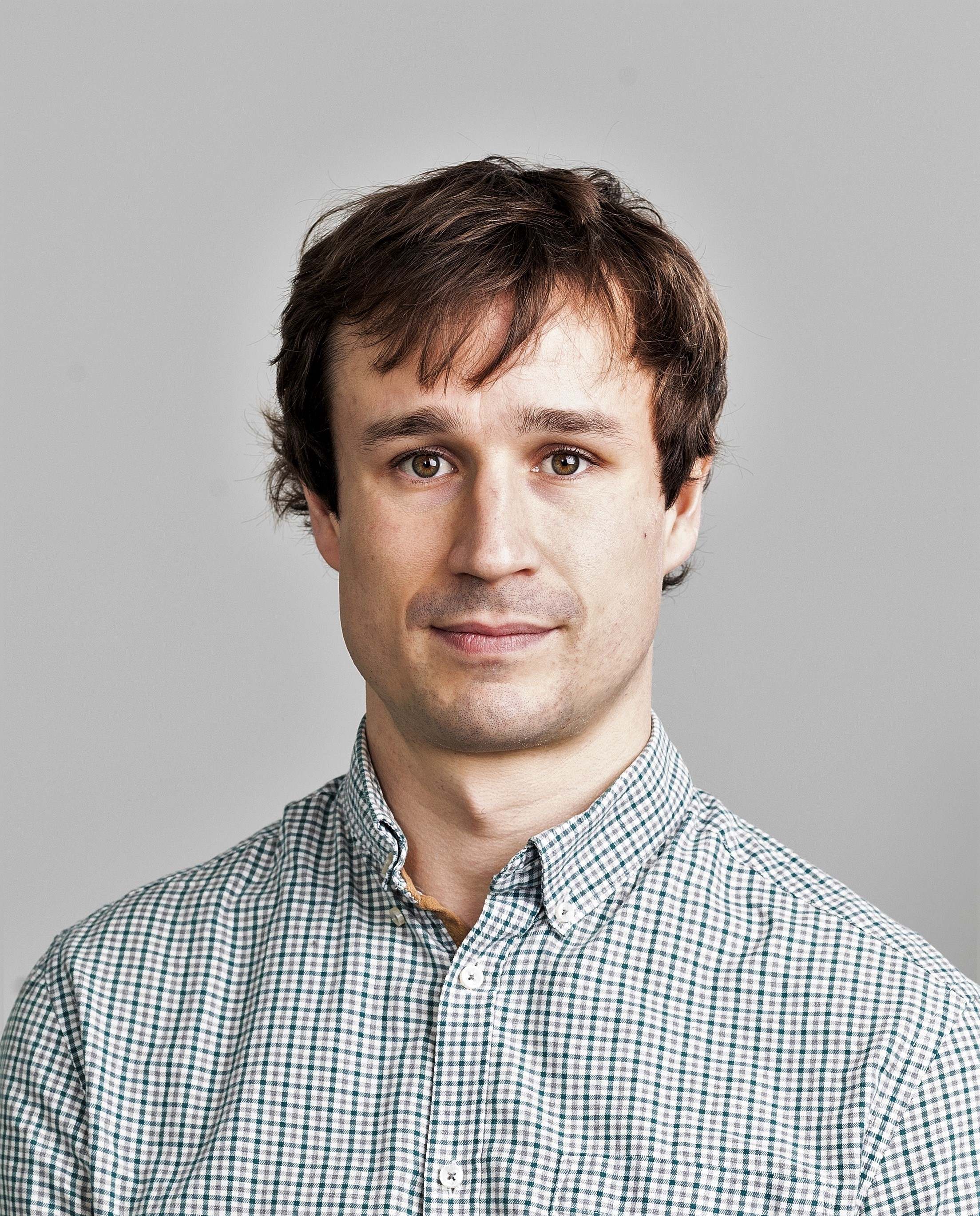
Alexandre Wadoux
- Lecturer, Soil Science
- alexandre.wadoux@jcu.edu.au
MINJAR GOLD - INVESTIGATION OF THE INFLUENCE OF CLAY ON GOLD EXTRACTION (Old ID 27376)
The main objective of this thesis is to explore possible ways of mitigating issues associated with the presence of clay in a Carbon in Pulp (CIP) plant. It is hypothesized that heat treatment is an effective way of eliminating these issues as well as providing several subsequent benefits such as improvements to grinding and recovery. Yet, the efficacy of heat treatment is largely determined by the characteristics unique to each clay species. Thus, preliminary testing using equipment in the James Cook University Analytical Centre such as the Scanning Electron Microscope (SEM), X-ray Diffraction (XRD) and Thermogravimetric Analysis (TGA) is necessary. This will provide the optimal heat treatment temperature, where the impacts of the heat treatment on viscosity in these conditions can be determined. Furthermore, secondary benefits such as improvements to recovery and grinding will also be quantified. This method allows for a thorough understanding of the impacts of heat treatment and will determine whether it is an effective approach to mitigating issues associated with the presence of clay.
North Queensland Proterozoic Metallogenesis (Old ID 27601)
This project will assess the metallogenic potential of the Croydon and southern Etheridge provinces including their potential to host critical mineral resources
Linking continental emergence and climatic evolution on the Early Earth (Old ID 26941)
This project aims to constrain the timing and extent to which the continents were emergent (above sealevel) at different times in Earth’s history and its impact on climatic evolution, which remains poorly understood. Continental emergence was a pivotal moment in the development of our habitable planet, because it controls the influx of bioessential elements (like phosphorus) to the oceans. Using innovative geochemical techniques, expected outcomes of this work include a detailed record of changes in ocean chemistry and a time integrated model of the amount of emergent crust on the early Earth. Documenting the impact of changes in the solid Earth on the evolution of life is of the highest interest to society in Australia and abroad.
NQBP and JCU Research and Monitoring Partnership – Ambient Marine Water Quality Studies. (Old ID 27000)
Ports are essential for economic trade and prosperity, and vital for the day-to-day function of modern society. TropWATER has provided services to complete an ambient marine water quality-monitoring program for North Queensland Bulk Ports (NQBP) at the Port of Mackay and Port of Hay Point since 2014. This program has expanded to include the other two major port facilities (Port of Abbot Point and Port of Weipa) administered by NQBP. The ambient marine water quality program includes deployment, maintenance and analysis of water quality data generated from high frequency loggers positioned on the sea floor, ambient water quality for metals, nutrients and herbicides. Data will be used by the port authority for strategic planning of operations.
Donation of Armoured Mist Frog translocation program (Old ID 27290)
Donation of $2,000 from AWS to my upcoming translocation of Armoured Mist Frogs to establish another breeding population in the wild.
The ecological and evolutionary factors influencing the establishment and persistence of community associated methicillin-resistant Staphylococcus aureus (CA-MRSA) in resourcelimited, high-burden settings (Old ID 27344)
Our preliminary data suggests that there is high circulation of methicillin resistant Staphylococcus aureus (CA-MRSA) in the highlands of PNG. We propose a hospital- and community-based study to determine the ecological and evolutionary factors associated with the establishment of the highly virulent MRSA ST93 clone in the highlands of PNG. This study will provide vital information for clinicians, public health professionals and policy makers in PNG to guide treatment and interventions to reduce the impact of MRSA-associated AHO in the country. Indeed, these findings will also inform strategies for the treatment and prevention of MRSA-associated AHO in other resource-limited settings.
Heritage Oil Rukwa (TZ) PhD Scholarship for Cassy Mtelela (Old ID 20298)
Heritage Oil Rukwa (TZ) to fully support a PhD scholarship and project expenses for Tanzanian Student, Cassy Mtelala. The PhD research Project will focus on investigating the relationship between sedimentation and tectonics in the deposition of the Pilocene to Recent Lake Beds strata in the Rukwa Rift Basin, Tanzania. Heritage will support all tuition; fees; living expenses; and a small research stipend for Cassy to conduct this PhD project through the School of Earth and Environmental Sciences, under the direction of Dr Eric Roberts. Heritage Oil Rukwa (TZ) will also directly pay for all field expenses, visas and travel costs.
Supply of Impact Resistance (part 2) (Old ID 23212)
Collaborative project with Queensland Government to determine defining properties of variability and risk of wind driven debris impact testing in order to develop uniform code / standard for assessment of materials for cyclone shelters etc.
Coastal wetland restoration techniques and evaluation ready for up-scaling (Old ID 26542)
First component examines how fish move around floodplains that are impacted following land use conversions. The River herring (Chesapeake Bay) needs access to freshwater and the ocean; population numbers are low because of migration barriers (roads, degraded habitat, dams). The project will include a collaborative study with the Smithsonian Institute to understand how fish access critical habitat during life-stages. The river herring is analogous to the barramundi and mangrove jack in north Queensland: both are highly prized and migrate across catchments and floodplains between freshwater and ocean that have been modified following agricultural expansion and urban sprawl. The second involves investigating how catchment nutrients contribute to coastal hypoxia-fish kills. Like the GBR catchments, nutrient loads in Chesapeake Bay is worsening. The project will include collaborative research on coastal hypoxia and determining the susceptibility of coastal oyster reefs and fisheries to diseases and death (a topic of national interest following a large fish kill in Murray Darling Basin).
Understanding the Stratigraphy, age, and provenance of the diamondiferous Calonda Formation in North-Eastern Angola: Implications for regional magmatism and paleo fluvial drainage evolution (Old ID 25071)
The pilot research, based on four Calonda Formation Core Samples, has identified a suite of unexpected Permian-Late Cretaceous magmatic detrital zircon populations, which have the potential to improve our understanding of the age and provenance of the Calonda Formation, as well as the tectonic history of this region. The pilot research identified a suite of Cretaceous detrital zircons that form three discrete age clusters, which we hypothesis may have been produced during kimberlite or other alkaline volcanism; perhaps synchronously with deposition of the Calonda Formation or other Cretaceous cover sequences. However, due to the small number of grains discovered in the pilot study and lack of systematic sampling, robust conclusions cannot be drawn at present. However, the results demonstrate that it should be possible to significantly refine the age of these sedimentary sequences, including the Calonda Formation, through detrital zircon geochronology, as well as to study the geochemistry of these grains to better understand the regional tectonics of this area during the Cretaceous, possibly including better dating of the timing of kimberlite volcanism.
Plant alkaloids: classification, isolation and drug development
- 2019
- Taylor & Francis Ltd
- Researchers:Phurpa Wangchuk
Smarter irrigation scheduling in the sugarcane farming system using the Internet of Things
- 2019
- Australian Society of Sugar Cane Technologists
- Researchers:Eric WangBronson Philippa
A standardised framework for analysing animal detections from automated tracking arrays
- 2018
- BioMed Central
- Researchers:Colin Simpfendorfer
Start Date:
10 Nov 2024
Start Date:
31 Mar 2025
Title:
Bengali
Reseracher:
Khandakar Faisal Ibn Murad
(Doctor of Philosophy (Engineering and Related Technologies))
Title:
English
Reseracher:
Khandakar Faisal Ibn Murad
(Doctor of Philosophy (Engineering and Related Technologies))
Start Date:
01 Jan 2024
Start Date:
01 Jan 2014
Start Date:
01 Jan 2024
End Date:
01 Jan 2027
Start Date:
01 Jan 2003
Title:
PhD, James Cook University
End Date:
01 Jan 2010
End Date:
01 Jan 2003