
College of Medicine & Dentistry
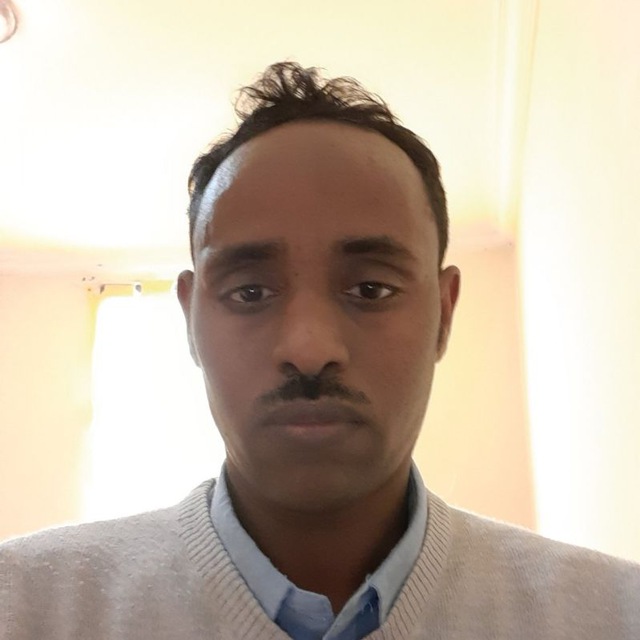
Semagn Abate
- Doctor of Philosophy (Health)
- semagn.abate@my.jcu.edu.au

Joseph Kamara
- Senior Lecturer Disaster Health and Humanitarian Assistance
- joseph.kamara@jcu.edu.au

Eric Kalo
- Lecturer Medical Education
- eric.kalo@jcu.edu.au
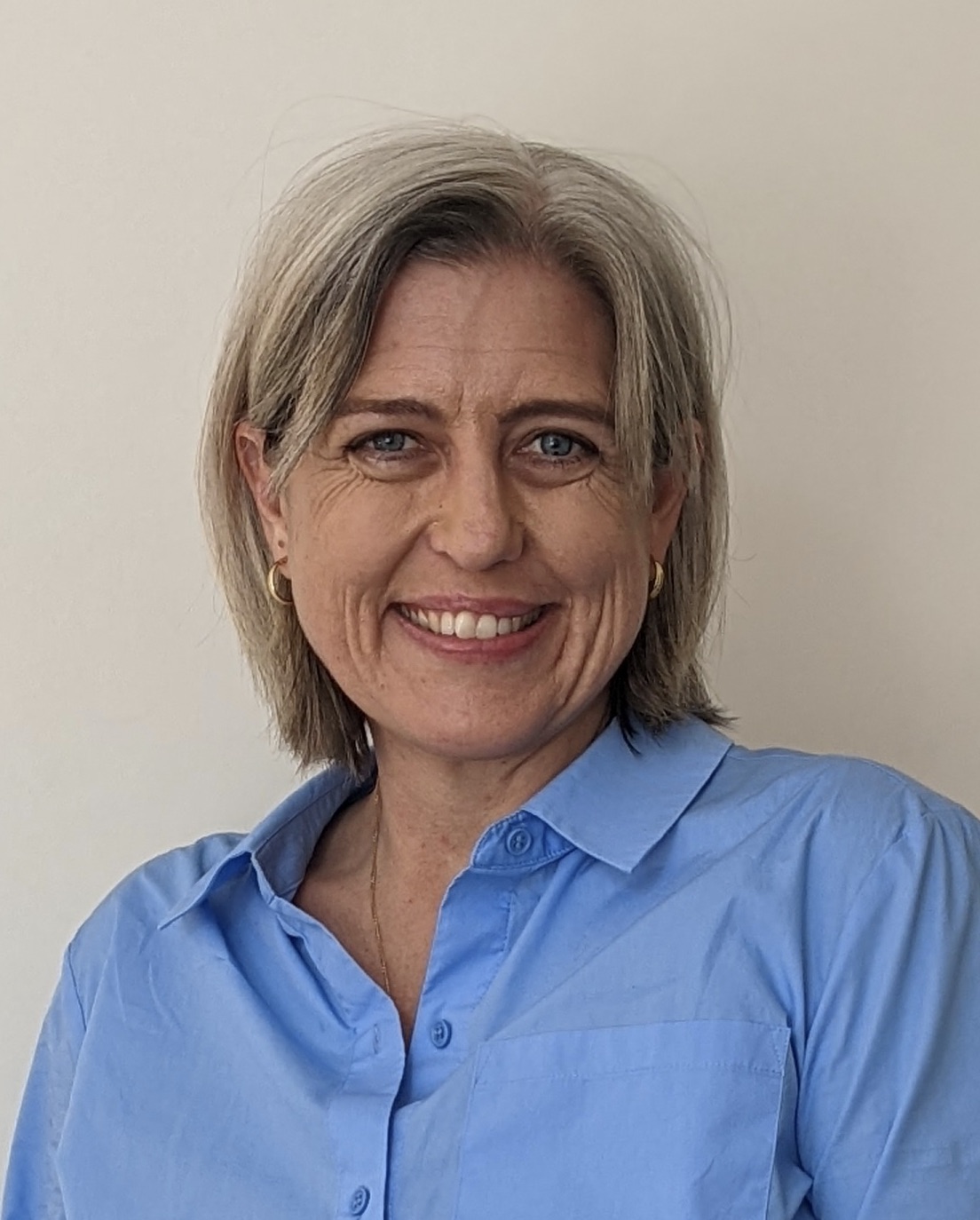
Erin Waters
- JCU Associate Professor
- erin.waters@jcu.edu.au

Kannan Maharajan
- Associate Professor, Pharmacy
- kannan.maharajan@jcu.edu.au

Fahmida Begum Mina
- Doctor of Philosophy (Medical, Molecular and Veterinary Sciences)
- fahmidabegum.mina@my.jcu.edu.au

Lynsey Brown
- Adjunct Senior Lecturer
- lynsey.brown@jcu.edu.au

Ali Isin
- Adjunct Senior Research Fellow
- ali.isin@jcu.edu.au

Muideen Olaiya
- Senior Research Fellow
- muideen.olaiya@jcu.edu.au

Mila Grinblat
- Postdoctoral Research Fellow
- mila.grinblat@jcu.edu.au
An evaluation of resilience in medical students on rural rotations
Resilience, defined as the ability to adapt and recover from stress, adversity, and challenges, is an essential attribute for medical students and professionals (Fletcher & Sarkar, 2013). It serves as a critical factor in sustaining mental well-being, maintaining academic performance, and preventing burnout in the demanding context of medical training (McKinley et al., 2019; Tempski et al., 2015). The pathway to becoming a doctor is marked by a significant academic workload, emotional challenges, and high expectations, all of which contribute to heightened stress levels (Dyrbye et al., 2014).
Rural clinical rotations are integral to many medical training programs, and offer students unique learning experiences and exposure to a diverse patient population. often present distinct challenges, such as isolation from peer support and limited resources, which can influence students' mental health and overall resilience (McGrail et al., 2017). While these experiences can enhance clinical skills and encourage a commitment to rural practice (Sen Gupta et al., 2013), they may also place additional stress on students that can impact their resilience (Wearne & Baker, 2012).
Previous studies have suggested that rural experiences can contribute positively to resilience by fostering adaptability, independence, and confidence - qualities that contribute to a doctor's ability to manage complex situations effectively (Smith et al., 2018). However, the intensity and unfamiliarity of rural placements can also heighten emotional and psychological stress (Johnson & Wright, 2021). While some students thrive in these environments, others may experience heightened stress that challenges their coping mechanisms (MacLeod et al., 2021). Understanding these varied outcomes is essential for developing strategies to support medical students and ensure their well-being throughout their training.
Measurement of resilience in medical education research has often relied on validated tools such as the Connor-Davidson Resilience Scale (CD-RISC). The CD-RISC has been widely used due to its comprehensive assessment of resilience, covering aspects like perseverance, confidence under pressure, and adaptability (Connor & Davidson, 2003; Campbell-Sills & Stein, 2007).
This study aims to investigate the impact of rural clinical rotations on the resilience of medical students at James Cook University across different training stages (2nd, 4th, and 6th years). Such insights are invaluable for shaping medical curricula that promote psychological resilience, enhance academic performance, and support retention in rural healthcare practices. By identifying how resilience changes throughout these rotations, medical schools can tailor interventions that strengthen students' coping mechanisms, ultimately contributing to their long-term professional and personal development.
Objectives
• To measure and compare the levels of resilience in 2nd, 4th, and 6th-year medical students before and after their rural clinical rotations.
• To assess any correlations between changes in resilience and year of study or demographic variables (e.g., age, gender, prior rural experience).
Challenges in monitoring learning progress in medical education
A reflective study of catering for diversity of learning styles in medical training.
Novel Leukaemia and Lymphoma Diagnostics in Regional and Remote Settings
Summary: Townsville is the only site north of Brisbane that conducts the high-level testing required to accurately diagnose leukaemia and lymphoma, which cause a significant disease burden. When patients are from remote areas, a higher error rate can occur, impacting patient outcomes. This project seeks to design and validate novel technologies that can be implemented in regional and remote areas to improve diagnostic accuracy.
Trial of image enhancement software as an educational tool to improve the ability of medical students to diagnose early melanoma
Approval Number: H8994, 11 April 2023
Priorities for expanding clinical trials in non-metropolitan hospitals in north Queensland and the Northern Territory: A holistic multiple case study approach. (Priorities4Trials)
Clinical trials offer safe access to experimental tests and treatments not otherwise available, while also providing participants best-practice healthcare and monitoring for the target condition. Participation by people living in rural, regional and remote (RRR) areas of Australia is significantly less than people living in cities due to limited access. RRR health services have many challenges in conducting clinical trials, particularly due to limited resources spread over vast geographical area. This project aims to explore clinical trial capability, capacity, community priorities and perceived importance in hospitals across northern Australia. A multiple case study approach will be used to address the aims of this project. Four cases, consisting of the single largest hospital facility in a RRR health service/region and the immediate surrounding community, will be selected from within north Queensland and the Northern Territory. To answer the research questions of the project, a series of three studies, using multiple methods, will be conducted within each case where findings will be analysed within and across cases.
Cytokine signatures of plasmodium vivax infection during pregnancy and delivery outcomes
- 2020
- Public Library of Science
- Researchers:Maru Castellanos Reynosa
Innovative Methods to Manage, Detect, and Prevent Tuberculosis
- 2017
- American Thoracic Society
- Researchers:Maru Castellanos Reynosa
Microsatellite genotyping of Plasmodium vivax isolates from pregnant women in four malaria endemic countries
- 2016
- Public Library of Science
- Researchers:Maru Castellanos Reynosa
Methylation deficiency disrupts biological rhythms from bacteria to humans
- 2020
- Nature Publishing Group
- Researchers:David Whitmore
Title:
Men are shaving off their eyelashes on TikTok, here's why that might be a bad idea, The Conversation
Start Date:
14 May 2025
Start Date:
15 May 2025
Start Date:
03 Jun 2025
Start Date:
01 Jan 2012
Title:
Grants Review
Start Date:
01 Jan 2024
End Date:
01 Jan 2024
Title:
Public Health Advocacy
Start Date:
01 Jan 2024
End Date:
01 Jan 2024
Start Date:
16 Jun 2025