
College of Medicine & Dentistry
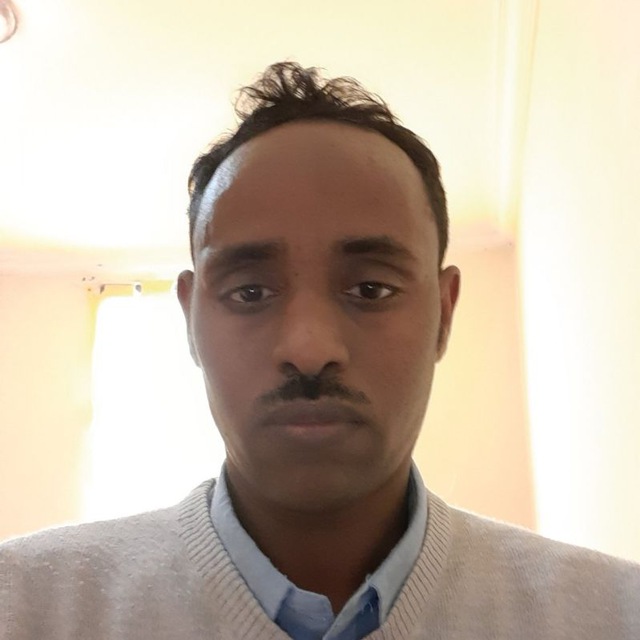
Semagn Abate
- Doctor of Philosophy (Health)
- semagn.abate@my.jcu.edu.au

Joseph Kamara
- Senior Lecturer Disaster Health and Humanitarian Assistance
- joseph.kamara@jcu.edu.au

Eric Kalo
- Lecturer Medical Education
- eric.kalo@jcu.edu.au
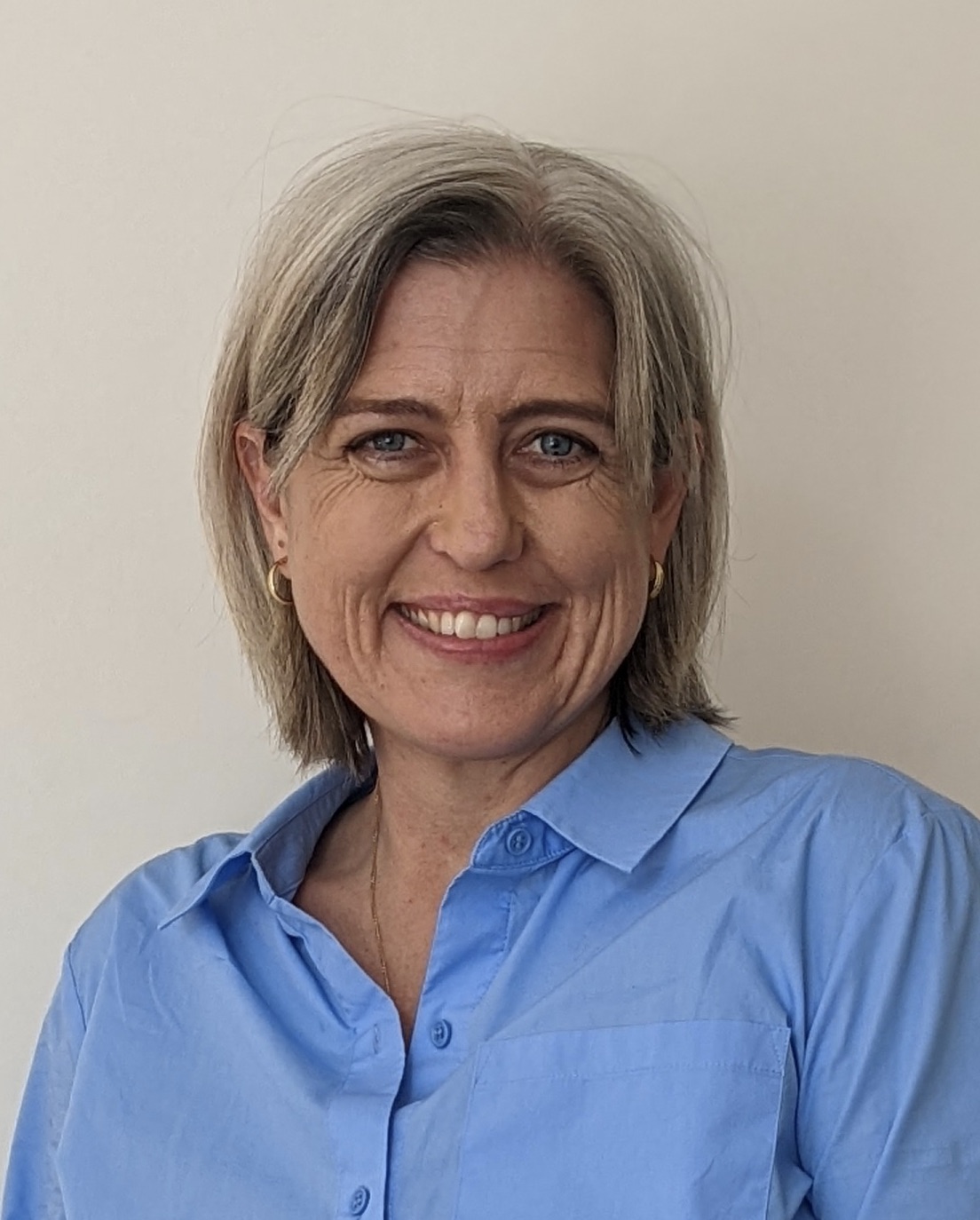
Erin Waters
- JCU Associate Professor
- erin.waters@jcu.edu.au

Kannan Maharajan
- Associate Professor, Pharmacy
- kannan.maharajan@jcu.edu.au

Fahmida Begum Mina
- Doctor of Philosophy (Medical, Molecular and Veterinary Sciences)
- fahmidabegum.mina@my.jcu.edu.au

Lynsey Brown
- Adjunct Senior Lecturer
- lynsey.brown@jcu.edu.au

Ali Isin
- Adjunct Senior Research Fellow
- ali.isin@jcu.edu.au

Muideen Olaiya
- Senior Research Fellow
- muideen.olaiya@jcu.edu.au

Mila Grinblat
- Postdoctoral Research Fellow
- mila.grinblat@jcu.edu.au
Aeromedical Retrieval of people with Acute Behavioural Disturbance in Queensland – ELEVATE Study
Kris McBain-Rigg
01 Jan 2023 - 31 Dec 2025
The aeromedical retrieval of people with Acute Behavioural Disturbance is a challenging process for a vulnerable group of patients. Due to the nature of the persons illness, the balance between providing timely access to care and risks during transfer is complex. This project aims to use a mixed methods approach to explore this patient group and the perceived challenges of their aeromedical retrieval, test current practice, identify areas for improvement and assess methods of optimising care provided before, during, and after transfer.
Validating a culturally safe model for general practice consultations with Aboriginal and Torres Strait Islander people, to assess the cultural safety of a general practitioner.
Rebecca Evans
14 Feb 2025 - 30 Jun 2026
This project seeks to validating a culturally safe model for general practice consultations with Aboriginal and Torres Strait Islander people, in order to explore if the cultural safety of a general practitioner can be objectively assessed.
Community-Led Approaches to Teaching Australian South Sea Islander History
Michelle Redman-MacLaren
01 Jan 2025 - 31 Dec 2030
ARC Discovery Australian Aboriginal and Torres Strait Islander Award
This project argues that a new approach to teaching Australian South Sea Islander history in primary and
secondary school education is urgently needed to address conditions by which Australian South Sea Islander
students are made disadvantaged at school. Through a Tok Stori methodological approach that draws on
community knowledges, this project will develop new ways of teaching Australian South Sea Islander history. It
will work towards implementing the kind of meaningful progress that failed to follow the 1993 Recognition, build
transnational research links, and increase and strengthen the capacity of Australian South Sea Islander educators
and researchers.
Community-Led Approaches to Teaching Australian South Sea Islander History
Michelle Redman-MacLaren
01 Jan 2025 - 31 Dec 2030
ARC Discovery Australian Aboriginal and Torres Strait Islander Award
This project argues that a new approach to teaching Australian South Sea Islander history in primary and
secondary school education is urgently needed to address conditions by which Australian South Sea Islander
students are made disadvantaged at school. Through a Tok Stori methodological approach that draws on
community knowledges, this project will develop new ways of teaching Australian South Sea Islander history. It
will work towards implementing the kind of meaningful progress that failed to follow the 1993 Recognition, build
transnational research links, and increase and strengthen the capacity of Australian South Sea Islander educators
and researchers.
SARS_CoV2 Immune Landscape in the Tropics
Daniel Browne
27 Jan 2025 - 26 Jan 2026
COVID-19 continues to pose a significant health risk in tropical regions of Australia, where high-risk populations are often concentrated. This project aims to establish an immunology research group within James Cook University's College of Medicine and Dentistry to explore the T-cell immune responses to COVID-19 in these tropical populations. Leveraging a cost-effective, high-throughput RT-qPCR technique developed at JCU, we will assess and track the immunogenicity of SARS-CoV-2 peptide epitopes in donors over several months. The study will optimize this method for fresh blood samples, gather preliminary data on immune variability, and inform the design and budgeting of a larger-scale future investigation.
Is inositol a potential therapy for abdominal aortic aneurysm? (Old ID 22440)
Joseph Moxon
01 Dec 2015 - 31 Dec 2017
AIMS: Preliminary data demonstrate that inositol consumption limits experimental AAA development. This project builds on initial findings using the following aims: assess the ability of inositol to limit AAA growth (Aim 1) and rupture (Aim 2) in mouse models. SIGNIFICANCE: Identifying a drug to slow AAA growth and limit rupture has potential to improve patient care and reduce in-hospital costs associated with AAA management. OUTCOMES: This study will underpin competitive funding applications to the NHMRC and/or NFHMRI to further assess inositol status in human AAA patients.
Competency Renewal Project
We aim to characterise the competencies [knowledge, skills, attributes] required by public health graduates to effectively contribute to the workforce and meet existing and emergent public health needs.
● Identify and synthesise competencies required by public health graduates to address current and future public health requirements.
● Develop a preliminary framework mapping graduate competencies that may allow them to contribute to Australia's public health workforce effectively.
● Establish validity and conduct a formative evaluation of a national competency framework for public health graduates.
This programme of work will be conducted over three phases. A co-design approach incorporating qualitative and quantitative methods will address the overall aim and objectives.
Phase 1: Interviews: 3-4 months (aim end July 2024)
Phase 2: Competency extraction: 3-4 months (aim: end November 2024)
Phase 3: Modified Delphi: 4-5 months (aim: end June 2025)
NB: Timelines estimates based on the plan outlined below, accounting for iterative feedback from the CAPHIA community and governance decision making as well as summer break shutdown Dec 2-24 – January 2025.
Phase 1: Semi-structured interviews with public health industry experts will be conducted. Experts will include public health professionals, educators and academics, professional associations, employers working within public health organisations, government agencies, healthcare providers, and non-governmental community organisations within the field. Across all participant groups, semi-structured interviews will allow in-depth descriptions and open-ended discussions regarding the competencies required by public health graduates to effectively contribute to the workforce and meet existing and emergent public health needs.
[Phase 1 - Output – Comprehensive list of contemporary skills and knowledge required by public health graduate vis a vis the perceptions of multiple stakeholders].
Phase 2: This phase will extract competencies from existing health and public health competency frameworks. A search strategy will be developed to identify relevant frameworks. A global search will then be conducted. Following extraction, a framework synthesis will guide the analysis and triangulation of the interview data and new data derived from the existing public health-related competency frameworks. Once an association between themes is determined, public health graduates' skills, knowledge and attributes will be grouped under overarching competency domains. These domains will form the preliminary framework, including individual competencies and competency descriptors.
[Phase 2 – Output – A preliminary competency framework - a synthesis of new and existing competencies relevant to the public health workforce [including graduates] in 2024]
Phase 3: A modified Delphi technique will be used as an accepted method of building consensus among public health experts regarding the acceptability and applicability of the preliminary competency framework. The Delphi process will involve i) recruitment and consenting of participants to the Delphi panel and ii) two rounds of consultation on the proposed competency framework. Finally, a formative framework evaluation will be conducted via focus groups with public health experts. As part of this final step, the utility of the competency framework as a contemporary best practice public health competency framework for Australasia will be assessed.
[Phase 3 – Output – A validated competency framework that characterises the knowledge, skills, and application public health graduates will need to contribute effectively to the workforce and meet existing and emergent public health needs].
Leveraging native soil microbiota to target melioidosis pathogens in Northern Queensland
Catherine Rush
01 Jul 2025 - 31 Dec 2025
Melioidosis is a serious disease caused by the soil bacterium Burkholderia pseudomallei (Bps). It is a major health concern in Northern Queensland and other tropical regions. As our modelling predicted, and as confirmed by the sharp rise in local cases in 2025, the incidence of melioidosis is likely to increase with ongoing climate change. At the same time, growing resistance to life-saving carbapenems is making treatment more difficult.
In previous work, we identified Burkholderia ubonensis, a harmless soil bacterium that can selectively inhibit Bps. This finding suggests that native soil microbes may offer a new way to control Bps in the environment and could also provide a source of novel antimicrobial compounds. This project builds on that discovery. We will identify and characterise additional Bps-inhibiting microbes and compounds from Northern Queensland soils, with the aim of developing both environmental control strategies and new therapeutic options for melioidosis.
Leveraging native soil microbiota to target melioidosis pathogens in Northern Queensland
Jeffrey Warner
01 Jul 2025 - 31 Dec 2025
Melioidosis is a serious disease caused by the soil bacterium Burkholderia pseudomallei (Bps). It is a major health concern in Northern Queensland and other tropical regions. As our modelling predicted, and as confirmed by the sharp rise in local cases in 2025, the incidence of melioidosis is likely to increase with ongoing climate change. At the same time, growing resistance to life-saving carbapenems is making treatment more difficult.
In previous work, we identified Burkholderia ubonensis, a harmless soil bacterium that can selectively inhibit Bps. This finding suggests that native soil microbes may offer a new way to control Bps in the environment and could also provide a source of novel antimicrobial compounds. This project builds on that discovery. We will identify and characterise additional Bps-inhibiting microbes and compounds from Northern Queensland soils, with the aim of developing both environmental control strategies and new therapeutic options for melioidosis.
Leveraging native soil microbiota to target melioidosis pathogens in Northern Queensland
Yaoqin Hong
01 Jul 2025 - 31 Dec 2025
Melioidosis is a serious disease caused by the soil bacterium Burkholderia pseudomallei (Bps). It is a major health concern in Northern Queensland and other tropical regions. As our modelling predicted, and as confirmed by the sharp rise in local cases in 2025, the incidence of melioidosis is likely to increase with ongoing climate change. At the same time, growing resistance to life-saving carbapenems is making treatment more difficult.
In previous work, we identified Burkholderia ubonensis, a harmless soil bacterium that can selectively inhibit Bps. This finding suggests that native soil microbes may offer a new way to control Bps in the environment and could also provide a source of novel antimicrobial compounds. This project builds on that discovery. We will identify and characterise additional Bps-inhibiting microbes and compounds from Northern Queensland soils, with the aim of developing both environmental control strategies and new therapeutic options for melioidosis.
Regenerating lizard tails: A new model for investigating lymphangiogenesis
- 2003
- Researchers:Suzy Munns
Association of osteoprotegerin with human abdominal aortic aneurysm progression
- 2005
- American Heart Association
- Researchers:Jonathan Golledge
A simple plan: cnidarians and the origins of developmental mechanisms
- 2004
- Nature Publishing
- Researchers:David Miller
Start Date:
01 Jan 2000
Start Date:
01 Jan 2018
End Date:
01 Jan 2018
Start Date:
01 Jan 2015
End Date:
01 Jan 2018
Start Date:
01 Jan 2003
End Date:
01 Jan 2013
Start Date:
01 Jan 1998
End Date:
01 Jan 2003
Title:
JCU Animal Ethics Committee
Start Date:
01 Jan 2023
End Date:
01 Jan 2025
Start Date:
01 Jan 2021
End Date:
01 Jan 2025
Start Date:
01 Jan 2026
Start Date:
01 Jan 2026
Title:
PHTM Leadership Committee
Start Date:
01 Jan 2026