
College of Medicine & Dentistry
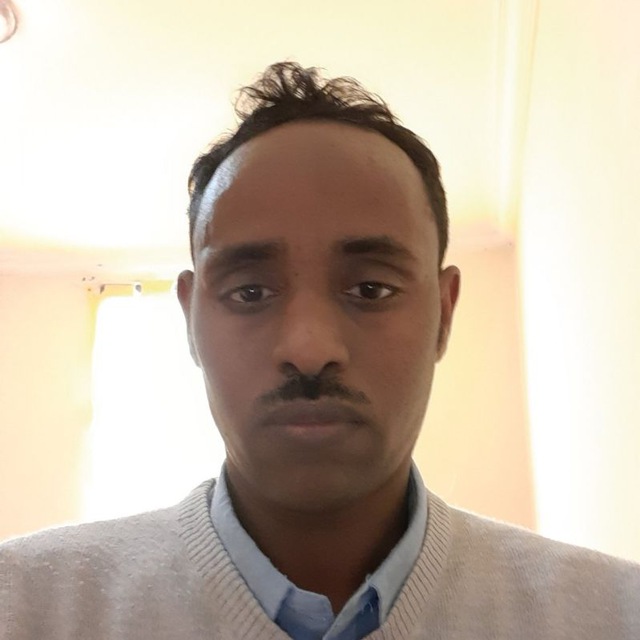
Semagn Abate
- Doctor of Philosophy (Health)
- semagn.abate@my.jcu.edu.au

Joseph Kamara
- Senior Lecturer Disaster Health and Humanitarian Assistance
- joseph.kamara@jcu.edu.au

Eric Kalo
- Lecturer Medical Education
- eric.kalo@jcu.edu.au
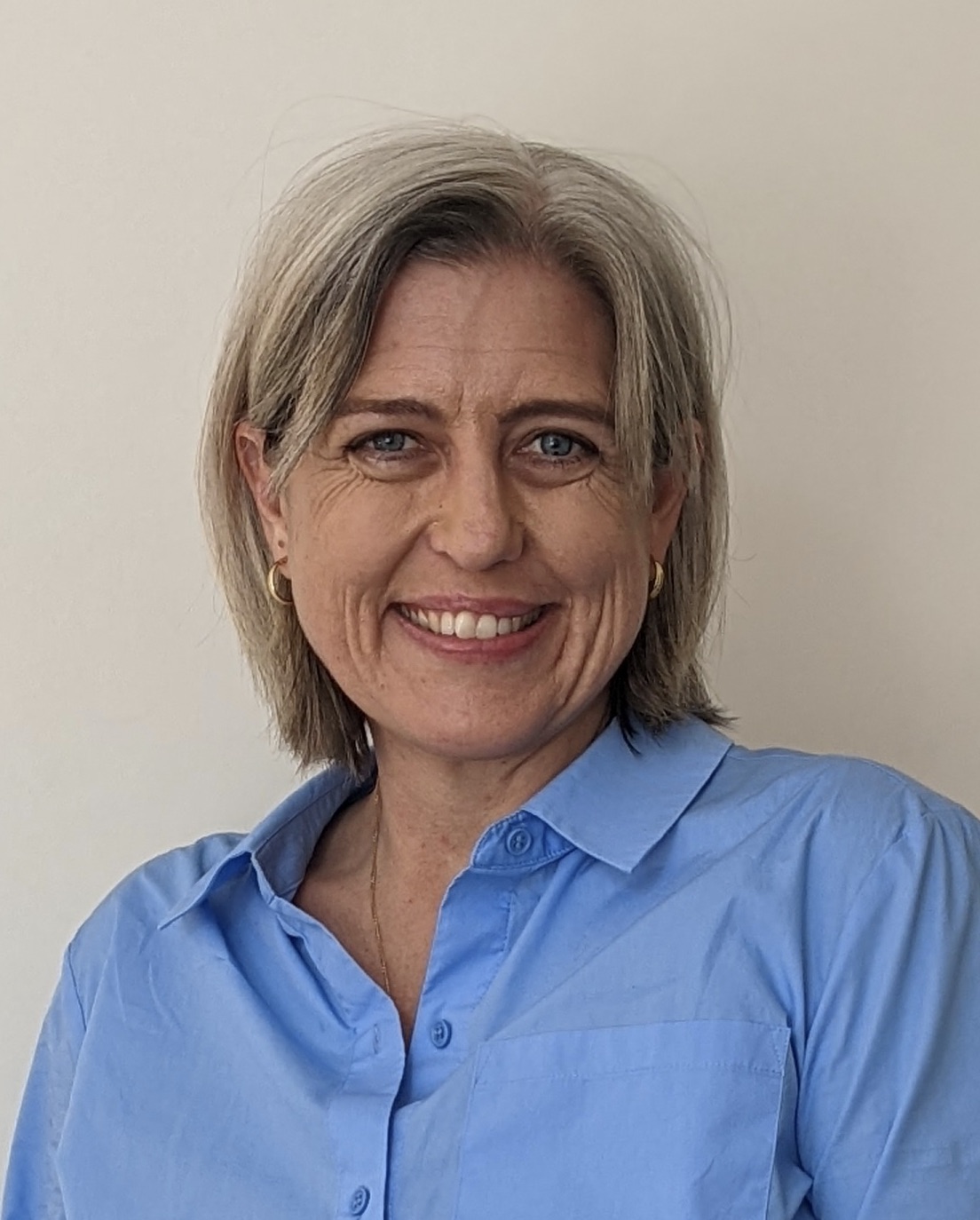
Erin Waters
- JCU Associate Professor
- erin.waters@jcu.edu.au
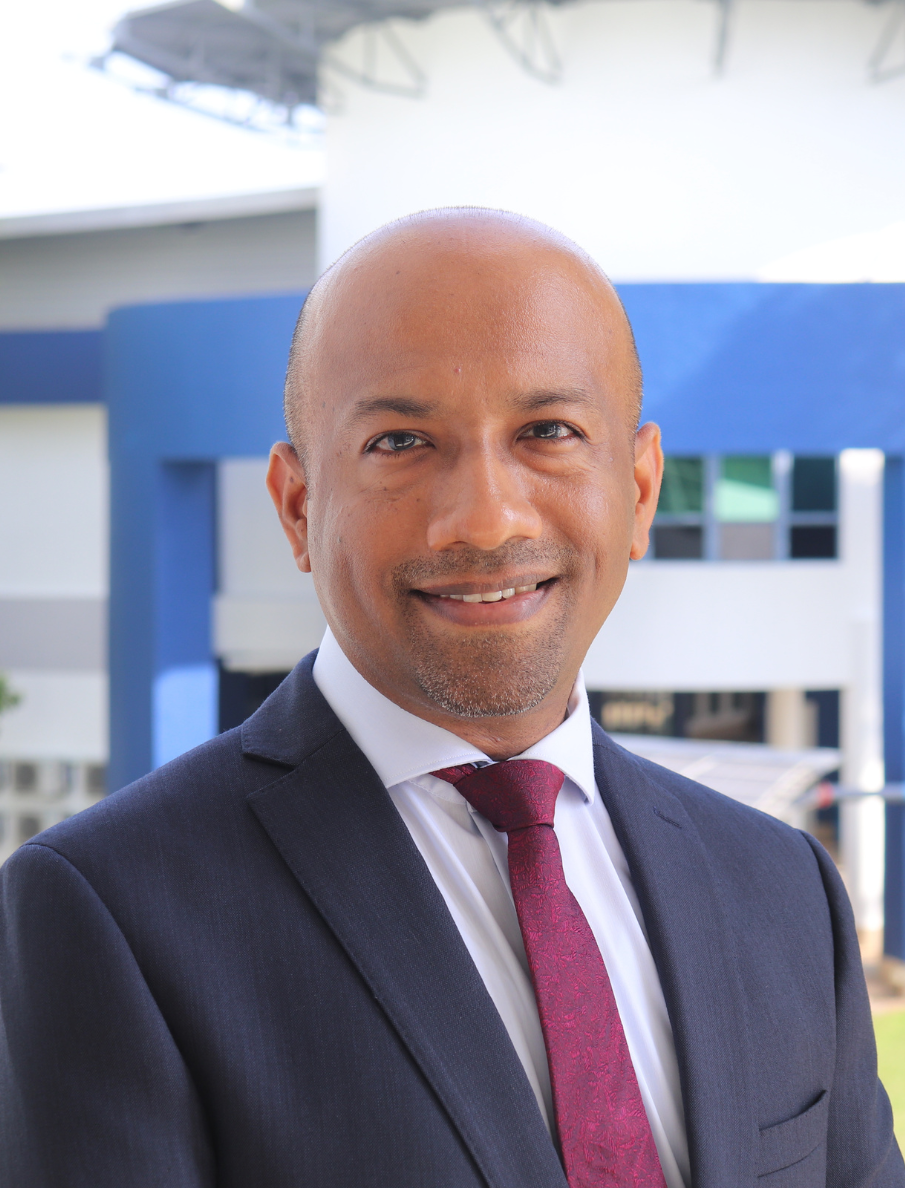
Kannan Maharajan
- Associate Professor, Pharmacy
- kannan.maharajan@jcu.edu.au

Fahmida Begum Mina
- Doctor of Philosophy (Medical, Molecular and Veterinary Sciences)
- fahmidabegum.mina@my.jcu.edu.au
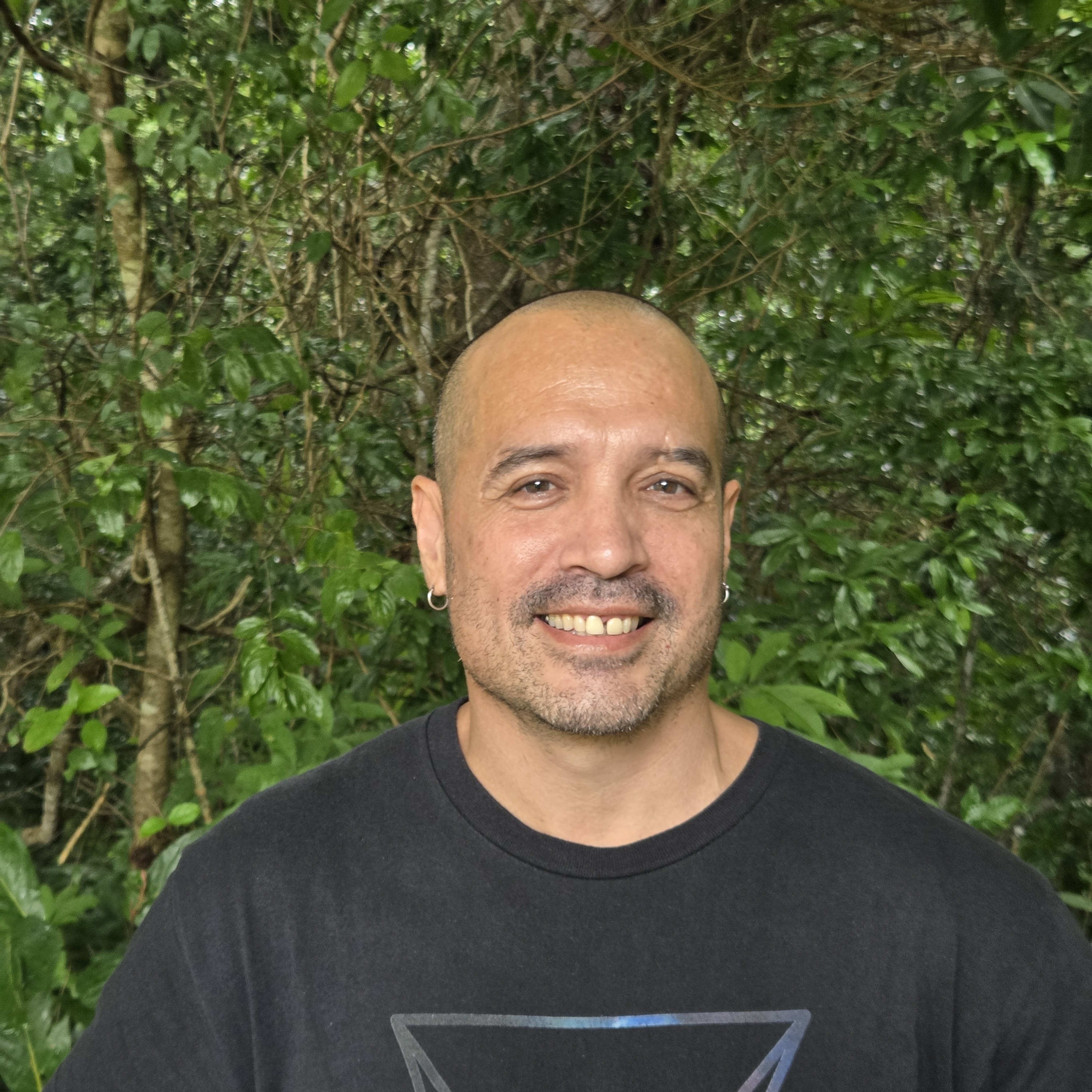
Kootsy Canuto
- Principal Research Fellow, Indigenous Men's Health Promotion
- kootsy.canuto@jcu.edu.au

Lynsey Brown
- Adjunct Senior Lecturer
- lynsey.brown@jcu.edu.au

Ali Isin
- Adjunct Senior Research Fellow
- ali.isin@jcu.edu.au

Muideen Olaiya
- Senior Research Fellow
- muideen.olaiya@jcu.edu.au
The prevalence of urinary tract infection, non-specific symptoms and antibiotic treatment in nursing home residents in an Australian tropical setting. (Old ID 22337)
Despite numerous causes, a change in mental state of a nursing home resident is often attributed a urinary tract infection (UTI). This project aims to quantify the prevalence of treated UTI, its non-specific symptoms and factors leading to treatment, in nursing home residents in tropical Australia. There is a possibility that antibiotics are used far more often in the tropics compared to more temperate climates. This finding would emphasise the problem of antibiotic resistance in nursing homes in the tropics compared to other regions, which has the potential to stress the importance that these issues be addressed.
Piloting a continuous quality improvement framework to strengthen quality of care in Aboriginal residential aged care (Old ID 27413)
This study responds to concerns raised in The Royal Commission report, 2021 that the Australian aged care system struggles to effectively manage people with complex care needs. Continuous Quality Improvement (CQI) is a method designed to improve the capacity and readiness of health services/staff to meet pre-determined goals/standards, and the quality of treatment and care, and implement health interventions. This project aims to assess the suitability of the CQI model for improving the quality of care in Aboriginal and Torres Strait Islander Residential Aged Care Facilities (RACF) by developing and implementing a CQI framework for Aboriginal and Torres Strait Islander RACF.
Increased awareness of and access to diabetes and tuberculosis care in New Ireland Province of Papua New Guinea (Old ID 22317)
The 3-year project is intended to (1) raise awareness of Diabetes and TB among the general populationin New Ireland Province (2) Train doctors, nurses, pharmacists and community health workers to effectively treat Diabetes and TB (3) Establish better monitoring of Diabetes and TB in remote areas with the help of electronic registry and mobile phone technology (4) conduct public health campaigns by the local health professionals and to screen and monitor the diseases with the help of mobile phone technology.
Antimicrobial peptide expression and metagenomic profiles of corals: a model for host microbiome interactions and a source of novel antibacterial medicines (Old ID 22908)
Antimicrobial peptide expression and metagenomic profiles of corals: a model for host microbiome interactions and a source of novel antibacterial medicines. The results from this grant also provide avenues to pursue further collaboration and grant funding in thearea of human health. This includes the results of aim 2 which has the potential to reveal targets forfurther development as antibacterial treatments. In addition, the techniques developed as part of aim 1could be effectively applied to explore the role of antimicrobial peptides in human gut microbiomedevelopment.This grant will add to a growing strength in proteomics and peptide characterisation research at JCU and will contribute to the collective track record required for collaborative funding bids such as LIEF funding for new mass spectrometry equipment.
Diabetes Collaborative Evaluation Project (Old ID 23599)
The diabetes collaborative is a Continuous quality Improvement (CQI) approach to change that aims to improve health outcomes for patients diagnosed with Diabetes. It involves the introduction of a team-based, sustainable approach to learning whilst providing a sound understanding and application of quality improvement methodology and skills. This project aims to evaluate the implementation and outcomes of the WQPHN diabetes collaborative. Expected outcomes of the equation will be a greater understanding of the process of implementation and any changes within participant health services as a result of the collaborative. Evaluation of the program in the rural and remote context of WQPHN will inform on feasibility and effectiveness of this approach.
Diabetes Collaborative Evaluation Project (Old ID 23599)
The diabetes collaborative is a Continuous quality Improvement (CQI) approach to change that aims to improve health outcomes for patients diagnosed with Diabetes. It involves the introduction of a team-based, sustainable approach to learning whilst providing a sound understanding and application of quality improvement methodology and skills. This project aims to evaluate the implementation and outcomes of the WQPHN diabetes collaborative. Expected outcomes of the equation will be a greater understanding of the process of implementation and any changes within participant health services as a result of the collaborative. Evaluation of the program in the rural and remote context of WQPHN will inform on feasibility and effectiveness of this approach.
Leveraging NQ telehealth experience for contextually-informed process guidelines to optimise health service access, quality and safety in rural and remote Australia
Use of telehealth in north Queensland has evolved early and rapidly in response to the health service needs of a culturally diverse population spread over a large area. This project maps knowledge about existing telehealth usage, examines strategies for safe and high quality use, including cultural acceptability and co-develops guidelines for health care providers and consumers for the optimal usage of telehealth across north Queensland. This is likely to be applicable across other RRR areas.
Leveraging NQ telehealth experience for contextually-informed process guidelines to optimise health service access, quality and safety in rural and remote Australia
Use of telehealth in north Queensland has evolved early and rapidly in response to the health service needs of a culturally diverse population spread over a large area. This project maps knowledge about existing telehealth usage, examines strategies for safe and high quality use, including cultural acceptability and co-develops guidelines for health care providers and consumers for the optimal usage of telehealth across north Queensland. This is likely to be applicable across other RRR areas.
Seed funding -improving stroke management by characterising the ischaemic penumrba proteome.
Current therapies for stroke work by restoring the blood supply to the brain to rescue oxygen-starved tissue at risk of dying (known as the ischaemic penumbra). Consumer groups highlight that therapies to slow the death of cells in the penumbra is a priority, however, surprisingly little is known about the biology of this tissue. This study will utilise laboratory models of stroke, and apply modern imaging, proteomic and bioinformatic approaches to characterise the major pathways driving penumbra phenotype. Generated data will provide a world's first perspective into penumbra biology as an important foundation for subsequent grants seeking to test potential therapuetic targets.
Documenting Indigenous Plant Knowledge to Strengthen Conservation Management in Kwaio, Solomon Islands (Old ID 22880)
The project is designed to deliver ongoing capacity-strengthening activities and training in project management, organizational governance and financial management to enhance local conservation efforts in the central mountains of the island of Malaita, Solomon Islands. Our larger goals include setting up a Kwaio CSO to manage conservation activities in the area (see “Project Objectives” below), protect and conserve priority species on Malaita, and in the longer-term, work toward creating Protected Areas to protect globally threatened species. We also hope the project will serve as a conservation model for other Malaitan and Solomon Islands communities. The project is taking place with people of the Kwaio language group. The mountain Kwaio people are the largest Solomon Islands group still practicing their indigenous ancestral religion. The biodiversity conservation project is documenting the deep local knowledge of medicinal plants and bush foods found in the rainforest of Malaita, and building capacity to undertake similar projects in the future.
Regenerating lizard tails: A new model for investigating lymphangiogenesis
- 2003
- Researchers:Suzy Munns
Association of osteoprotegerin with human abdominal aortic aneurysm progression
- 2005
- American Heart Association
- Researchers:Jonathan Golledge
A simple plan: cnidarians and the origins of developmental mechanisms
- 2004
- Nature Publishing
- Researchers:David Miller
Start Date:
01 Jan 1997
Start Date:
01 Jan 2006
End Date:
01 Jan 2007
Start Date:
01 Jan 2003
End Date:
01 Jan 2009
Start Date:
01 Jan 2003
End Date:
01 Jan 2004
Start Date:
01 Jan 2002
End Date:
01 Jan 2007
Start Date:
01 Jan 1999
End Date:
01 Jan 2000
Start Date:
01 Jan 2000
End Date:
01 Jan 2000
Start Date:
01 Jan 1999
End Date:
01 Jan 1999
Start Date:
01 Jan 2017
Start Date:
01 Jan 1998
End Date:
01 Jan 1998