
College of Medicine & Dentistry
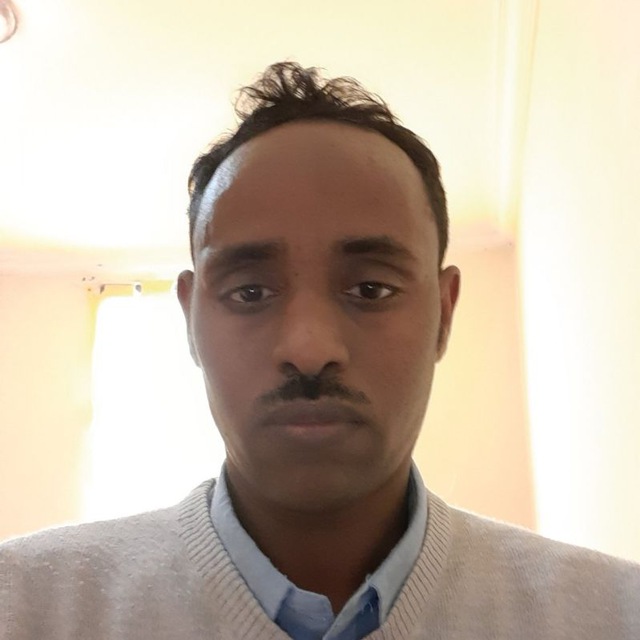
Semagn Abate
- Doctor of Philosophy (Health)
- semagn.abate@my.jcu.edu.au

Joseph Kamara
- Senior Lecturer Disaster Health and Humanitarian Assistance
- joseph.kamara@jcu.edu.au

Eric Kalo
- Lecturer Medical Education
- eric.kalo@jcu.edu.au
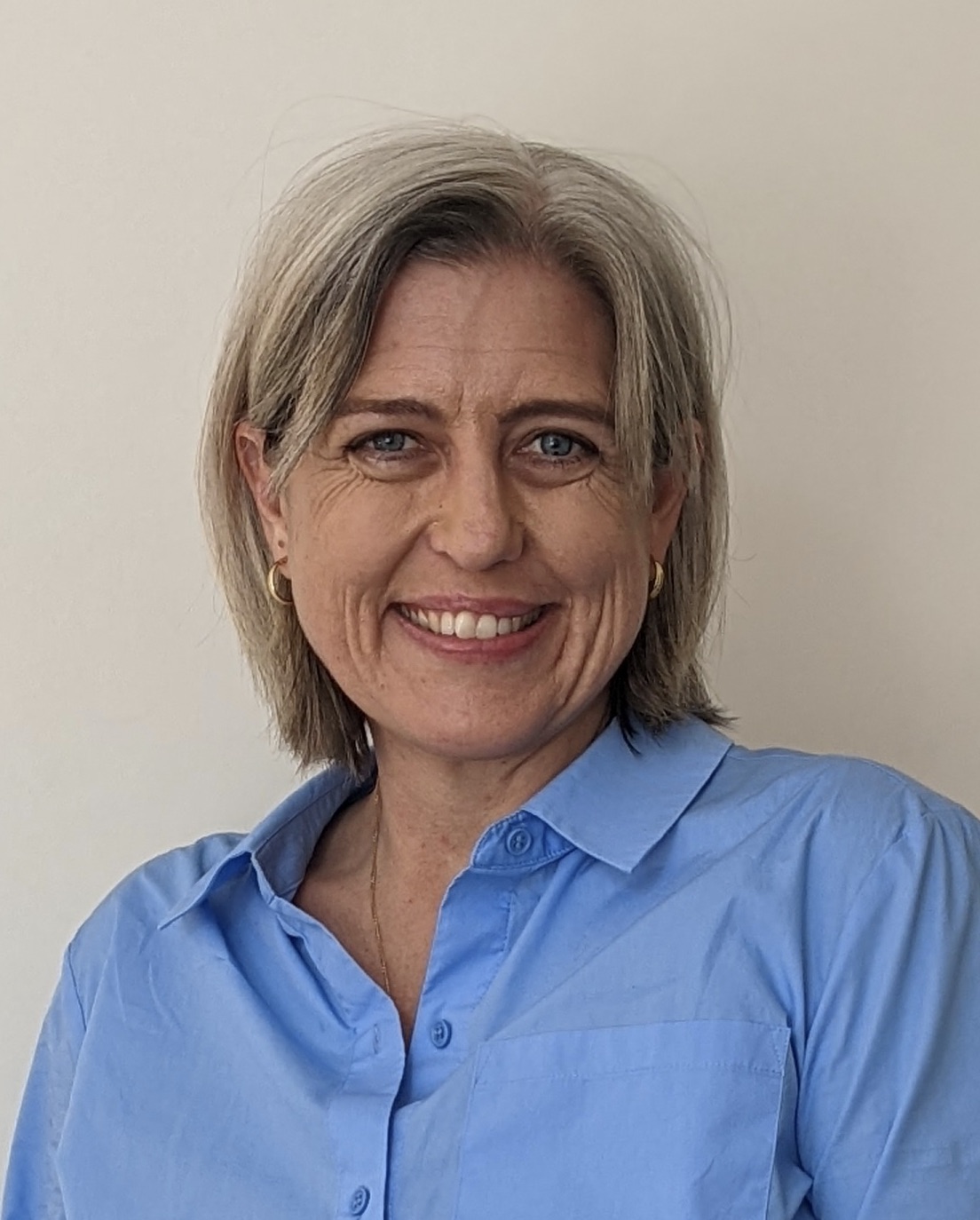
Erin Waters
- JCU Associate Professor
- erin.waters@jcu.edu.au

Kannan Maharajan
- Associate Professor, Pharmacy
- kannan.maharajan@jcu.edu.au

Fahmida Begum Mina
- Doctor of Philosophy (Medical, Molecular and Veterinary Sciences)
- fahmidabegum.mina@my.jcu.edu.au
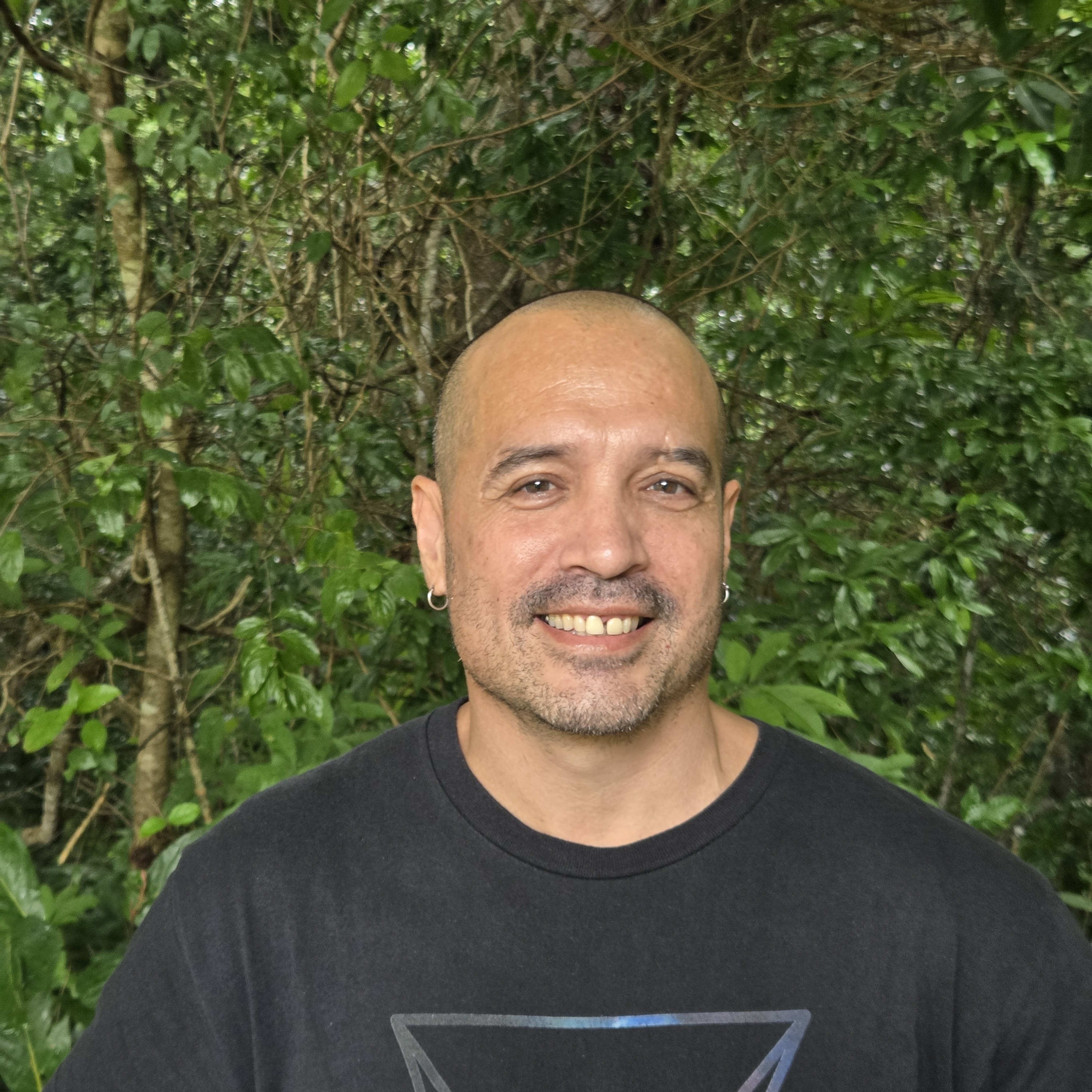
Kootsy Canuto
- Principal Research Fellow, Indigenous Men's Health Promotion
- kootsy.canuto@jcu.edu.au

Lynsey Brown
- Adjunct Senior Lecturer
- lynsey.brown@jcu.edu.au

Ali Isin
- Adjunct Senior Research Fellow
- ali.isin@jcu.edu.au

Muideen Olaiya
- Senior Research Fellow
- muideen.olaiya@jcu.edu.au
Securing the frontline for health secure communities (Old ID 26522)
The aim is to build capacity to detect/respond to infectious disease outbreaks through frontline public health (human and animal) workforce which includes community members, volunteers, community health workers, environmental health workers, biosecurity and environmental officers and primary health care staff. This will be achieved through: Strengthened capability at community/primary care levels to anticipate outbreaks; Improved response at early stages of potential outbreaks; A quality timely and thorough response to outbreaks at the frontline level ; An operational learning and feedback process for continued improvement and currency of detection of and response to infectious diseases outbreaks.
Securing the frontline for health secure communities (Old ID 26522)
The aim is to build capacity to detect/respond to infectious disease outbreaks through frontline public health (human and animal) workforce which includes community members, volunteers, community health workers, environmental health workers, biosecurity and environmental officers and primary health care staff. This will be achieved through: Strengthened capability at community/primary care levels to anticipate outbreaks; Improved response at early stages of potential outbreaks; A quality timely and thorough response to outbreaks at the frontline level ; An operational learning and feedback process for continued improvement and currency of detection of and response to infectious diseases outbreaks.
Metformin in the management of abdominal aortic aneurysm (MAGIC) (Old ID 25135)
MAGIC will be the first trial to assess the value of metformin wiuth significant preliminary data to suggest it can slow AAA growth. This trial offers the possibility of identifying a new treatment modality for an increasingly common condition, which would markedly change clinical practice.
Tele-DFD: Remotely providing effective healthcare for diabetic foot disease (Old ID 27644)
Current models of care for diabetes-associated foot disease (DFD) management are not sustainable due to the recurring nature of this condition and lead to enormous social and economic burden (~$24 million / year). Models of healthcare that are financially viable and effective at meeting the challenges of the dispersed population of Northern Australia are urgently needed to reduce the rates of DFD-related amputations, and costs associated with preventable hospital admissions and ongoing treatment. This project will test whether a telehealth model of care (Tele-DFD) is more effective at achieving secondary prevention than the current usual face to face consultation model. If effective this model offers the potential of improved health outcomes and substantially reducing geographic disparity and social and economic burden from DFD.
Tele-DFD: Remotely providing effective healthcare for diabetic foot disease (Old ID 27644)
Current models of care for diabetes-associated foot disease (DFD) management are not sustainable due to the recurring nature of this condition and lead to enormous social and economic burden (~$24 million / year). Models of healthcare that are financially viable and effective at meeting the challenges of the dispersed population of Northern Australia are urgently needed to reduce the rates of DFD-related amputations, and costs associated with preventable hospital admissions and ongoing treatment. This project will test whether a telehealth model of care (Tele-DFD) is more effective at achieving secondary prevention than the current usual face to face consultation model. If effective this model offers the potential of improved health outcomes and substantially reducing geographic disparity and social and economic burden from DFD.
Sero-prevalence and Genotypic Characterization of Hepatitis B Virus Infections in the ABO Blood Types in Papua New Guinea Blood Donors. (Old ID 31113)
Donor blood is clinically significant, and yet, transports pathogens such as the hepatitis B virus. This study will explore the risks factors and ABO blood types associated with genotypic sero-prevalence and their influence on blood donor compliance. The results of which will contribute to improving current blood donation practices in Papua New Guinea.
Establishing the North Queensland Liver Tumour Library: Improving HCC detection and treatment. (Old ID 27780)
The project will provide certain data on the usefulness of using liquid biopsy to diagnose HCC in Rural, regional and Remote patients, identify new liquid biopsy targets and test a new therapeutic approach to treat HCC.
Interaction between parathyroid hormone, sclerostin and the wingless pathway in abdominal aortic aneurysm (Old ID 19349)
Approximately 5% of men and 1% of women aged over 60 years develop weakening of the main abdominal artery. Currently the management of artery weakening is focused on surgery with no effective medications available. In this study we will assess the role of a novel pathway in artery weakening. Improved understanding of the mechanisms causing artery degeneration is crucial to target the development of better ways to treat this common problem.
Electronic medical record quaity impact (eMEDI-QI) Study (Old ID 27069)
This study involves application of a daa extraction tool to detect patients at risk for familial hypercholesterolaemia (FH). People with FH are at inceased risk of premature death from coronary artery diseases. The dominent genetic natgure means at least one parent of the patient will have FH, and 50% and 25% chance of their siblings and children having FH respectively. It's estimated only 10% of patients are currently identified. The aim is to identify patients with FH and target the 50% of first-degree relatives in families with FH. Identifying patients with FH benefits with patient, siblings, parents and future generations.
Women's Action for Mums and Bubs (WOMB): A pragmatic trial of participatory women's groups to improve Indigenous maternal and child health (Old ID 23276)
There is strong evidence elsewhere that involving community women in decision-making about strategies to improve the health of mothers and babies is a cheap and effective way of improving health. The WOMB study tests whether community women's groups improve the quality of maternal and child health care and outcomes in Aboriginal and Torres Strait Islander communities, the cost-effectiveness and mechanism of action.
Regenerating lizard tails: A new model for investigating lymphangiogenesis
- 2003
- Researchers:Suzy Munns
Association of osteoprotegerin with human abdominal aortic aneurysm progression
- 2005
- American Heart Association
- Researchers:Jonathan Golledge
A simple plan: cnidarians and the origins of developmental mechanisms
- 2004
- Nature Publishing
- Researchers:David Miller
Start Date:
01 Jan 2010
Start Date:
01 Jan 2010
Start Date:
01 Jan 2025
Start Date:
01 Jan 2015
Start Date:
01 Jan 2007
Title:
MRCPCH UK
Start Date:
01 Jan 2002
Start Date:
01 Jan 2026
End Date:
01 Jan 2026
Start Date:
01 Jan 2020
Start Date:
01 Jan 2025