
College of Medicine & Dentistry
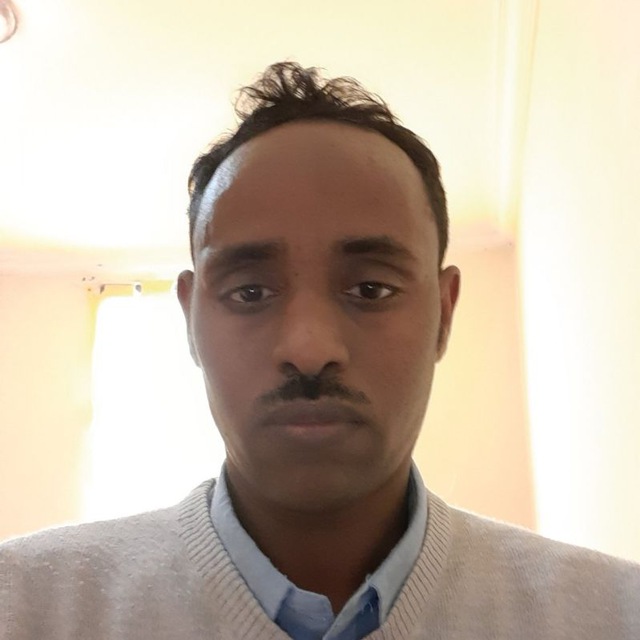
Semagn Abate
- Doctor of Philosophy (Health)
- semagn.abate@my.jcu.edu.au

Joseph Kamara
- Senior Lecturer Disaster Health and Humanitarian Assistance
- joseph.kamara@jcu.edu.au

Eric Kalo
- Lecturer Medical Education
- eric.kalo@jcu.edu.au
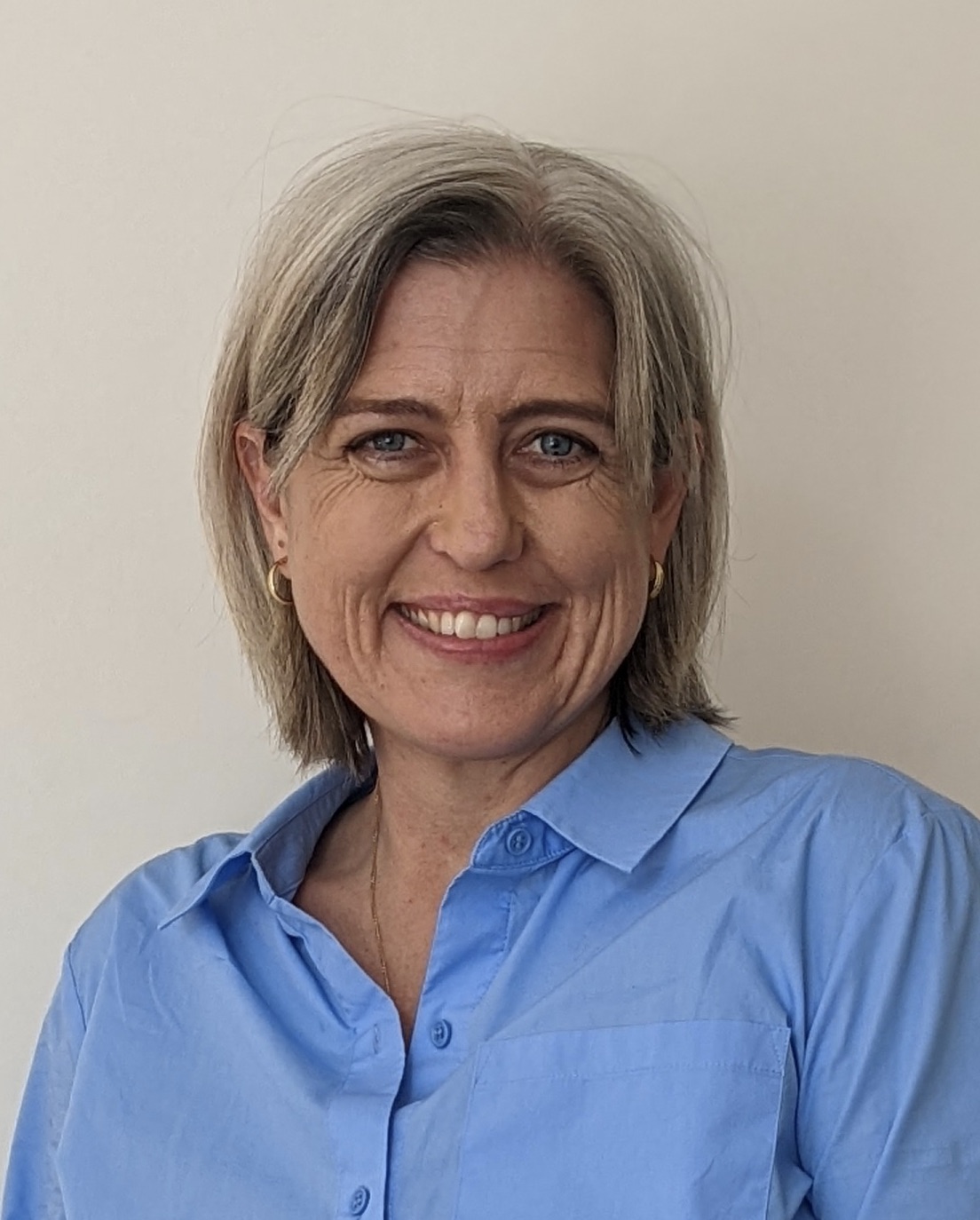
Erin Waters
- JCU Associate Professor
- erin.waters@jcu.edu.au

Kannan Maharajan
- Associate Professor, Pharmacy
- kannan.maharajan@jcu.edu.au

Fahmida Begum Mina
- Doctor of Philosophy (Medical, Molecular and Veterinary Sciences)
- fahmidabegum.mina@my.jcu.edu.au

Lynsey Brown
- Adjunct Senior Lecturer
- lynsey.brown@jcu.edu.au

Ali Isin
- Adjunct Senior Research Fellow
- ali.isin@jcu.edu.au

Muideen Olaiya
- Senior Research Fellow
- muideen.olaiya@jcu.edu.au

Mila Grinblat
- Postdoctoral Research Fellow
- mila.grinblat@jcu.edu.au
Research into the lived experiences of Australian South Sea Islander people, including levels of disadvantage (DES1231850)
This contract research will explore lived experiences of Australian South Sea Islander people, including levels of disadvantage, using an exploratory qualitative research methodology and methods to build upon existing ABS data (including Index of Relative Socio-Economic Disadvantage), peer-reviewed literature and reports. The Queensland Government (Department of Environment and Science) in partnership with Multicultural Affairs Queensland are working with the Queensland United Association of South Sea Islander Communities (QUASSIC) to understand the experiences of Queensland South Sea Islanders. There is a lack of current and relevant data to evidence how it is to live as a South Sea Islander in Queensland. The President and of QUASSIC and the Research Lead of the QUASSIC Research Institute approached Redman-MacLaren (PI) to submit this application.
The study will identify and analyse existing data to inform the design, implementation and reporting of an exploratory, qualitative study to answer the research question: What are the lived experiences of Australian South Sea Islander people in two regional Queensland communities, including levels of disadvantage?
Informed by the Melanesian-developed Tok Stori research methodology, multigenerational family interviews will be facilitated by emerging South Sea Islander researcher, Ms Zia Quakawoot, with South Sea Islander families in Rockhampton and Bundaberg. These communities have been chosen as current health research is occurring in Mackay region (large SSI community) and we wish to explore a broad range of experiences while reducing risk of research fatigue. The stages of the research will be: 1) community engagement in Rockhampton and Bundaberg to ensure community support; 2) multigenerational family stories (min. n=8; approx. 24 people); participatory data analysis (with Quakawoot & QUASSIC leaders); Community meetings to discuss findings & recommendations; and 4) report submitted to Qld Govt.
Strengthening and enhancing the utility of a neuropsychological tool for dementia in First Nations People
This study will strengthen and enhance the utility of the KICA tool, enabling earlier and more effective diagnosis of dementia and mild neurocognitive disorder in older Aboriginal and Torres Strait Islander peoples. Firstly, we will review and revise the current KICA tool though collaborative co-design with Elders and clinicians, and research teams who have adapted the KICA in other settings. Next, we will revise and validate a revised KICA tool with Aboriginal and Torres Strait Islander peoples aged 45 years and above, sampled from 4 different sites across Australia. Lastly, we will co-design training packages and facilitate translation of the revised KICA into policy and practice.
Characterisation of avian circovirus protein complexes: A crucial step in tackling fatal viral infection in birds
This project aims to better understand how the beak and feather disease virus (BFDV) is assembled. The virus affects Australian native birds, which are currently endangered or critically endangered and has the potential to disrupt native ecosystems. By using interdisciplinary research, this project will generate fundamental knowledge by which BFDV protein complexes are formed. The intended outcomes of the project include the identification of key binding interfaces involved in viral formation processes. This information intends to guide cost-effective delivery of potential anti-viral options or vaccines for endangered Australian native parrots, and for use as a model to target other pathogenic DNA viruses of interest.
Evaluation of a novel model of dermatology outpatient care, designed to enhance services to underserved regional and rural areas. (Old ID 27133)
This project will pilot a novel model of specialist outpatient care in dermatology. In this model, patients referred for a specialist dermatology opinion at Townsville University Hospital will be seen in a satellite clinic, by a GP with a special interest (GPSI) in dermatology. The GPSI will provide specialist dermatology services with support from a remotely located dermatologist, via two telemedicine platforms: A) Store-and-forward telemedicine (SAFT) platform – to transfer information to the remotely-located specialist (asynchronous); B) Video-link Case conferencing between the specialist and the GPSI (real-time, synchronous)
Economic Assessment of disability models of care in remote communities (Old ID 27272)
The project is a two-year study to conduct a health economic assessment comparing three service delivery models for allied health in Northern Australia. The models are fly-in fly-out service, established allied health professional services, and student-implemented services. The sites where the study will be conducted are Weipa, Katherine, Galiwinku and Nhulunbuy. The student implemented model (Nhulunbuy, Weipa) will be the only new service to be provided. Data on number of occasions of service and costs associated with the service delivery will be assessed across all models of care. The student-assisted model will allow for some additional data to be collected- quality of life and community engagement.
Outcomes of SGLT-2 Inhibitor induced Euglycaemic Diabetic Ketoacidosis in North Queensland Intensive Care Units: a Retrospective Cohort Study
This study will examine all ICU outcomes, including but not limited to; mortality, length of stay, use of ventilator, pertaining to SGLT-2 inhibitor induced euglycaemic ketoacidosis over a period of 8 years at the nominated study sites. A secondary aim will be to compare these findings to ICU outcomes of diabetic ketoacidosis patients, sex/age/co-morbidity matched. The data will be analysed to primarily determine differences between both groups, with the aim to develop an understanding of the unique natural history and risk factors of euglycaemic ketoacidosis.
Development of bivalent degraders targeting Aurora kinase A for the treatment of polycystic kidney disease (Old ID 31137)
Autosomal Dominant Polycystic Kidney Disease (ADPKD) is the most common, potentially fatal, monogenic disease. It is characterised by hyperproliferative formation of fluid-filled cysts from renal epithelia, which progressively ablate healthy renal tissue requiring dialysis or renal transplant to prevent death. It affects 1 in 500-1000 Australians and makes up 5% of end stage renal disease patients. The only approved therapy is a drug called tolvaptan, which inhibits the vasopressin receptor, thereby treating a symptom. Unsurprisingly, tolvaptan has only modest benefits, increasing patient lifespan by ~2.6 years at a cost of US$744K per quality-of-life-year gained. The drug has considerable side effects, including the potential for liver toxicity, with a borderline cost-benefit-risk profile. Consequently, ~24% patients discontinue use. Recently, a Phase II/III trial of Sanofi’s heralded breakthrough therapy, venglustat, was halted due to failure to prevent cyst growth. Rapamycin has also failed in clinical trials previously. As such, any therapeutic treatment that could halt/slow disease progression would be paradigm-shifting to meet this unmet need. We have shown that ADPKD can be halted by genetic ablation of Aurora kinase A (AURKA). Thus, AURKA is a key driver of this disease. We have now developed a small molecule that potently degrades AURKA at low nanomolar levels. This targeted protein degrader (TPD), which we call TPD100, is on the precipice of a significant value inflexion point that will be realized through the combination of its current in vitro cell-based and in vivo potency, combined with a future strong intellectual property position, and evidence of efficacy and safety in ADPKD animal models. This grant will support the development of a novel and patent-protected TPD that is safe and efficacious in ADPKD animal models with once-weekly subcutaneous dosing, representing a very attractive investment package as we progress towards a human ADPKD therapy.
Megalithic connections: Investigation and Digital Conservation of imperilled cultural heritage in Laos and India (Old ID 27791)
This interdisciplinary project aims to explore the cultural connections between the geographically disparate megalithic cultures of Laos and India and to create an enduring digital record of these threatened cultural assets. Using archaeological science and pioneering technologies the project will create new knowledge, museum exhibitions, strengthening cultural relations and public diplomacy. The research will advance archaeological knowledge, heritage management processes and lead to economic, social and cultural benefit in these regions. With an increasing awareness of the need to protect and conserve global cultural assets, there is an opportunity for Australia to take a lead in developing innovative technological solutions.
Development and Evaluation of Lived Experience Peer Support Intervention for Mental Health Service Users in Primary Care
2 aspects to this project including a primary care co-design phase and then an intervention phase, with the overall goal of hosting peer support workers in primary care to provide mental health support. Lived experience peer support has been used in many mental healthcare contexts, but not in primary care. Peers walk alongside consumers to improve their self-efficacy and personal recovery. Peer support will improve access, engagement and support for people with mental ill-health in primary care.
Better Blood Biomarkers for ME/CFS
Recent ME/CFS research focuses on blood biomarkers for diagnosis, prognosis, and treatment monitoring. Immune dysregulation, mitochondrial dysfunction, and metabolic changes are highlighted as key pathways. Omics technologies aid in discovering novel biomarkers and understanding disease heterogeneity. Challenges like sample variation and reproducibility underscore the importance of collaboration and standardization. Despite obstacles, biomarker discovery offers potential for early detection, personalized treatment, and better outcomes. This research signals a move towards precision medicine in ME/CFS management, promising transformative impact in clinical practice.
An unusual helminth infection in a South East Asian refugee
- 2010
- Australasian College of Tropical Medicine
- Researchers:Richard Bradbury
Active deprescribing attitudes and practices in a large regional tertiary health service: a mixed methods study
- 2024
- Wiley-Blackwell
- Researchers:Venkat VangavetiMichael Robinson
Start Date:
01 Jan 2011
End Date:
01 Jan 2011
Start Date:
01 Jan 2018
Start Date:
01 Jan 2013
End Date:
01 Jan 2013
Title:
NavigateYOU
Start Date:
01 Jan 2025
Start Date:
01 Jan 2014
End Date:
01 Jan 2014
Start Date:
01 Jan 2017
End Date:
01 Jan 2017
Start Date:
01 Jan 2018
End Date:
01 Jan 2018
Title:
Presenter Medical student peer-teaching motivational factors: Using self-determination theory
Start Date:
01 Jan 2023
End Date:
01 Jan 2023
Start Date:
01 Jan 2018
End Date:
01 Jan 2018
Start Date:
01 Jan 2018
End Date:
01 Jan 2019