
Engineering
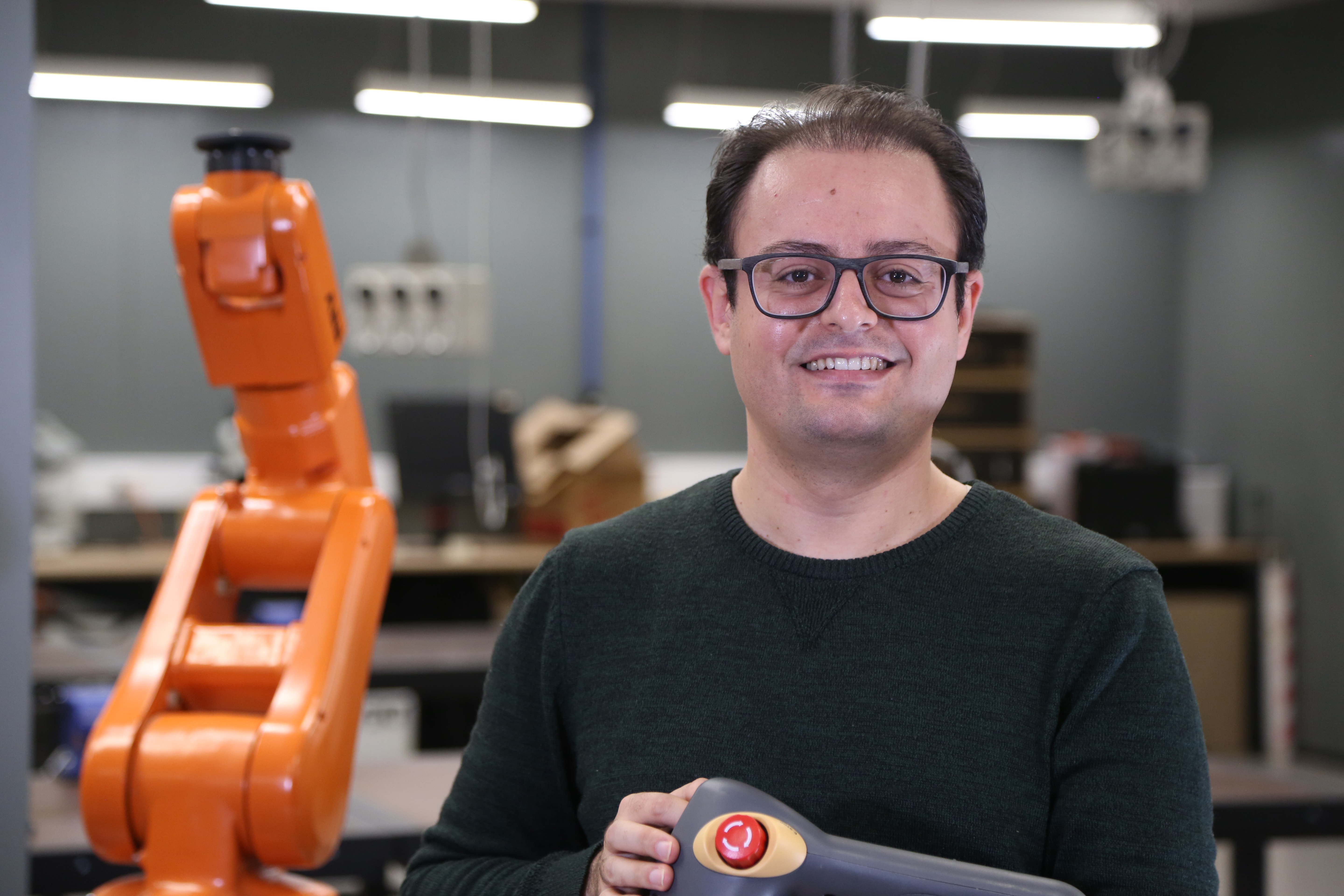
Mohamadreza Chalak Qazani
- Lecturer, Mechanical Engineering
- mohamadreza.chalakqazani@jcu.edu.au
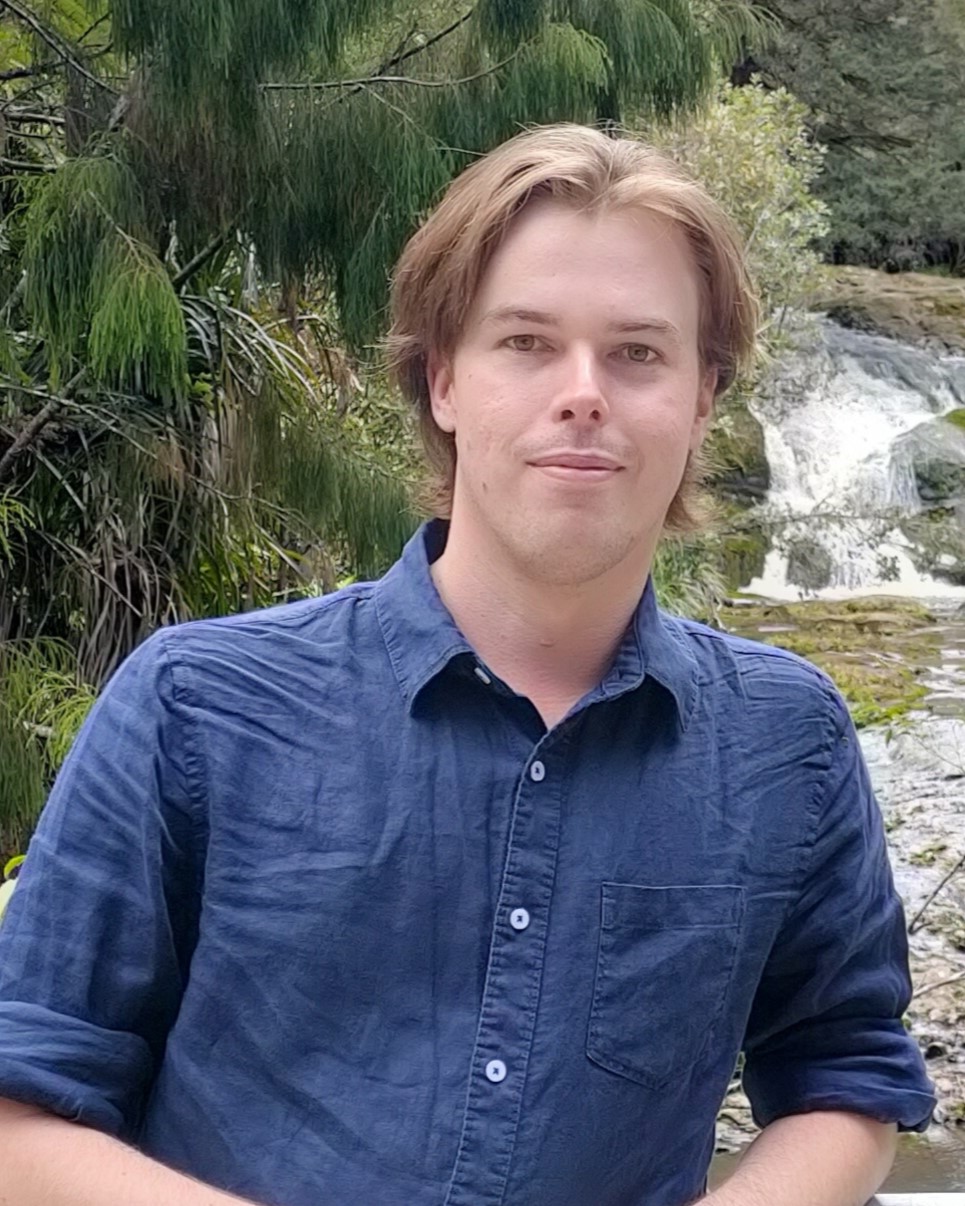
Lewis Gooch
- Lecturer
- lewis.gooch@jcu.edu.au

Judy Yang
- Postdoctoral Research Fellow, Applied AI for Forestry Weed Detection and Mapping
- judy.yang@jcu.edu.au

Bouchra Senadji
- Head, Engineering
- bouchra.senadji@jcu.edu.au
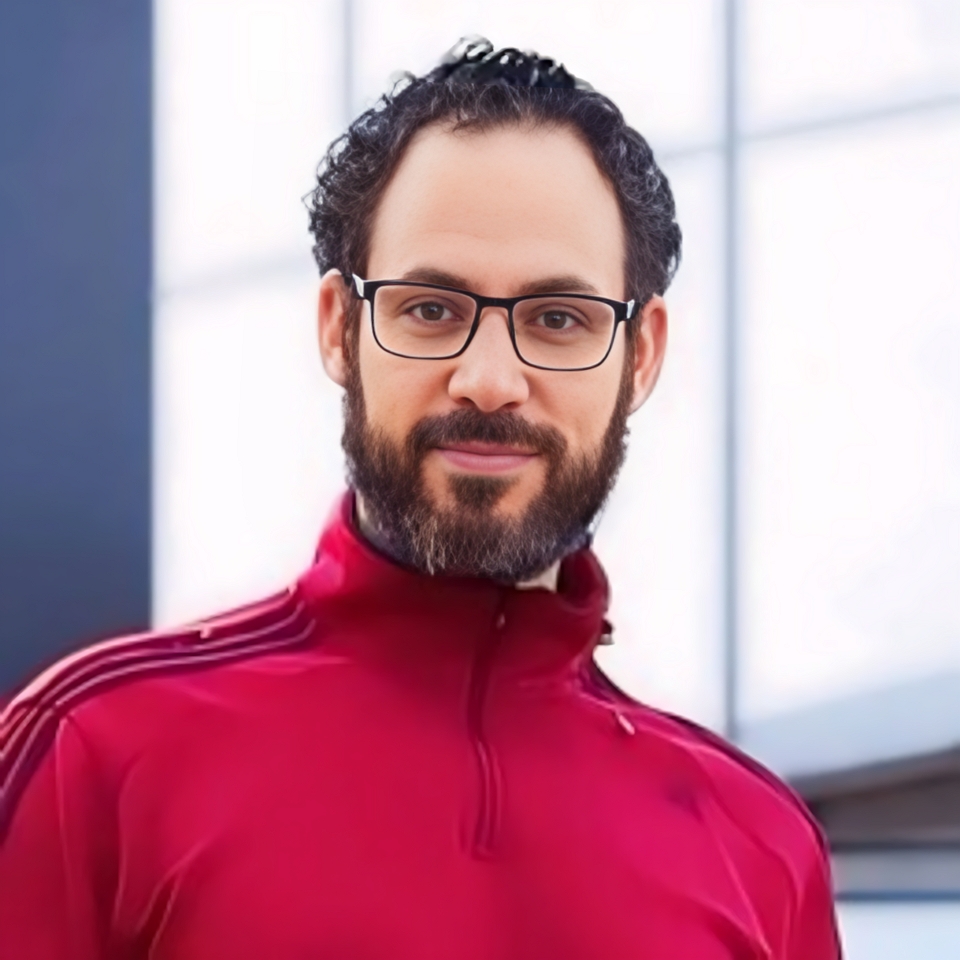
Alzayat Saleh
- AIMS@JCU Postdoctoral Research Fellow, Marine Science Technology
- alzayat.saleh@jcu.edu.au

Anne Steinemann
- Adjunct Professor
- anne.steinemann@jcu.edu.au

Nico Adams
- Professor, Electronic Systems & IoT Engineering
- nico.adams@jcu.edu.au
Elsa Antunes
- Associate Professor, Mechanical Engineering
- elsa.antunes1@jcu.edu.au

Eric Wang
- Senior Lecturer, Electronic Systems and IoT Engineering
- eric.wang@jcu.edu.au

Yang Du
- Senior Lecturer, Electronic Systems and IoT Engineering
- yang.du@jcu.edu.au
Plasma polymers from natural extracts for wound healing applications (Old ID 27080)
Radio Frequency Plasma Enhanced Chemical Vapour Deposition (RF-PECVD) will be used to fabricate thin films from natural extracts and study their wound healing properties. RF-PECVD is a promising strategy to incorporate the developed thin films from volatile natural extracs, and thereby find applications in wound dressings. Wound healing will be enhanced by the inhibition of pro-inflammatory cytokines and the promotion of cell proliferation. This research also addresses optimising the wound healing properties of the thin films and conditions at which the desirable properties can be preserved/enhanced, so it could be effectively modified in order to fit specific wounds.
Mitigation of Losses in Qld from Extreme Wind Events (Old ID 24934)
The objective of the project is to investigate and inform on aspects of building doles/standards and implementation to mitigate losses from extreme win events including Cyclones.
Enhancing AI detection of dugong and other marine megafauna species (Old ID 30032)
Standardised aerial surveys have been conducted across northern Australia for over three decades to monitor dugong populations. JCU is currently monitoring dugongs across the entire eastern Queensland coast using conventional observer survey approach. In parallel to the monitoring work, JCU is experimenting the use of aerial images to conduct these large scales surveys. Preliminary results from the image processing work reveals that substantial efforts need to be put in to streamline and fast-track the processing of large image datasets to make imagery survey a cost-effective approach in the future. An AI for detecting dugongs is available but was developed based on images collected in Western Australian waters, a different habitat compared to eastern Queensland inshore waters. Preliminary tests ran by our team suggest that the current AI requires additional research work to improve its level of precision while other competitive AIs also need to be investigated. Upon completion of our tests, our team will outline steps toward the improvement of the current AI and/or exploration of alternative methods with the end goal of producing an automated approach that fast-tracks the processing of large image datasets collected during large-scale marine wildlife surveys.
Sugar-AI: Smart Sugarcane Health Monitoring and Ratoon Stunting Disease (RSD) Detection with Satellite Remote Sensing and Machine Learning (Old ID 30057)
The aim of the Sugar-AI project is to develop a prototype smart software system for sugarcane health monitoring. The prototype will focus on accurately diagnosing Ratoon Stunting Disease (RSD), which is considered by most sugarcane pathologists globally to be the most important disease that impacts on sugarcane yields between 5-60%.
Internet of Things and Big Data Analytics for Cairns Marine (Old ID 26460)
This project will assist to analyse the large repository of data held by Cairns marine in relation to its full operations, i.e., from harvest to husbandry, inventory tracking and sales fulfilment. The physical systems currently in use at Cairns Marine are extensive and complex, involving a range of activities in Northern Australia, all activities on site (including R&D) in Cairns and full product (marine animals) stewardship to destination. A deep and informed understanding of data is required by the business to meet its growing global product commitments.
Internet of Things and Big Data Analytics for Cairns Marine (Old ID 26460)
This project will assist to analyse the large repository of data held by Cairns marine in relation to its full operations, i.e., from harvest to husbandry, inventory tracking and sales fulfilment. The physical systems currently in use at Cairns Marine are extensive and complex, involving a range of activities in Northern Australia, all activities on site (including R&D) in Cairns and full product (marine animals) stewardship to destination. A deep and informed understanding of data is required by the business to meet its growing global product commitments.
NESP 3.4 Better management of catchment runoff to marine receiving environments in northern Australia. (Old ID 28969)
Runoff from catchments in northern Australia has the potential to carry large amounts of sediment and nutrients. These available nutrients are important in driving coastal and estuary productivity, including many commercially and recreationally targeted species. Water resource development in northern Australia could reduce the supply of freshwater flow to the coast, thereby limiting supply of nutrients. This research project will examine the potential risks water resource development presents to Gilbert (QLD), Daly (NT) and Ord (WA) marine and coastal areas. We will complete a literature review, undertake flood plume modelling and examine vegetation damage along these coastal areas.
Identification of benthic structure using machine learning (Old ID 26732)
The Project aims at automating the classification of benthic structure and biota from images using machine learning
Fresh and Secure Trade Alliance (FASTA) (Old ID 30029)
FASTA is a national research initiative designed to protect and grow Australia's horticultural exports. Within the overall consortium, JCU is developing smart sensor technologies for a variety of pre- and post-harvest applications. We will develop smart traps for real-time monitoring of insect pests in the field and near-infrared spectroscopy methods to identify the species of insects to contribute to management efforts. We will also develop optical scanning methods to remove infested produce from supply chains. Overall, this work contributes towards a large-scale national effort to improve market access, biosecurity and pest management for Australian horticulture.
Millimeter-wave radar for monitoring animals in the airspace (Old ID 28946)
This project aims to develop a prototype of a millimetre-wave imaging radar for the detection of animals in the airspace. These radar systems have been developed for the automotive industry but have yet to be assessed for their capability as a detection tool for biological targets such as insects, birds and bats. There is a huge market gap for low-cost biological sensors in industries such as agriculture, environmental management and conservation, and human health. This project will provide a proof of concept that can then be used to generate further funding and a start-up to further develop this product, with the intention to deploy a network of units as a sensor array.
Direct simulation of weak axisymmetric fountains in a homogeneous fluid
- 2000
- Cambridge University Press
- Researchers:Wenxian Lin
Natural convection cooling of rectangular and cylindrical containers
- 2001
- Researchers:Wenxian Lin
Start Date:
01 Jan 2010
End Date:
01 Jan 2015
Start Date:
01 Jan 2004
End Date:
01 Jan 2006
Start Date:
01 Jan 2010
Title:
Senior Member, IEEE
Start Date:
01 Jan 2012
Title:
Reperio Innovation Award
Start Date:
01 Jan 2015
Start Date:
01 Jan 2015
Start Date:
01 Jan 2013
Start Date:
01 Jan 2010
Start Date:
01 Jan 2006
Start Date:
01 Jan 2006