
College of Science & Engineering

Sophia Love
- Doctor of Philosophy (Natural and Physical Sciences)
- sophie.love@jcu.edu.au
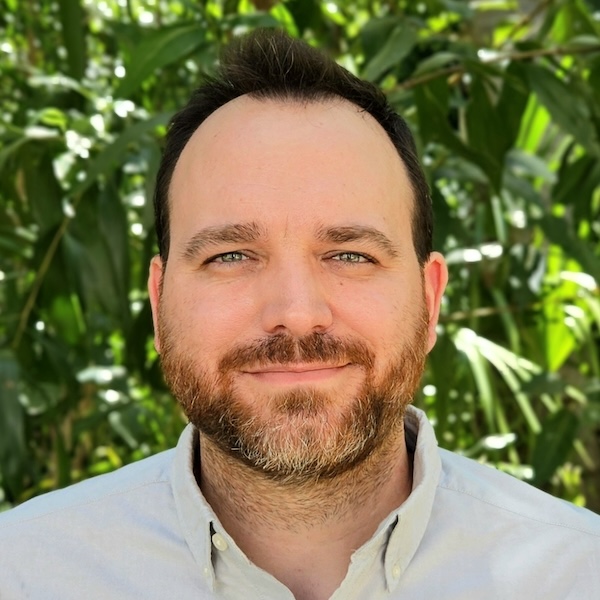
Romain Vaucher
- Senior Lecturer, Sedimentology
- romain.vaucher@jcu.edu.au
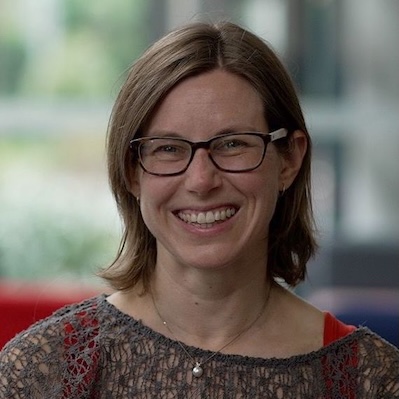
Jenny Fisher
- Associate Dean, Learning and Teaching
- jenny.fisher@jcu.edu.au

Ambili Narayanan
- Doctor of Philosophy (Natural and Physical Sciences)
- ambili.narayanan@my.jcu.edu.au

Sarfaraz Ali
- Postdoctoral Research Fellow
- sarfaraz.ali@jcu.edu.au

Mikaeylah Davidson
- Postdoctoral Research Fellow
- mikaeylah.davidson@jcu.edu.au
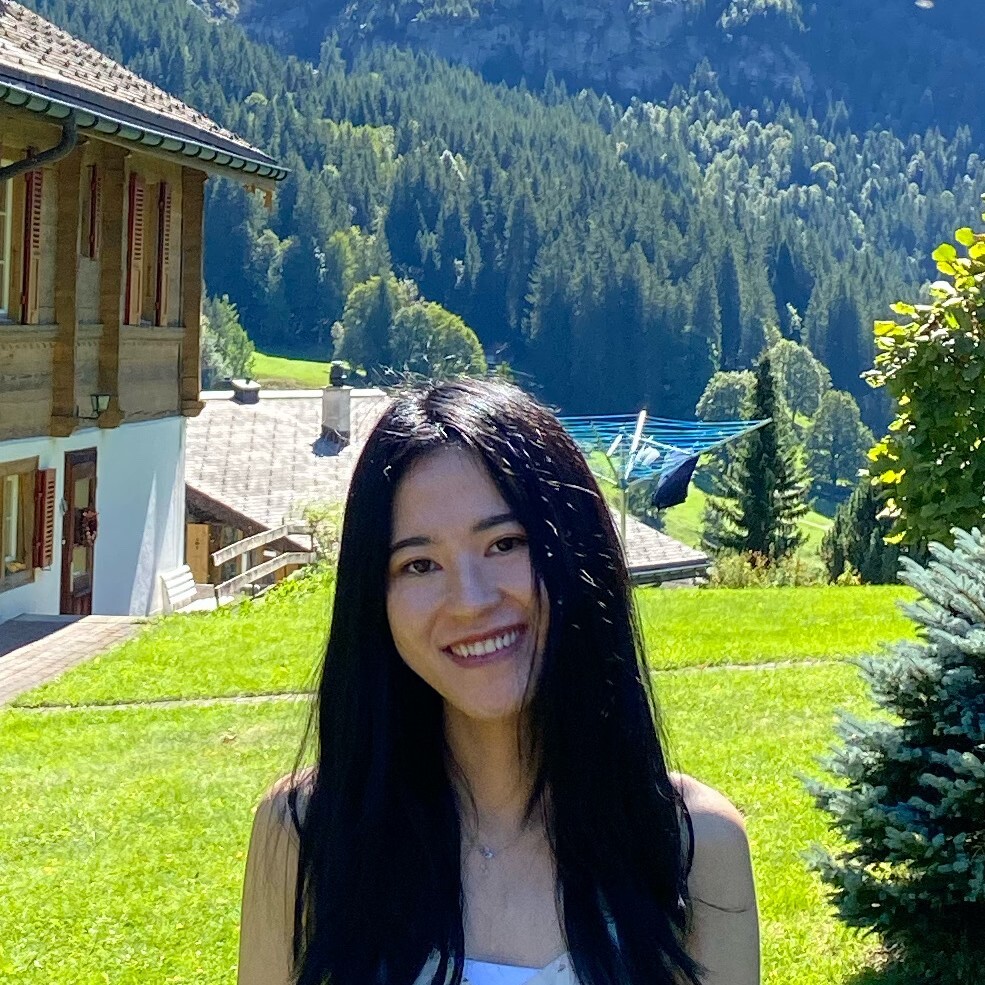
Liuxin Chen
- Lecturer
- liuxin.chen@jcu.edu.au
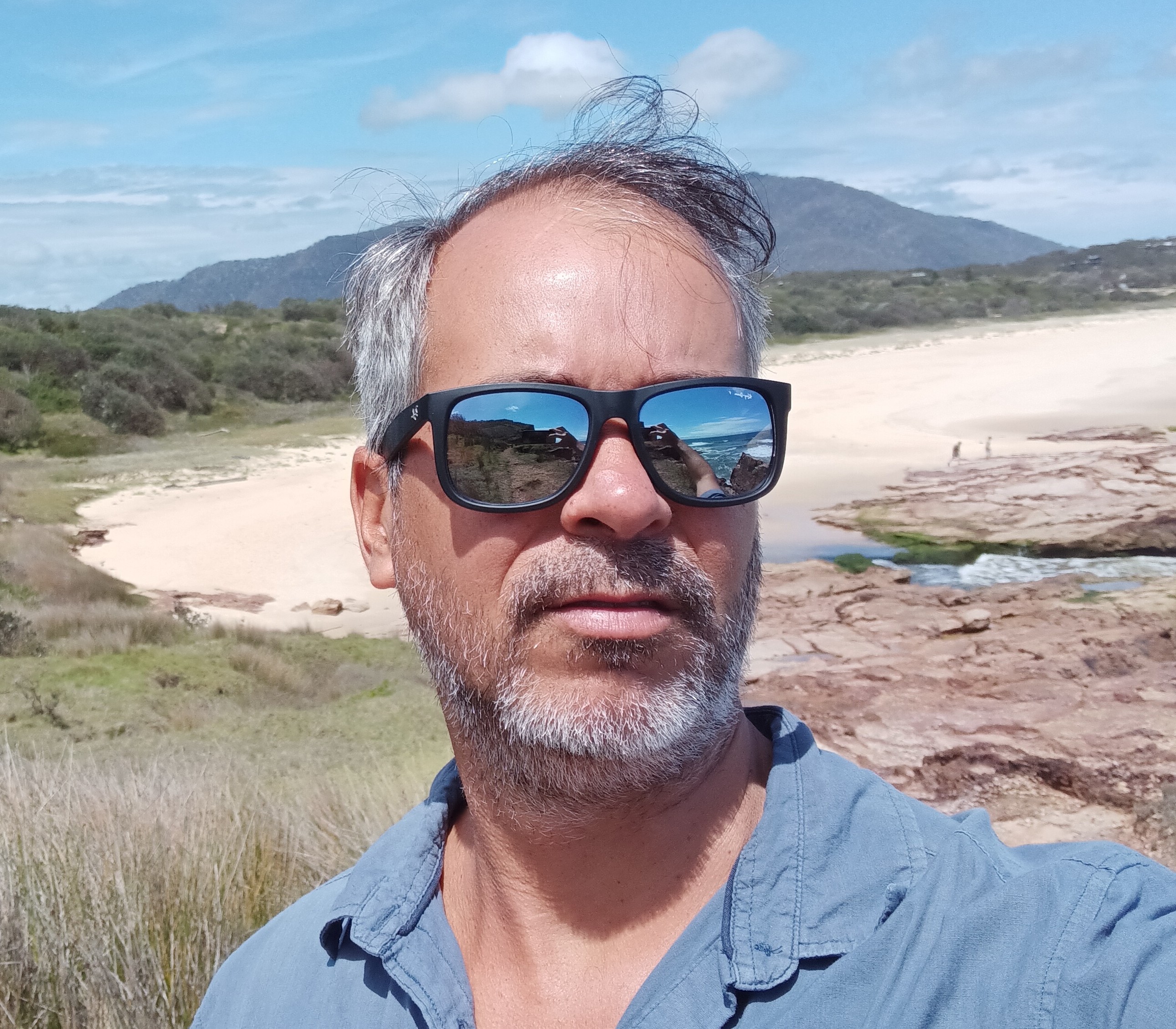
Rafael Cabral Carvalho
- Lecturer, Marine Geoscience
- rafael.cabralcarvalho@jcu.edu.au
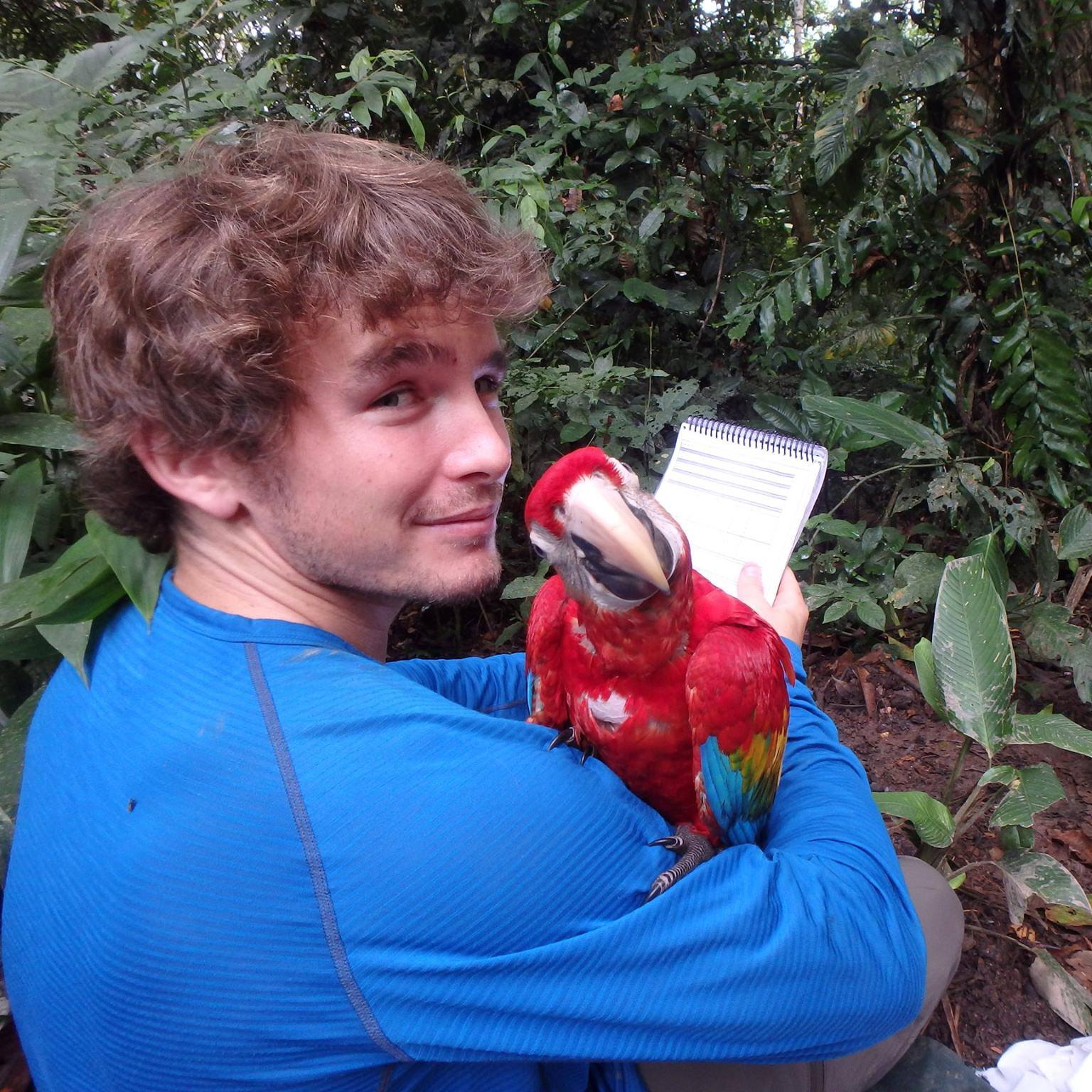
Tom Lloyd
- Postdoctoral Research Fellow, Global Ecosystems
- tom.lloyd@jcu.edu.au
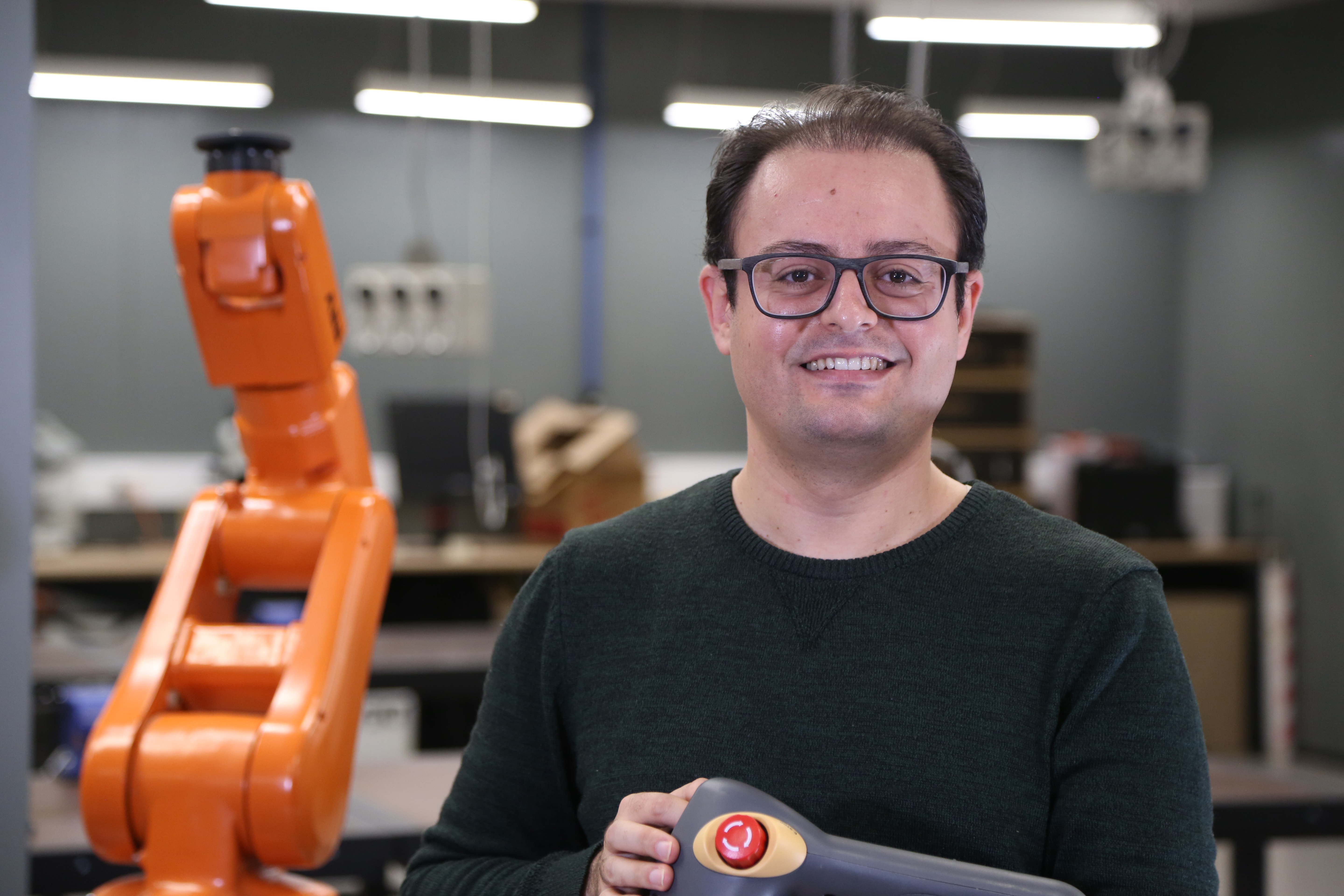
Mohamadreza Chalak Qazani
- Lecturer, Mechanical Engineering
- mohamadreza.chalakqazani@jcu.edu.au
Characterising IOCG and SEDEX deposits in the Mt Isa block with Cu-Zn isotopes (Old ID 26545)
Paul Dirks
15 Jun 2019 - 15 Dec 2020
The Economic Geology Research Centre (EGRU) at JCU has proposed to establish Cu and Zn isotope lines at JCU, and build a reference database for Cu-Zn isotopes from mineral deposits in the Mt Isa district, starting witht eh well-known Mt Isa deposit. It is proposed to conduct an exploratory, proof-of-concept study of limited initial scope and time, to assess the usefulness of Zn-Cu isotopes for exploration in the Mt Isa area. If initial results are promising, we intend to extend the study.
Elliot Springs – Offset Management Plan compliance for Black-throated Finch Scientific Study (Old ID 27038)
Lin Schwarzkopf
22 Oct 2020 - 30 Nov 2023
We will be determining the efficacy of using remote acoustic monitoring tools for black-throated finches (southern subspecies), by deploying automated recorders for one week each in a variety of locations around Qld where black-throated finches may occur, and manually surveying these areas once at the beginning of deployment and once at the end. Acoustic recordings will be analysed using human listening and automated artificial intelligence screening for black-throated finch calls. The results from the two methods will be compared to determine if acoustic monitoring is sufficient to monitor the occurrence of these finches in various locations.
An eDNA molecular diagnostic tool for soil microbial biosecurity (Old ID 27431)
Ryan Orr
25 Nov 2021 - 30 Jan 2023
We intend to sample sterilising footbath units on banana farms for the presence of a pathogenic soil-borne fungus that causes Panama disease in bananas. If successful this method would replace visual inspection of farms for biosecurity monitoring of the disease allowing for identification of farm infection long before traditional methods. We aim to adapt existing environmental DNA and quantitative PCR methods for this application.
Deep Learning for Waste Management (Old ID 27687)
Mostafa Rahimi Azghadi
12 Aug 2022 - 30 Jun 2027
To keep our planet safe and healthy, new techniques for managing and recycling waste should be devised. This project aims to use the latest advances in deep learning and computer vision technologies to better manage waste by developing a fast and accurate waste analysis system.
Field-Deployable Chemical Sensors for Water Quality Monitoring in the Great Barrier Reef (Old ID 30054)
Yang Liu
17 Jul 2023 - 01 Sep 2024
Field-deployable chemical sensors are increasingly necessary for high resolution in situ monitoring of water pollutants across the freshwater and marine ecosystems of the Great Barrier Reef (GBR) - the world’s largest coral reef system. Currently, the chemical sensors deployed in the GBR regions rely heavily on optical principles that encounter reliability and robustness issues when used in complex aquatic environments. This project will establish a collaboration with the world-leading research group in chemical sensor design and field deployment to address this current scientific challenge in Australia. The collaboration proposed here will provide significant benefits for better management of the GBR.
Deciphering the molecular and environmental determinants of sex-change in barramundi (Old ID 20663)
Dean Jerry
19 Nov 2013 - 31 Dec 2017
Barramundi breeding programs to boost productivity and international competitiveness are hindered by a lack of reproductive control. Barramundi change sex from male to emale at 3-5 years of age, requiring hatcheries to maintain male broodstock for several years before they can be bred as females. This increases required infrastructure and decreases the rate of genetic improvement that can be achieved. This project will elucidate genetic mechanisms regulating barramundi sex change and will develop approaches allowing hatcheries to efficiently control broodstock sex. The ability to obtain reproductive control
Mitigation of Losses in Community from Extreme Wind Events (Old ID 22387)
David Henderson
01 Jul 2015 - 30 Jun 2016
The objective of the project is to investigate and inform on aspects of building codes/standards and implementation to mitigate losses from extreme wind events including Cyclones.
The impact of increasing ocean temperatures on the movement and behaviour of the iconic Indo-Pacific fisheries species, coral trout (Old ID 22898)
Morgan Pratchett
01 Jan 2017 - 30 Sep 2019
Ocean warming is the most pervasive aspect of climate change, which impacts directly on the distribution, abundance, and population structure of fishes, as well as the viability and sustainability of fisheries. Tropical marine fishes are particularly vulnerable to ocean warming, because species are already exposed to summer temperatures that may have negative consequences for individual condition and fitness. Coral trout are among the most important tropical marine fisheries species, targeted by commercial and artisanal fishers throughout the Indo-Pacific. This study will explore if, and how coral trout mediate or acclimate to extreme temperatures, with a view to better understand the impacts of climate change on wild stocks of these important fishes.
ARC Centre of Excellence for Australian Biodiversity and Heritage (Old ID 22972)
Michael Bird
30 Jun 2017 - 30 Apr 2025
This Centre will create a world-class interdisciplinary research programme to understand Australia's unique biodiversity and heritage. The Centre will track the changes to Australia's environment to examine the processes responsible for the changes and the lessons that can be used to continue to adapt to Australia's changing environment. The Centre will support connections between the sciences and humanities and train future generations of researchers to deal with future global challenges and inform policy in an interdisciplinary context.
Architecture of the hanging wall shear zone and faults affecting the ore zone at Dugald River Mine (Old ID 26246)
Paul Dirks
15 Feb 2019 - 14 Aug 2022
This is a PhD project to develop a better understanding of the larger scale geometry of the shear zone and fault system that occur within the immediate hanging wall of the zinc-sulphide ore body in Dugald River Mine, near Cloncurry, NW Queensland. We aim to understand how shear controls the distribution of the ore zone both from a genetic and mechanical (displacement and remobilization) perspective, to optimize ore recovery in a predictive manner.
Organic matter, sodicity and soil structure
- 1998
- Oxford University Press
- Researchers:Paul Nelson
Argument free clustering via boundary extraction for massive point-data Sets
- 2002
- Researchers:Ickjai Lee
Start Date:
01 Jan 2017
End Date:
01 Jan 2018
Start Date:
01 Jan 2015
End Date:
01 Jan 2019
Start Date:
01 Jan 2022
End Date:
01 Jan 2023
Title:
President of the Royal Australian Chemical Institute. To join the RACI see: https://www.raci.org.au/
Start Date:
01 Jan 2017
End Date:
01 Jan 2018
Start Date:
01 Jan 1988
Start Date:
01 Jan 2016
Start Date:
01 Jan 2022
Start Date:
01 Jan 2015
Start Date:
01 Jan 2022
Start Date:
01 Jan 2015