
College of Science & Engineering

Sophia Love
- Doctor of Philosophy (Natural and Physical Sciences)
- sophie.love@jcu.edu.au
Romain Vaucher
- Senior Lecturer, Sedimentology
- romain.vaucher@jcu.edu.au
Jenny Fisher
- Associate Dean, Learning and Teaching
- jenny.fisher@jcu.edu.au

Ambili Narayanan
- Doctor of Philosophy (Natural and Physical Sciences)
- ambili.narayanan@my.jcu.edu.au

Sarfaraz Ali
- Postdoctoral Research Fellow
- sarfaraz.ali@jcu.edu.au
Mikaeylah Davidson
- Postdoctoral Research Fellow
- mikaeylah.davidson@jcu.edu.au
Liuxin Chen
- Lecturer
- liuxin.chen@jcu.edu.au
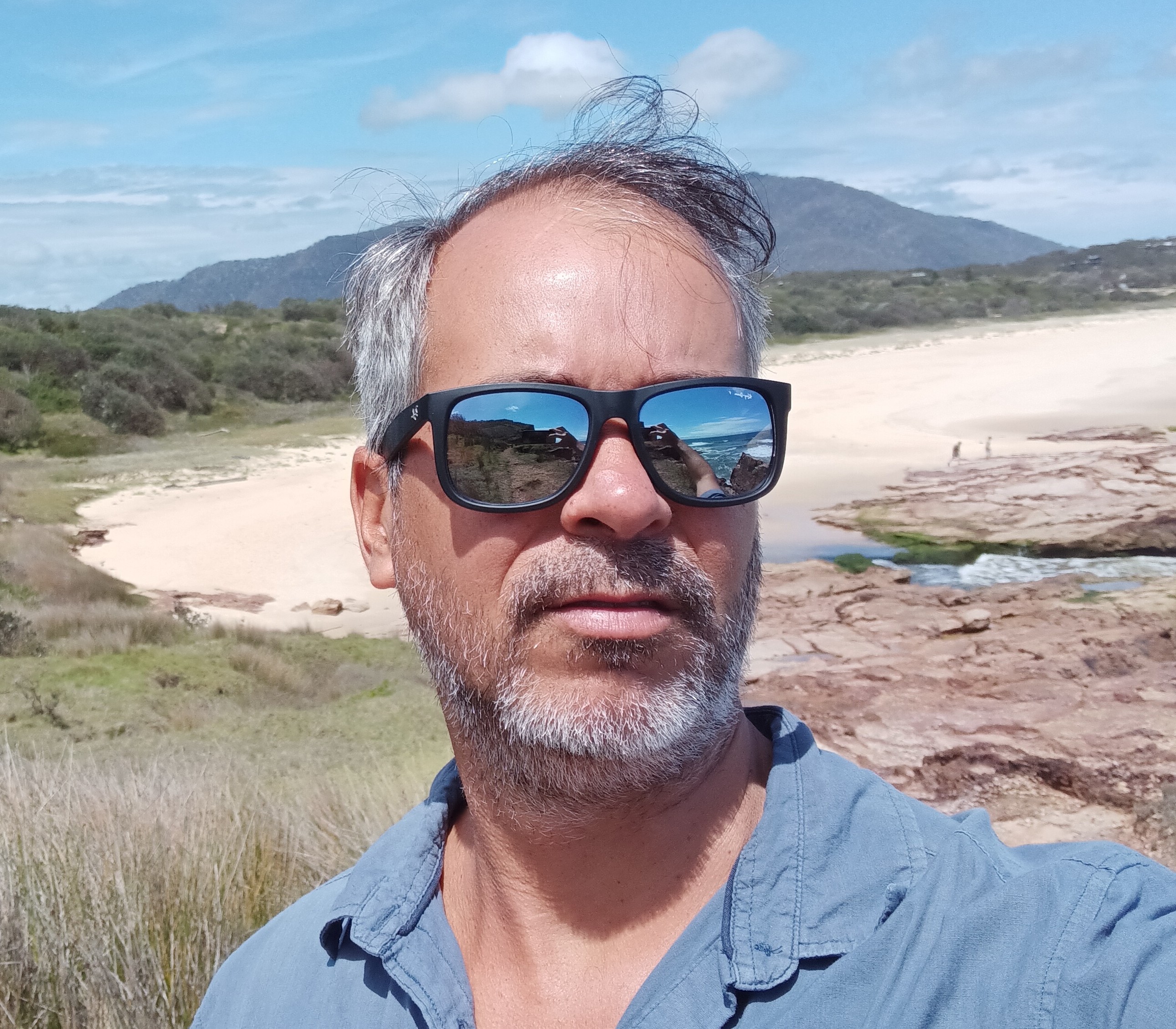
Rafael Cabral Carvalho
- Lecturer, Marine Geoscience
- rafael.cabralcarvalho@jcu.edu.au
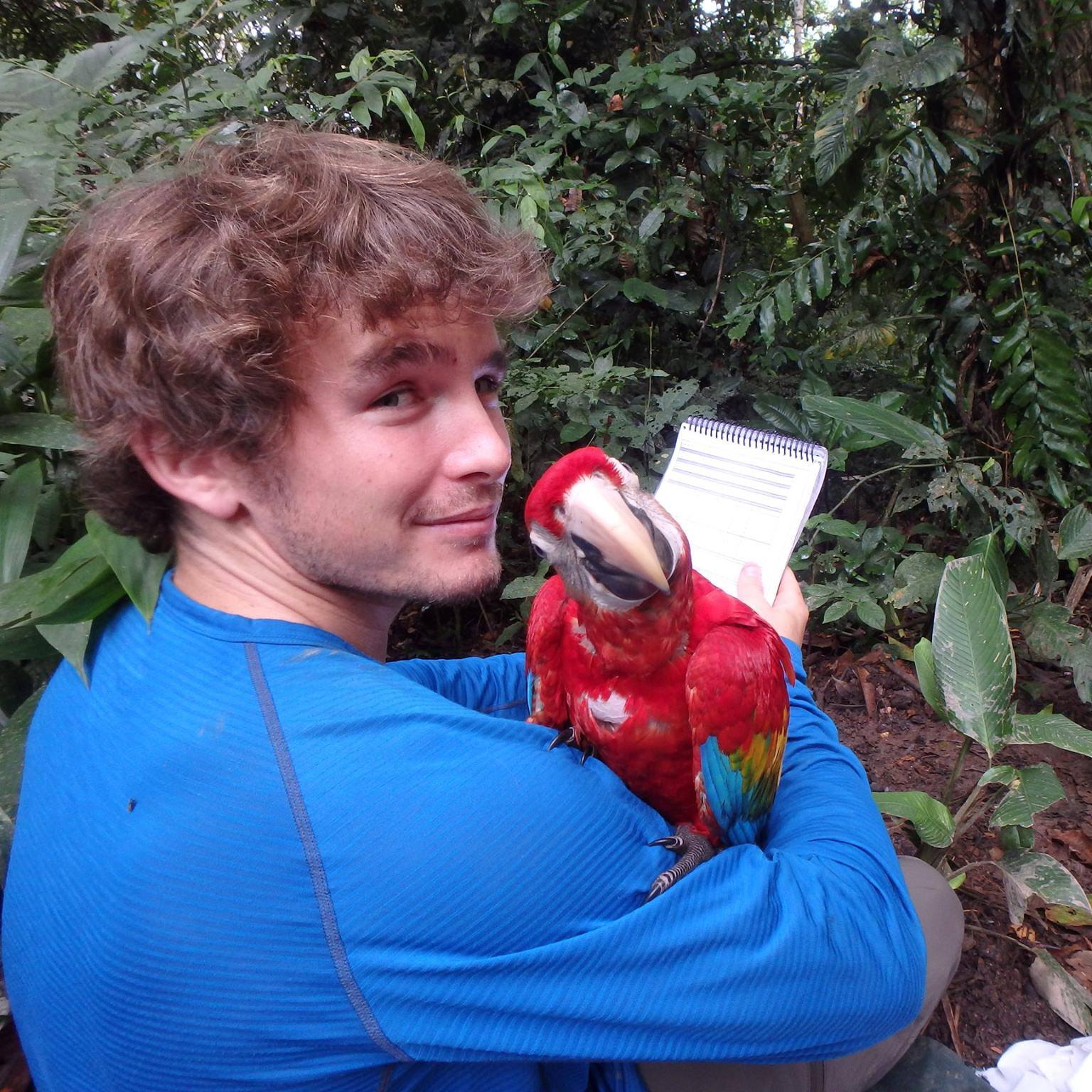
Tom Lloyd
- Postdoctoral Research Fellow, Global Ecosystems
- tom.lloyd@jcu.edu.au
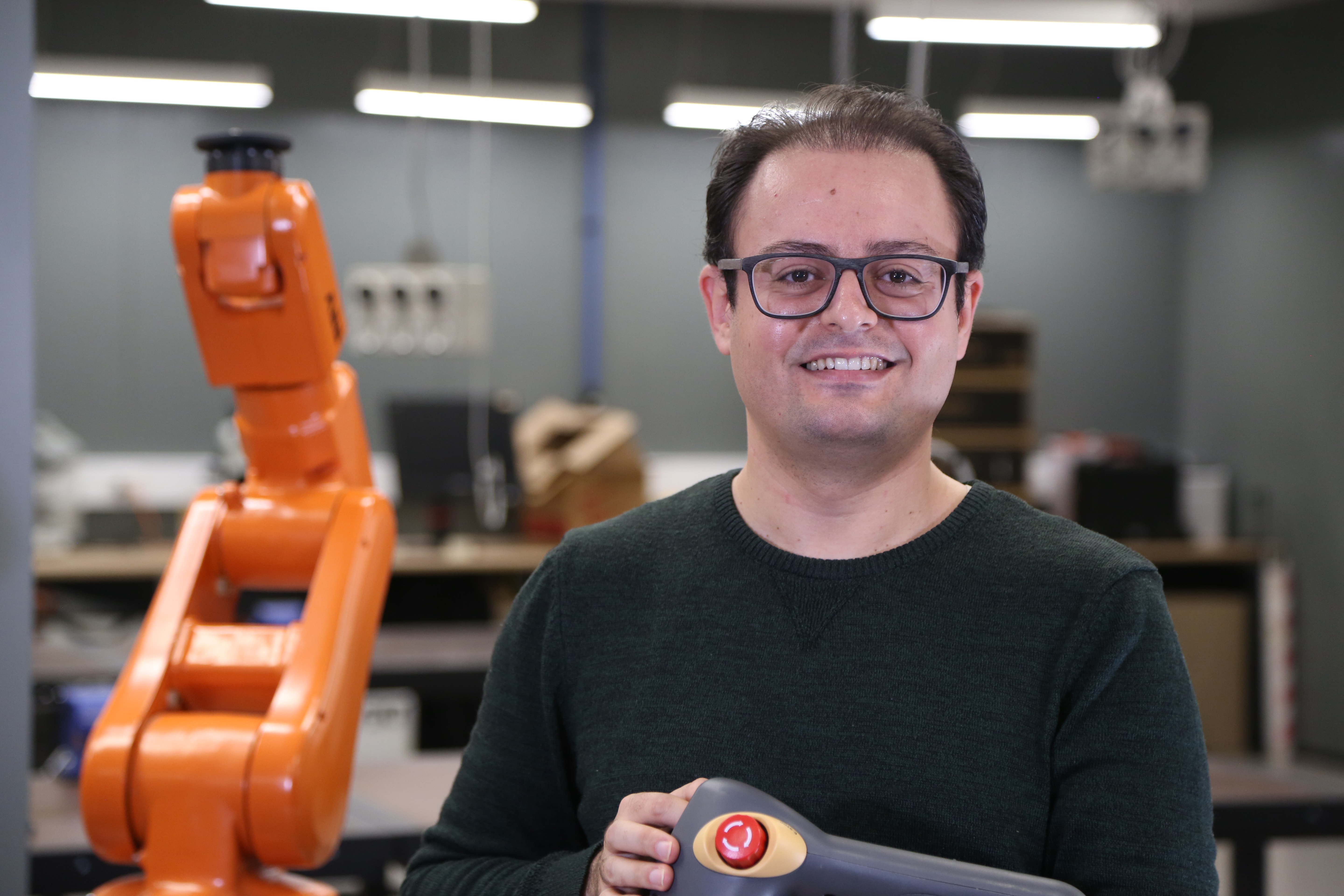
Mohamadreza Chalak Qazani
- Lecturer, Mechanical Engineering
- mohamadreza.chalakqazani@jcu.edu.au
Reef Restoration and Adaptation –Regulatory and Policy Environment (Old ID 27114)
Mia Hoogenboom
30 Mar 2021 - 30 Jun 2024
The existing regulatory and policy frameworks have originally been designed as part of the conventional approach to reef management. As such, they are not entirely fit for purpose to address unconventional technological interventions for reef restoration and adaptation. These interventions, given their innovative and emerging nature, challenge existing regulatory frameworks to address novel risks and impacts and make decisions based on information with relatively high levels of uncertainty. Critical to the feasibility and viability of RRAP R&D programs is, therefore, an enabling regulatory environment that can effectively and timely assess the range of risks and impacts associated with unconventional reef restoration and adaptation interventions. In this context, the objectives of this project are to: (i) Investigate the capacity of the existing regulatory and policy frameworks to address R&D and deployment of RRAP interventions (ii) Scope which interventions are permitted and under what conditions (e.g., scale, location and timing) with the aim to inform the R&D programs (iii) Help enhance the capacity of the regulatory system to assess the range of risks and impacts associated with R&D and deployment of interventions
Development of in situ Sr isotope analyses in shark vertebrae (Old ID 27633)
Brandon Mahan
01 Jan 2022 - 31 Mar 2023
Accurately ageing sharks underpins sustainable harvest and population recovery. The conventional ageing technique consists of counting growth bands in vertebrae, however, this approach suffers errors associated with over- and under-counting due to misidentifying periodic features and in-complete. More recently, element-to-element ratios have been explored as complementary tools for determining age and migratory, and in this context Mn:Ca shows promise as an age-specific fingerprint, and Sr:Ca has shown promise as one of the most prominent indicators of fresh/estuarial vs. marine environment (along with Ba:Ca), because marine environments typically have significantly higher Sr (and lower Ba) concentrations. This means that Sr:Ca—alongside Mn:Ca and Ba:Ca—can potentially be used as an annual marker, in particular for female sharks that annually return to freshwater environments to pup. It is well-known from fish otoliths (a calcified part of the inner ear) that marine and freshwater environments display distinct Sr isotope signatures (87Sr/86Sr ratios), and that fresh vs marine signatures can be readily distinguished at requisite length-scales (e.g. 50 microns) using in situ (“in place”, i.e. non-destructively) laser ablation multi-collector inductively coupled plasma mass spectrometry (or LA-MC-ICP-MS). Moreover, it is well-established that 87Sr/86Sr ratios can be determined in situ in bio-apatite (calcium phosphate or bone, such as that in fish vertebrae), and 87Sr/86Sr ratios in bio-apatite can be used to determine sub-annual mobility. And yet to date, Sr isotopes have never been investigated in shark vertebrae towards these ends. This study will combine in situ elemental compositions and 87Sr/86Sr ratios in the vertebrae of sharks to determine their ultimate viability as complementary ageing, environmental and migratory reconstruction tools.
Understanding allergens in alternative food from urban aquaculture fish to underpin food safety
Ludwig Lopata
01 Jul 2022 - 31 Dec 2026
This project aims at evaluating the food safety risks associated with innovative solutions to meet and secure Singapore’s nutritional needs through domestic fish production from sustainable urban aquaculture. Introducing novel food sources into the mainstream diet has potential significant unintended health consequences, particularly that of severe allergic reactions. The production of fish in urban aquaculture systems using combinatorial supplementation of fish feed and selective breeding along with processing innovations has not been evaluated for enhanced allergenicity, which is determined by the presence and immunoreactivity of allergenic proteins (allergens). Consequently, current food safety regulations for allergens are not equipped to tackle upcoming food safety issues faced by the growing innovative production of urban foods and alternative proteins. Their potential allergenicity is the focus of this project.
Using Outcomes of Marine Protected Area Implementation to Infer Potential Socioeconomic Consequences of Offshore Energy Development to Commercial Fisheries
Reniel Cabral
04 Oct 2023 - 03 Oct 2025
The purpose of this study is to describe the detectable socioeconomic consequences experienced by the commercial fishing industry due to the implementation of formal de facto marine protected areas in California and elsewhere and to use this information to inform impact analyses of prospective offshore energy projects, including offshore wind and marine hydrokinetic projects.
Seaweed National Hatchery Network - Tropical Research Hub for Asparagopsis taxiformis
Mark Cyrus
30 Sep 2023 - 30 Apr 2025
This project provides the resources for JCU to establish and operate the Tropical Research Hub for the National Hatchery Network in collaboration with ASSA researchers for 18 months (until 31 March 2025) which is the stipulated grant duration. This FRDC project will provide the funding for JCU to engage key technical capability needed to support the Hub and establish the facilities for exclusive and continuous use for the project over the grant period, as well as provide the facilities and services of the ASSA employees (~2) working at this Hub. The core objectives of the Research Hub will be to: 1. Establish facilities and equipment required for the development of the Tropical Seaweed Research Hub 2. Deliver a focused research program to close the life cycle, of Asparagopsis taxiformis, with the goal of being able to produce spores and seedlings. 3. Develop biological contamination management techniques for seed production. 4. Collect and maintain a clean broodstock culture collection. 5. Develop hatchery technology and equipment needs through experimentation. 6. Contribute to the development of a Hatchery Manual and knowledge sharing and dissemination.
Research Assistant salary while on maternity leave (Old ID 23547)
Megan Higgie
01 Jul 2017 - 30 Jun 2018
This grant is for a casual research assistant to continue my existing research experiments and assist with running my lab while I am on maternity leave. The projects the research assistant will be assisting on are: - Can species interactions drive rapid niche adaptation? This project examines how the temperature niche of a rainforest fly evolves when it has intense competition from a closely related species with a very similar temperature niche. - Species interactions and the evolution of mating displays and preferences. This project examines how male mating display and female preference are expressed when closely related species are present, with a view to examining whether they can rapidly change their signal and preference to minimise detrimental hybridisation.
Molecular signatures of historic glacial events in marine benthic taxa (Old ID 26383)
Sally Lau
01 Jun 2019 - 31 May 2021
Molecular signatures detected in Southern Ocean benthic fauna are often discussed in the context of external selection, particularly linking to species survival throughout glacial cycles. I aim to investigate how other factors such as geological setting, oceanography and environmental parameters in the Southern Ocean influence species genetic patterns. The outcome of this extended research will not only identify how the interplay between physical features of the water column may determine genetic variation, it will also demonstrate the evolutionary drivers at regional scale in the Southern Ocean.
The mineralization potential for nickel, scandium, chromium and cobalt of ultramafic complexes in NE Queensland (Old ID 26823)
Ioan Sanislav
10 Apr 2020 - 31 Mar 2024
NE Queensland has exploration potential for a wide range of critical metals. Nickel, cobalt and scandium mineralization in NE Queensland occurs at Greenvale Nickel, Lucknow, Brolga, Kokomo and Bell Creek deposits and is mostly associated with laterites developed on altered ultramafic complexes. Un-explored ultramafic complexes occur north of Greenvale, near the Valley of Lagoons, in the Hodkinson and Kangaroo Hill Formations, Barnard and Running River Metamorphics. This project seeks to provide more detailed characterization and an improved geological perspective, for ultramafic occurrences of northeast Queensland. It is intended to attract the attention of explores to their mineralization potential.
Improved education and training models to futureproof the aquaculture industry need for skilled staff to 2050 (Old ID 27215)
Leo Nankervis
01 May 2021 - 14 Jul 2022
By evaluating industry workforce needs currently and into the future and analysing the gaps between industry need and educational output, we aim to highlight gaps in careers pathways to meet future industry requirements. These careers pathways will form the basis of promotional tools created to highlight education and skills development options that lead secondary students into the aquaculture industry. Cost-effective delivery models for training will be key to the outcomes of the project and a pilot project to up-skill existing industry employees in biosecurity will be used to develop and de-bottleneck new training delivery models.
Helium prospectivity analysis of the north Rukwa Rift Basin. (Old ID 27645)
Eric Roberts
12 May 2022 - 01 Nov 2023
The goal of the project is to construct a comprehensive database characterising the reservoir and seal properties in the Rukwa succession. This work will involve compilation of legacy results compiled from past literature, theses and unpublished data, along with a focused analytical campaign on targeted samples designed to fill in gaps developing a robust property distribution database. The analytical campaign will be focus on a combination of techniques to analyse prospective reservoir sandstone samples and mudstone and bentonite seal units.
Organic matter, sodicity and soil structure
- 1998
- Oxford University Press
- Researchers:Paul Nelson
Argument free clustering via boundary extraction for massive point-data Sets
- 2002
- Researchers:Ickjai Lee
Start Date:
01 Jan 1993
End Date:
01 Jan 1995
Start Date:
01 Jan 1996
End Date:
01 Jan 1996
Start Date:
01 Jan 2000
End Date:
01 Jan 2006
Title:
BSc, University of Auckland
Start Date:
01 Jan 1995
End Date:
01 Jan 1998
Start Date:
01 Jan 1999
End Date:
01 Jan 1999
Start Date:
01 Jan 2001
End Date:
01 Jan 2008
Start Date:
01 Jan 2022
Start Date:
01 Jan 2020
Title:
Engineers Australia (EA)
Start Date:
01 Jan 2017
Start Date:
01 Jan 2020