
College of Science & Engineering

Sophia Love
- Doctor of Philosophy (Natural and Physical Sciences)
- sophie.love@jcu.edu.au
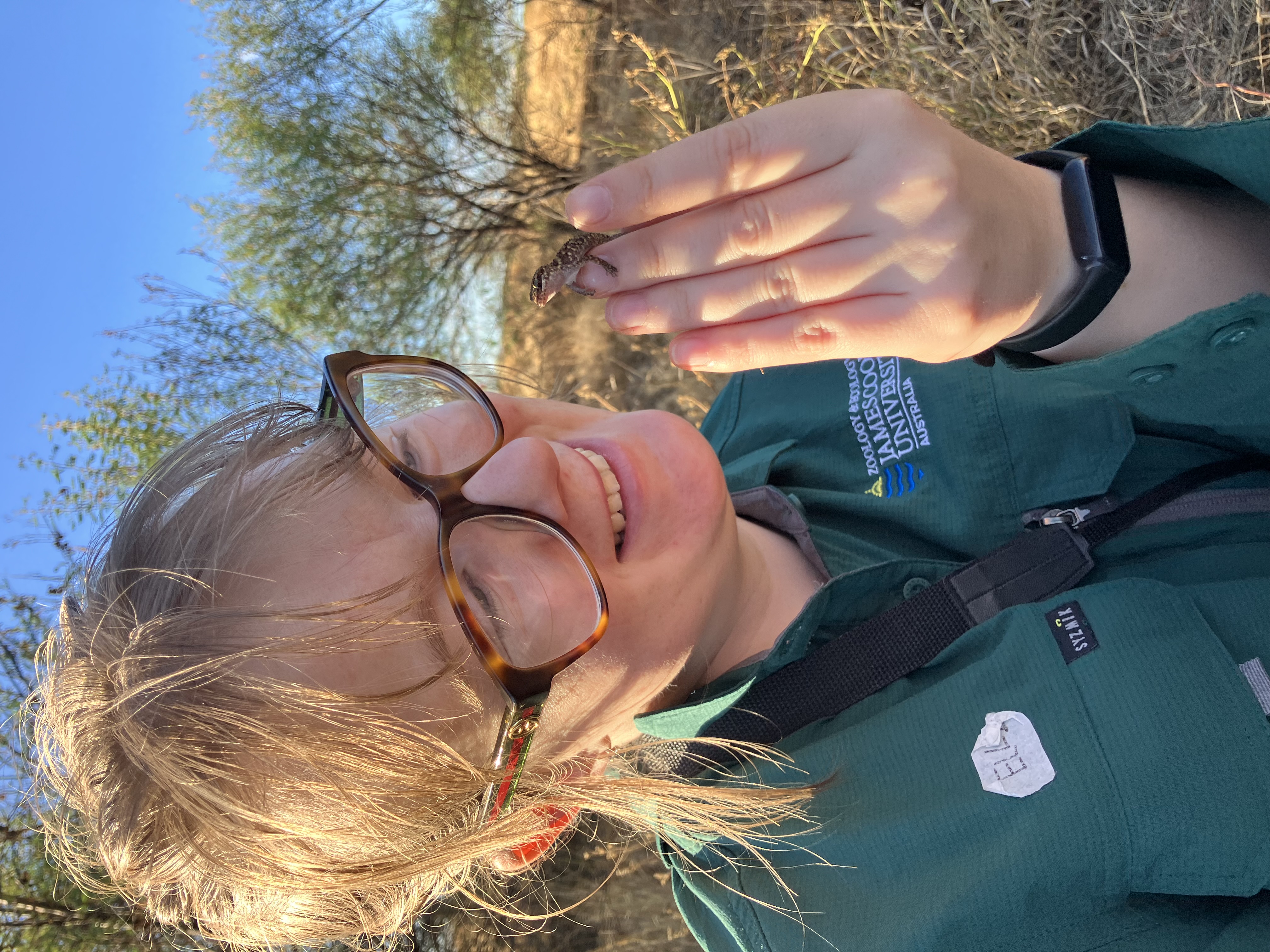
Elle Robertson
- Doctor of Philosophy (Agriculture, Environmental and Related Studies)
- elle.robertson@jcu.edu.au
Romain Vaucher
- Senior Lecturer, Sedimentology
- romain.vaucher@jcu.edu.au

Jenny Fisher
- Associate Dean, Learning and Teaching
- jenny.fisher@jcu.edu.au

Ambili Narayanan
- Doctor of Philosophy (Natural and Physical Sciences)
- ambili.narayanan@my.jcu.edu.au

Sarfaraz Ali
- Postdoctoral Research Fellow
- sarfaraz.ali@jcu.edu.au
Mikaeylah Davidson
- Postdoctoral Research Fellow
- mikaeylah.davidson@jcu.edu.au
Liuxin Chen
- Lecturer
- liuxin.chen@jcu.edu.au
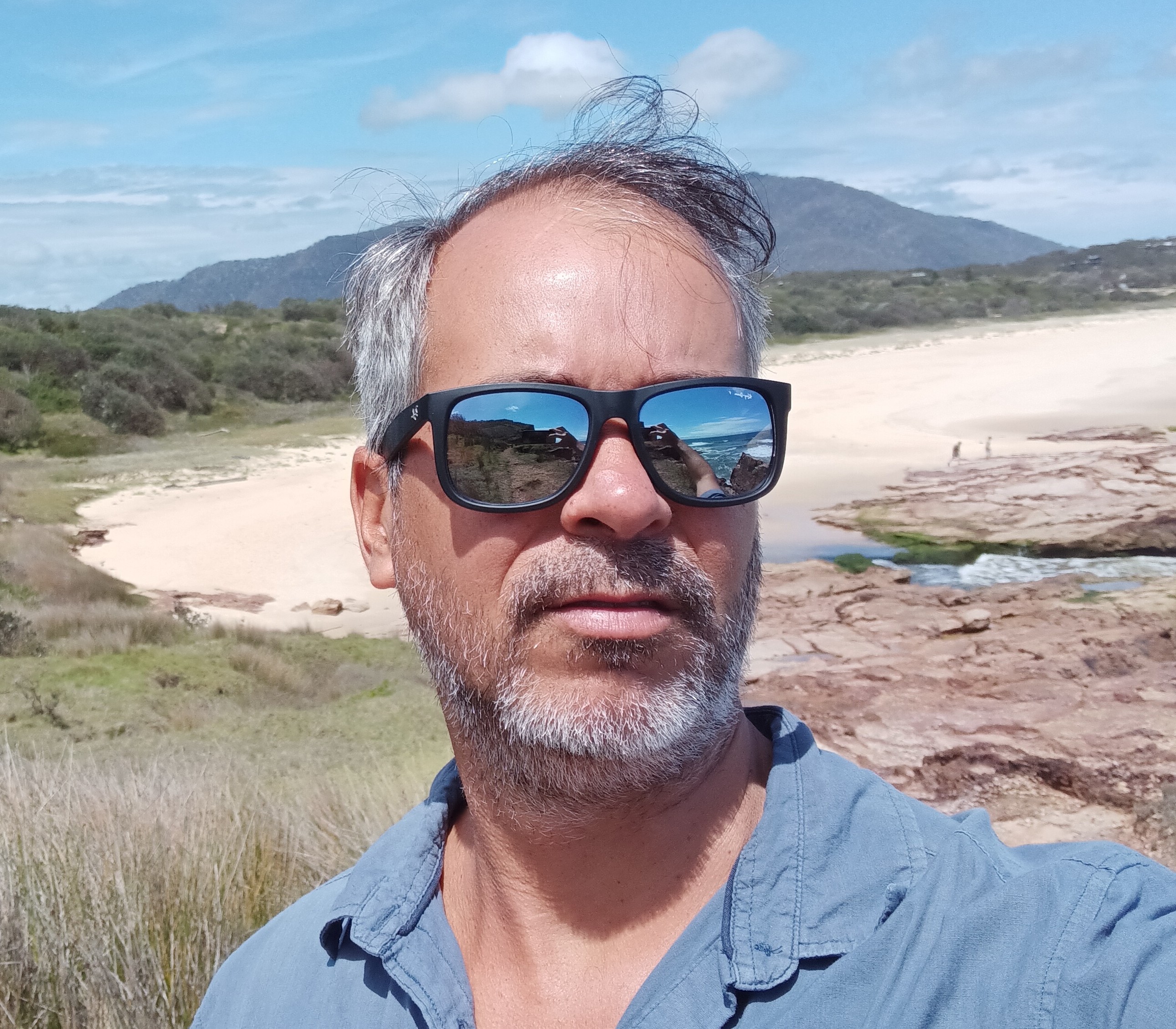
Rafael Cabral Carvalho
- Lecturer, Marine Geoscience
- rafael.cabralcarvalho@jcu.edu.au
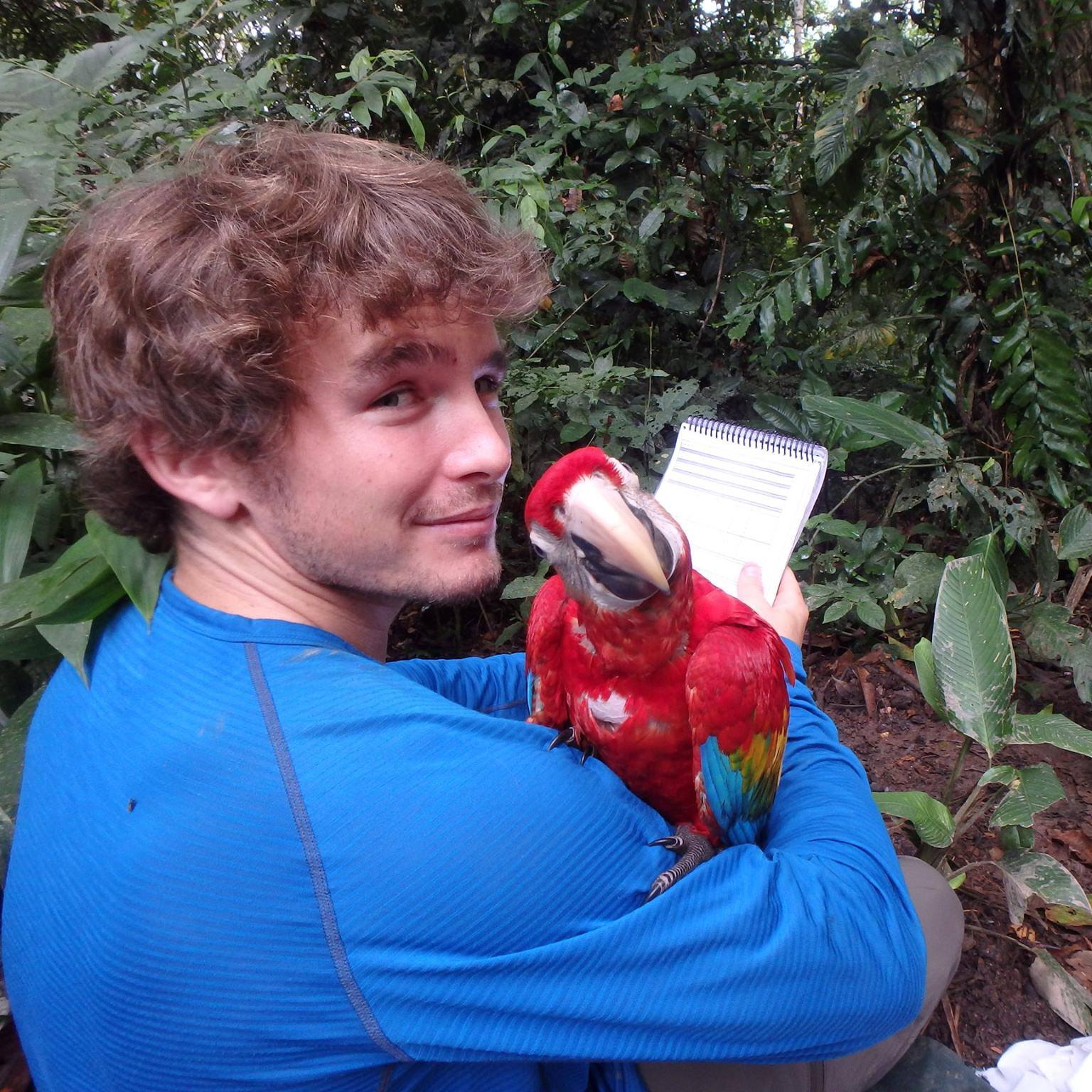
Tom Lloyd
- Postdoctoral Research Fellow, Global Ecosystems
- tom.lloyd@jcu.edu.au
Barron River Bridge Planning Study (Old ID 28979)
Arup Australia Pty Ltd is working with Qld Department of Transport & Main Roads to assess environmental impacts of upgrading/replacing the Barron River Bridge. Their main concern is the Critically Endangered Kuranda Treefrog, for which I am the expert. The project is to fund me to do range-wide surveys of the species to estimate current population size and the proportion of the population that may be impacted by the bridge. Additionally, my expert advice on how to mitigate impacts. I consider this ‘contract research’ because it funds research I planning to do anyway (i.e., a current range-wide survey), and that data will be used by one of my PhD students.
Tectonic and Geodynamic Controls on Critical Mineral Systems in Proterozoic Australia
This project investigates the tectonic and geodynamic controls on critical mineral systems in Proterozoic Australia. Australia's supergiant sediment-hosted deposits, including Mount Isa, Century, McArthur River, and Olympic Dam, formed in Proterozoic basins during the assembly and breakup of the Nuna supercontinent, yet the conditions that enabled mineralisation at this scale remain poorly understood. These basins are typically interpreted using geodynamic frameworks built for the modern Earth, which assume colder, stronger lithosphere than existed at the time.
Using coupled thermo-mechanical and landscape evolution modelling (Underworld and Badlands), the project will test how rift mode under elevated Proterozoic geotherms controls basin architecture, fault spacing, heat flow, and sediment distribution. Coupled thermo-mechanical and landscape evolution models will be tested against field data from Proterozoic terranes in northern Australia,
A Proterozoic Framework for Australia's Critical Mineral Systems
Recent advances in high-performance computing and open-source geodynamic modelling codes now make it possible to simulate the complexity of Proterozoic tectonic processes in three dimensions, capturing how a hotter lithosphere rifts, how basins subside and fill, and how heat and fluids move through the crust over millions of years. This project leverages these technologies to investigate:
• RQ1: How does the mode of continental rifting under hot Proterozoic conditions control basin architecture, fault spacing, and subsidence patterns?
• RQ2: How do wide rift basins evolve towards narrow rifts, and what are the structural and geomorphological consequences of narrow rift development within already-thinned crust?
• RQ3: How is strain partitioned when a wide rift is inverted, and does this explain the structural traps and fluid pathways that characterise world-class Proterozoic ore districts?
Small Equipment PC2 Aquatic Recirculation research system
PC2 Aquatic Recirculation system.
Advanced Developmental and Cellular Imaging Platform for Aquatic Reproductive Biotechnology
This project will establish an Advanced Developmental and Cellular Imaging Platform for Tropical Aquatic Organisms at James Cook University. The platform will provide high-resolution time-lapse imaging of eggs, embryos and larvae, enabling quantitative assessment of developmental performance, hatchery outcomes and reproductive interventions across aquaculture and marine species. The system will support current research in aquaculture breeding, reproductive biotechnology, cryopreservation and an Australian Economic Accelerator-funded gene-editing project in barramundi, while providing future fluorescence imaging capability for cellular tracking and germ-cell research. The infrastructure will be operated as a shared resource supporting researchers, HDR students and industry collaborations across JCU.
Advanced Developmental and Cellular Imaging Platform for Aquatic Reproductive Biotechnology
This project will establish an Advanced Developmental and Cellular Imaging Platform for Tropical Aquatic Organisms at James Cook University. The platform will provide high-resolution time-lapse imaging of eggs, embryos and larvae, enabling quantitative assessment of developmental performance, hatchery outcomes and reproductive interventions across aquaculture and marine species. The system will support current research in aquaculture breeding, reproductive biotechnology, cryopreservation and an Australian Economic Accelerator-funded gene-editing project in barramundi, while providing future fluorescence imaging capability for cellular tracking and germ-cell research. The infrastructure will be operated as a shared resource supporting researchers, HDR students and industry collaborations across JCU.
Using radiocarbon to measure microbial respiration of charcoal (Old ID 22994)
Building on previous AINSE funding, this project aims to determine the contribution of indigenous charcoal carbon to CO2 respired from the charcoal after three years environmental exposure on a tropical rainforest soil surface at the Daintree Rainforest Observatory, Cape Tribulation. The results will unequivocally demonstrate the degree to which the microbial carbon pool contains carbon derived from radiocarbon dead charcoal.
Fingerprinting environmentally sustainable ores using neodymium isotopes (Old ID 27841)
The rare earth elements (REE) are a critical resource as the world transitions to an energy system dominated by green energy. However, current extraction methods rely on strong acid leaching, which has the potential to create environmental contamination. Alternative REE extraction methodologies, including phyto‐extraction (using plants) and bacteria induced bioleaching are currently being investigated. This project aims to utilise radiogenic and stable neodymium isotopes to characterise the isotopic fractionations induced during different REE extraction techniques. This isotopic fingerprinting will provide a method to verify more sustainably generated REE concentrates, enabling the Australian REE industry to be positioned as a world leading environmental producer.
Fish tissue proteomics as baseline evaluation for safer cultivated seafood with known allergen profile
Cultivated seafood is far less researched than traditional livestock alternatives. We will address this critical knowledge gap through high throughput proteomic analysis of various tissues from different fish species, used for cultivation, with a focus on comparative composition of allergenic proteins (allergens), and directly compare with cultivated meat. Closing this lack of industry-wide target product, protein, and allergen profiles is essential for success in the alternative protein field and will promote regulation of safe cultivated foods.
Satellite Based Water Analysis and Drought Planning in Northwest Qld
This project will utilize satellite imagery to map and monitor small water bodies and farm dams to
improve grazing land management. The project aims to extract time series of water areas from
the satellite images, perform time series analysis to assess the shrinkage or expansion of the
water bodies, water levels, and determine their precise locations.
The focus is on understanding the availability and dynamics of these water resources, which are
vital for livestock, domestic use and wildlife habitats.
This project will be a partnership between SGNRM and JCU.
Oil spill source identification using colorimetric detection
- 2019
- CSIRO Publishing
- Researchers:Peter JunkGeorge Vamvounis
Infrastructure expansion challenges sustainable development in Papua New Guinea
- 2019
- Public Library of Science
- Researchers:William Laurance
Start Date:
01 Jan 2004
End Date:
01 Jan 2006
Start Date:
01 Jan 2007
End Date:
01 Jan 2007
Title:
PhD, James Cook University
Start Date:
01 Jan 2002
End Date:
01 Jan 2005
Start Date:
01 Jan 1996
End Date:
01 Jan 1999
Start Date:
01 Jan 2003
End Date:
01 Jan 2004
Start Date:
01 Jan 2013
End Date:
01 Jan 2016
Start Date:
01 Jan 2024
Title:
PhD, University of Cape Town
Start Date:
01 Jan 2008
End Date:
01 Jan 2012
Start Date:
01 Jan 2012
End Date:
01 Jan 2012
Start Date:
01 Jan 2019