
College of Science & Engineering

Sophia Love
- Doctor of Philosophy (Natural and Physical Sciences)
- sophie.love@jcu.edu.au
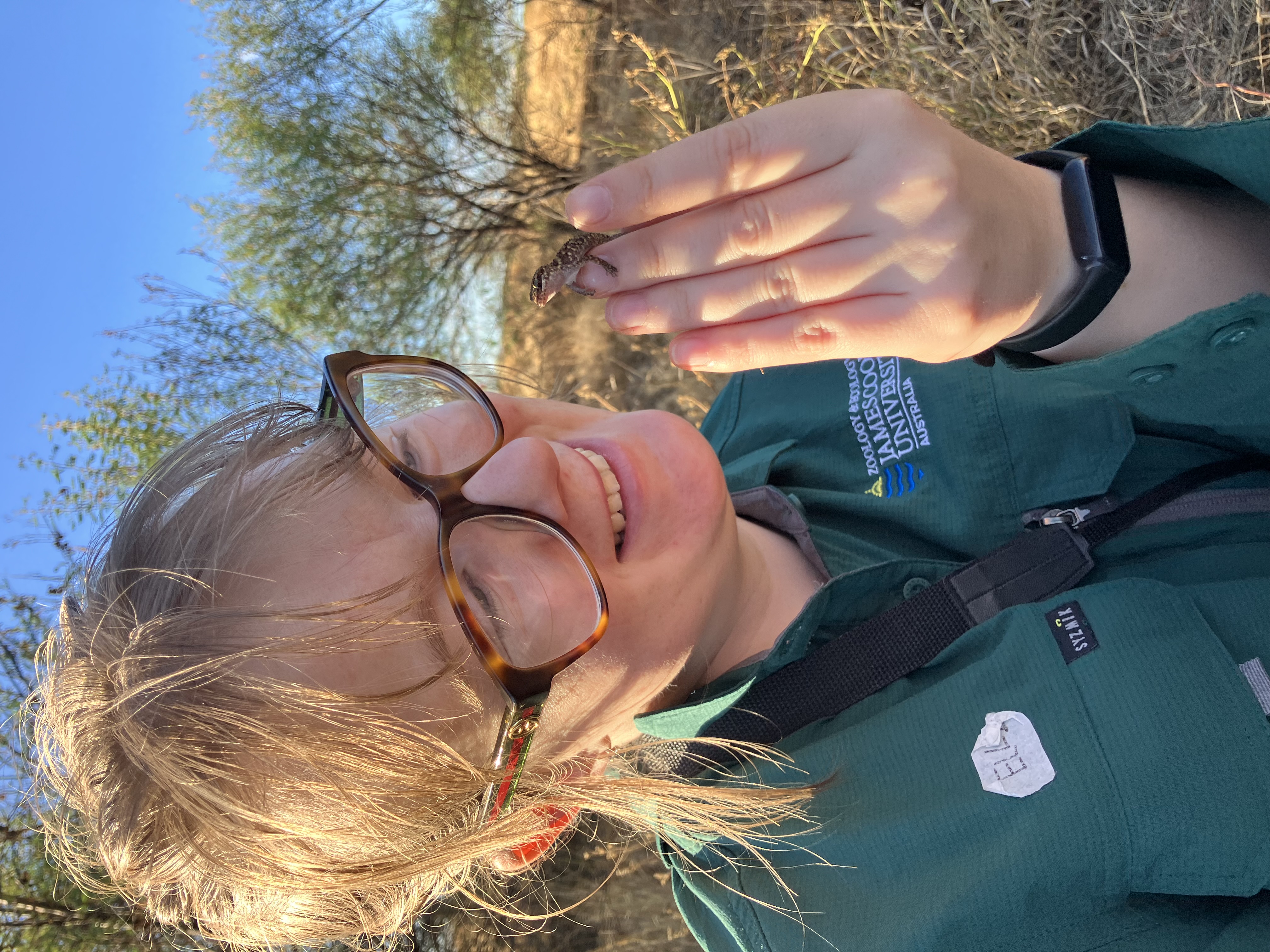
Elle Robertson
- Doctor of Philosophy (Agriculture, Environmental and Related Studies)
- elle.robertson@jcu.edu.au
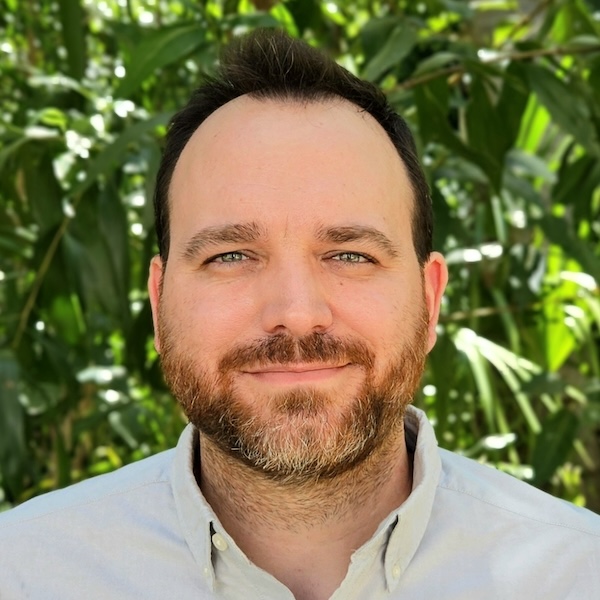
Romain Vaucher
- Senior Lecturer, Sedimentology
- romain.vaucher@jcu.edu.au
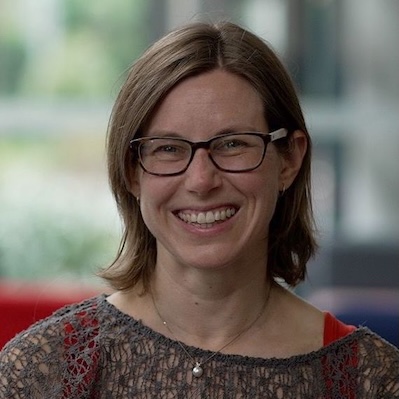
Jenny Fisher
- Associate Dean, Learning and Teaching
- jenny.fisher@jcu.edu.au
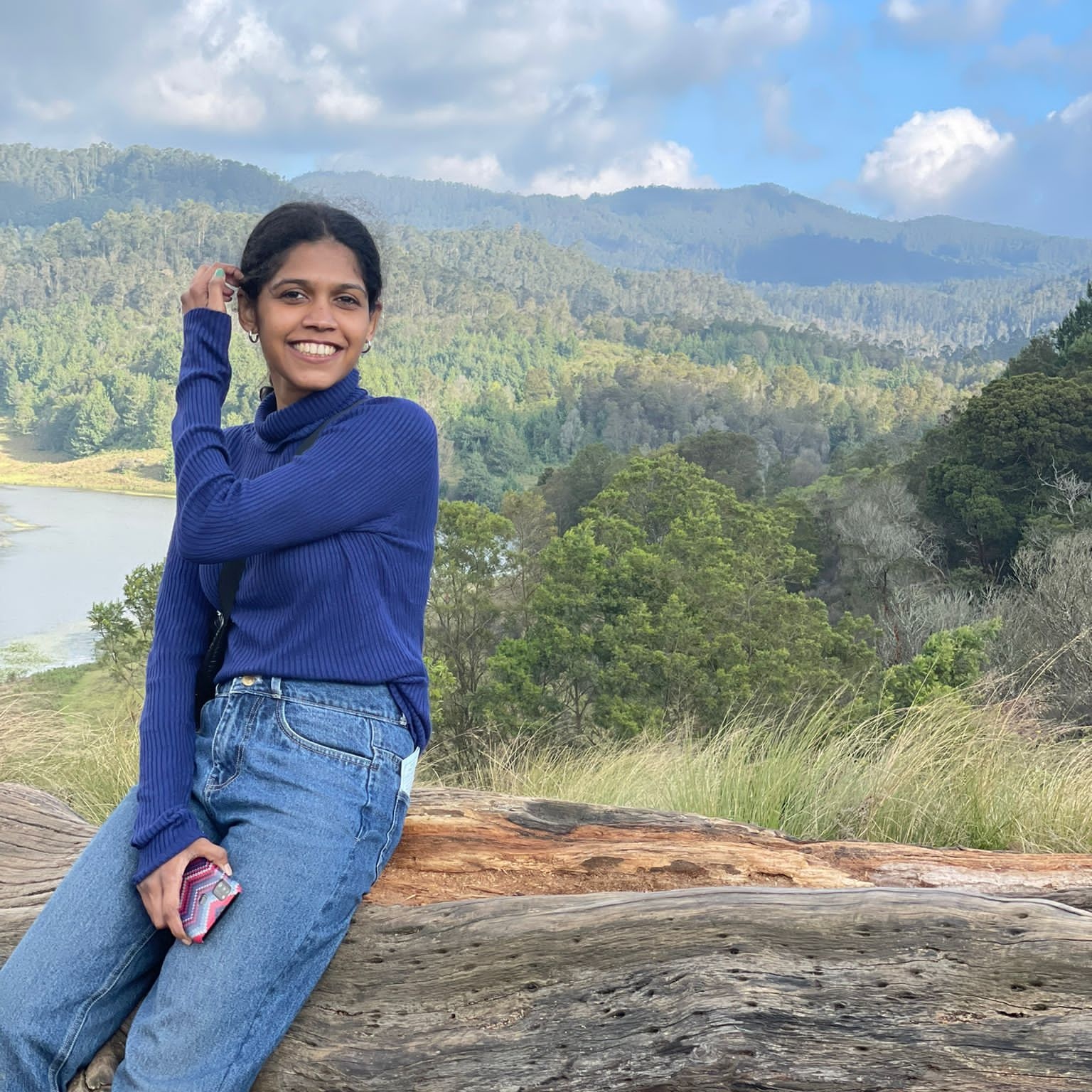
Ambili Narayanan
- Doctor of Philosophy (Natural and Physical Sciences)
- ambili.narayanan@my.jcu.edu.au

Sarfaraz Ali
- Postdoctoral Research Fellow
- sarfaraz.ali@jcu.edu.au
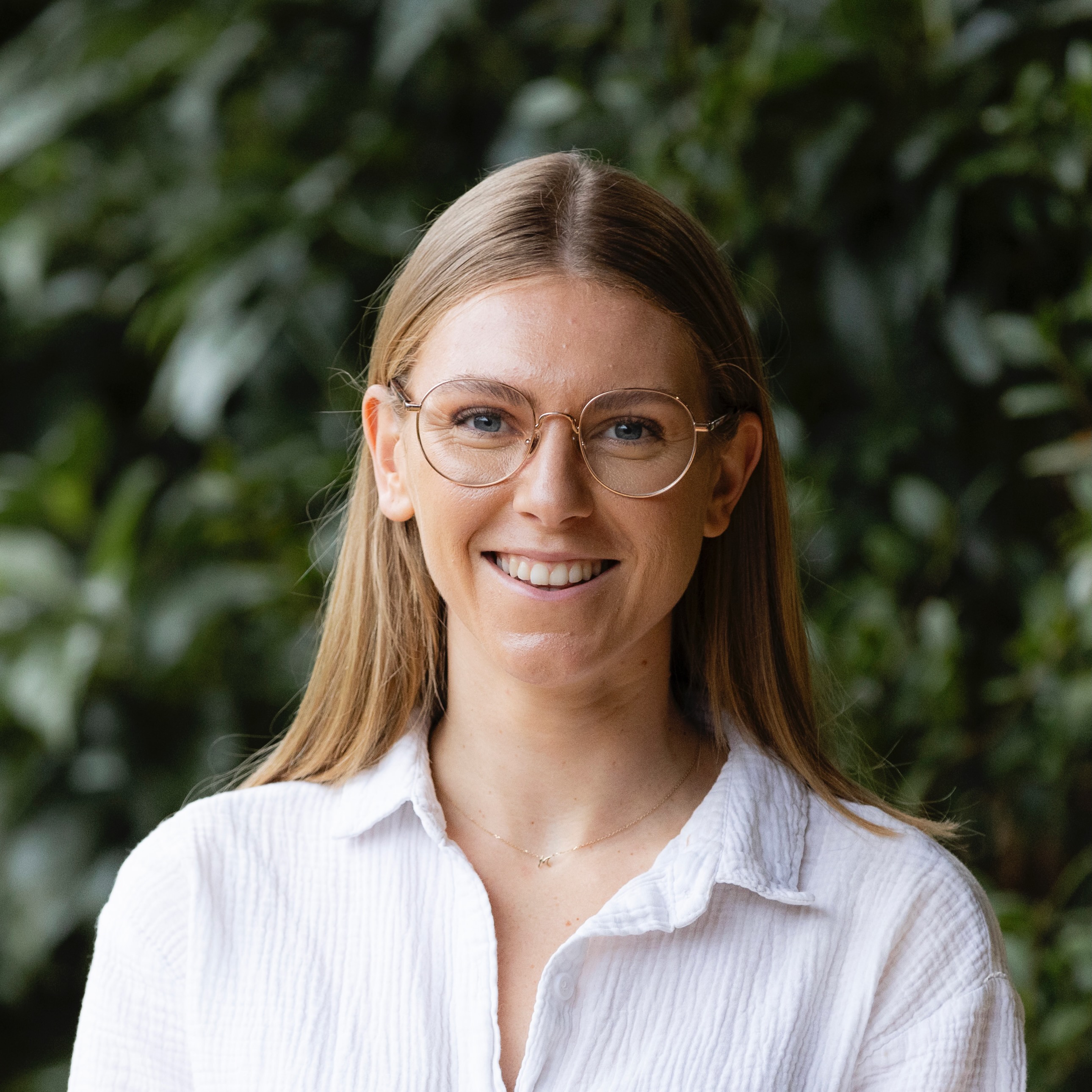
Mikaeylah Davidson
- Postdoctoral Research Fellow
- mikaeylah.davidson@jcu.edu.au
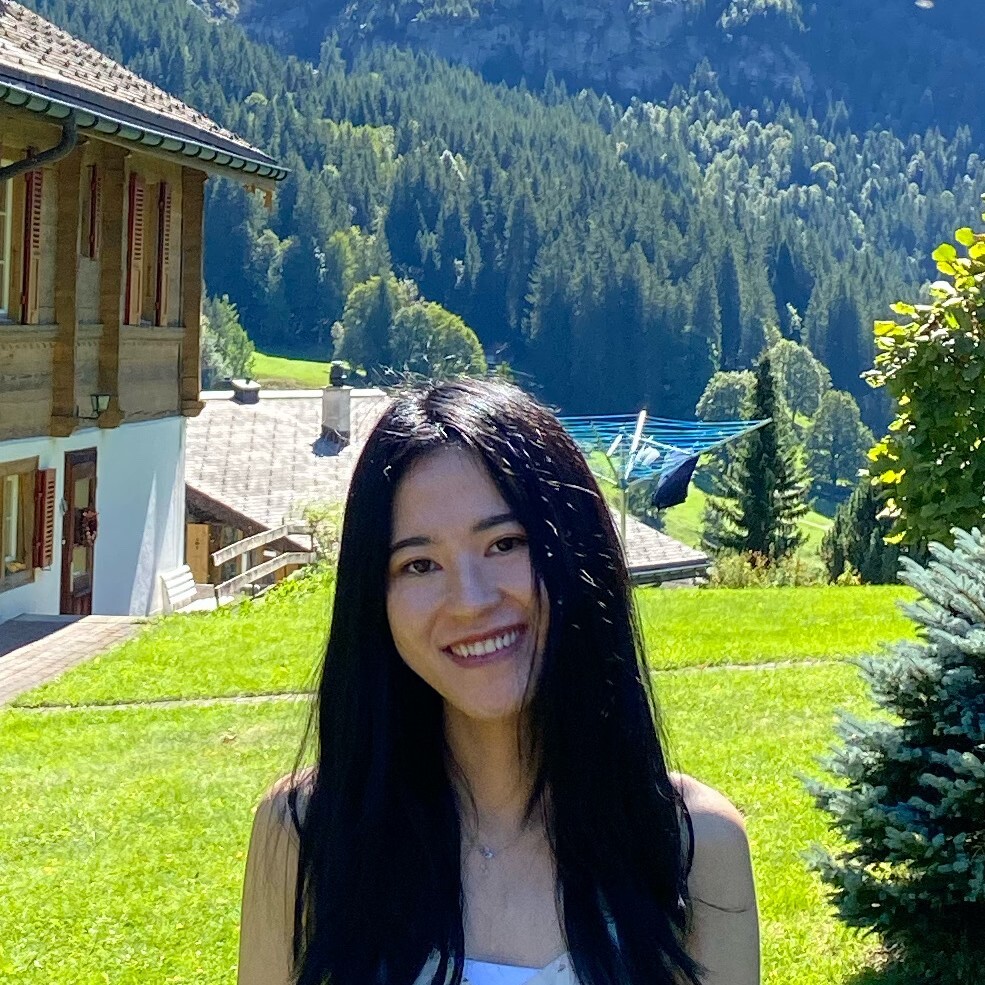
Liuxin Chen
- Lecturer
- liuxin.chen@jcu.edu.au
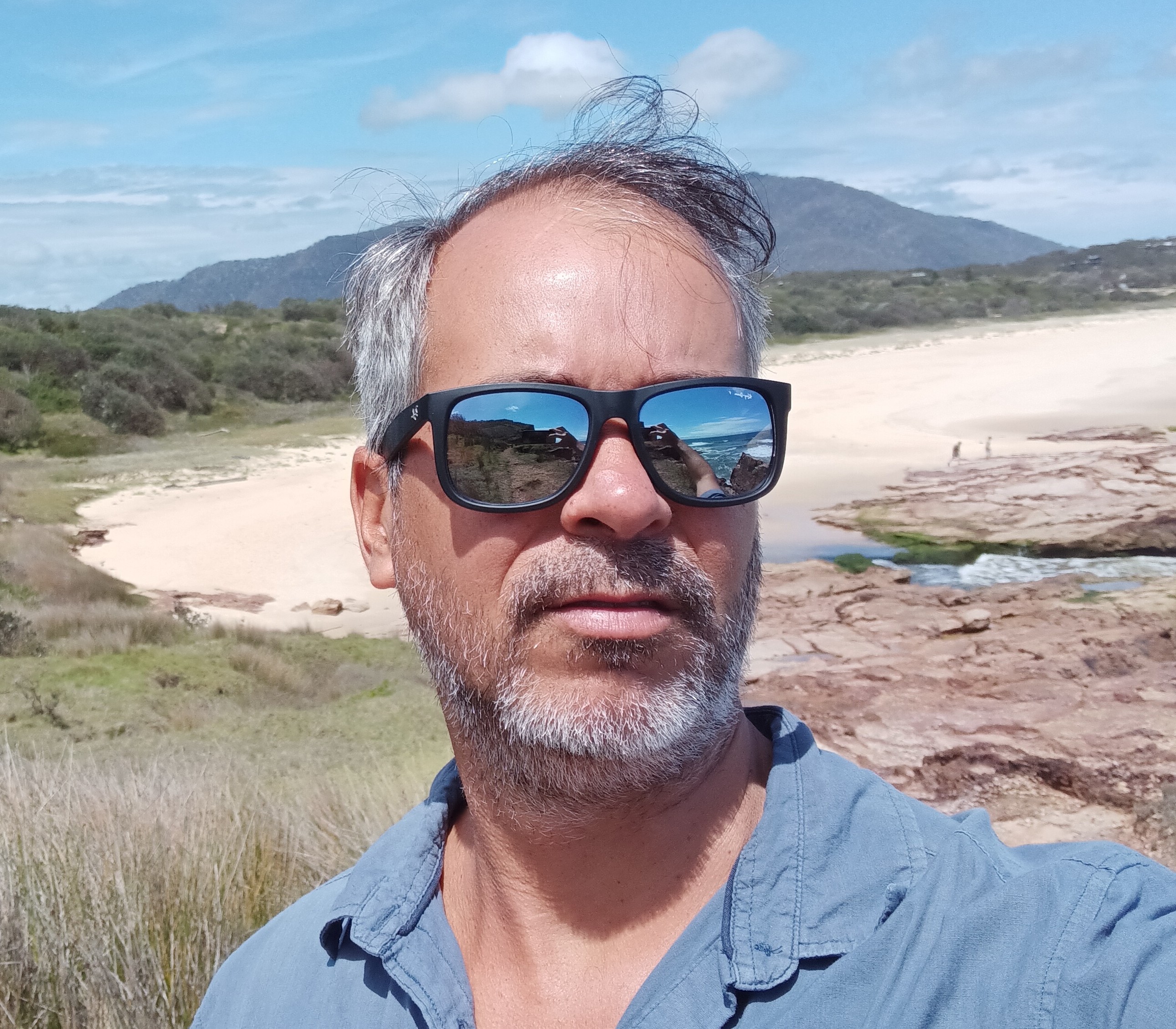
Rafael Cabral Carvalho
- Lecturer, Marine Geoscience
- rafael.cabralcarvalho@jcu.edu.au
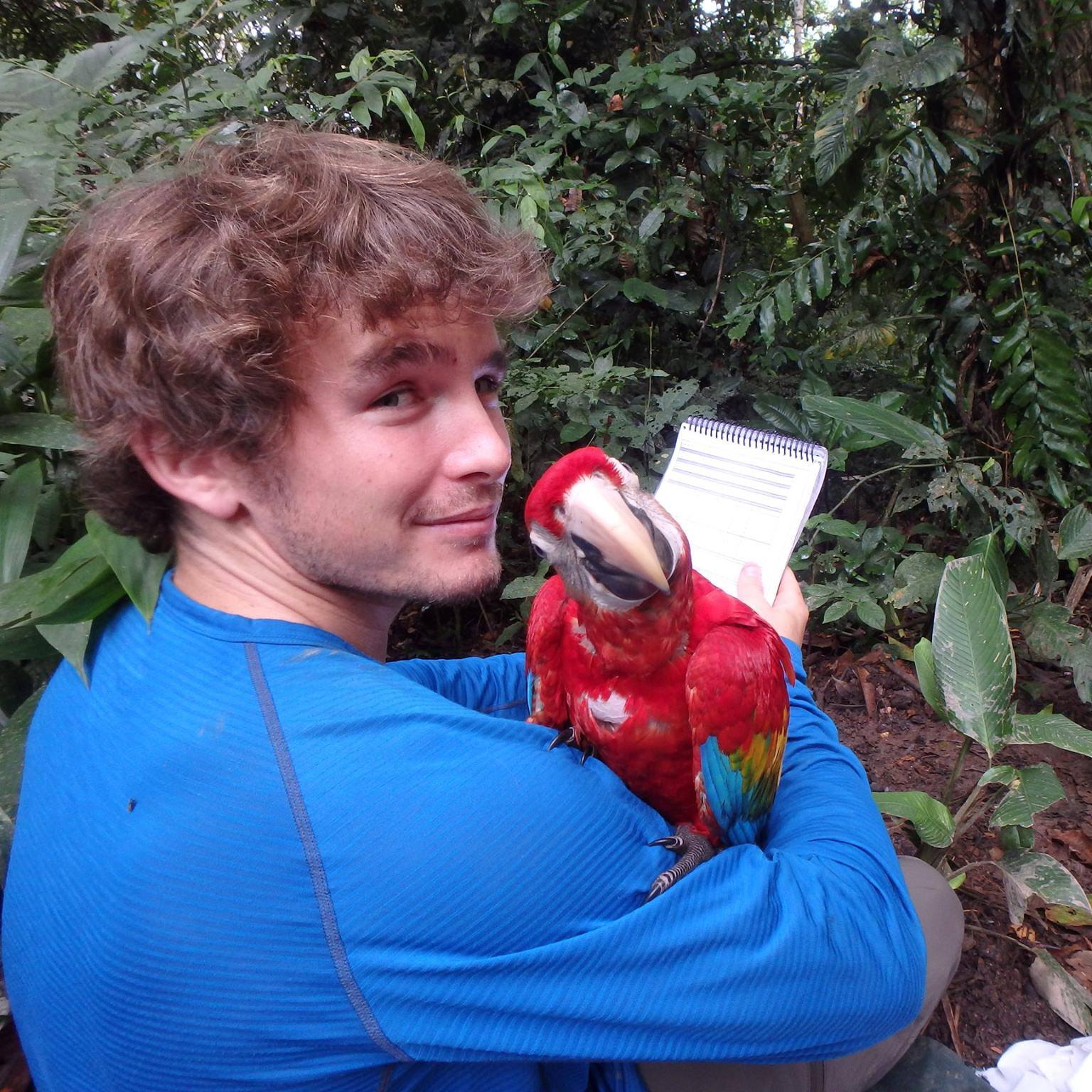
Tom Lloyd
- Postdoctoral Research Fellow, Global Ecosystems
- tom.lloyd@jcu.edu.au
An Advanced Ultrafast Laser Spectroscopy Facility in Queensland (Old ID 27154)
The project aims to establish a world-class ultrafast laser spectroscopy facility to investigate how molecules interact with visible or ultraviolet light. Light-matter interactions are key to energy generation in nature through photosynthesis as well as technologies we use on a daily basis including optical communications and displays. This project expects to generate new knowledge in on how light interacts with matter at the molecular level. Expected outcomes of the ultrafast spectroscopic measurements will be understanding the fate of light absorbed by or generated in different materials. Application of the knowledge gained will enable the design of materials for more efficient technologies such as solar cells, lighting, and sensors.
An Advanced Ultrafast Laser Spectroscopy Facility in Queensland (Old ID 27154)
The project aims to establish a world-class ultrafast laser spectroscopy facility to investigate how molecules interact with visible or ultraviolet light. Light-matter interactions are key to energy generation in nature through photosynthesis as well as technologies we use on a daily basis including optical communications and displays. This project expects to generate new knowledge in on how light interacts with matter at the molecular level. Expected outcomes of the ultrafast spectroscopic measurements will be understanding the fate of light absorbed by or generated in different materials. Application of the knowledge gained will enable the design of materials for more efficient technologies such as solar cells, lighting, and sensors.
Using a two-way knowledge exchange to illuminate the population dynamics of the dugong in the Gulf of Carpentaria
Dugongs are marine mammals with immense ecological and cultural significance, occurring in 40 countries in the Indo-Pacific. They are gardeners of seagrass beds and a major component of Indigenous culture. Their reliance on shallow seagrass beds exposes them to anthropogenic threats, e.g. pollution and boat disturbance. Dugongs are in decline in most of their range and are classified as vulnerable to extinction, with the populations in Australia representing a stronghold with an estimated 165,000 animals. My PhD project will use next-generation sequencing methods to assess genetic diversity, connectivity and health of dugongs in Australia, with a special focus on the remote and little-studied dugong populations in Western Australia and the Northern Territory. Indigenous Traditional Owners in remote northern Australia, such as the Kimberley region, have recently listed the genetic health and connectivity of dugongs as a top priority in their wildlife management plans. Within the next year, I am planning to actively travel to remote locations to give in-person workshops on tissue sampling of dugongs, starting a collaboration with Indigenous communities and rangers. I will then return to the same communities with my results, fostering a two-way knowledge exchange that encourages effective dugong conservation management and collaboration between different sea countries in Australia. As my PhD projects rely heavily on the retrieval of high-quality DNA, this hands-on approach is necessary to ensure proper handling of samples. During the first year, I will focus on collecting as many dugong samples as possible to ensure that all populations are well-represented and we can determine fine-scale population structure in Australian dugongs. At the end of my PhD, I will be able to assess important conservation parameters such as level of inbreeding, population fragmentation and migration along the entire Australian coast.
Improved education and training models to futureproof the aquaculture industry need for skilled staff to 2050 (Old ID 27215)
By evaluating industry workforce needs currently and into the future and analysing the gaps between industry need and educational output, we aim to highlight gaps in careers pathways to meet future industry requirements. These careers pathways will form the basis of promotional tools created to highlight education and skills development options that lead secondary students into the aquaculture industry. Cost-effective delivery models for training will be key to the outcomes of the project and a pilot project to up-skill existing industry employees in biosecurity will be used to develop and de-bottleneck new training delivery models.
Tropical North Queensland Drought Resilience Adoption and Innovation Hub (TNQ Hub)
This project will establish, implement and manage the TNQHub (“Hub”) activities including collaborative research, development, extension, adoption and commercialisation (RDEA&C). The Hub will help Australian farmers and communities become more prepared for, and resilient to, the impacts of drought. The objective is to invest in RDEA&C activities, which involves: - Cross-sectoral innovative and transformative RDEA&C - Focus on the needs of end users, involving them in the co-design and adoption phases of research and development - Delivery of effective communication of new and existing knowledge and technologies - Co-investment in national drought resilience RDEA&C priorities with collaboration and co-design between governments, primary producers, community groups, research and training provider
Tropical North Queensland Drought Resilience Adoption and Innovation Hub (TNQ Hub)
This project will establish, implement and manage the TNQHub (“Hub”) activities including collaborative research, development, extension, adoption and commercialisation (RDEA&C). The Hub will help Australian farmers and communities become more prepared for, and resilient to, the impacts of drought. The objective is to invest in RDEA&C activities, which involves: - Cross-sectoral innovative and transformative RDEA&C - Focus on the needs of end users, involving them in the co-design and adoption phases of research and development - Delivery of effective communication of new and existing knowledge and technologies - Co-investment in national drought resilience RDEA&C priorities with collaboration and co-design between governments, primary producers, community groups, research and training provider
ResPax Digital Passbook (Phase II) (Old ID 29015)
To continue the Phase I of project to further develop digital tools for collecting tourism data in the region to enable better decisionmaking.
Gold Mineralisation Styles in the Alice River Gold Field, FNQ (Old ID 23601)
The deposits along Alice River, including the Alice Queen mine are aligned along a lineament, interpreted as the Alice River Shear zone. The GSQ (Geological Survey of Queensland), in a recently completed study of the geology of Cape York Peninsula has interpreted the deposits as orogenic gold deposits based on outcrop patterns and limited field data. In spite of this interpretation, the age, mineral association, associated intrusives and structural styles of the deposits remains unknown and they have not been studied in details. Spitfire Materials is interested to know the age and style of mineralisation as this will assist future exploration.
Species interactions and the volution of plasticity in mating signals (Old ID 23407)
Displaying for mates is one of the most important forms of communication. The impact on mating displays in the presence of other species (reproductive interference) has generally been overlooked but is increasingly being recognised as a major selective force driving the evolution of mating traits. This project will investigate if species interactions can evoke immediate (plastic) changes to male mating displays. Plastic changes to mating displays will allow species to stand out in the crowd, thus avoiding reproductive interference and continue being reproductively successful. This adaptation may become extremely important due to changing species distributions in this rapidly changing world.
Development of Customised Hospital Waste Processing Technology (Old ID 26326)
Phase 1 aims to use microwave pyrolysis technology to process a mix medical waste supplied by Medafield Pty Ltd, and study the pyrolysis conditions and resulting byproducts (syngas, bio-oil and biochar) material analysis using the different analytical tools. Phase 2 of this project will focus on the optimisation of the material properties especially to increase the value of the byproducts of particular interest. We will also undertake the biological characterisation of the samples to better understand the hazardous nature of the syngas and the biochar.
Save Singapore's freshwater streams
- 2016
- Singapore Press Holdings
- Researchers:HanShe Lim
Water and the tropics
- 2018
- Uro Publications
- Researchers:HanShe Lim
Anticoagulant heparin mimetics via RAFT polymerization
- 2020
- American Chemical Society
- Researchers:George Vamvounis
Elucidating the effects of guest-host energy level alignment on charge transport in phosphorescent OLEDs
- 2019
- American Institute of Physics
- Researchers:Bronson PhilippaGeorge Vamvounis
Thermal induced NDC of electron swarms in N-2 and N-2-like gases: the role of temperature and collision operator approximations
- 2019
- IOP Publishing
- Researchers:Madalyn CaseyGreg Boyle
Start Date:
01 Jan 2006
End Date:
01 Jan 2008
Start Date:
01 Jan 2017
End Date:
01 Jan 2020
Start Date:
01 Jan 2022
Start Date:
01 Jan 2001
End Date:
01 Jan 2002
Start Date:
01 Jan 2020
End Date:
01 Jan 2021
Start Date:
01 Jan 2021
Start Date:
01 Jan 2021
Start Date:
01 Jan 2021
Title:
French
Title:
English