
College of Science & Engineering

Sophia Love
- Doctor of Philosophy (Natural and Physical Sciences)
- sophie.love@jcu.edu.au
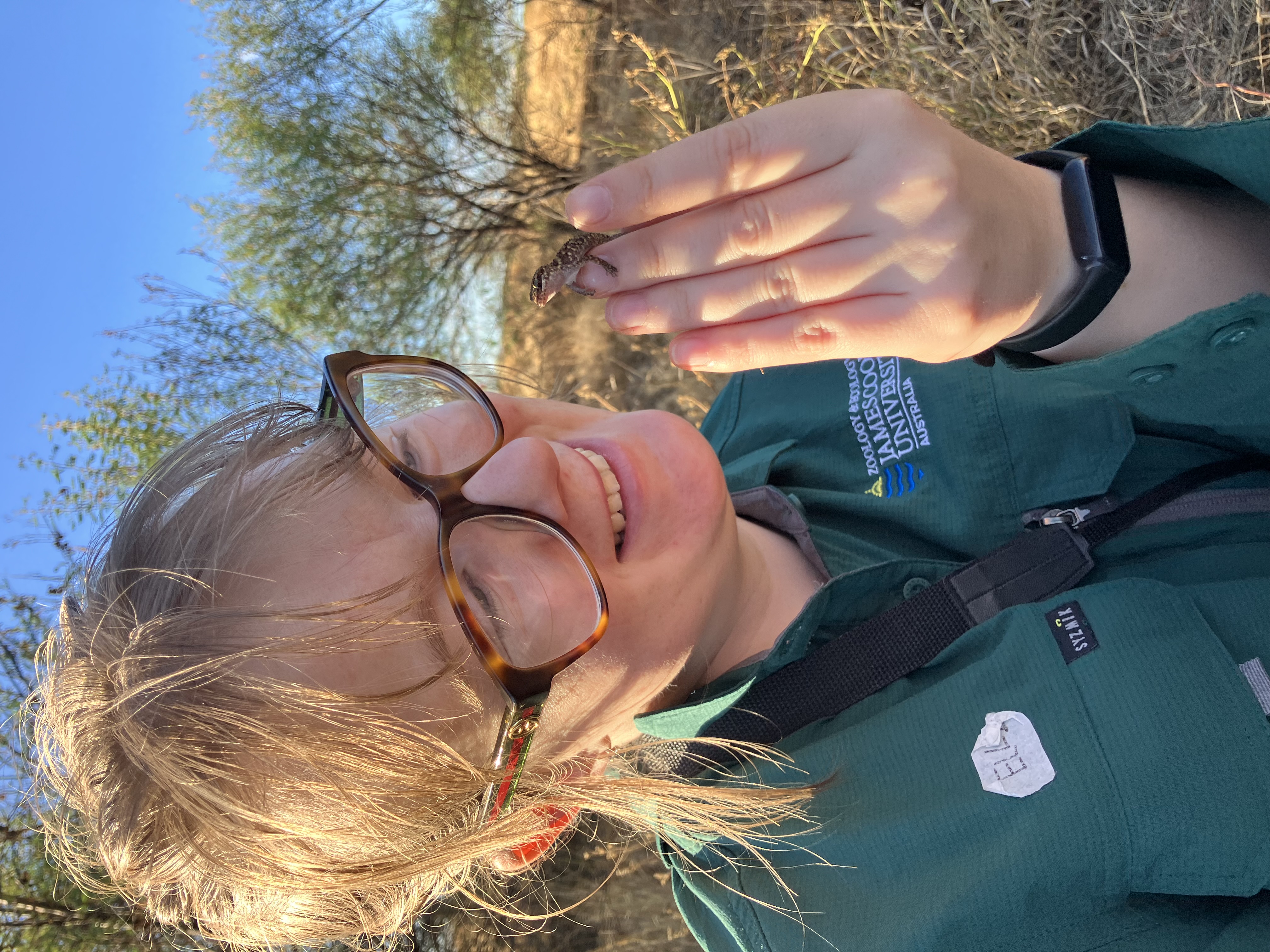
Elle Robertson
- Doctor of Philosophy (Agriculture, Environmental and Related Studies)
- elle.robertson@jcu.edu.au
Romain Vaucher
- Senior Lecturer, Sedimentology
- romain.vaucher@jcu.edu.au
Jenny Fisher
- Associate Dean, Learning and Teaching
- jenny.fisher@jcu.edu.au

Ambili Narayanan
- Doctor of Philosophy (Natural and Physical Sciences)
- ambili.narayanan@my.jcu.edu.au

Sarfaraz Ali
- Postdoctoral Research Fellow
- sarfaraz.ali@jcu.edu.au
Mikaeylah Davidson
- Postdoctoral Research Fellow
- mikaeylah.davidson@jcu.edu.au
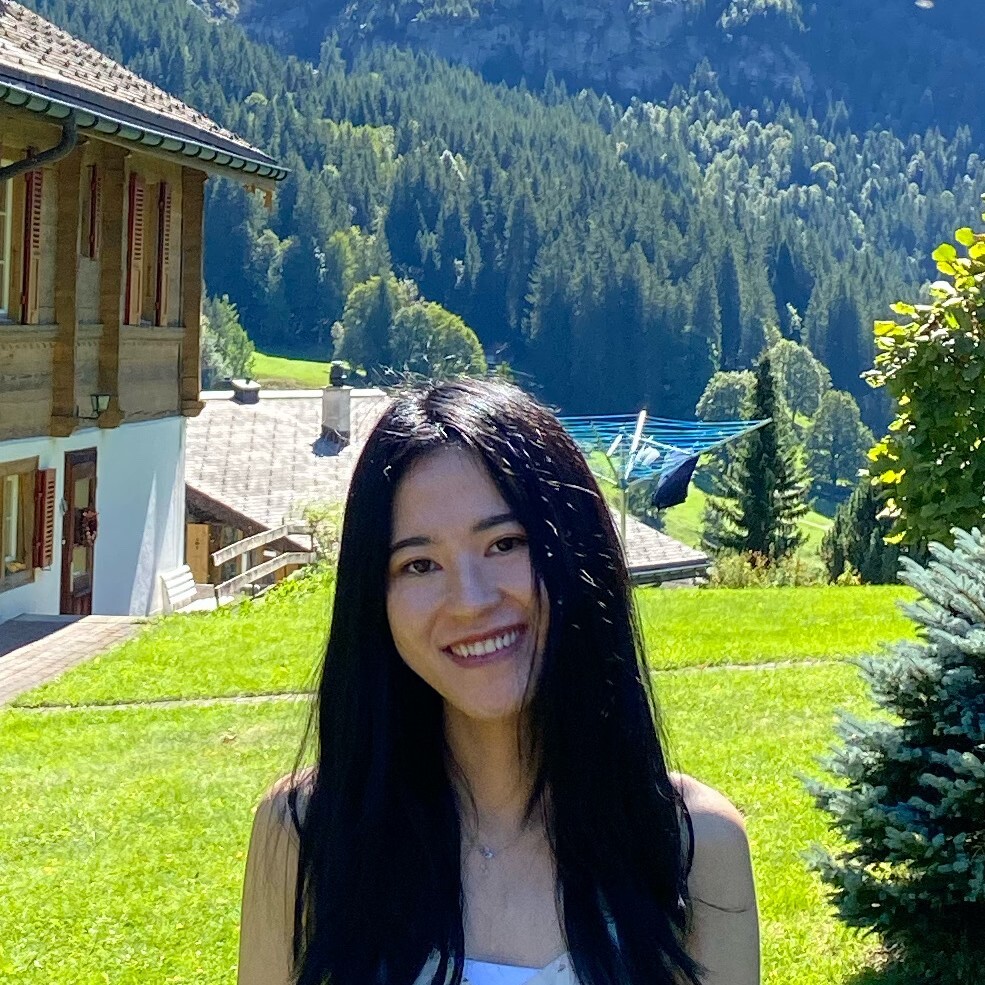
Liuxin Chen
- Adjunct Lecturer
- liuxin.chen@jcu.edu.au
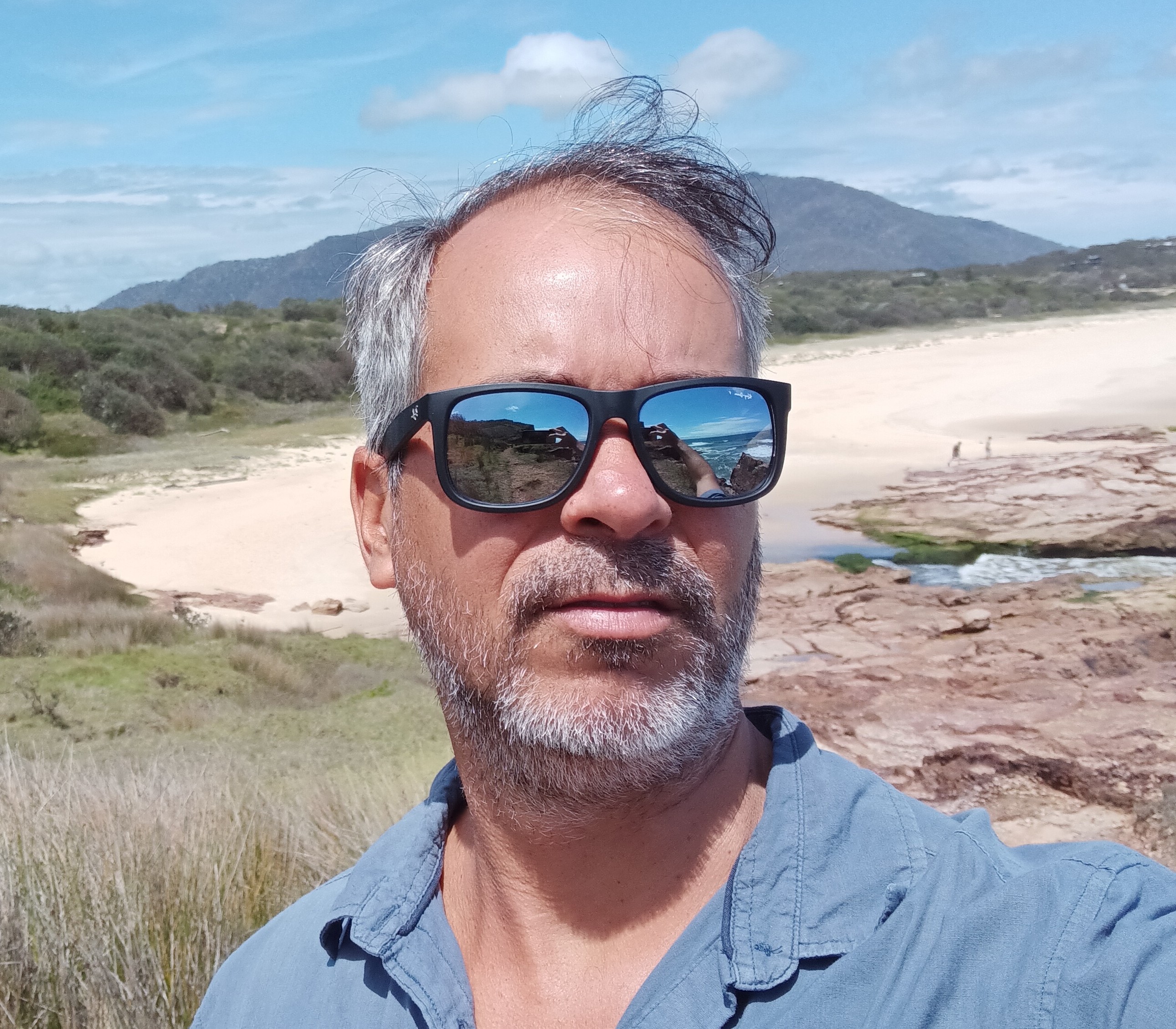
Rafael Cabral Carvalho
- Lecturer, Marine Geoscience
- rafael.cabralcarvalho@jcu.edu.au
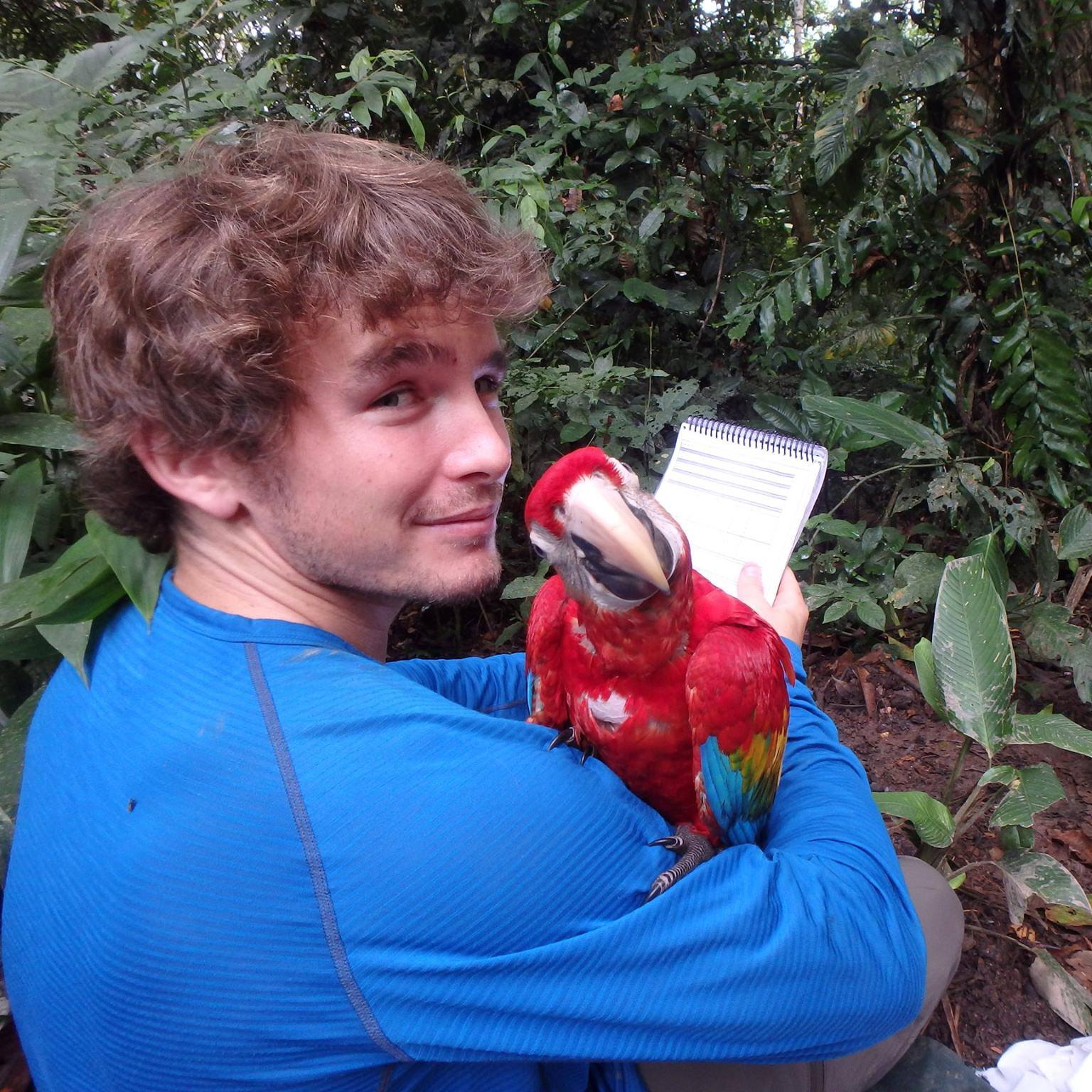
Tom Lloyd
- Postdoctoral Research Fellow, Global Ecosystems
- tom.lloyd@jcu.edu.au
Analysis of sheet metals cladding anti rust coatings. (Old ID 27127)
Glencore are looking at replacing their minerals concentrate storage sheds with new colorbond materials and require testing on several materials so we can advise them on the most optimal materials to use to minimise corrosion for the future.
AutoFish: Automatic Fish Phenotyping Tool for Sustainable Aquaculture and Smart Fisheries (Old ID 28947)
This project aims to advance an initial implementation of a new automatic fish phenotyping tool, named AutoFish, that will enhance aquaculture farming and post-harvest processing practices by accelerating the collection of data and automatically analysing and leveraging it using the latest advances in computer vision and machine learning technologies. We have already developed a ground-breaking solution for the aquaculture industry, and produced a Proof Of Concept (POC) device, which has been successfully tested. This POC is ready to get tailored, integrated and/or retrofitted into an available fish and aquaculture farm for grading, phenotypic collection and/or processing lines, due to its modular stand-alone nature. The AutoFish concept has been proven with Barramundi as a test species. However, it can be used to collect images of, and trained to predict features of other fish and/or aquaculture species. AutoFish can also be trained to detect and predict any customertailored features and traits of the fish/product, and/or be used to assess the health of fish/product, if th health issues are visually recognisable by an RGB camera and the background phenotypic data present for training. Hence this technology would be scalable and can be implemented for other aquaculture products worldwide. The main aim of this project is to unlock the potential of our initial AutoFish POC by applying it to, or altering it for, a partner Barramundi (or Prawn) farm, to solve a real end-users’ problem. This problem can be about any monitoring aspect, as long as cameras can capture it. We have narrowed down the scope of this project to Barramundi (and/or Prawn) due to our wider industry network in these two species.
The Queensland STEM Education Network (Old ID 22162)
Establish the Queensland STEM Education Network comprising a partnership of key stakeholders in STEM education in Queensland to co-develop a range of programs and initiatives designed to build STEM capacity across the state of Queensland.
Plasma assisted fabrication of nanofirous membranes for energy applications (Old ID 22343)
Development of highly stable proton conductive polymer electrolyte membranes will enable advances in energy conversion systems. This project focuses on developing innovative membranes for fuel cells and vanadium redox battery based on cheap electrospun nanofibrous modified with plasma. Nanofiberousmats containing proton conducting functionalities will be prepared by electrospinning of desired polymers followed by immobilising of ionic groups. Composite membranes with webbed morphologies will be obtained using plasma assisted crosslinking of nanofiberousmats followed by introducing additional polyelectrolyte layers. The adopted fabrication technique will be a versatile strategy for producing low cost and mechanically stable PEMs for numerous electrochemical applications.
Activity 2.6 (Banana soil physico-chemical properties) of 'Fusarium wilt Tropical Race 4 Research program (BA14014)' (Old ID 22760)
The project will determine the influence of soil physiocochemical conditions on growth and infectivity of the banana disease-causing fungus Fusarium oxysporum f. sp. Cubense (Foc. Foc is one of the world's most destructive banana diseases and Tropical Race 4, which attacks the Cavendish variety, was recently detected in the Tully valley in the heart of the North Queensland banana production region. This project is part of a larger program aimed at providing new information and practices to address key areas of need with a medium to long-term view of developing management practices for banana growers affected by Tropical Race 4.
Investigating the effects of insecticide exposure, pathogens, and heat stress on bee diversity, abundance, and health (Old ID 28974)
Bees are threatened by multiple stressors including insecticide exposure, disease, loss of habitat, and climate change. Studies investigating stressors facing Australian bees are becoming more common, but many knowledge gaps still exist and while some studies document the effects of stressors in isolation, they stop short of investigating the effects of stressors in combination. My project will investigate how the stressors of insecticide exposure, pathogens and heat stress affect native bee diversity, abundance, and health, as well as investigate whether bee hotels cause increased pathogen and parasitism prevalence, and predation rates in native bees.
Advancing the chemistry of topical rare earth metals (Old ID 20618)
With abundant, but until recently neglected, rare earth resources, Australia is positioned to become a major supplier of these strategic elements as the world faces a shortage created by a Chinese monopoly and much reduced exports. Advancing the chemistry of highly reactive rare earth metal-organic compounds including syntheses from the free metals and alloys will provide a knowledge base and breakthrough science to underpin future applications in chemical manufacture, catalysis, new materials and recycling. Steric and electronic manipulation of rare earth coordination behaviour will transform their syntheses and reactions.
Waters of Jericho: Characterizing the Cu isotope compostition of water overlying IOCG-style deposaits in the Mt Isa block (Jericho and Eloise deposits). (Old ID 27017)
This project is a pilot study that aims to characterize the Cu isotope compositions of borehole waters in 10 km radius around the Jericho and Eloise IOCG type ore deposits. Cu isotopes can act as an ore vectoiring. However, few studies have focused exclusively on natural water samples as a ameans to vector under cover. Novel, efficient techniques are needed as the demand for Cu increases with population and our transition to green energies. A second aim of the project is to stream line the purification of Cu (needed for analysis) to make this more time and cost efficient, and thus more accessible to industry partners.
RRAP CAD-01: Coral propagation and deployment (Old ID 27237)
Deployment device shape and material can considerably affect the growth rates and survival of recruits, but the optimal physical properties of deployment devices to maximise the survival and growth of a diversity of corals are not yet clear. For example, crevice size is an important physical factor that influences the survivorship of coral recruits and juveniles. Spatial structure of settlement surfaces can provide refugia from algae and release from grazing. The first part of the project consists of selecting potential device materials, porosities and textures that will be assessed for fouling and recruit survival. These will be first tested in the SeaSim and the most promising candidates in the field in across a range of environments and environmental gradients. The second part of the project consists of optimization and scaling up of the fabrication technology to produce millions of devices.
Mission Research – Threatened and migratory species and threatened ecological communities (Old ID 27434)
This project will provide the research foundation for the ‘Threatened and Migratory Species and Threatened Ecological Communities’ functional Mission to support policy development, program management and regulatory processes to protect Australia’s environmental assets in terrestrial, Ramsar and marine environments. It will also facilitate the Resilient Landscapes (RL)Hub’s contribution to the three other Missions. It will identify prospective research projects through scoping, reviews and workshops and will support the co-design process with research users and researchers. Outputs include a review and priority co-designed project proposals for submission in subsequent research plans of all four Hubs and an overall research plan for this Mission.
Argument free clustering via boundary extraction for massive point-data Sets
- 2002
- Researchers:Ickjai Lee
Start Date:
01 Jan 2023
Title:
23Things International
Start Date:
01 Jan 2024
End Date:
01 Jan 2024
Start Date:
01 Jan 2023
End Date:
01 Jan 2024
Start Date:
01 Jan 2026
Start Date:
01 Jan 2024
End Date:
01 Jan 2025
Start Date:
01 Jan 2018
End Date:
01 Jan 2023
Start Date:
01 Jan 2015
End Date:
01 Jan 2019
Start Date:
01 Jan 2019
End Date:
01 Jan 2023
Start Date:
01 Jan 2023
End Date:
01 Jan 2025
Start Date:
01 Jan 2026