
College of Science & Engineering

Sophia Love
- Doctor of Philosophy (Natural and Physical Sciences)
- sophie.love@jcu.edu.au
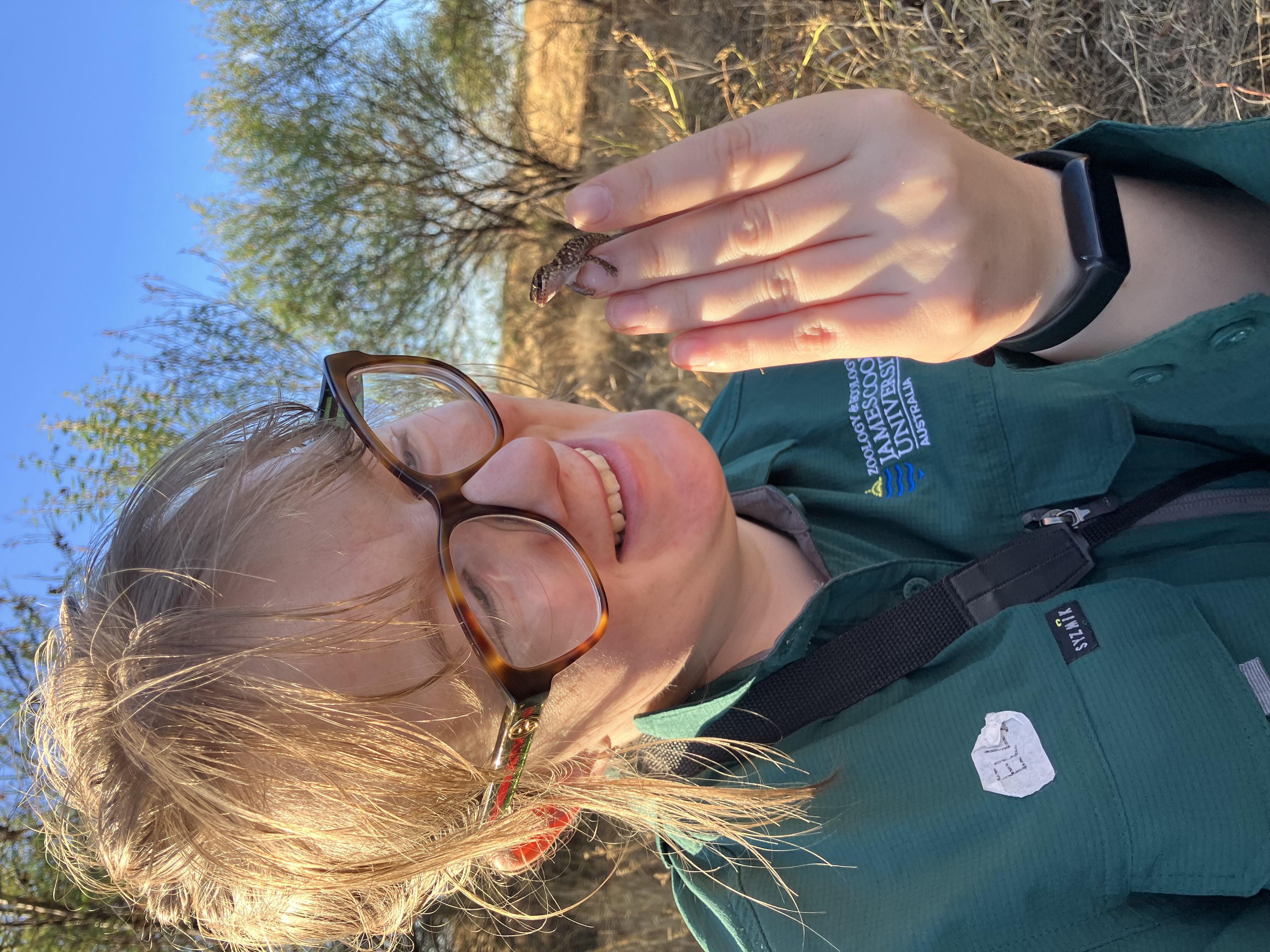
Elle Robertson
- Doctor of Philosophy (Agriculture, Environmental and Related Studies)
- elle.robertson@jcu.edu.au
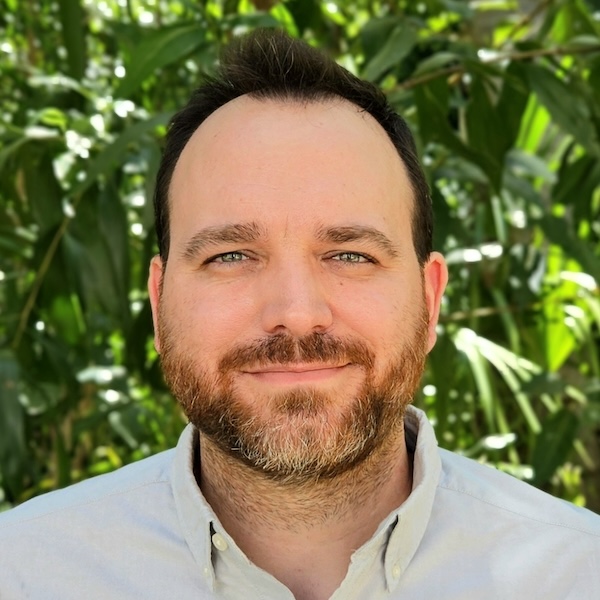
Romain Vaucher
- Senior Lecturer, Sedimentology
- romain.vaucher@jcu.edu.au

Jenny Fisher
- Associate Dean, Learning and Teaching
- jenny.fisher@jcu.edu.au
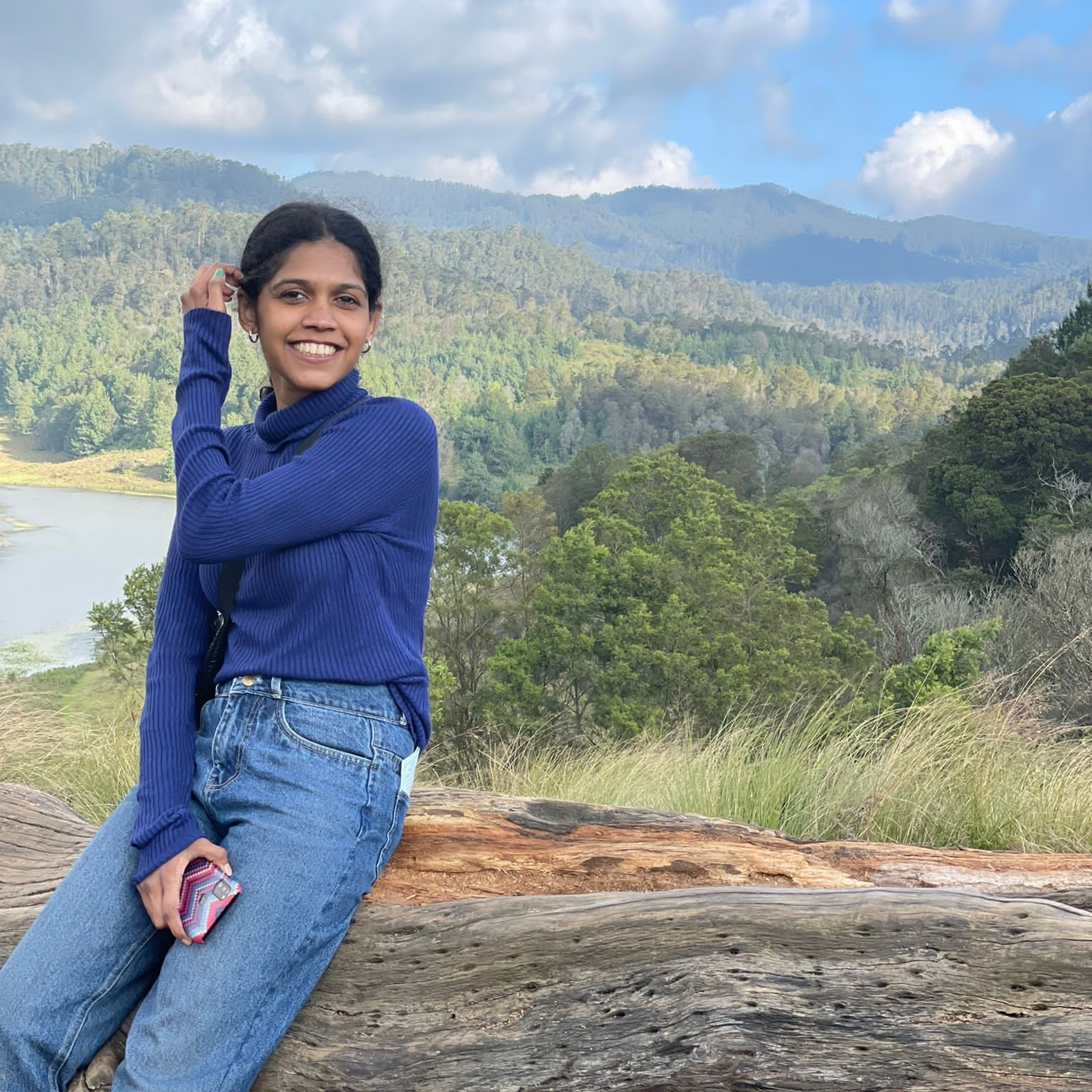
Ambili Narayanan
- Doctor of Philosophy (Natural and Physical Sciences)
- ambili.narayanan@my.jcu.edu.au

Sarfaraz Ali
- Postdoctoral Research Fellow
- sarfaraz.ali@jcu.edu.au

Mikaeylah Davidson
- Postdoctoral Research Fellow
- mikaeylah.davidson@jcu.edu.au
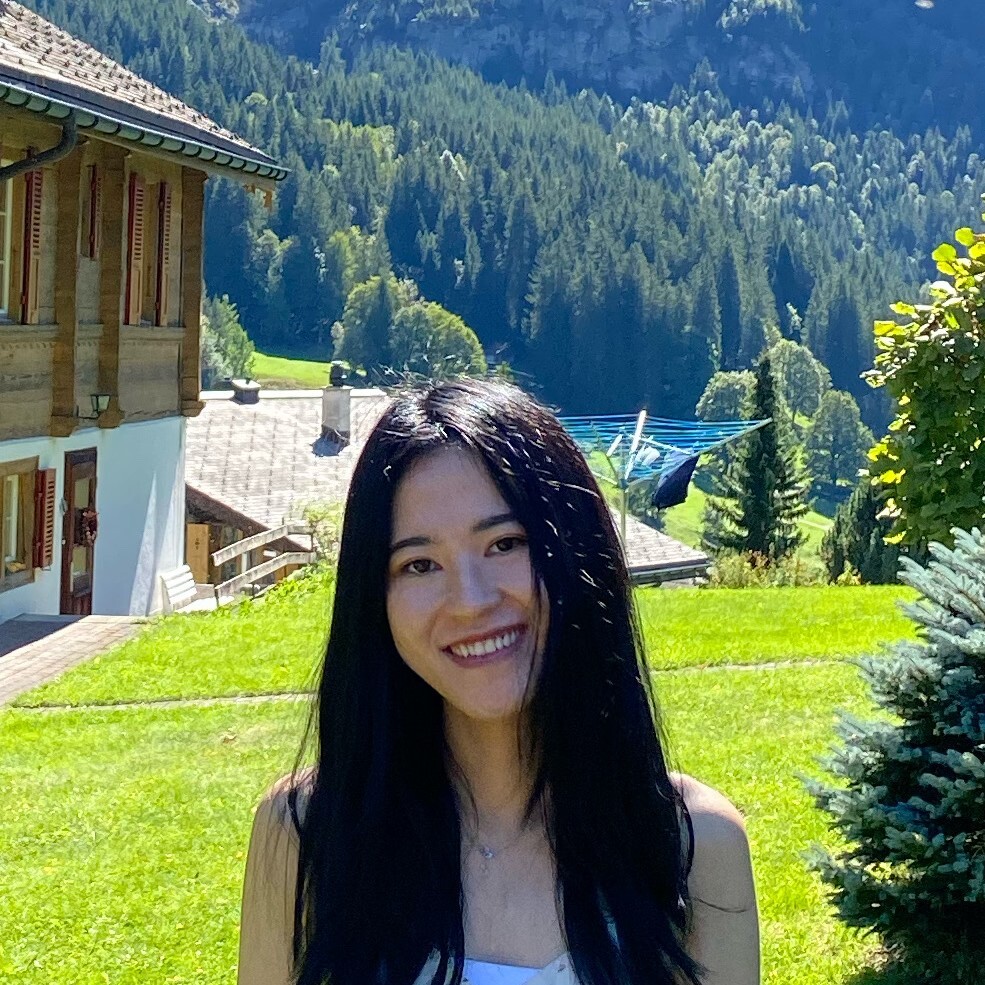
Liuxin Chen
- Adjunct Lecturer
- liuxin.chen@jcu.edu.au
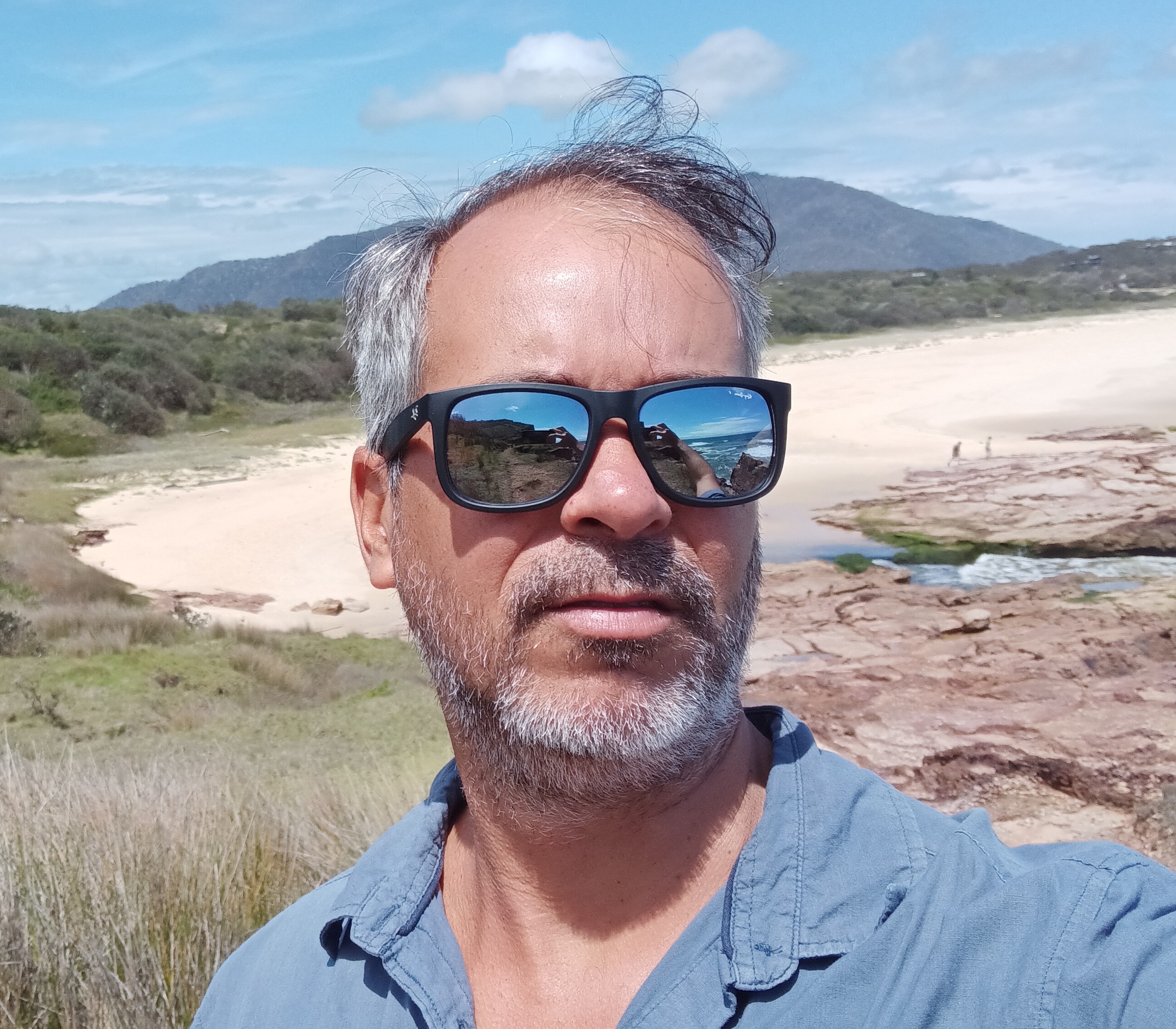
Rafael Cabral Carvalho
- Lecturer, Marine Geoscience
- rafael.cabralcarvalho@jcu.edu.au
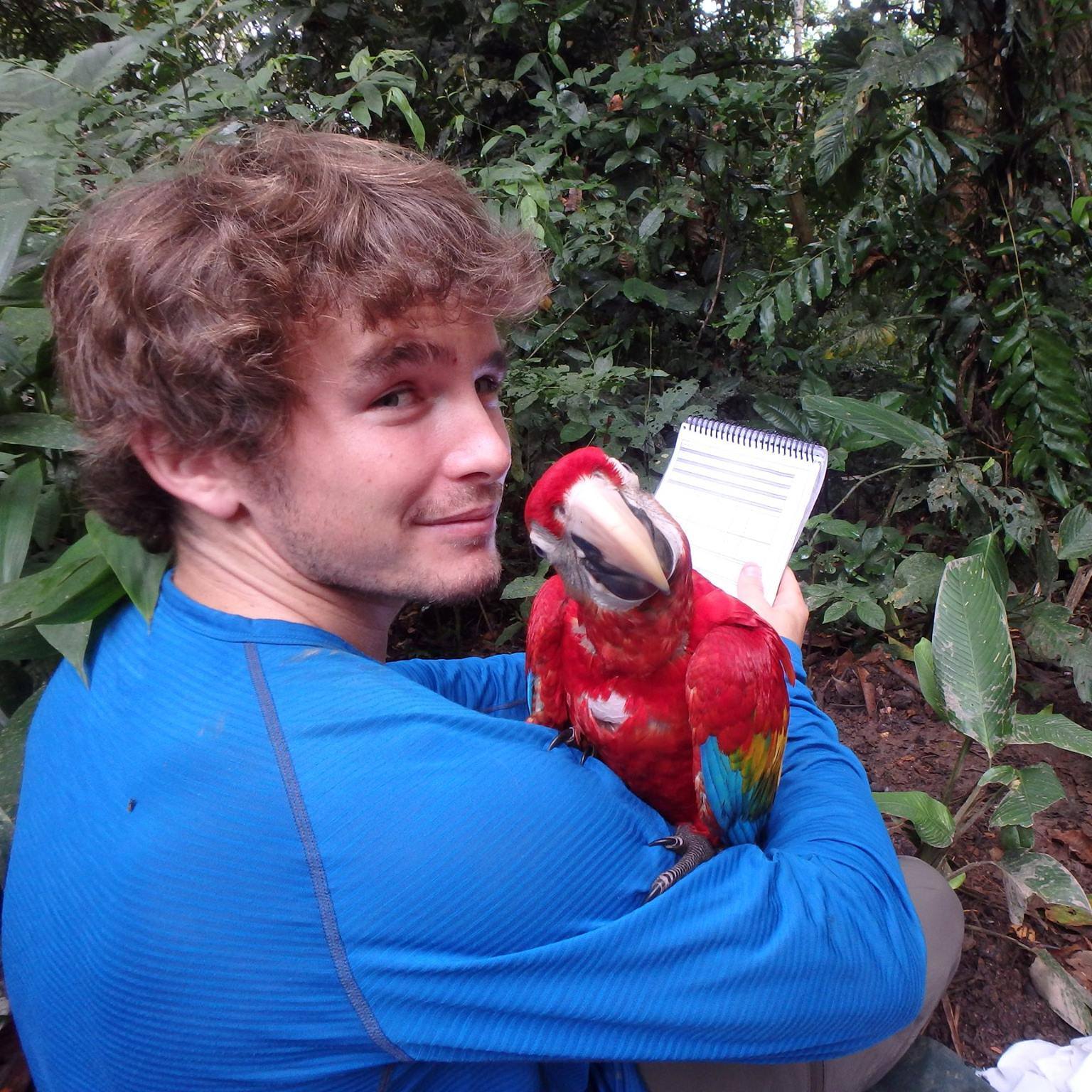
Tom Lloyd
- Postdoctoral Research Fellow, Global Ecosystems
- tom.lloyd@jcu.edu.au
Develop an autonomous AI vehicle damage assessment tool (Old ID 26683)
Development of a practical means and method for automated detection, identification and categorisation of vehicle panel damage using AI, deep learning and selected semantic segmentation networks. Semi-Supervised methods will be investigated to minimize the requirements on hand made training data (archived damaged vehicle images) and research will be conducted to determine the possibility to build a minimum viable product (MVP) directly onto the existing platform architecture.
PADI Global Shark Census 2025-2028
This is a continuation of the existing project with PADI Aware Foundation. The Fish and Fisheries Lab @ JCU is the global scientific quality control and data analysis hub for the PADI Global Shark and Ray Census (GSRC), an international long-term initiative of the PADI AWARE Foundation to monitor sharks and rays around the world through the PADI Diver network. The F&F Lab @JCU conducts quality assurance and scientific verification and checks to the rigor of programme data and will conduct scientific analyses and pattern and trend reporting from the data. This multi-year project provides WIL placement opportunities and may include several PhD students once the data streams collate sufficient data.
Assessing recovery in threatened Australian amphibians and reptiles
Biodiversity loss is occurring at unprecedented levels. Worldwide, human activities have ushered in the sixth mass extinction event, and driven swathes of species to the brink of extinction. In Australia, the condition of the environment is poor and declining, with the key threats to biodiversity being habitat loss, invasive species, altered fire regimes, and climate change. As a result, Australia is both a biodiversity hotspot, with 8% of the world’s species, and an extinction hotspot with 100 confirmed extinctions, and a further ~2,000 species threatened with extinction.
For 60 years, the International Union for Conservation of Nature’s (IUCN) Red List of Threatened Species has provided the global standard approach for assessing the extinction risk of species. The IUCN Red List provides an internationally accepted language for assessing the likelihood of a species going extinct, that can be used across all plant and animal groups, and regions of Earth. Australia’s Environment Protection and Biodiversity Conservation Act 1999 (EPBC Act) uses the IUCN Red List methodology to determine its list of threatened species. But whilst the IUCN Red List is an extremely effective way in which to assess a species’ risk of extinction, it was not designed to assess species recovery nor assess the value and effectiveness of conservation actions.
Why is measuring species recovery important? Avoiding extinction is only the first stage of successful conservation—ultimate success requires maintaining viable and functional populations, and achieving the recovery of declining and depleted populations. Indeed, the Federal Government’s Threatened Species Action Plan 2022-2032 is focused on more than simply preventing new extinctions, but also ensuring that threatened species are “on track for improved trajectory” (2027 Target 1). However, recent attempts to measure recovery of the Australian fauna, using de-listing under IUCN Red List criteria as a proxy for recovery, have proved extremely controversial. Crucially, we argue that this is because such studies have been using the wrong approach to measure species recovery.
In fact, there is a much more meaningful method for measuring species recovery, recently developed and tested by the international conservation community: the IUCN’s Green Status of Species (GSS). The GSS metrics complement the IUCN Red List, extending its existing conservation language, ecological theory, and criteria to assess how far a species is from being fully recovered (Fig. 1). The GSS also provides a way to determine the benefit of past and future conservation efforts. Critically, although the GSS approach has been adopted under the international Convention on Biological Diversity as a key indicator for measuring species recovery, it is yet to be integrated into the Australian EPBC Act or state-based conservation policy, nor any other country’s legislation.
Climate Vulnerability Index Greater Blue Mountains (Old ID 27457)
Globally, heritage locations are being impacted by local-scale and global-scale stressors. Climate change poses an existential threat to global heritage. With rising sea-levels, more extreme weather events and aridification, the extensive impacts of climate are evident at heritage sites globally and the pace of this change is startling. In most parts of the world the rate of loss is exceeding adaptive capacity and this deficit is only getting worse. Decisions on conservation and preservation begin with a detailed understanding of a place's vulnerability. The choices made will directly impact that ability to effectively integrate the goals of safeguarding heritage, adapting and mitigating climate change, and driving sustainable development. This project will apply aspects of the Climate Vulnerability Index process to the Greater Blue Mountains World Heritage property.
Conservation genomics and population status of the endangered Mahogany Gliders (Petaurus gracilis) (Old ID 27672)
Habitat loss and fragmentation have been threatening population connectivity and genetic diversity of Mahogany Gliders, a rare and endangered gliding possum endemic to the Australian Wet Tropics. Substantial habitat loss and fragmentation have brought concerns to the status of remnant populations. I will use distribution models to refine the distribution and guide camera trapping to find unknown populations. Connectivity between populations will be assessed using genomics, which also allows estimations of population structure and effective population size. Knowledge of distribution and genetics will be used to choose populations for long-term monitoring, and to guide conservation actions for Mahogany Gliders recovery.
Biosecurity and genetic improvement for disease resistance in large scale shrimp aquaculture (Old ID 27756)
This project aims to facilitate first-hand experience for students in international agricultural research in the Tropics. Activities will involve travel of the student, Phoebe Arbon, accompanied by Prof. Dean Jerry, to facilities including advanced selective shrimp breeding centres, aquatic viral research laboratories and, industrial-scale aquaculture farms in Thailand and Singapore. Travel to these regions presents unique opportunities to enhance Phoebe’s research experience and technical understanding of aquatic animal health, given the presence of highly pathogenic shrimp diseases and aquaculture conditions which are unparalleled in Australia. Engagement made with industry and research groups during the trip will also foster professional networks.
High shear fluid flow driving carbon foundry for advanced manufacturing (Old ID 28965)
The project aims to develop versatile continuous flow film microfluidic device technology by harnessing the contact electrification generated by sub-micron high shear topological flow, for fabricating novel nano-carbon material for which current methods are ineffective or of limited utility. This technology incorporates optional external electric and magnetic fields, and textured surfaces in the rapidly rotating tube, which will allow exquisite control, with real time monitoring, on reforming of carbon into functional material with tunable properties and fabricating hetero-structures of nano-carbon. Understanding their fundamental properties will be targeted for leveraging them in applications to generate new processes and products.
Develop an AI based zero-lag flood monitoring and reporting system (Old ID 29019)
The project will marshall appropriate flood relevant data including images and process it accordingly to facilitate model building. We will then move to the development of statistical models that optimise data capture locations, accuracy, low latency through asset location while minimising deployment costs. We will subsequently design an AI means to improve current flood mapping models based on actual Lixia field water level sensor data utilising ensemble optimisatin, leading to the development of online toolsets to transmit flood level prediction information. We will also engage with regional local governments water and emergency agencies as appropriate to test and qualify minimum viable products and processes.
Wuthathi River to reef baselines and monitoring framework
Wuthathi Aboriginal Corporation would like to engage TropWATER JCU to assist with the implementation of the Wuthathi IPA Plan of management. This work will include 4 components to investigate connections from the Harmer River to the inshore Islands including Coastal mangroves. helicopter survey of Wuthathi coastline from Olive River to Captain Billys Landing and offshore islands showing impacts to mangroves. Seagrass. Vessel-based inshore sub-tidal camera drop surveys east and west of Harmer Creek and one day at Bird Island reef flat potentially using walking/quadrat survey methods. Dugong. Desktop analysis of existing data. Vessel-based trip to collect dugong skin samples and survey population and Land-based drone surveys of inshore areas near Ma’au. Aquatic ecosystems and oyster bed surveys. Harmer River assessment and assessment of Ma’au oyster bed and habitat and nearby coastal wetland/saltmarsh and riverine assessment and off-bank assessments of Harmer Creek.
Organic matter, sodicity and soil structure
- 1998
- Oxford University Press
- Researchers:Paul Nelson
Start Date:
01 Jan 2023
Title:
23Things International
Start Date:
01 Jan 2024
End Date:
01 Jan 2024
Start Date:
01 Jan 2023
End Date:
01 Jan 2024
Start Date:
01 Jan 2026
Start Date:
01 Jan 2024
End Date:
01 Jan 2025
Start Date:
01 Jan 2018
End Date:
01 Jan 2023
Start Date:
01 Jan 2015
End Date:
01 Jan 2019
Start Date:
01 Jan 2019
End Date:
01 Jan 2023
Start Date:
01 Jan 2023
End Date:
01 Jan 2025
Start Date:
01 Jan 2026