
College of Medicine & Dentistry
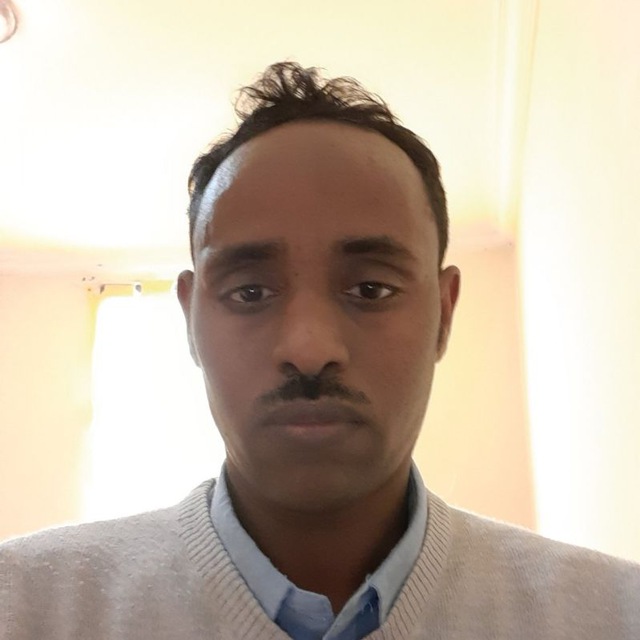
Semagn Abate
- Doctor of Philosophy (Health)
- semagn.abate@my.jcu.edu.au

Joseph Kamara
- Senior Lecturer Disaster Health and Humanitarian Assistance
- joseph.kamara@jcu.edu.au

Eric Kalo
- Lecturer Medical Education
- eric.kalo@jcu.edu.au
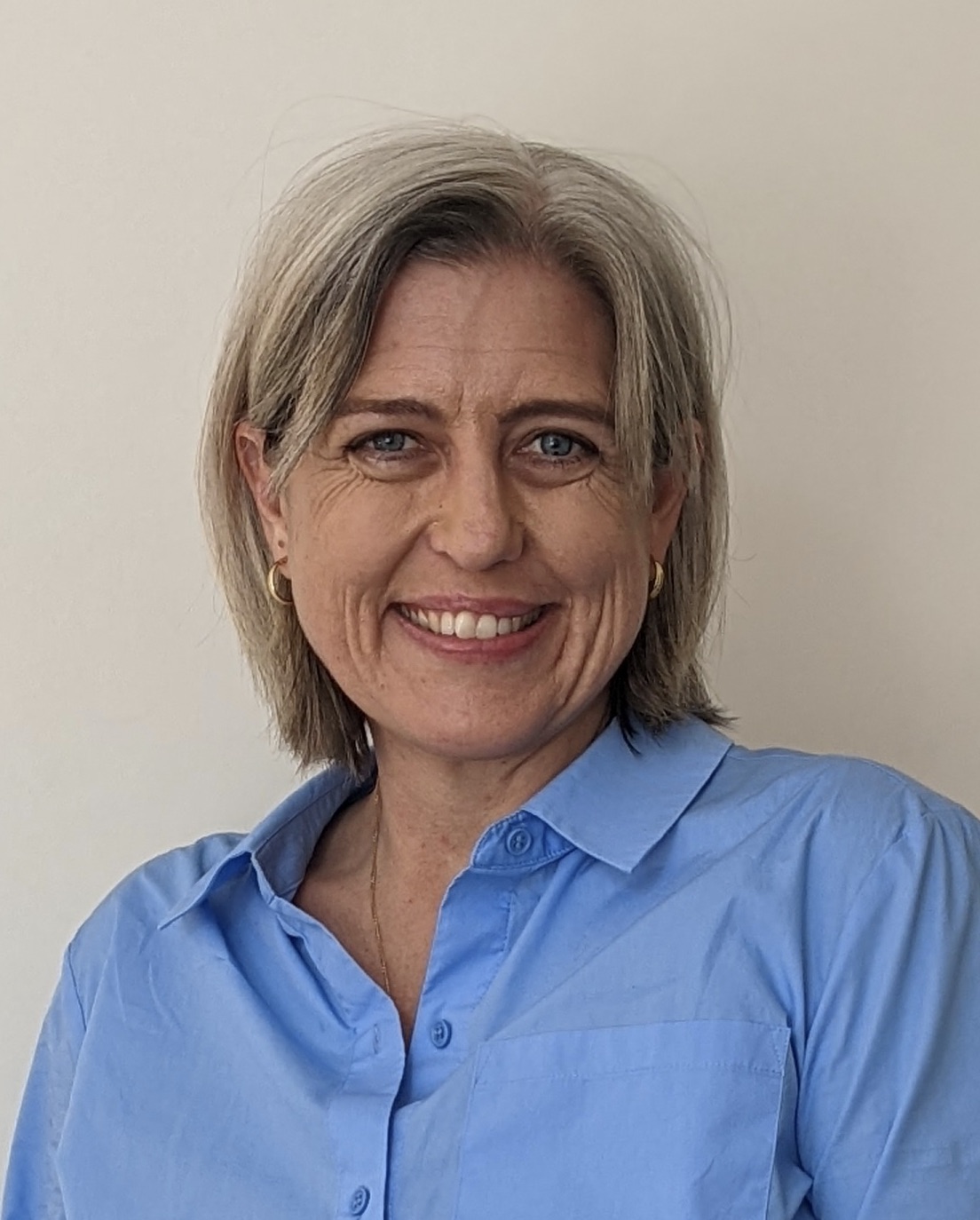
Erin Waters
- JCU Associate Professor
- erin.waters@jcu.edu.au

Kannan Maharajan
- Associate Professor, Pharmacy
- kannan.maharajan@jcu.edu.au

Fahmida Begum Mina
- Doctor of Philosophy (Medical, Molecular and Veterinary Sciences)
- fahmidabegum.mina@my.jcu.edu.au

Lynsey Brown
- Adjunct Senior Lecturer
- lynsey.brown@jcu.edu.au

Ali Isin
- Adjunct Senior Research Fellow
- ali.isin@jcu.edu.au

Muideen Olaiya
- Senior Research Fellow
- muideen.olaiya@jcu.edu.au

Mila Grinblat
- Postdoctoral Research Fellow
- mila.grinblat@jcu.edu.au
ABCD Case Studies Project: Quality improvement in Aboriginal primary health care: lessons from the best to better the rest. (Old ID 20865)
Sarah Larkins
01 Jan 2014 - 30 Jun 2017
High performing primary health care (PHC) services are essential to "close the gap" in Aboriginal and Torres Strait Islander health outcomes. Little previous research has investigated the contextual factors around a particular service that influence the success of quality improvement initiatives. We aim to transfer knowledge about the processes that facilitate the success of quality improvement initiatives in these services whilst building research and evaluation capacity in the services.
Quality Improvement in Indigenous Primary Health Care: Leveraging Effective Ambulatory Practices (LEAP) (Old ID 22468)
Sarah Larkins
01 Jan 2016 - 31 Dec 2016
Continuous quality improvement (CQI) initiatives are well-accepted as an effective means for improving quality of care at primary health care (PHC) services. However, there remains significant variation in the quality of care provided between individual services and the degree of response to CQI activities. This sis so despite active and effective CQI networks supported by a number of organisations. Understanding the detail of this variability is vital before quality improvement initiatives in Indigenous PHC can be effectively scaled-up and expanded. We aim to enhance understanding of how quality improvement initiatives in Indigenous PHC can be rolled out on a broader scale, particularly in services that face capacity and resource-based challenges, through I0 building on our understanding of how contextual factors interact to facilitate or limit the success of CQI initiatives; and ii) collaborative development and testing of a toolkit of interventions to address barriers to improvement.
Establishing Baseline Health Assessment Criteria for Green Turtles (Chelonia Mydas) (Old ID 22137)
Ellen Ariel
01 Dec 2014 - 30 Nov 2018
The first part of this project is to optimise procedures involved in assessing turtle health. The second part is to collect data for reference ranges. The third part is to analyse influence of age, location, season, sex and exertion on the results of the assessment. The ultimate output of this project is a robust and obje3ctive method for assessing turtle health, with will facilitate diagnosis and treatment of sick animals and enable assessment of population health of green turtles.
Viral Causes of Crayfish Handling Mortalities (Old ID 23613)
Leigh Owens
18 Sep 2017 - 31 Dec 2020
Northern Queensland crayfish from farms affected by stress, particularly transportation stress, started to die with mortality reaching 20-40% after about three weeks. Two new viruses were found, Cheque iflavirus and Athtab Bunya-like virus. This research will determine the infection cycle of the viruses to understand how to intervene and control the impact of these viruses.
Securing the frontline for health secure communities (Old ID 26522)
Maxine Whittaker
01 Aug 2020 - 31 Dec 2023
The aim is to build capacity to detect/respond to infectious disease outbreaks through frontline public health (human and animal) workforce which includes community members, volunteers, community health workers, environmental health workers, biosecurity and environmental officers and primary health care staff. This will be achieved through: Strengthened capability at community/primary care levels to anticipate outbreaks; Improved response at early stages of potential outbreaks; A quality timely and thorough response to outbreaks at the frontline level ; An operational learning and feedback process for continued improvement and currency of detection of and response to infectious diseases outbreaks.
Handling Mortality in Redclaw Crayfish (Cherax quadricarinatus) from farms (Old ID 21741)
Leigh Owens
01 Aug 2014 - 30 Jun 2016
Crayfish have become stress-sensitive to handling with low grade mortalities continuing until the crayfish re-acclimate. It is suspected they are carrying so-called orphan viruses. This project will use two independent observational techniques, histopathology and rolling-cycle PCR to look for difficult-to-diagnose viruses. These results will be used to support chapters in the PhD theses of two doctoral students, Shaun Bochow and Kitikarn Sakuna.
Improving Australia’s health and biosecurity through a greater marriage of infectious diseases modelling and genomic surveillance (Old ID 26942)
Michael Meehan
04 Jan 2021 - 18 May 2025
Emerging infectious diseases and antimicrobial resistance are among the greatest threats to the Australian health system, and current surveillance tools may fail to detect and mitigate infectious disease outbreaks in real time. This project will develop advanced phylodynamic methods (i.e. mathematical models of infectious disease transmission and pathogen evolution) to enable real-time surveillance of infectious disease outbreaks as they emerge and monitor levels of drug resistance.
Tilapia Biocontrol Project. (Old ID 27262)
Ellen Ariel
02 Nov 2020 - 31 Oct 2021
Determine the susceptibility of two tilapias species present in Australian waterways (O. mossambicus and T. mariae) to TiLV and demonstrate the efficacy of TiLV as a potential biocontrol agent for tilapia in Australia.
Women's Action for Mums and Bubs (WOMB): A pragmatic trial of participatory women's groups to improve Indigenous maternal and child health (Old ID 23276)
Sarah Larkins
01 Jan 2018 - 31 Dec 2023
There is strong evidence elsewhere that involving community women in decision-making about strategies to improve the health of mothers and babies is a cheap and effective way of improving health. The WOMB study tests whether community women's groups improve the quality of maternal and child health care and outcomes in Aboriginal and Torres Strait Islander communities, the cost-effectiveness and mechanism of action.
Developing phylodynamic models of bacterial evolution to investigate the tuberculosis (TB) outbreak in Daru, Papua New Guinee (Old ID 26449)
Michael Meehan
01 Jan 2019 - 31 Dec 2019
Australia's nearest neighbour, Papua New Guinea (PNG), is listed by the WHO as one of 30 high TB-burden countries, and Daru Island, off the southern coast of PNG, has been identified as a major TB hotspot. Given the immediate and porous border between Daru and Far-North Queensland (FNQ), cross-border transmission of drug-resistance tuberculosis into mainland Australia is a major public health concern. Here we use phylodynamic models (i.e mathematical models of infectious disease transmission supplemented with genetic data) to investigate the scale and severity of TB transmission in Daru and prevent similar outbreaks among FNQ communities.
Regenerating lizard tails: A new model for investigating lymphangiogenesis
- 2003
- Researchers:Suzy Munns
Association of osteoprotegerin with human abdominal aortic aneurysm progression
- 2005
- American Heart Association
- Researchers:Jonathan Golledge
A simple plan: cnidarians and the origins of developmental mechanisms
- 2004
- Nature Publishing
- Researchers:David Miller
Title:
JCU Academic Medal (Honours)
Start Date:
01 Jan 2017
Start Date:
01 Jan 2016
Start Date:
01 Jan 2015
Start Date:
01 Jan 2023
Start Date:
01 Jan 2020
Start Date:
01 Jan 2018
Title:
American Heart Association
Start Date:
01 Jan 2011
Start Date:
01 Jan 2019
Start Date:
01 Jan 2019
Start Date:
01 Jan 2017