
College of Medicine & Dentistry
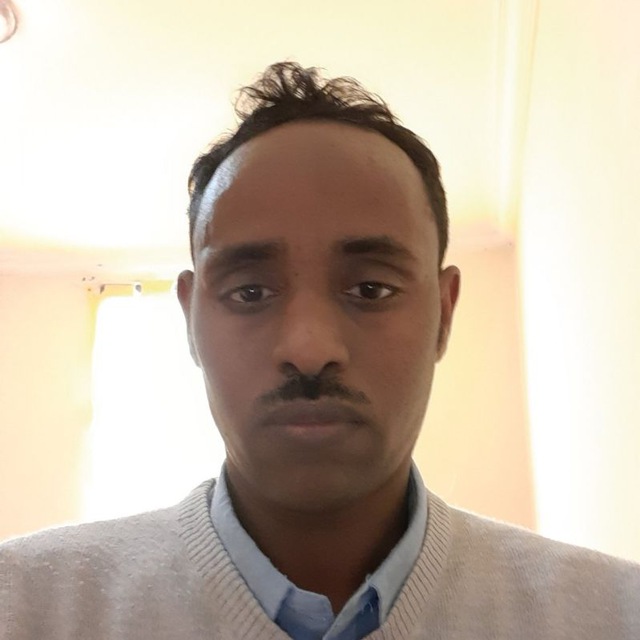
Semagn Abate
- Doctor of Philosophy (Health)
- semagn.abate@my.jcu.edu.au

Joseph Kamara
- Senior Lecturer Disaster Health and Humanitarian Assistance
- joseph.kamara@jcu.edu.au

Eric Kalo
- Lecturer Medical Education
- eric.kalo@jcu.edu.au
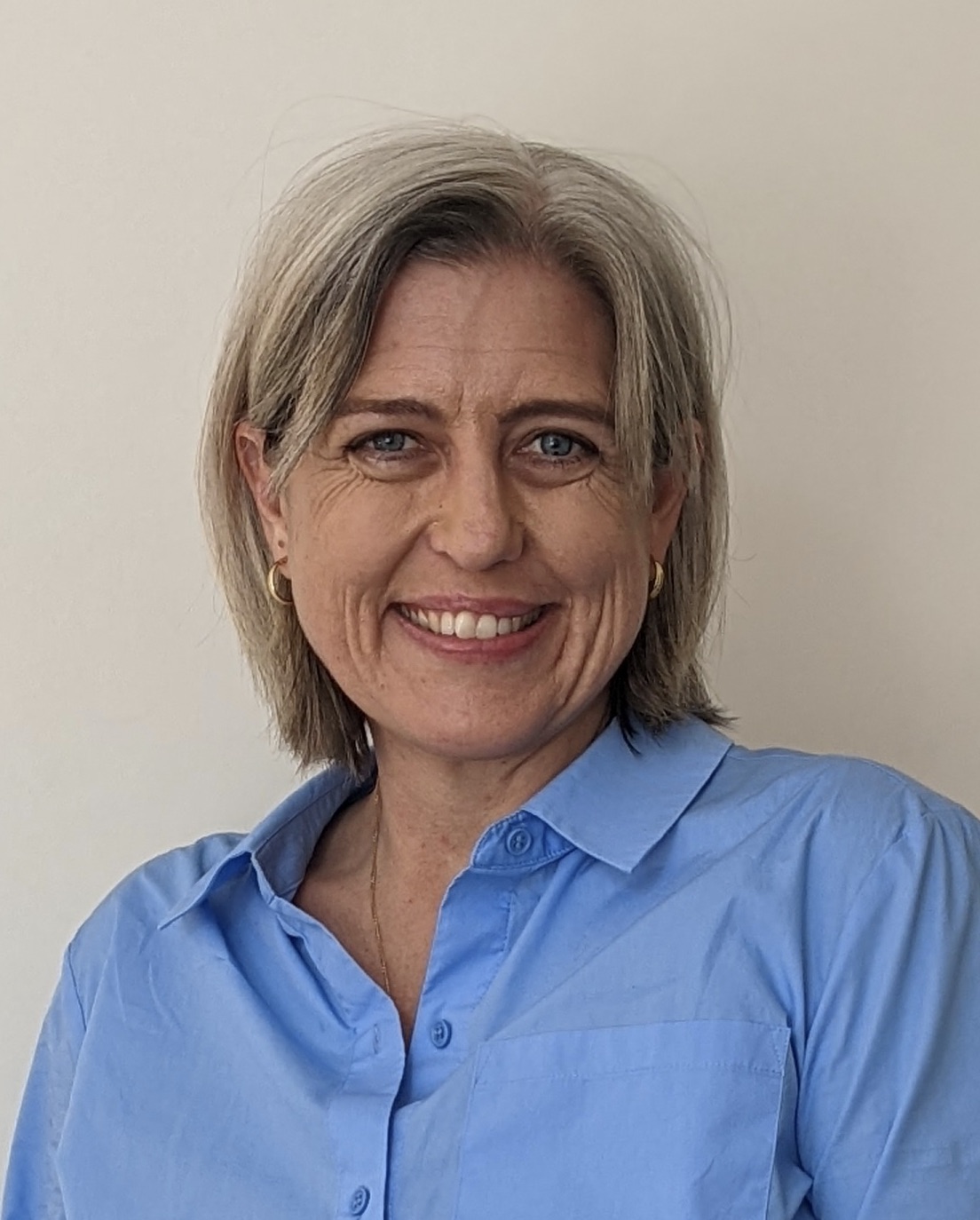
Erin Waters
- JCU Associate Professor
- erin.waters@jcu.edu.au

Kannan Maharajan
- Associate Professor, Pharmacy
- kannan.maharajan@jcu.edu.au

Fahmida Begum Mina
- Doctor of Philosophy (Medical, Molecular and Veterinary Sciences)
- fahmidabegum.mina@my.jcu.edu.au

Lynsey Brown
- Adjunct Senior Lecturer
- lynsey.brown@jcu.edu.au

Ali Isin
- Adjunct Senior Research Fellow
- ali.isin@jcu.edu.au

Muideen Olaiya
- Senior Research Fellow
- muideen.olaiya@jcu.edu.au

Mila Grinblat
- Postdoctoral Research Fellow
- mila.grinblat@jcu.edu.au
Professionally Psyched: A Podcast to Build Professional Identity
Jessica Muller
01 Jul 2024 - 31 Dec 2025
This project is funded by a Scholarship of Learning and Teaching grant and aims to build and strengthen student identification with psychology as a profession, increase retention and belongingness with JCU Psychology, and develop more confident graduates.
The Indigo Project
Jessica Muller
01 Jul 2022
Funded research project partnered with The Indigo Project, an online therapy practice for mental health.
Microscopy: revealing the hidden detail of our world
Amanda Meyer
01 Apr 2022 - 08 Aug 2022
Parasitic Disease Wastewater Surveillance to Inform Public Health Action in Remote Northern Queensland
Intestinal parasites are chronic, preventable infectious diseases of poverty that disproportionately affect Aboriginal and Torres Strait Islander communities in northern Australia. Public Health Surveillance for these diseases is time-consuming, costly, difficult and intrusive, requiring faecal and blood testing of community members. This project will validate and pilot the use of wastewater testing for the surveillance of important intestinal parasites, including strongyloidiasis, whipworm, giardiasis, and amoebic dysentery infecting people in north Queensland. The use of wastewater sampling will augment the capacity for public health surveillance by facilitating time and cost-efficient parasitic disease surveillance simultaneously in multiple communities.
A pilot trial of combined hyperbaric oxygen therapy (HBOT) and a Lifestyle Medicine (LM) program for multimorbid conditions
Sam Manger
05 May 2025 - 27 Jun 2025
Lifestyle Medicine is a rapidly emerging modality of treatment to optimise chronic disease management and prevention. Its application is underutilised in primary and tertiary healthcare with research showing low risk and great benefit with this non-conventional approach. Lifestyle medicine incorporates 6 pillars of health and wellbeing, including nutrition, physical activity, minimising stress, enhancing sleep, addressing addictive behaviours and maintaining community connectedness. Patients at the Department of Diving and Hyperbaric Medicine (DDHM) have treatment plans that are daily Hyperbaric Oxygen Therapy (HBOT) sessions undertaken in a compression chamber. The daily treatments can extended upwards of 4-8 weeks. The majority of patients have 2 or more chronic conditions (multimorbidity) and take 5 or more medications (polypharmacy). Multimorbidity and polypharmacy are known to increase non-adherence to medical advice, risk of side effects, cost to the patient and health system, and shorten quality and quantity of life. Lifestyle Medicine reduces severity of chronic disease and supports health and wellbeing, thereby reducing the overall burden of illness and its impact on the person and healthcare services. The DDHM provides the perfect opportunity for a patient-centred LM approach that can be attached to standard care with minimal interruption to services, staff, patients, or budget, with provision of a template that can be adapted to meet acceptability and feasibility feedback from participants and staff. The LM program supports the overaching goals of HBOT integration by supplementing a siloed approach to health provision with a LM group based program during standard patient care in the DDHM. This program will ideally enhance patient health, wellbeing and service satisfaction, plus support staff satisfaction through their involvement with provision of holistic health care.
A pilot trial of combined hyperbaric oxygen therapy (HBOT) and a Lifestyle Medicine (LM) program for multimorbid conditions
Sam Manger
05 May 2025 - 27 Jun 2025
Lifestyle Medicine is a rapidly emerging modality of treatment to optimise chronic disease management and prevention. Its application is underutilised in primary and tertiary healthcare with research showing low risk and great benefit with this non-conventional approach. Lifestyle medicine incorporates 6 pillars of health and wellbeing, including nutrition, physical activity, minimising stress, enhancing sleep, addressing addictive behaviours and maintaining community connectedness. Patients at the Department of Diving and Hyperbaric Medicine (DDHM) have treatment plans that are daily Hyperbaric Oxygen Therapy (HBOT) sessions undertaken in a compression chamber. The daily treatments can extended upwards of 4-8 weeks. The majority of patients have 2 or more chronic conditions (multimorbidity) and take 5 or more medications (polypharmacy). Multimorbidity and polypharmacy are known to increase non-adherence to medical advice, risk of side effects, cost to the patient and health system, and shorten quality and quantity of life. Lifestyle Medicine reduces severity of chronic disease and supports health and wellbeing, thereby reducing the overall burden of illness and its impact on the person and healthcare services. The DDHM provides the perfect opportunity for a patient-centred LM approach that can be attached to standard care with minimal interruption to services, staff, patients, or budget, with provision of a template that can be adapted to meet acceptability and feasibility feedback from participants and staff. The LM program supports the overaching goals of HBOT integration by supplementing a siloed approach to health provision with a LM group based program during standard patient care in the DDHM. This program will ideally enhance patient health, wellbeing and service satisfaction, plus support staff satisfaction through their involvement with provision of holistic health care.
Role of cbEGF domains in the intermolecular interactions of fibrillin-1 transglutaminase sites.
Sacha Jensen
11 Mar 2002 - 10 Jun 2004
grant
The architecture and assembly of fibrillin microfibrils, key components of elastic fibres.
Sacha Jensen
01 Jan 2009 - 31 Dec 2011
grant
Intermolecular interactions of fibrillin-1 microfibril assembly.
Sacha Jensen
01 Jan 2006 - 31 Dec 2008
grant
Molecular pathology of acromelic dysplasias associated with FBN1 mutations
Sacha Jensen
01 Jan 2012 - 31 Dec 2014
grant
Regenerating lizard tails: A new model for investigating lymphangiogenesis
- 2003
- Researchers:Suzy Munns
Association of osteoprotegerin with human abdominal aortic aneurysm progression
- 2005
- American Heart Association
- Researchers:Jonathan Golledge
A simple plan: cnidarians and the origins of developmental mechanisms
- 2004
- Nature Publishing
- Researchers:David Miller
Start Date:
01 Jan 2011
Start Date:
01 Jan 1986
End Date:
01 Jan 1990
Start Date:
01 Jan 1984
End Date:
01 Jan 1985