
College of Medicine & Dentistry
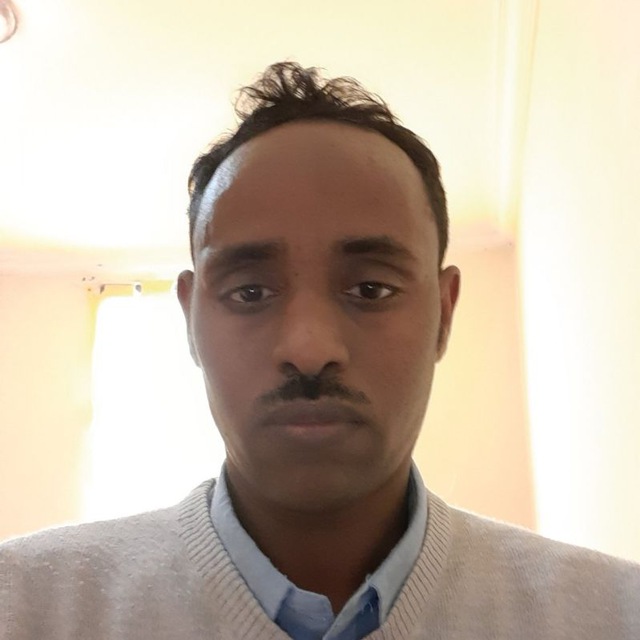
Semagn Abate
- Doctor of Philosophy (Health)
- semagn.abate@my.jcu.edu.au

Joseph Kamara
- Senior Lecturer Disaster Health and Humanitarian Assistance
- joseph.kamara@jcu.edu.au

Eric Kalo
- Lecturer Medical Education
- eric.kalo@jcu.edu.au
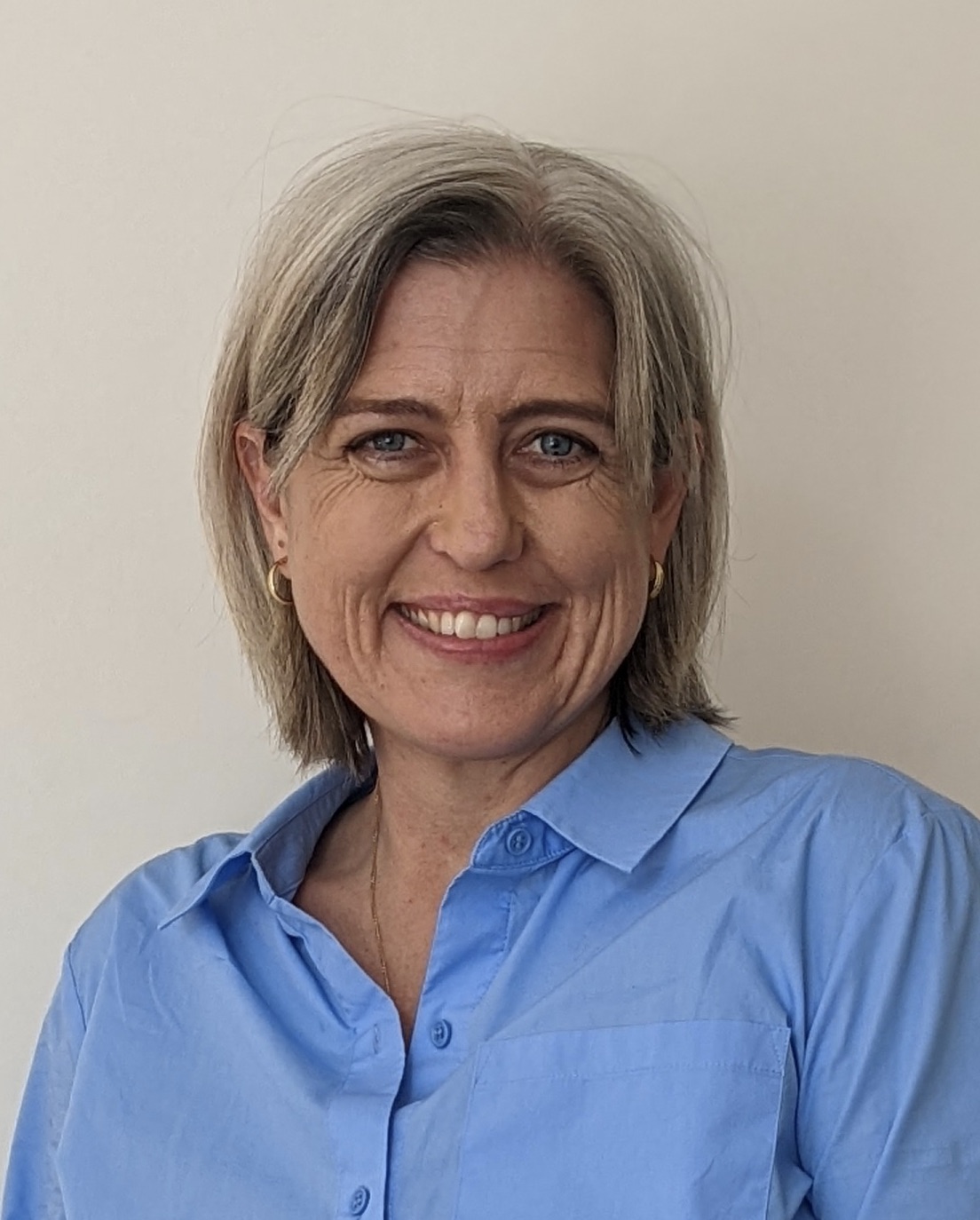
Erin Waters
- JCU Associate Professor
- erin.waters@jcu.edu.au

Kannan Maharajan
- Associate Professor, Pharmacy
- kannan.maharajan@jcu.edu.au

Fahmida Begum Mina
- Doctor of Philosophy (Medical, Molecular and Veterinary Sciences)
- fahmidabegum.mina@my.jcu.edu.au

Lynsey Brown
- Adjunct Senior Lecturer
- lynsey.brown@jcu.edu.au

Ali Isin
- Adjunct Senior Research Fellow
- ali.isin@jcu.edu.au

Muideen Olaiya
- Senior Research Fellow
- muideen.olaiya@jcu.edu.au

Mila Grinblat
- Postdoctoral Research Fellow
- mila.grinblat@jcu.edu.au
Mechanisms determining Marfan syndrome severity (Old ID 27110)
Marfan syndrome (MFS), caused by defects in the protein fibrillin-1, has a wide spectrum of severity with symptoms affecting the heart, bones and eyes. The cause of this variation in severity is unclear. Severe, neonatal MFS and Beal's syndrome result from mutations in corresponding parts of the proteins fibrilin-1 and fibrillin-2. Using clues from these diseases, this project will use new cell engineering techniques to determine why some fibrillin mutations are more severe than others. The results are relevant not only to understanding MFS, but also to understanding how the tissues in our bodies are developed and maintained.
Consumer and Community Research Partnerships: Enabling capacity and strength in rural, regional, and remote northern Queensland health and medical research
Consumer and community involvement in health and medical research can meaningfully improve research and associated health outcomes by incorporating lived experience into a research project. Anecdotally, there is limited consumer and community involvement occurring in investigator-led research within hospitals and health services in northern Queensland. This research will explore the unique capabilities, opportunities, and motivations for consumer and community involvement in research among three northern Queensland rural, regional, and remote hospital and health services. Strategies will be identified to enable consumer and community involvement in research within these health services, prioritised by consumers, community members and health researchers. It is anticipated that strategies and learnings from this project can be adapted more broadly to northern Australia, particularly other rural, regional, and remote contexts.
Aeromedical Retrieval of people with Acute Behavioural Disturbance in Queensland – ELEVATE Study (Phase 2)
PhD Candidate Dr Clinton Gibbs and Dr Kris McBain-Rigg will undertake interviews with staff of Aeromedical Retrieval Services throughout Queensland to explore their experiences of retrieval of patients diagnosed with Acute Behavioural Disturbances (ABD).
Aeromedical Retrieval of people with Acute Behavioural Disturbance in Queensland – ELEVATE Study
The aeromedical retrieval of people with Acute Behavioural Disturbance is a challenging process for a vulnerable group of patients. Due to the nature of the persons illness, the balance between providing timely access to care and risks during transfer is complex. This project aims to use a mixed methods approach to explore this patient group and the perceived challenges of their aeromedical retrieval, test current practice, identify areas for improvement and assess methods of optimising care provided before, during, and after transfer.
Validating a culturally safe model for general practice consultations with Aboriginal and Torres Strait Islander people, to assess the cultural safety of a general practitioner.
This project seeks to validating a culturally safe model for general practice consultations with Aboriginal and Torres Strait Islander people, in order to explore if the cultural safety of a general practitioner can be objectively assessed.
Community-Led Approaches to Teaching Australian South Sea Islander History
ARC Discovery Australian Aboriginal and Torres Strait Islander Award
This project argues that a new approach to teaching Australian South Sea Islander history in primary and
secondary school education is urgently needed to address conditions by which Australian South Sea Islander
students are made disadvantaged at school. Through a Tok Stori methodological approach that draws on
community knowledges, this project will develop new ways of teaching Australian South Sea Islander history. It
will work towards implementing the kind of meaningful progress that failed to follow the 1993 Recognition, build
transnational research links, and increase and strengthen the capacity of Australian South Sea Islander educators
and researchers.
Community-Led Approaches to Teaching Australian South Sea Islander History
ARC Discovery Australian Aboriginal and Torres Strait Islander Award
This project argues that a new approach to teaching Australian South Sea Islander history in primary and
secondary school education is urgently needed to address conditions by which Australian South Sea Islander
students are made disadvantaged at school. Through a Tok Stori methodological approach that draws on
community knowledges, this project will develop new ways of teaching Australian South Sea Islander history. It
will work towards implementing the kind of meaningful progress that failed to follow the 1993 Recognition, build
transnational research links, and increase and strengthen the capacity of Australian South Sea Islander educators
and researchers.
SARS_CoV2 Immune Landscape in the Tropics
COVID-19 continues to pose a significant health risk in tropical regions of Australia, where high-risk populations are often concentrated. This project aims to establish an immunology research group within James Cook University's College of Medicine and Dentistry to explore the T-cell immune responses to COVID-19 in these tropical populations. Leveraging a cost-effective, high-throughput RT-qPCR technique developed at JCU, we will assess and track the immunogenicity of SARS-CoV-2 peptide epitopes in donors over several months. The study will optimize this method for fresh blood samples, gather preliminary data on immune variability, and inform the design and budgeting of a larger-scale future investigation.
Is inositol a potential therapy for abdominal aortic aneurysm? (Old ID 22440)
AIMS: Preliminary data demonstrate that inositol consumption limits experimental AAA development. This project builds on initial findings using the following aims: assess the ability of inositol to limit AAA growth (Aim 1) and rupture (Aim 2) in mouse models. SIGNIFICANCE: Identifying a drug to slow AAA growth and limit rupture has potential to improve patient care and reduce in-hospital costs associated with AAA management. OUTCOMES: This study will underpin competitive funding applications to the NHMRC and/or NFHMRI to further assess inositol status in human AAA patients.
Human monocytotropic ehrlichiosis-A systematic review and analysis of the literature
- 2024
- Public Library of Science
- Researchers:Andreas Neumayr
Human granulocytotropic anaplasmosis-A systematic review and analysis of the literature
- 2024
- Public Library of Science
- Researchers:Andreas Neumayr
Detection of a parvovirus and a beak and feather disease virus genome sequence from rose-ringed parakeet (Psittacula krameri)
- 2024
- American Society for Microbiology
- Researchers:Subir SarkerSaranika Talukder
Title:
What actually happens to my skin when I have a really, really hot shower or bath?, The Conversation
Start Date:
16 Jun 2025
Start Date:
01 Jan 2022
End Date:
01 Jan 2027
Start Date:
01 Jan 2020
End Date:
01 Jan 2022
Start Date:
01 Jan 2019
End Date:
01 Jan 2021
Start Date:
01 Jan 2012
Start Date:
01 Jan 2009
Start Date:
01 Jan 2009
Start Date:
01 Jan 2007
Start Date:
01 Jan 2002
Title:
PhD, University of Waikato
Start Date:
01 Jan 2003
End Date:
01 Jan 2007