
College of Medicine & Dentistry
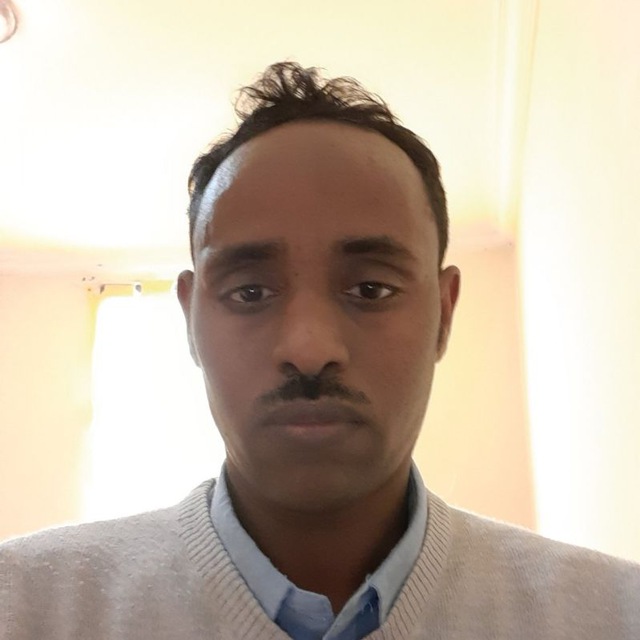
Semagn Abate
- Doctor of Philosophy (Health)
- semagn.abate@my.jcu.edu.au

Joseph Kamara
- Senior Lecturer Disaster Health and Humanitarian Assistance
- joseph.kamara@jcu.edu.au

Eric Kalo
- Lecturer Medical Education
- eric.kalo@jcu.edu.au
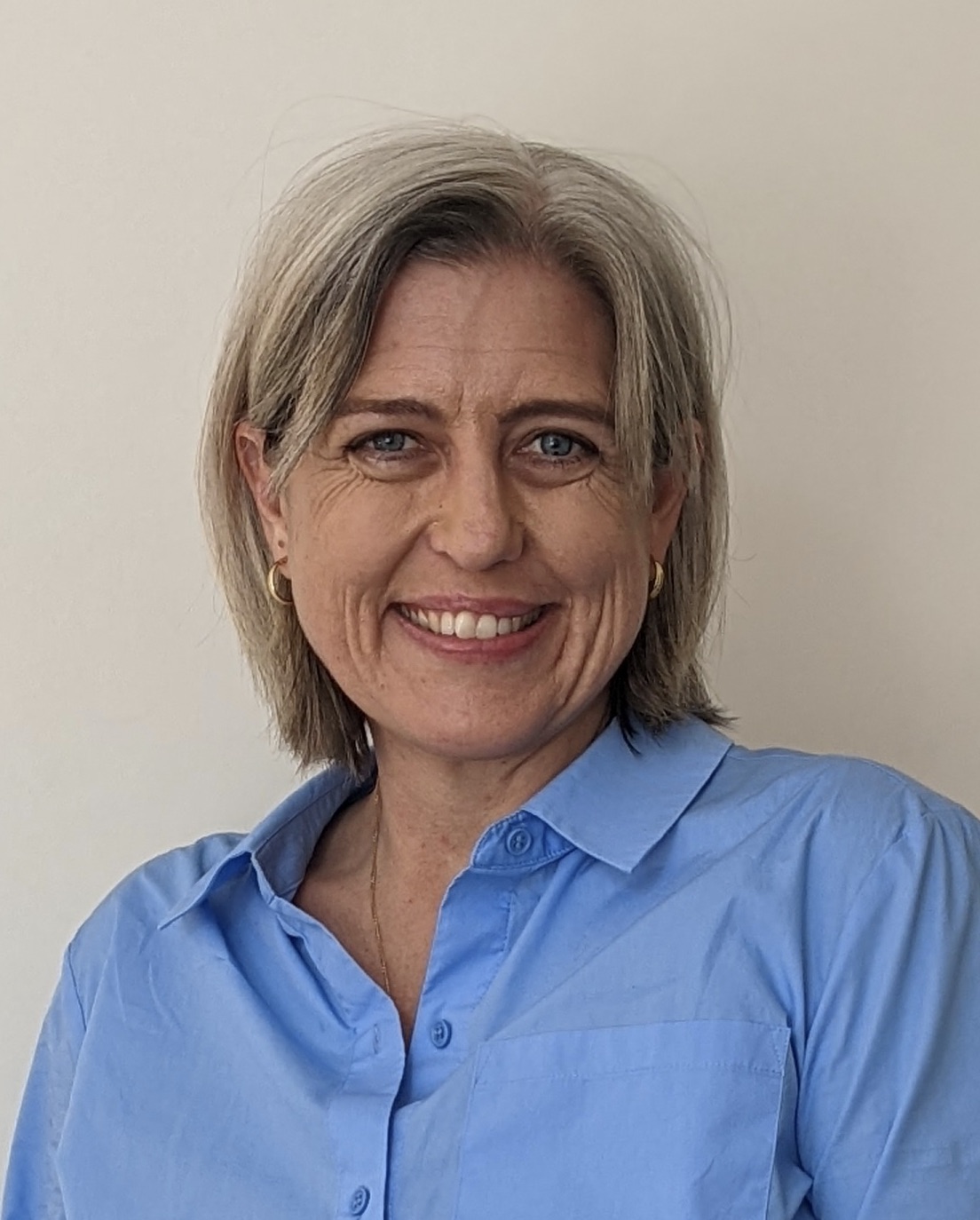
Erin Waters
- JCU Associate Professor
- erin.waters@jcu.edu.au

Kannan Maharajan
- Associate Professor, Pharmacy
- kannan.maharajan@jcu.edu.au

Fahmida Begum Mina
- Doctor of Philosophy (Medical, Molecular and Veterinary Sciences)
- fahmidabegum.mina@my.jcu.edu.au

Lynsey Brown
- Adjunct Senior Lecturer
- lynsey.brown@jcu.edu.au

Ali Isin
- Adjunct Senior Research Fellow
- ali.isin@jcu.edu.au

Muideen Olaiya
- Senior Research Fellow
- muideen.olaiya@jcu.edu.au

Mila Grinblat
- Postdoctoral Research Fellow
- mila.grinblat@jcu.edu.au
Epigenetic mechanisms in cognitive deficit after ischemic stroke
Determining the molecular mechanisms and pathways behind pathology is essential in the understanding and treatment of disease. The deterioration in cognition after ischemic stroke has been linked to epigenetic modifications. The Bioruptor is a sonicator that allows gentle, reproducible shearing of chromatin, DNA, RNA and cell/tissue disruption, which can be used for many downstream applications.
Exploring the sexual dimorphism of ischemic stroke outcome by analysing the role of epigenetics in the regulation of angiopoietin1. (Rising Star - personal award)
Stroke is the second biggest cause of mortality in Australia and has a huge socio-economic burden to the health care system and affects more women than men according to the National Stroke Association.
This project aims to elucidate whether the differences in male and female stroke outcome is associated with differences in the expression of a key protein. The epigenetic mechanism by which this protein is regulated will also be explored and could provide novel targets for intervention. This project will allow me to establish an epigenetic research lab with high throughput sequencing at JCU.
HART-BEAT: Diabetes Research from the Bench to Real World Practice
The HART-BEAT (Health practitioners And Researchers Together-Blood, Endothelium And Tissue) research group forms an alliance between laboratory based researchers, health practitioners and their patients within one research group to tackle the issues of diabetes and it’s associated complications. Individuals with diabetes have a higher risk of developing cardiovascular disease, impaired wound healing, mental health issues or catching a secondary pathogenic infection with the risk even higher for the Indigenous community. The expected outcome from the HART-BEAT studies is a better understanding of the underlying disease mechanism of diabetes and it’s complications and development of more targeted therapies.
Establishing a rodent model for stroke
Advance Queensland Women's Academic Fund Application
Stroke is the second biggest cause of mortality in Australia and has a huge socio-economic burden to the health care system. Our research aims to look at how cerebral ischemic stroke outcome can be improved.
I aim to establish an animal model for cerebral ischemic stroke, explore the mechanism behind the reduction of a key protein after stroke and assess the effect this protein has on improving patient outcome. This research will provide a reproducible stoke model, establish whether our protein of interest can improve stroke outcome and help explain the mechanism behind the regulation of this protein.
Dissecting cadavers at the molecular level
The aims of the project are 1) to assess whether DNA can be extracted from cadaveric tissues after they have been embalmed. 2) Determine which of 2 recommend methods are more effective at extraction DNA. 3) Test a number of different tissues in the cadavers to determine which tissues can be utilised in the future.
Building capacity for periodontal disease management in the Kingdom of Tonga
This is Shorab Mohammed' PhD project. It started in April 2018. We got previously funding from the same donor. Shorab sits in PTHM and not in dentistry. PHTM is proposed to move to CMD under the current change proposal. At the moment, the PI is a PHTM PhD student. Shorab logged as JCU staff.
PRIDE: Promoting queer-inclusive professional identities for diversity in primary healthcare
[MRFF/2023 Models of Care for Sexuality & Gender Diverse People & People with Innate Variations of Sex Characteristics]
The PRIDE co-design project aims to transform primary healthcare for LGBTQIA+ individuals by co-designing and implementing an affirming model of care. This model can be scaled up across services to reduce the geographical inequities contributing to intersectional disadvantage. The goal is to improve the consistency and quality of primary care for LGBTQIA+ individuals. We will: 1. Examine affirming care environments and workforce norms via social identity theory to identify change factors to promote secure, inclusive workplaces and affirming care settings. 2. Collaboratively develop, implement, and evaluate a thorough model for LGBTQIA+ inclusive primary healthcare. This model will be designed considering intersecting identities and lived experiences, using an established consumer co-designed LGBTQIA+ affirming care upskilling package. 3. Establish a reliable and interconnected network of primary care providers across various professions, ensuring access to consistent, trustworthy, safe and affirming healthcare for LGBTQIA+ individuals throughout the primary care landscape. To accomplish this goal, we will form purposeful partnerships with LGBTQIA+ individuals, healthcare experts, professional associations, and two prominent primary care institutions. The project offers significant enhancements in the health and overall wellness of LGBTQIA+ individuals, including those within the workforce. By specifically addressing the needs of the community, the project builds capacity of the mainstream primary care sector to provide safe and inclusive health services. The outcomes of this research will significantly advance knowledge on key barriers and facilitators of affirming primary care for members of LGBTQIA+ communities and improve access to safe and affirming primary health services for LGBTQIA+ individuals who are currently underserved, including those experiencing intersectional disadvantage.
Parasitic Disease Wastewater Surveillance to Inform Public Health Action in Remote Northern Queensland
Intestinal parasites are chronic preventable infectious disease of poverty which disproportionately affects Aboriginal and Torres Strait Islander communities in northern Australia. Public Health Surveillance for these diseases is time consuming costly, difficult and intrusive, requiring faecal and blood testing of community members. This project will validate and pilot the use of wastewater testing for the surveillance of important intestinal parasites, including strongyloidiasis, whipworm, giardiasis, and amoebic dysentery infecting people in north Queensland. The use of wastewater sampling will augment the capacity for public health surveillance by facilitating time and cost-efficient parasitic disease surveillance simultaneously in multiple communities.
Investigating a potential viral aetiology for the development of multi-focal chondro-osseous proliferations in lovebirds
From the year June 2017 – 2024, 25 lovebirds (Agapornis roseicolli) presented for multi-focal, proliferative bony masses across two veterinary clinics in Australia and Europe (Melbourne Bird Veterinary Clinic, Victoria, Australia; and Ecole Nationale Vétérinaire d’Alfort, Maisons-Alfort, France, respectively).
Virome analysis to understand and manage emerging viral disease risks in sea turtles
Sea turtles are currently listed as vulnerable, endangered, critically endangered or data deficient depending on species. The threats are varied, but to a large degree due to anthropogenic impacts such as climate change, habitat loss, pollution, by catch in fishing trawls, disturbances by humans, dogs and introduced predators on nesting beaches. Apart from the direct impact of such factors, the stress likely also makes these species more susceptible to infectious agents, notably viral infections. Our knowledge of the virome of sea turtles is currently virtually non-existing. Hence, if we are to better manage the conservation of these iconic species, more knowledge about potential pathogenic viruses infecting sea turtles is critical.
Regenerating lizard tails: A new model for investigating lymphangiogenesis
- 2003
- Researchers:Suzy Munns
Association of osteoprotegerin with human abdominal aortic aneurysm progression
- 2005
- American Heart Association
- Researchers:Jonathan Golledge
A simple plan: cnidarians and the origins of developmental mechanisms
- 2004
- Nature Publishing
- Researchers:David Miller
Start Date:
01 Jan 1994
End Date:
01 Jan 1998
Start Date:
01 Jan 1997
End Date:
01 Jan 2019
Start Date:
01 Jan 2019
Start Date:
01 Jan 2018
End Date:
01 Jan 2020
Start Date:
01 Jan 2011
End Date:
01 Jan 2018
Start Date:
01 Jan 1998
End Date:
01 Jan 2019
Start Date:
01 Jan 2003
End Date:
01 Jan 2003
Start Date:
01 Jan 2012
End Date:
01 Jan 2015
Start Date:
01 Jan 1999
End Date:
01 Jan 1999
Start Date:
01 Jan 2018