
College of Medicine & Dentistry
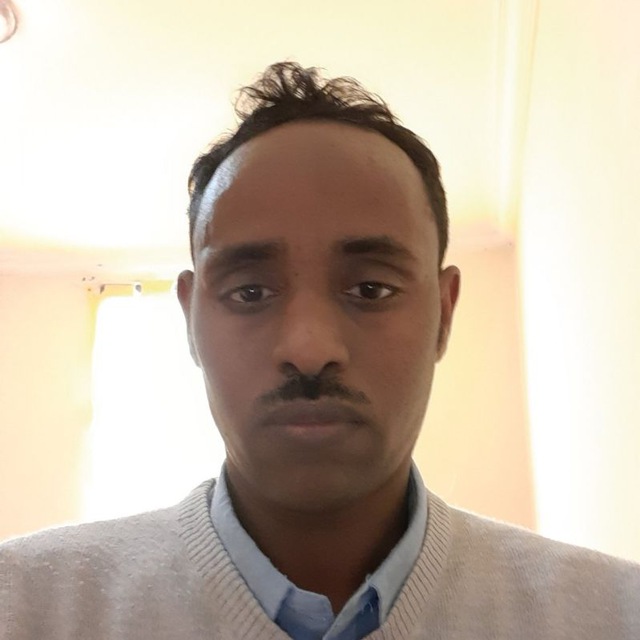
Semagn Abate
- Doctor of Philosophy (Health)
- semagn.abate@my.jcu.edu.au

Joseph Kamara
- Senior Lecturer Disaster Health and Humanitarian Assistance
- joseph.kamara@jcu.edu.au

Eric Kalo
- Lecturer Medical Education
- eric.kalo@jcu.edu.au
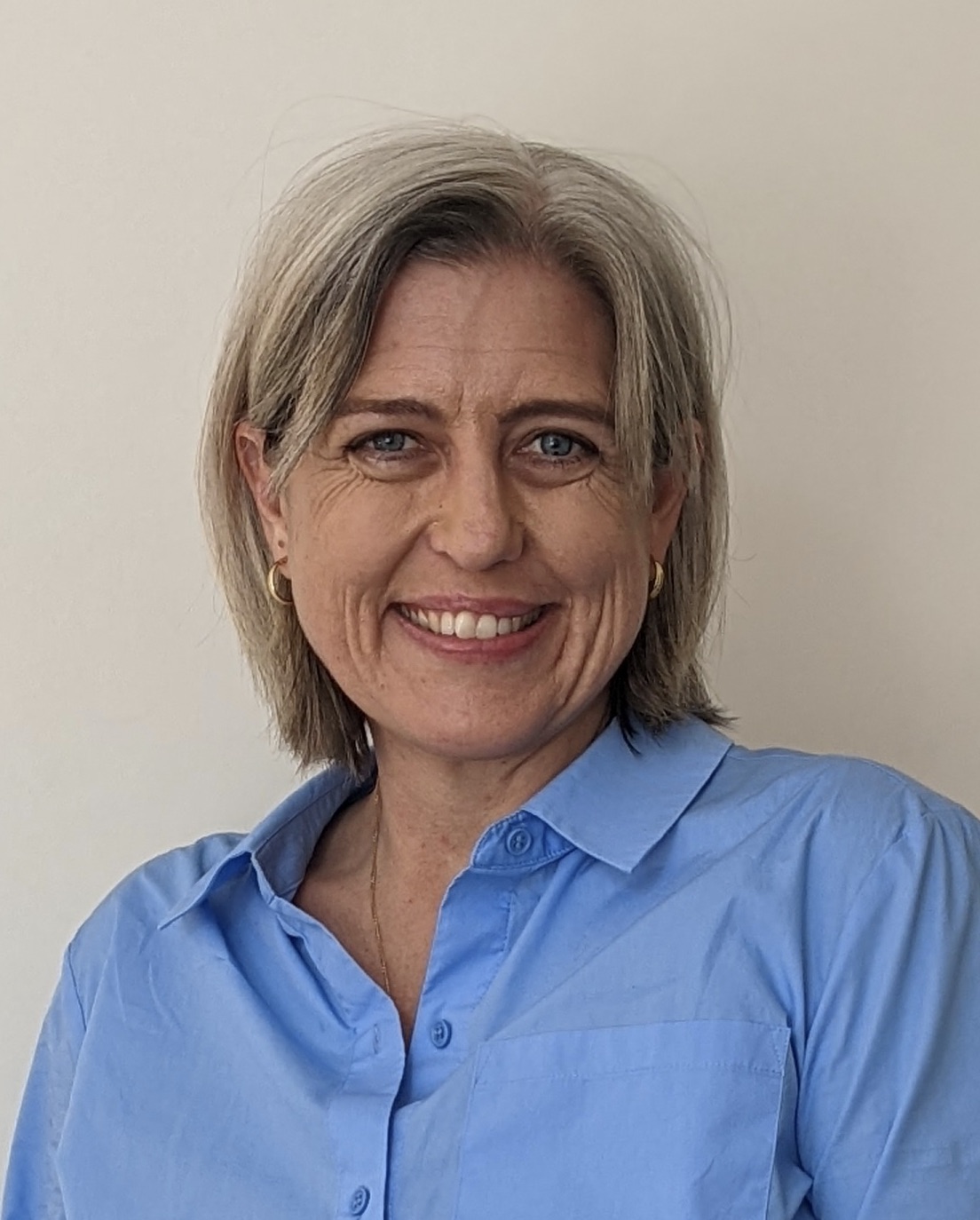
Erin Waters
- JCU Associate Professor
- erin.waters@jcu.edu.au
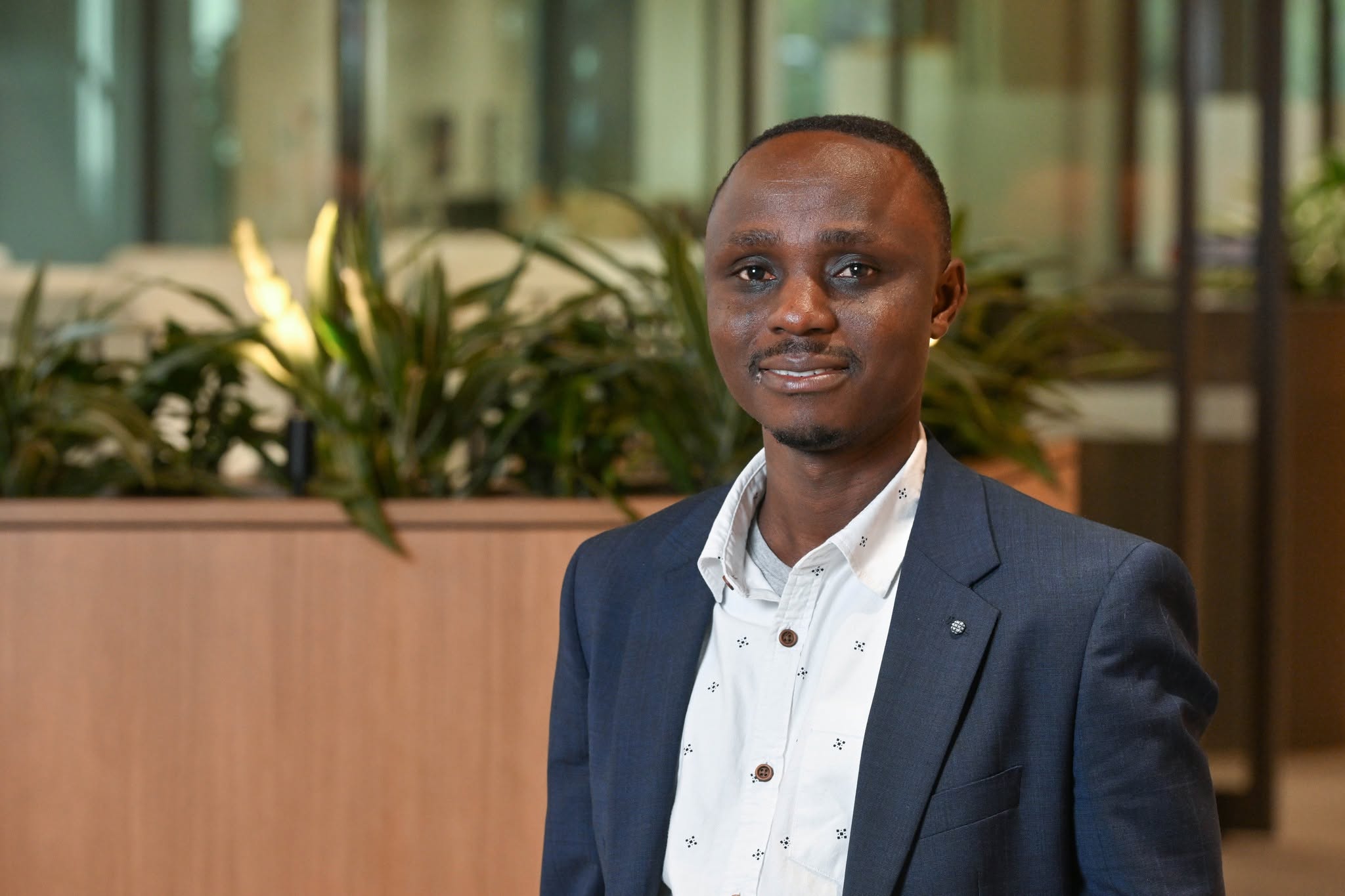
Dennis Asante
- Research Fellow
- dennis.asante@jcu.edu.au

Kannan Maharajan
- Associate Professor, Pharmacy
- kannan.maharajan@jcu.edu.au

Fahmida Begum Mina
- Doctor of Philosophy (Medical, Molecular and Veterinary Sciences)
- fahmidabegum.mina@my.jcu.edu.au
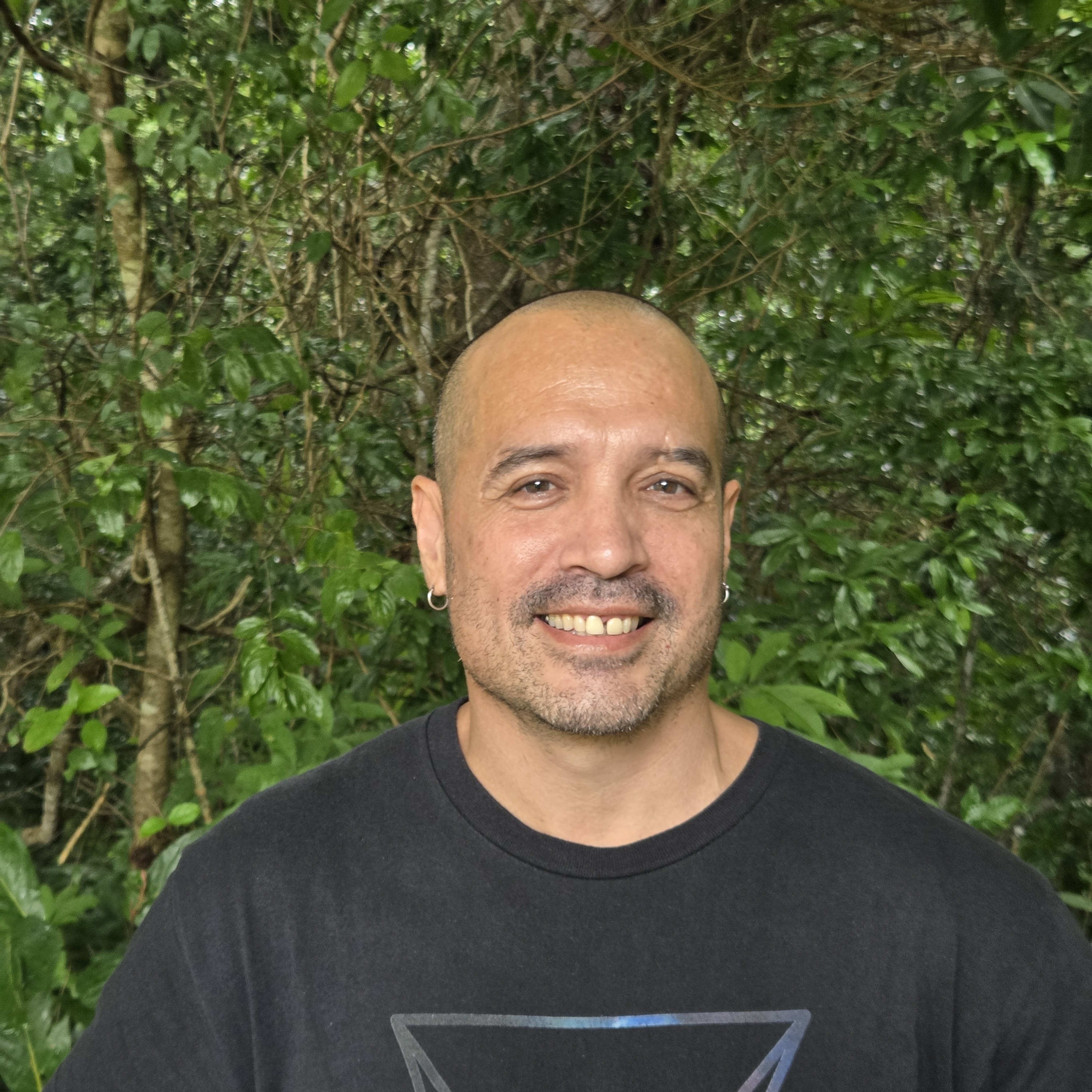
Kootsy Canuto
- Principal Research Fellow, Indigenous Men's Health Promotion
- kootsy.canuto@jcu.edu.au

Lynsey Brown
- Adjunct Senior Lecturer
- lynsey.brown@jcu.edu.au

Ali Isin
- Adjunct Senior Research Fellow
- ali.isin@jcu.edu.au
Implementation and evaluation of a student-led rehabilitation and lifestyle service for people with chronic and disabling conditions in Cape York (Old ID 26301)
This project will evaluate the implementation of a student-led rehabilitation and lifestyle service for Aboriginal and Torres Strait Islander people living in Napranum and Weipa in partnership with Torres and Cape Hospital and Health Service (TCHHS) and Apunipima Cape York Health Council (ACYC). This research is expected develop a sustainable service model that is valued by people experiencing chronic and disabling conditions and their families living in Napranum and Weipa communities.
Governance and accountability: the experience of Aboriginal Health Workers (Old ID 25066)
This program will form a foundational component of Dr. Topp’s long term vision to develop a JCU-based health systems governance research program focussing on Australia’s remote and rural health workforce. The proposed project encompasses the first empirical study on AHW governance in Australia, leveraging collaborations with key industry stakeholders in the tropical north. Outcomes, both publications and established industry relationships, will form the basis for future competitive grant applications that extend Dr. Topp’s research expertise and presence, including by opening up new opportunities for collaborations with international colleagues working in the health system governance and accountability domain.
Classifying the Type and Severtiy of Traumatic Injury in North Queensland: A Multicentre Retrospective Study (Old ID 26830)
Queenslanders living in regional, rural and remote areas having a higher incidence of traumatic injury and are disadvantaged by prolonged prehospital times. The aim of this project is to define and describe trauma patients transported by aeromedical emergency services to and between Townsville, Cairns, Mt Isa and Mackay hospitals over a 3 - year period (2016-2018). A key objective is to conduct a comprehensive analysis of clinical interventions and therapies from point-of-injury to hospital admission, and patient outcomes to hospital discharge. This data will help inform all stakeholders on the current state of emergency trauma care in the tropics.
Clinical and economic evaluation of novel blood tests for stroke (Old ID 23159)
This clinical study aims to test the ability for 2 novel blood borne markers to 1) diagnose stroke and 2) predict patient outcomes 90 days after stroke onset. In partnership with the Townsville Hospital, I will recruit presenting patients suffering suspected stroke and collect blood samples at presentation and after 24 hours as part of their usual care. Blood will be analysed for circulating concentrations of the novel markers which will be statistically compared to current gold standards in stroke assessment. Patients will be followed up at 3 months to assess disability, and perform economic analyses to quantify healthcare costs.
Evaluation framework for community rehabilitation services in remote northern Australia (Old ID 26713)
An evauluation framework for community rehabilitation services in northern Australian will be developed. In Stage 1, a guiding framework will be revised following a systematic literature review. In Stage 2, routinely collected data relevant to the framework will be identified through data scoping. In Stage 3 the framework will be refined using a modified Delphi consensus approach and in Stage 4, tested for data accuracy and to determine rules for application. Processes and outcomes responsive to Aboriginal and Torres Strait Islander communities will be prioritied. This evaluation framework will enable continuous quality improvement, benchmarking against national standards and evidence-informed investment.
Tilapia Biocontrol Project. (Old ID 27044)
Determine the susceptibility of two tilapia species present in Australian waterways (O. mossambicus and T. mariae ) to TiLV and demonstrate the efficacy of TiLV as a potential biocontrol agent for tilapia in Australia.
Working it Out Together! Aboriginal and Torres Strait Islander led co-design for a strong and deadly health workforce (Old ID 27074)
Building a stable, well-trained and culturally safe health workforce is a crucial part of delivering high quality primary health care (PHC) services. Previous attempts to strengthen rural/remote health workforce have failed, partly because they have not integrated Aboriginal and Torres Strait Islander knowledge and lived experience with necessary policy and systems support. There has been little research into culturally safe strategies to improve workforce stability in complex PHC context. This project will bridge these gaps through a community-led, place-based planning approach, engaging service providers, policy-makers and funders to co-design workforce strategies and models of care that are locally relevant, successful and sustainable. This community-based participatory project uses a mixed methods quasi-experimental pre-post design to implement co-designed actions to explore: How do we systematically embed Aboriginal and Torres Strait Islander perspectives into place-based planning and action for a stable and effective workforce that engenders community trust in local PHC delivery? Working with key sector partners in four service-based rural/remote clusters across Qld, NT and NSW, we will co-design and trial strategies to strengthen workforce competency and stability (by strengthening local career pathways for Indigenous people and strengthening cultural competency of non-Indigenous staff), and use community-centred impact and economic evaluation. Our team is majority Aboriginal and Torres Strait Islander and builds on relationships and learnings developed through our ongoing PHC system improvement work. Each jurisdictional team comprises a local Indigenous PHC service, community-controlled peak body, primary health network, government health department and university partner. This optimal mix will ensure successful implementation of sustainable strategies and translation into policy and practice for improved community access to quality PHC and health outcomes.
Resistance to inundation in green turtle eggs (Old ID 21938)
The experiments will compare the susceptibility of green turtle eggs to inundation during different stages of their development.
Preventing reperfusion injury in stroke with an acutely dosed NK1R antagonist prodrug (Old ID 27621)
Stroke represents a major clinical and societal burden, being a leading cause of adult disability, dementia, and death. The aim is to develop a novel therapeutic approach to significantly improve patient outcomes following an ischaemic stroke through the development of a novel therapeutic agent that can be delivered in conjunction with current approved reperfusion therapy. The plan involves critical de-risking efforts to deliver a low-risk strategy for progression to clinical trial. The plan focuses on the development of prodrugs of the NK1R antagonist, befetupitant, appropriately soluble for i.v. dosing, and accompanied by preclinical PK-PD data for formal, rapid preclinical development.
The impact of emergency care workforce policy on health equity: a comparative analysis (Old ID 27833)
The purpose of this proposal is to develop a cross-country comparative research study on the linkages between emergency care workforce policy and health equity. The activities sponsored by this grant will facilitate the development of a comparative study to be submitted to the Canadian Institutes of Health Research on multi-stakeholder perspectives on the impact of emergency care workforce policy on health equity in Canada, Australia, Rwanda, and South Africa. This proposal uniquely brings together a team with complimentary skills in health policy and systems research, emergency medicine and epidemiology, perspectives that are each essential to unpacking emergency care workforce policy.
The whole-genome sequence of the coral Acropora millepora
- 2019
- Oxford University Press
- Researchers:Ira CookeDavid Miller
Agriculture and resilience in Australia’s North: a lived experience
- 2019
- Springer Nature
- Researchers:Sarah Larkins
Antimicrobial stewardship in diabetic ketoacidosis: a single centre experience
- 2020
- Wiley-Blackwell
- Researchers:Iyke Emeto
Start Date:
01 Jan 2017
End Date:
01 Jan 2017
Title:
English
Title:
Qualification as a specialist in Family Practice / Family Medicine (Specialist i Allmänmedicin) 1991
Start Date:
01 Jan 1984
Start Date:
01 Jan 1980
Start Date:
01 Jan 2020
End Date:
01 Jan 2020
Start Date:
01 Jan 1975
Start Date:
01 Jan 1973
Start Date:
01 Jan 2010
End Date:
01 Jan 2021
Start Date:
01 Jan 2013
End Date:
01 Jan 2015
Start Date:
01 Jan 1997