
College of Medicine & Dentistry
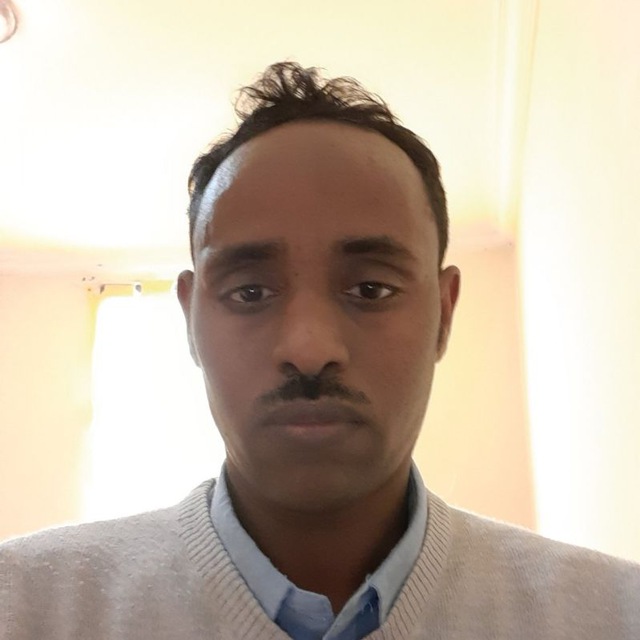
Semagn Abate
- Doctor of Philosophy (Health)
- semagn.abate@my.jcu.edu.au

Joseph Kamara
- Senior Lecturer Disaster Health and Humanitarian Assistance
- joseph.kamara@jcu.edu.au

Eric Kalo
- Lecturer Medical Education
- eric.kalo@jcu.edu.au

Erin Waters
- JCU Associate Professor
- erin.waters@jcu.edu.au

Kannan Maharajan
- Associate Professor, Pharmacy
- kannan.maharajan@jcu.edu.au

Fahmida Begum Mina
- Doctor of Philosophy (Medical, Molecular and Veterinary Sciences)
- fahmidabegum.mina@my.jcu.edu.au

Lynsey Brown
- Adjunct Senior Lecturer
- lynsey.brown@jcu.edu.au

Ali Isin
- Adjunct Senior Research Fellow
- ali.isin@jcu.edu.au

Muideen Olaiya
- Senior Research Fellow
- muideen.olaiya@jcu.edu.au

Mila Grinblat
- Postdoctoral Research Fellow
- mila.grinblat@jcu.edu.au
Understanding First Peoples Lived Experience of Pharmaceutical Care when Transitioning between Hospital and Home
Far North Queensland Hospital Foundation Grant, PhD Candidate
Strong community, strong health: Exploring opportunities for chronic disease prevention in the Torres Strait (Old ID 27539)
Despite a decrease in mortality rates from chronic diseases such as cardiovascular disease, diabetes, and chronic kidney disease since 2006, they still represent significant risk to the health and wellbeing of Australia’s First Nations peoples. This project will partner with First Nations people living in the Torres Strait to support their chronic disease outcomes by: 1) co-developing diet and physical activity (PA) tools; and 2) mapping social and environmental impacts on health in each partner community. This project will provide essential information about dietary and PA practices of people living in the Torres Strait.
Extracorporeal Shockwave Therapy for Prevention of Diabetic Foot Ulcer Recurrence: A Pilot Study. (Old ID 27555)
Diabetic foot ulcer (DFU) is a common complication of diabetes with a recurrence of up to 40% within one year after initial healing. The common cause for recurrence of DFUs is impaired perfusion of lower extremities due to diabetes. This study aims to determine whether extracorporeal shockwave therapy (ESWT) can prevent the recurrence of previously healed DFUs since it has been shown that low-energy ESWT can improve microcirculation blood flow of ischemic limbs.
Extracorporeal Shockwave Therapy for Prevention of Diabetic Foot Ulcer Recurrence: A Pilot Study. (Old ID 27555)
Diabetic foot ulcer (DFU) is a common complication of diabetes with a recurrence of up to 40% within one year after initial healing. The common cause for recurrence of DFUs is impaired perfusion of lower extremities due to diabetes. This study aims to determine whether extracorporeal shockwave therapy (ESWT) can prevent the recurrence of previously healed DFUs since it has been shown that low-energy ESWT can improve microcirculation blood flow of ischemic limbs.
The prevalence of urinary tract infection, non-specific symptoms and antibiotic treatment in nursing home residents in an Australian tropical setting. (Old ID 22337)
Despite numerous causes, a change in mental state of a nursing home resident is often attributed a urinary tract infection (UTI). This project aims to quantify the prevalence of treated UTI, its non-specific symptoms and factors leading to treatment, in nursing home residents in tropical Australia. There is a possibility that antibiotics are used far more often in the tropics compared to more temperate climates. This finding would emphasise the problem of antibiotic resistance in nursing homes in the tropics compared to other regions, which has the potential to stress the importance that these issues be addressed.
Piloting a continuous quality improvement framework to strengthen quality of care in Aboriginal residential aged care (Old ID 27413)
This study responds to concerns raised in The Royal Commission report, 2021 that the Australian aged care system struggles to effectively manage people with complex care needs. Continuous Quality Improvement (CQI) is a method designed to improve the capacity and readiness of health services/staff to meet pre-determined goals/standards, and the quality of treatment and care, and implement health interventions. This project aims to assess the suitability of the CQI model for improving the quality of care in Aboriginal and Torres Strait Islander Residential Aged Care Facilities (RACF) by developing and implementing a CQI framework for Aboriginal and Torres Strait Islander RACF.
Increased awareness of and access to diabetes and tuberculosis care in New Ireland Province of Papua New Guinea (Old ID 22317)
The 3-year project is intended to (1) raise awareness of Diabetes and TB among the general populationin New Ireland Province (2) Train doctors, nurses, pharmacists and community health workers to effectively treat Diabetes and TB (3) Establish better monitoring of Diabetes and TB in remote areas with the help of electronic registry and mobile phone technology (4) conduct public health campaigns by the local health professionals and to screen and monitor the diseases with the help of mobile phone technology.
Antimicrobial peptide expression and metagenomic profiles of corals: a model for host microbiome interactions and a source of novel antibacterial medicines (Old ID 22908)
Antimicrobial peptide expression and metagenomic profiles of corals: a model for host microbiome interactions and a source of novel antibacterial medicines. The results from this grant also provide avenues to pursue further collaboration and grant funding in thearea of human health. This includes the results of aim 2 which has the potential to reveal targets forfurther development as antibacterial treatments. In addition, the techniques developed as part of aim 1could be effectively applied to explore the role of antimicrobial peptides in human gut microbiomedevelopment.This grant will add to a growing strength in proteomics and peptide characterisation research at JCU and will contribute to the collective track record required for collaborative funding bids such as LIEF funding for new mass spectrometry equipment.
Diabetes Collaborative Evaluation Project (Old ID 23599)
The diabetes collaborative is a Continuous quality Improvement (CQI) approach to change that aims to improve health outcomes for patients diagnosed with Diabetes. It involves the introduction of a team-based, sustainable approach to learning whilst providing a sound understanding and application of quality improvement methodology and skills. This project aims to evaluate the implementation and outcomes of the WQPHN diabetes collaborative. Expected outcomes of the equation will be a greater understanding of the process of implementation and any changes within participant health services as a result of the collaborative. Evaluation of the program in the rural and remote context of WQPHN will inform on feasibility and effectiveness of this approach.
Diabetes Collaborative Evaluation Project (Old ID 23599)
The diabetes collaborative is a Continuous quality Improvement (CQI) approach to change that aims to improve health outcomes for patients diagnosed with Diabetes. It involves the introduction of a team-based, sustainable approach to learning whilst providing a sound understanding and application of quality improvement methodology and skills. This project aims to evaluate the implementation and outcomes of the WQPHN diabetes collaborative. Expected outcomes of the equation will be a greater understanding of the process of implementation and any changes within participant health services as a result of the collaborative. Evaluation of the program in the rural and remote context of WQPHN will inform on feasibility and effectiveness of this approach.
The legacy of ZikaPLAN: a transnational research consortium addressing Zika
- 2021
- Taylor & Francis
- Researchers:Andreas Neumayr
Urogenital Schistosomiasis in a Fisherman from Nepal, 2019
- 2020
- US Department of Health and Human Services
- Researchers:Andreas Neumayr
Case Report: Human Subcutaneous Sparganosis in a Thai Migrant
- 2019
- American Society of Tropical Medicine and Hygiene
- Researchers:Andreas Neumayr
Title:
What actually happens to my skin when I have a really, really hot shower or bath?, The Conversation
Start Date:
16 Jun 2025
Start Date:
01 Jan 2022
End Date:
01 Jan 2027
Start Date:
01 Jan 2020
End Date:
01 Jan 2022
Start Date:
01 Jan 2019
End Date:
01 Jan 2021
Start Date:
01 Jan 2012
Start Date:
01 Jan 2009
Start Date:
01 Jan 2009
Start Date:
01 Jan 2007
Start Date:
01 Jan 2002
Title:
PhD, University of Waikato
Start Date:
01 Jan 2003
End Date:
01 Jan 2007