
Engineering
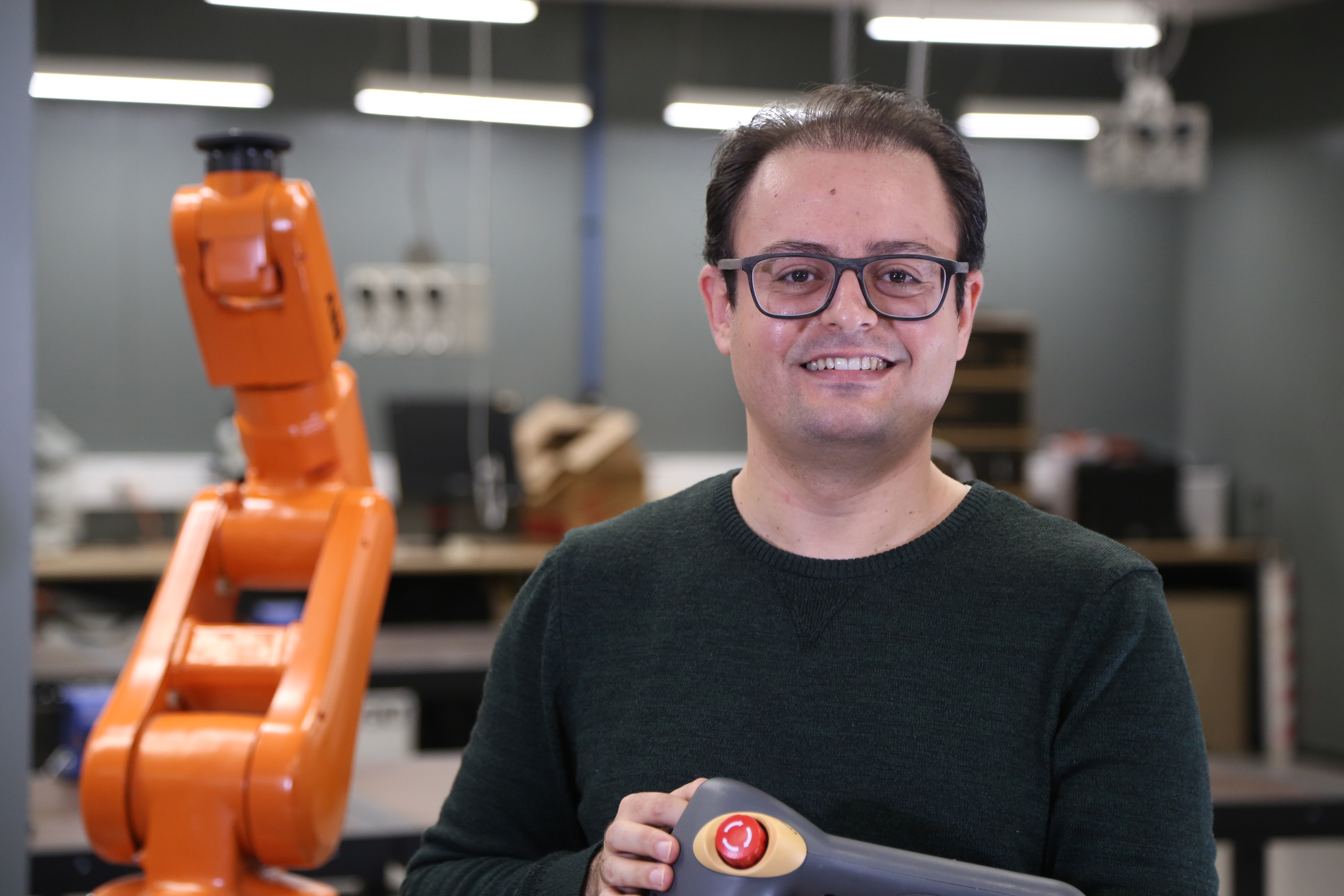
Mohamadreza Chalak Qazani
- Lecturer, Mechanical Engineering
- mohamadreza.chalakqazani@jcu.edu.au
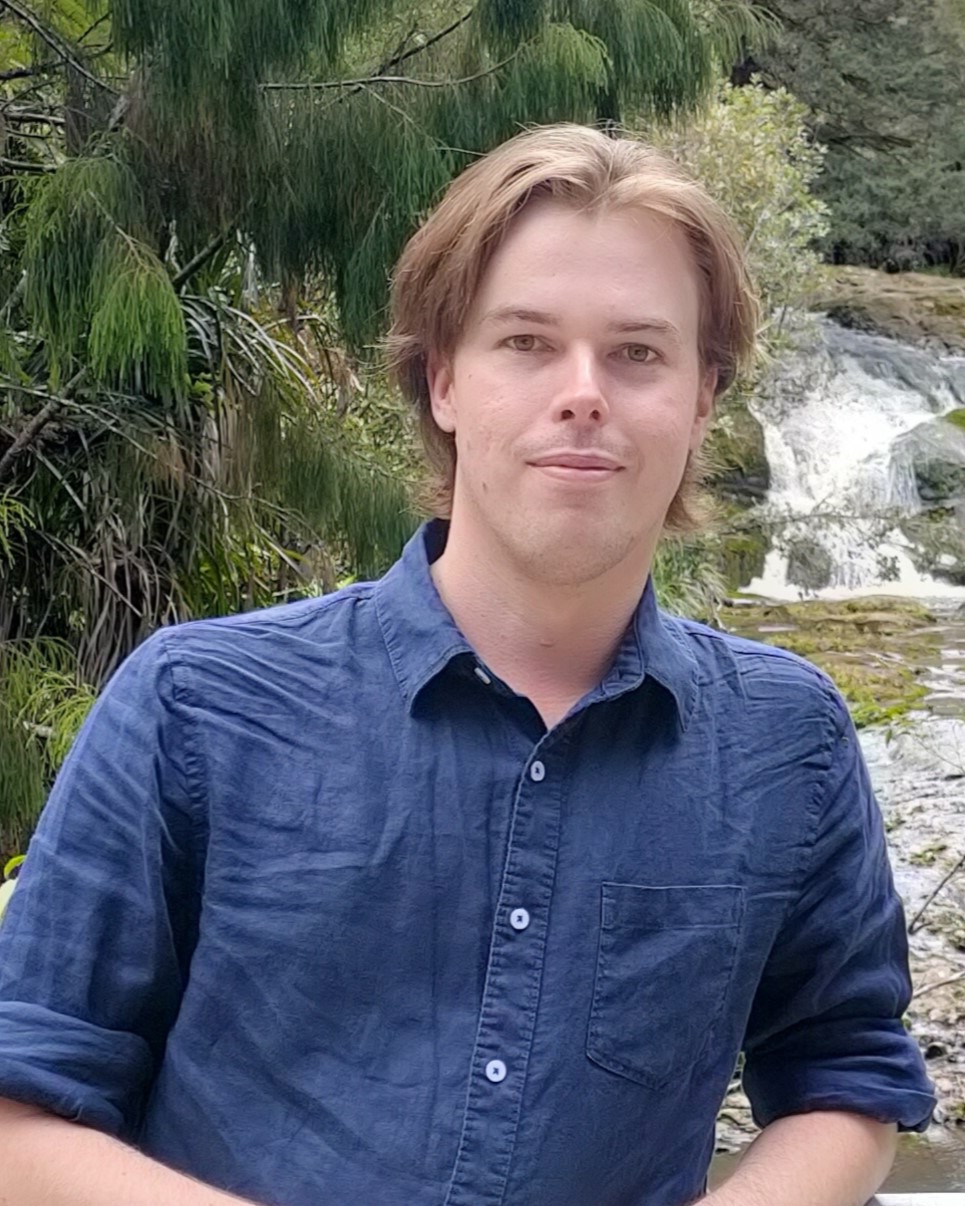
Lewis Gooch
- Lecturer
- lewis.gooch@jcu.edu.au
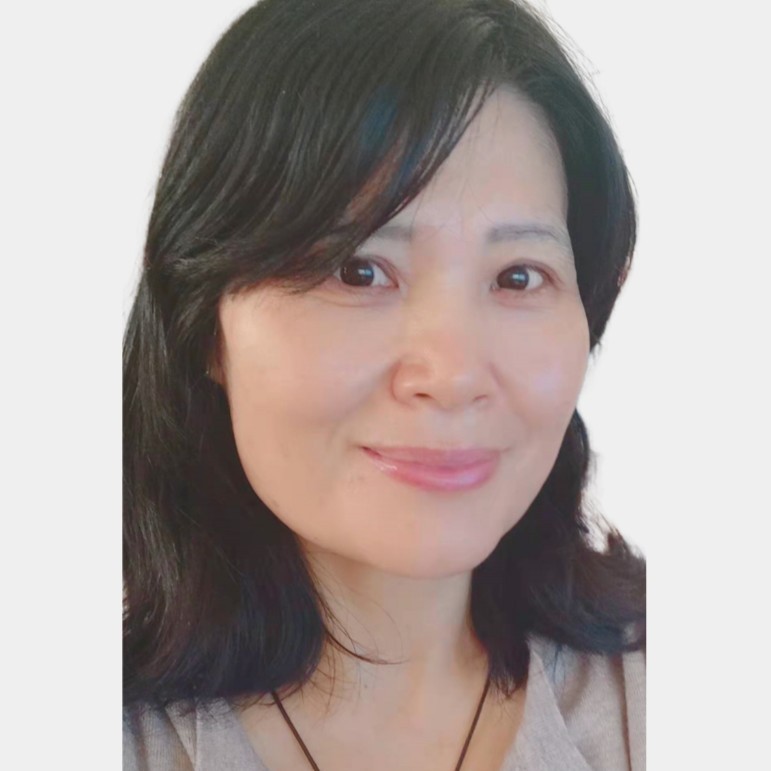
Judy Yang
- Postdoctoral Research Fellow, Applied AI for Forestry Weed Detection and Mapping
- judy.yang@jcu.edu.au

Bouchra Senadji
- Head, Engineering
- bouchra.senadji@jcu.edu.au

Alzayat Saleh
- AIMS@JCU Postdoctoral Research Fellow, Marine Science Technology
- alzayat.saleh@jcu.edu.au
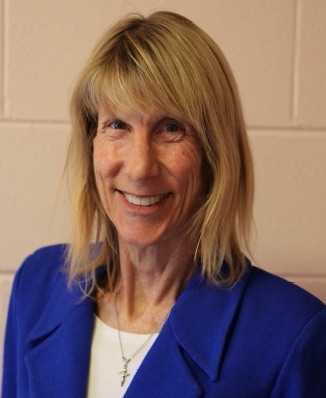
Anne Steinemann
- Adjunct Professor
- anne.steinemann@jcu.edu.au

Nico Adams
- Professor, Electronic Systems & IoT Engineering
- nico.adams@jcu.edu.au

Elsa Antunes
- Associate Professor, Mechanical Engineering
- elsa.antunes1@jcu.edu.au

Eric Wang
- Senior Lecturer, Electronic Systems and IoT Engineering
- eric.wang@jcu.edu.au
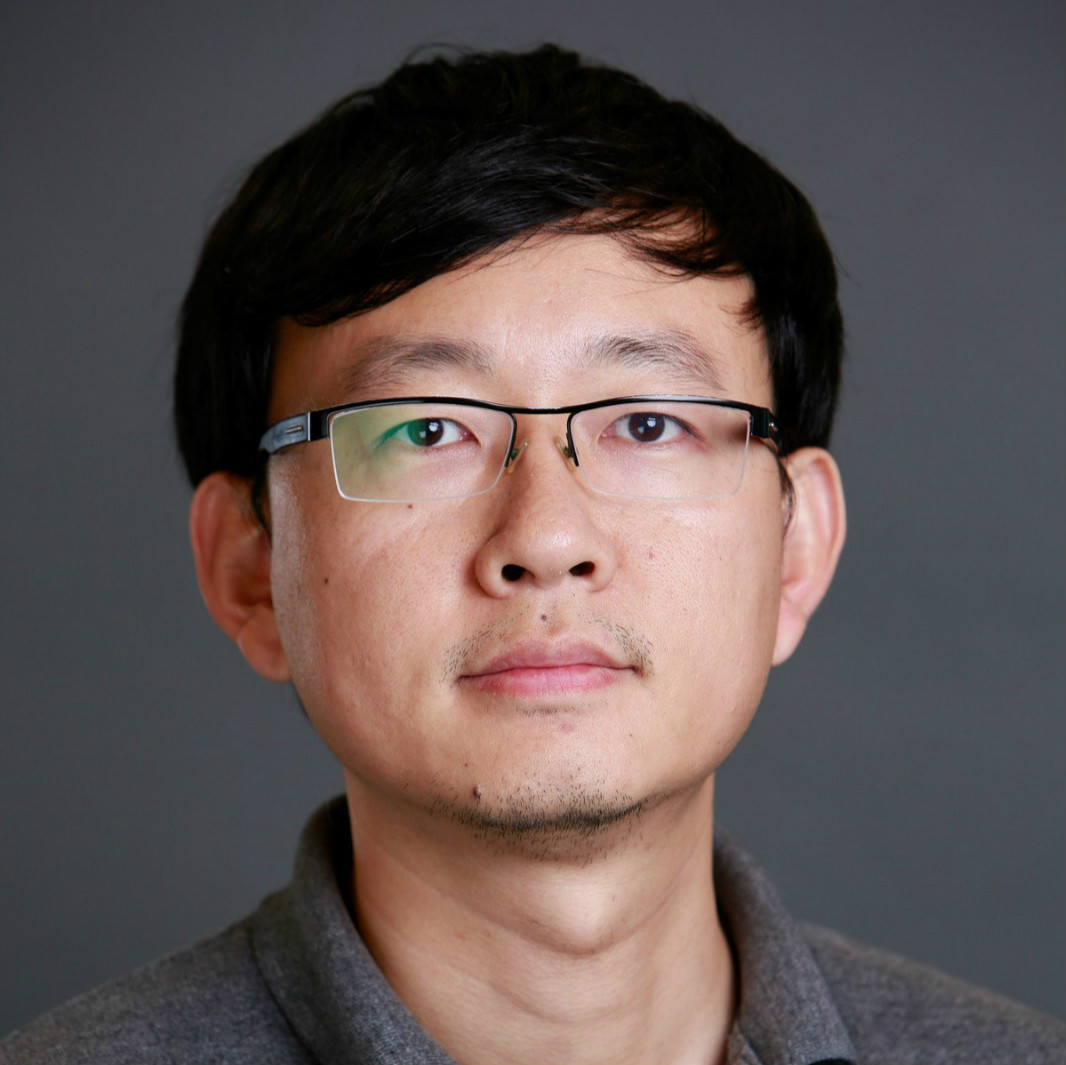
Yang Du
- Senior Lecturer, Electronic Systems and IoT Engineering
- yang.du@jcu.edu.au
Applications for Magnetic Resonance Image Guidance in Radiation Therapy in Prostate Cancer. (Old ID 27208)
Prostate cancer is a serious disease with a large burden on the Australian health system, often treated with radiation therapy (RT). A specific RT treatment called Magnetic resonance image-guided radiation therapy (MRIgRT) combines imaging with therapy to provide potentially superb targeting. In this project, technical machine learning solutions for novel applications of MRIgRT will be explored.
Sugar-AI: Smart Sugarcane Health Monitoring and Ratoon Stunting Disease (RSD) Detection with Satellite Remote Sensing and Machine Learning (Old ID 30057)
The aim of the Sugar-AI project is to develop a prototype smart software system for sugarcane health monitoring. The prototype will focus on accurately diagnosing Ratoon Stunting Disease (RSD), which is considered by most sugarcane pathologists globally to be the most important disease that impacts on sugarcane yields between 5-60%.
Prototype of a Cost Effective Thermal Energy Storage System for Air-conditioning Photovoltaic-Powered Homes
This project addresses the critical issue of intermittency in solar energy generation by proposing an innovative solution that combines energy storage with air conditioning demand to achieve net zero emission in hot but solar energy abundant Northern Queensland with the construction and research of the prototype of a cost effective thermal energy storage system for air-conditioning photovoltaic-powered homes. This prototype could significantly enhance the viability of solar energy as a primary power source for households and building complexes, contributing to the long-term sustainability and resilience of tropical regions in the face of escalating energy requirements and climate change.
Optimising Transmission Grid Planning and Operations in North Queensland
The power sector is transitioning from fossil fuels to renewables, emphasizing decentralized systems. Meeting rising renewable energy demands necessitates enhanced operational flexibility. This project focuses on optimizing planning and operations for transmission grids, particularly in North Queensland. The goal is to boost overall power system efficiency by intelligently integrating renewables. Anticipated outcomes include cost-effective planning, flexible grid operations, advanced forecasting, renewables integration modeling, and improved Distributed Energy Resources (DER) visibility. These achievements align with Powerlink's contributions to the Queensland Energy and Jobs Plan and the transformative Copper String Project, aiming to provide clean, reliable, and affordable energy for generations.
Enhancing Groundwater Discharge Detection for Improved Water Quality Research and Coastal Management
The funds will be used to purchase equipment that will allow cutting-edge multidisciplinary research linking hydrology, soil sciences and water quality to support several academics at JCU.
Fusion of wearable and environmental sensors for remote monitoring of health and wellbeing in elderly populations
This project is funded by the Northern Australia Regional Digital Health Collaborative (NARDHC). This project aims to develop a smart home health monitoring prototype that improves upon existing technology by fusing information from multiple sensors. The proposed system will use non-invasive wearable sensors, non-contact mmWave technology, and artificial intelligence to monitor key vital signs, physical activity, stress, fatigue, and environmental conditions. The goal of this project is to prototype a comprehensive system for monitoring health and wellbeing in rural and remote Australia, with particular focus on elderly persons
Machine Learning Method for Measuring Blood Pressure and Monitoring Renal Perfusion Non-Invasively in the Neonatal Intensive Care Unit
This project firstly aims to develop machine learning algorithms capable of continuously monitoring blood pressure in babies born very preterm, using heart activity waveforms obtained from low-cost and non-invasive photoplethysmogram and electrocardiogram sensors. The second aim is the development of machine learning algorithms for early identification of acute kidney injury risk and early diagnosis when it does occur. It is expected that this work will provide non-invasive alternatives for measuring key neonatal health parameters, in turn leading to improved patient outcomes. This This work also has significant potential to support critical care in low-resource and remote areas.
A mobile app and dashboard for effective management of early-stage chronic kidney disease
This project is funded by the Northern Australia Regional Digital Health Collaborative (NARDHC). The incidence and prevalence of chronic kidney disease (CKD) varies globally, and people in the lowest socioeconomic quartile have a 60% higher risk of progressive CKD. This project aims to develop a mobile app that detects vulnerable individuals who are at risk of deterioration in renal function and are needing intervention, while also allowing monitoring and appropriate education to those who are progressing steadily. The expected outcome is a novel mobiele analytic app that can improve the management of CKD patients in rural and remote areas for better health outcomes and planning.
Development of a machine learning tool for gap-filling cloudy satellite data for use in environmental science application
In this project, we developed an artificial intelligence tool for gap filling sea-surface temperatures in cloud-affected data. The results are now published in IEEE Transactions on Geoscience and Remote Sensing (IF: 8.2 in 2024)
Do you see what I see? Developing responsible Artificial Intelligences that explain their decisions in a manner consistent with human attention
In this project, I am developing a novel method for evaluating explainable AI methods that is based on how humans pay attention to images. This will assist future researchers in benchmarking new explainable AI tools.
Direct simulation of weak axisymmetric fountains in a homogeneous fluid
- 2000
- Cambridge University Press
- Researchers:Wenxian Lin
Natural convection cooling of rectangular and cylindrical containers
- 2001
- Researchers:Wenxian Lin
Start Date:
01 Jan 2010
End Date:
01 Jan 2015
Start Date:
01 Jan 2004
End Date:
01 Jan 2006
Start Date:
01 Jan 2010
Title:
Senior Member, IEEE
Start Date:
01 Jan 2012
Title:
Reperio Innovation Award
Start Date:
01 Jan 2015
Start Date:
01 Jan 2015
Start Date:
01 Jan 2013
Start Date:
01 Jan 2010
Start Date:
01 Jan 2006
Start Date:
01 Jan 2006