
Earth & Environmental Sciences
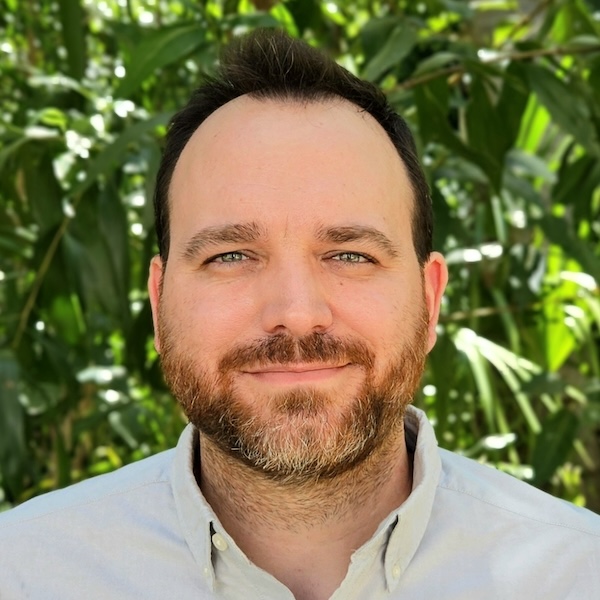
Romain Vaucher
- Senior Lecturer, Sedimentology
- romain.vaucher@jcu.edu.au
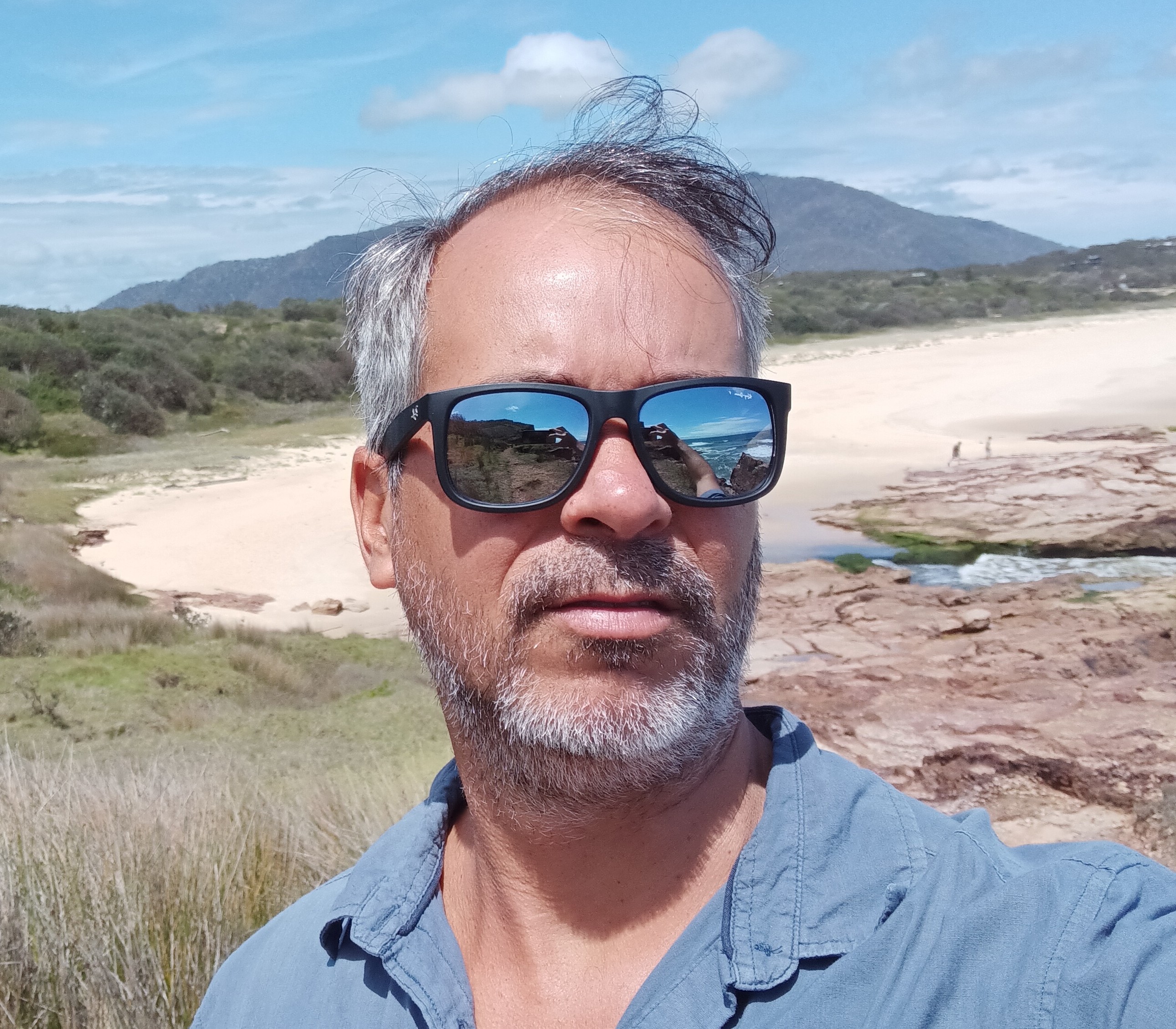
Rafael Cabral Carvalho
- Lecturer, Marine Geoscience
- rafael.cabralcarvalho@jcu.edu.au

Youseph Ibrahim
- Lecturer, Geoscience
- youseph.ibrahim@jcu.edu.au
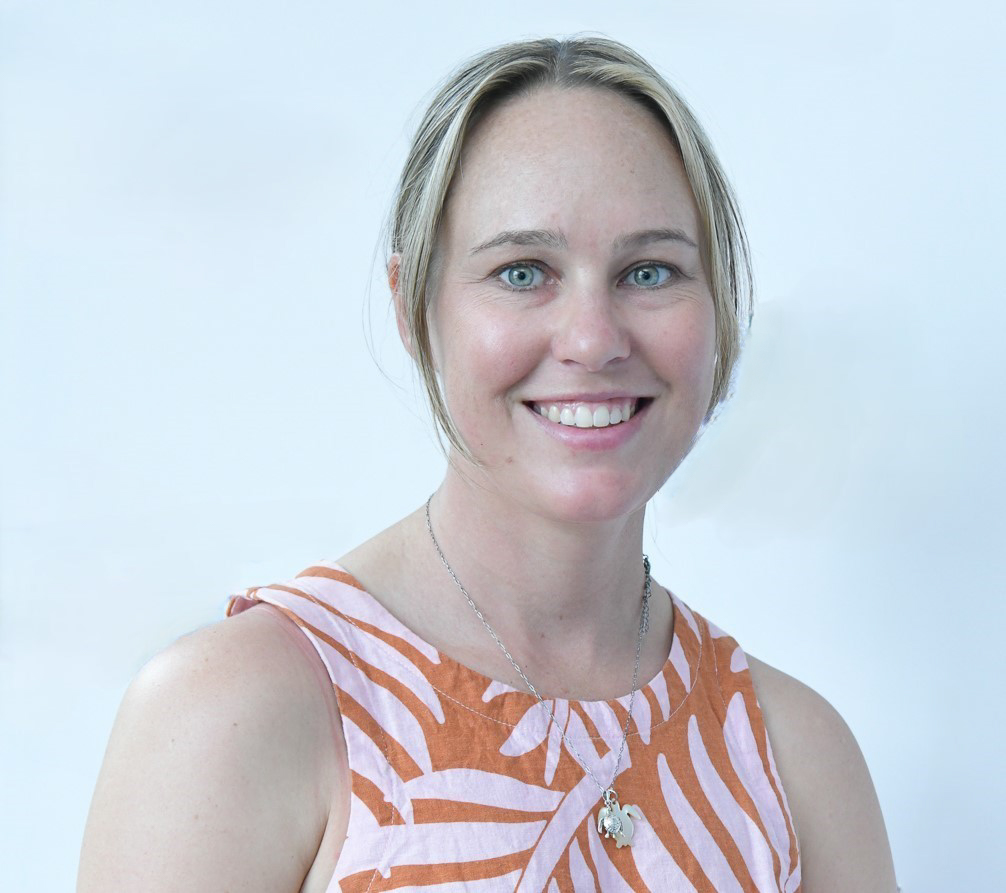
Natalie Robson
- Postdoctoral Research Fellow, Land and Sea Management
- natalie.robson@jcu.edu.au

Alexandre Wadoux
- Lecturer, Soil Science
- alexandre.wadoux@jcu.edu.au
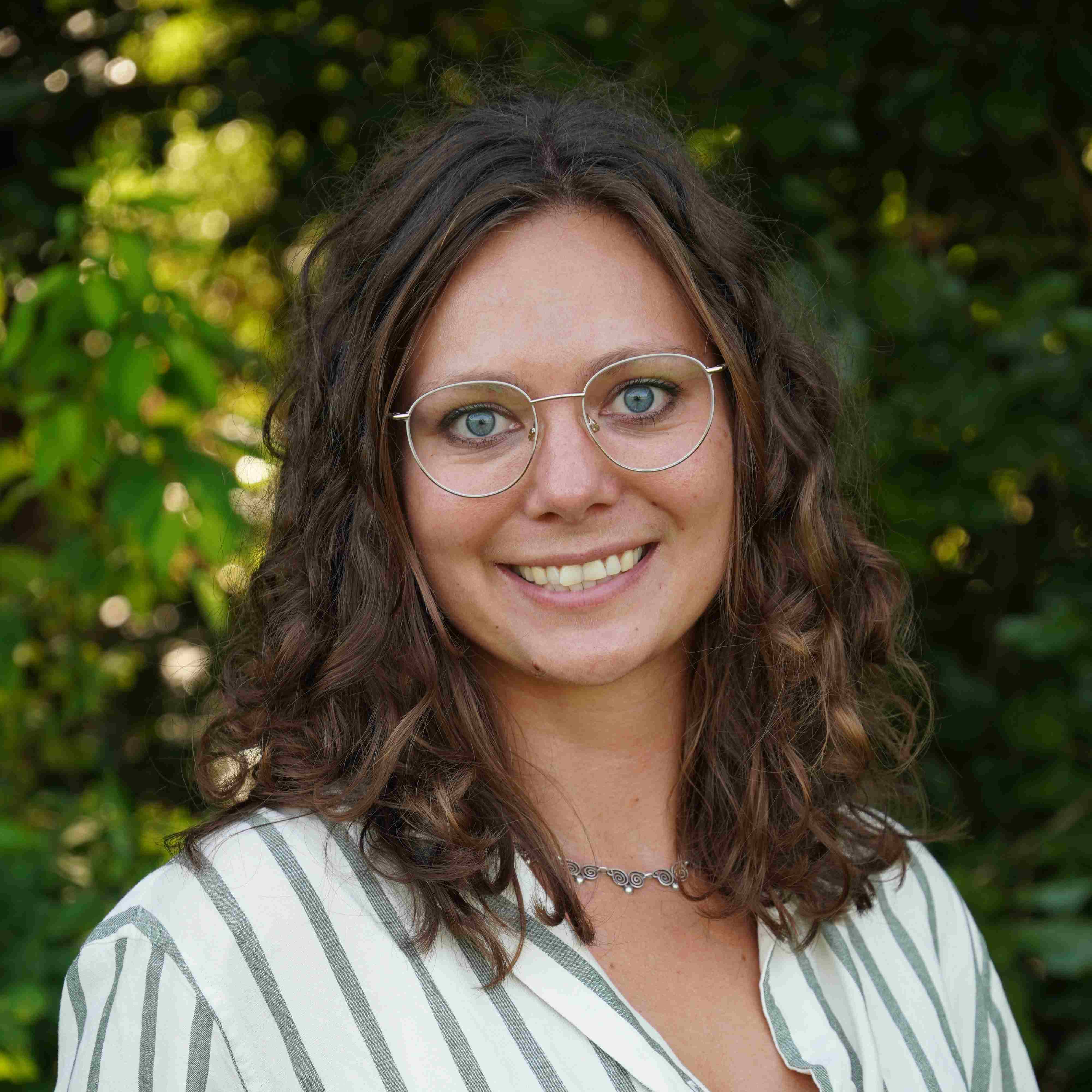
Alica Hoess
- Postdoctoral Research Fellow, Neutron Tomography Scanner
- alica.hoess@jcu.edu.au

Phoebe Stewart-Sinclair
- Lecturer, Environmental Science
- phoebe.stewartsinclair@jcu.edu.au
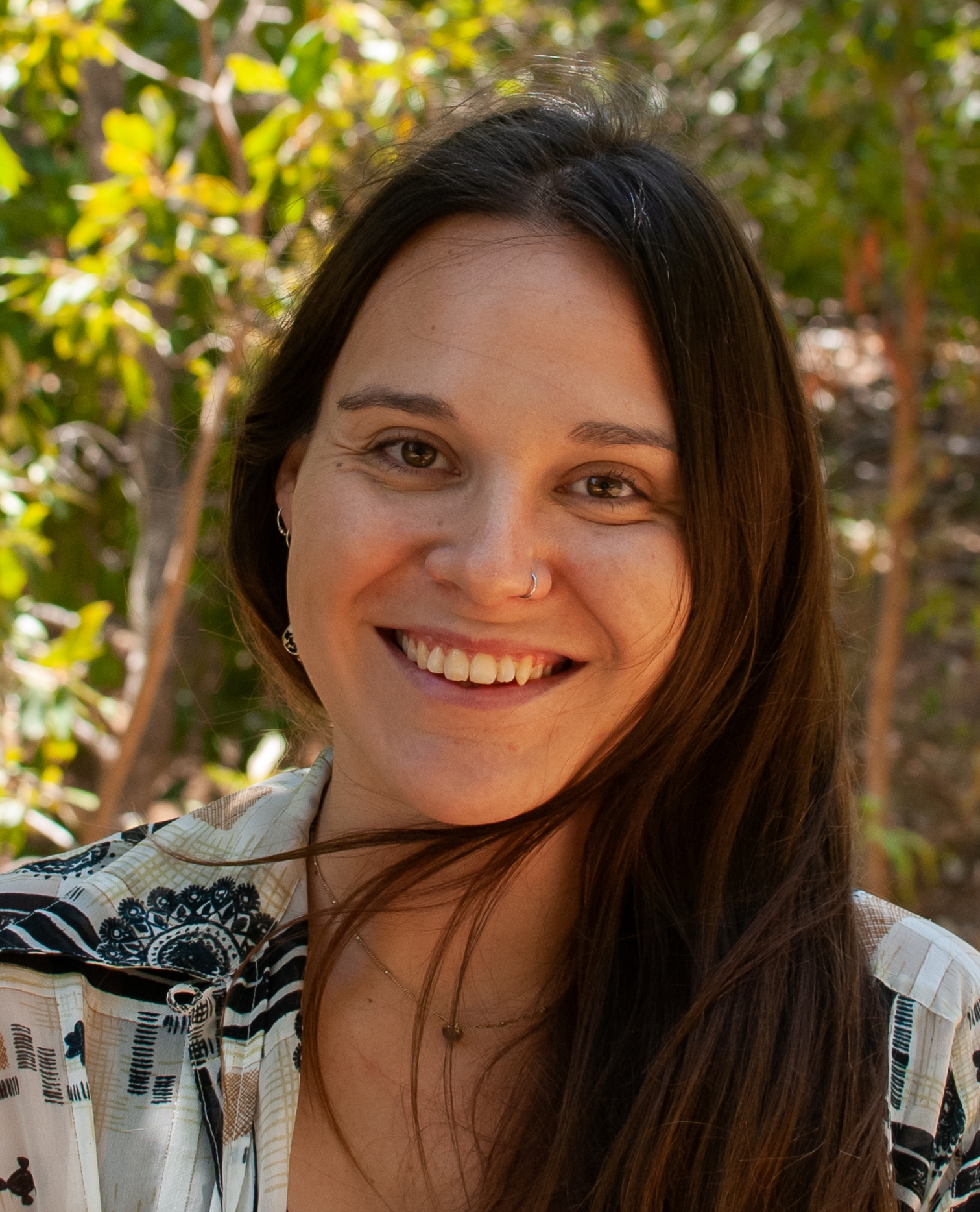
Bethany Smith
- Postdoctoral Research Fellow
- bethany.smith1@jcu.edu.au

Brandon Mahan
- Adjunct Senior Lecturer
- brandon.mahan@jcu.edu.au
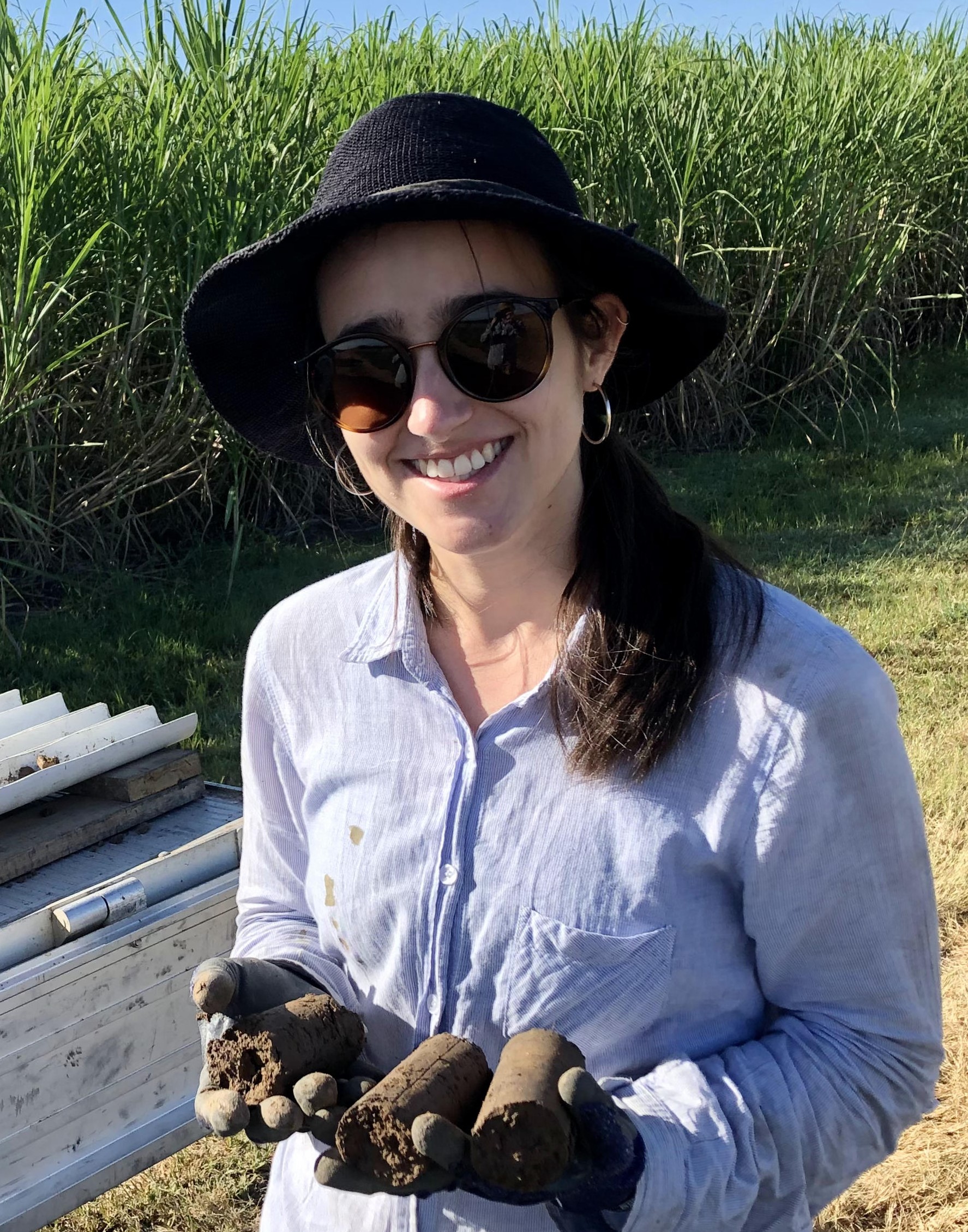
Hannah Green
- Research Officer
- hannah.green@jcu.edu.au
Carbon sequestration via enhanced weathering of basalt applied to dry tropical rangeland
Paul Nelson
03 Jun 2024 - 02 Jun 2028
To meet climate targets carbon dioxide must be removed from the atmosphere in addition to reducing greenhouse gas emissions. A promising ‘negative emission technology’ is enhanced weathering of crushed basalt applied to land. Under suitable conditions, weathering reactions convert carbon dioxide gas to dissolved bicarbonate, which accumulates as bicarbonate or carbonate in soil or the sea. Grazed dry tropical rangelands provide a vast area where enhanced weathering might be deployed. In this project we will measure the amount of carbon sequestered in a dry tropical rangeland soil to which crushed basalt has been applied.
Novel governance for marine ecosystems in transition (Old ID 27169)
Tiffany Morrison
01 Jan 2022 - 30 Jun 2025
Human pressures are tipping marine ecosystems into new equilibrium states. Australia has the third largest marine estate in the world, and its marine ecosystems support critical industries and social and cultural values. The transition in our marine ecosystems requires similar transitions in governance. This project aims to pioneer knowledge about the new governance arrangements required to manage changing marine ecosystems. It does this though a comparative study of novel interventions now underway in Australia, from which practical guidance on responsible marine governance will be elicited, with significant benefits to the sustainability of Australian and international marine ecosystems.
Magmatic History, Fertility and Metallogenesis of the Mary Kathleen Domain of the Mt Isa Inlier (Old ID 24882)
Paul Dirks
28 Feb 2018 - 30 Jun 2021
This project aims to highlight the exploration potential in the Mary Kathleen Domain of the Mt Isa Inlier by providing key mineralisation insights that can assist mining companies to plan their exploration strategy for better targeting and enhance the potential for new discoveries. To achieve this, the project has three main objectives: (1) Establish the extent, character and timing of the dominant magmatic epochs in the Mary Kathleen Domain of the Mt Isa Inlier (2) Develop an understanding of the tectono-magmatic history of the Mary Kathleen Domain and its links to metallogenesis; (3) Explore the applicability of magma fertility concepts as a tool for exploration for a variety of deposit types.
Governing Changing Oceans (Old ID 27725)
Tiffany Morrison
01 Jun 2022 - 30 Jun 2025
Climate impacts are creating novel marine ecosystems, stimulating new interventions to conserve oceans and communities. Novel interventions include blue economy, blue carbon, and blue conservation approaches that mitigate climate change (e.g. offshore renewable energy development, seaweed restoration, carbon trading) and promote conservation and adaptation (e.g. assisted marine animal and plant migration, marine climate refuge protection, solar-radiation control). Novel interventions require transitions in governance: to realise new opportunities, meet escalating demand for marine resources, and manage risks and unintended consequences. Achievement of these multiple outcomes is limited by a lack of understanding of which governance arrangements are enabling intervention win-wins for nature and people. This SNAPP group works directly with governments, NGOs, and donors to co-create practical guidance on how to govern new marine interventions in a changing climate.
North Queensland Proterozoic Metallogenesis (Old ID 27601)
Ioan Sanislav
06 Jun 2022 - 05 Jun 2024
This project will assess the metallogenic potential of the Croydon and southern Etheridge provinces including their potential to host critical mineral resources
Heritage Oil Rukwa (TZ) PhD Scholarship for Cassy Mtelela (Old ID 20298)
Eric Roberts
15 Jul 2012 - 14 Jan 2016
Heritage Oil Rukwa (TZ) to fully support a PhD scholarship and project expenses for Tanzanian Student, Cassy Mtelala. The PhD research Project will focus on investigating the relationship between sedimentation and tectonics in the deposition of the Pilocene to Recent Lake Beds strata in the Rukwa Rift Basin, Tanzania. Heritage will support all tuition; fees; living expenses; and a small research stipend for Cassy to conduct this PhD project through the School of Earth and Environmental Sciences, under the direction of Dr Eric Roberts. Heritage Oil Rukwa (TZ) will also directly pay for all field expenses, visas and travel costs.
Understanding the Stratigraphy, age, and provenance of the diamondiferous Calonda Formation in North-Eastern Angola: Implications for regional magmatism and paleo fluvial drainage evolution (Old ID 25071)
Eric Roberts
01 Jun 2018 - 31 Dec 2019
The pilot research, based on four Calonda Formation Core Samples, has identified a suite of unexpected Permian-Late Cretaceous magmatic detrital zircon populations, which have the potential to improve our understanding of the age and provenance of the Calonda Formation, as well as the tectonic history of this region. The pilot research identified a suite of Cretaceous detrital zircons that form three discrete age clusters, which we hypothesis may have been produced during kimberlite or other alkaline volcanism; perhaps synchronously with deposition of the Calonda Formation or other Cretaceous cover sequences. However, due to the small number of grains discovered in the pilot study and lack of systematic sampling, robust conclusions cannot be drawn at present. However, the results demonstrate that it should be possible to significantly refine the age of these sedimentary sequences, including the Calonda Formation, through detrital zircon geochronology, as well as to study the geochemistry of these grains to better understand the regional tectonics of this area during the Cretaceous, possibly including better dating of the timing of kimberlite volcanism.
Jurassic Arc? Reconstructing the Lost World of Eastern Australia (Old ID 23299)
Carl Spandler
21 Mar 2018 - 31 Dec 2023
This project aims to resolve a long-standing enigma about the geological formation of the Great Artesian Basin – Australia’s most important onshore reservoir for groundwater and hydrocarbon resources. Specifically, the project will integrate sedimentological and geochemical studies to investigate the geodynamic configuration of Eastern Australia during the Jurassic Period of basin formation. The intended outcomes are an improved understanding of the evolution of the Australian continent and better knowledge of the formation of intercontinental sedimentary basins, which includes better assessment of their potential to contain hydrocarbon resources.
Building Capacity of Civil Society Organisation in Southeast Asia to Collaborate with Governments to Equitably and Sustainably Secure Fisheries and Support Maritime Security (Old ID 27586)
Amy Diedrich
01 Jul 2022 - 30 Jun 2024
The purpose of the project is to partner with selected Civil Society Organisations (CSOs) in Philippines and Indonesia in order to build capacity to implement Other Effective Area-based Conservation Measures (OECMs) in coastal communities. More broadly this project will contribute to building the capacity for CSOs to engage with policy processes and partner with governments to strengthen maritime policies and local level implementation. This grant will cover phase one of the program for activities to be delivered over the first two years.
Regional Governance of Fisheries (Old ID 22246)
Tiffany Morrison
01 Oct 2015 - 01 Feb 2019
This project uses a multi-scale governance framework to understand and improve governance of fisheries, potentially through scaling-up community-based resource management ()CBRM) of small-scale fisheries in the Pacific. The postdoctoral fellow appointed will work alongside a JCU and WorldFish team working on multiscalar governance theory, and with regional authorities (eg the Secretariat of the Pacific Community) and national governments (eg Solomon Islands, Kiribati and Vanuatu). Outputs will include high impact journal articles and policy briefings. The project will result in a more nuanced understanding of the role of CBRM, meta-governance, and scale in achieving resilient resource-dependent communities and regions.
Shining light on data-poor coastal fisheries
- 2021
- Frontiers Research Foundation
- Researchers:Meira Mizrahi
Quartz oxygen isotopes from Tick Hill area in Mount Isa Inlier: indication of a regional fluid overprint
- 2022
- Taylor & Francis
- Researchers:Paul DirksIoan SanislavHelen McCoy-West
Local knowledge surveys with small-scale fishers indicate challenges to sawfish conservation in southern Papua New Guinea
- 2021
- Wiley-Blackwell
- Researchers:Amy DiedrichColin Simpfendorfer
Global declines in coral reef calcium carbonate production under ocean acidification and warming
- 2021
- National Academy of Sciences
- Researchers:Morgan PratchettScott Smithers
Title:
PhD, James Cook University
End Date:
01 Jan 2010
End Date:
01 Jan 2003
Start Date:
01 Jan 2020
End Date:
01 Jan 2025
Start Date:
01 Jan 2023
End Date:
01 Jan 2025
Title:
JCU Distinguished Professor
Start Date:
01 Jan 2010
Start Date:
01 Jan 2012
End Date:
01 Jan 2012
Start Date:
01 Jan 2019
Title:
Malayalam
Title:
English
Title:
Tamil