
College of Science & Engineering

Sophia Love
- Doctor of Philosophy (Natural and Physical Sciences)
- sophie.love@jcu.edu.au
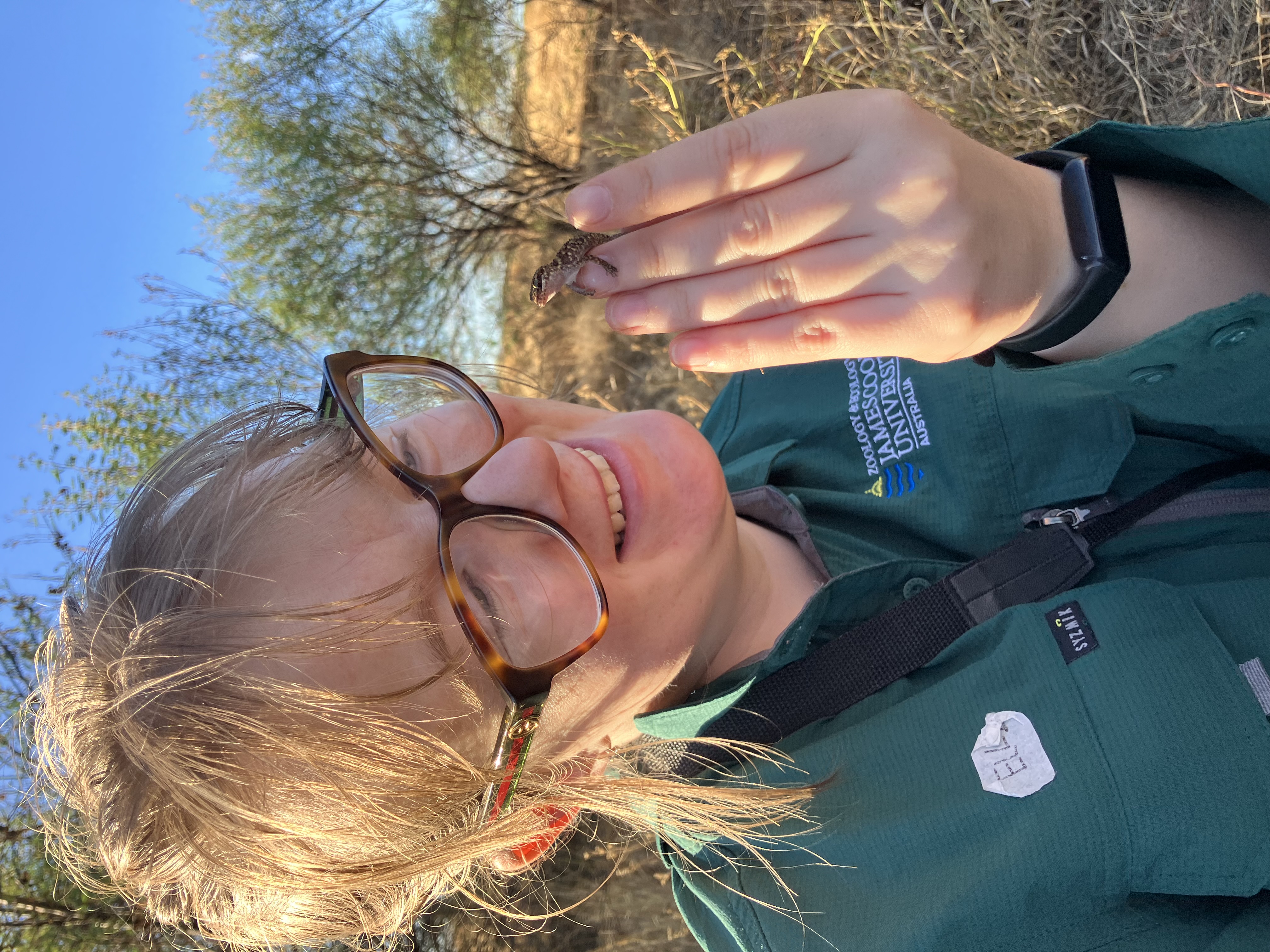
Elle Robertson
- Doctor of Philosophy (Agriculture, Environmental and Related Studies)
- elle.robertson@jcu.edu.au
Romain Vaucher
- Senior Lecturer, Sedimentology
- romain.vaucher@jcu.edu.au

Jenny Fisher
- Associate Dean, Learning and Teaching
- jenny.fisher@jcu.edu.au

Ambili Narayanan
- Doctor of Philosophy (Natural and Physical Sciences)
- ambili.narayanan@my.jcu.edu.au

Sarfaraz Ali
- Postdoctoral Research Fellow
- sarfaraz.ali@jcu.edu.au
Mikaeylah Davidson
- Postdoctoral Research Fellow
- mikaeylah.davidson@jcu.edu.au
Liuxin Chen
- Adjunct Lecturer
- liuxin.chen@jcu.edu.au
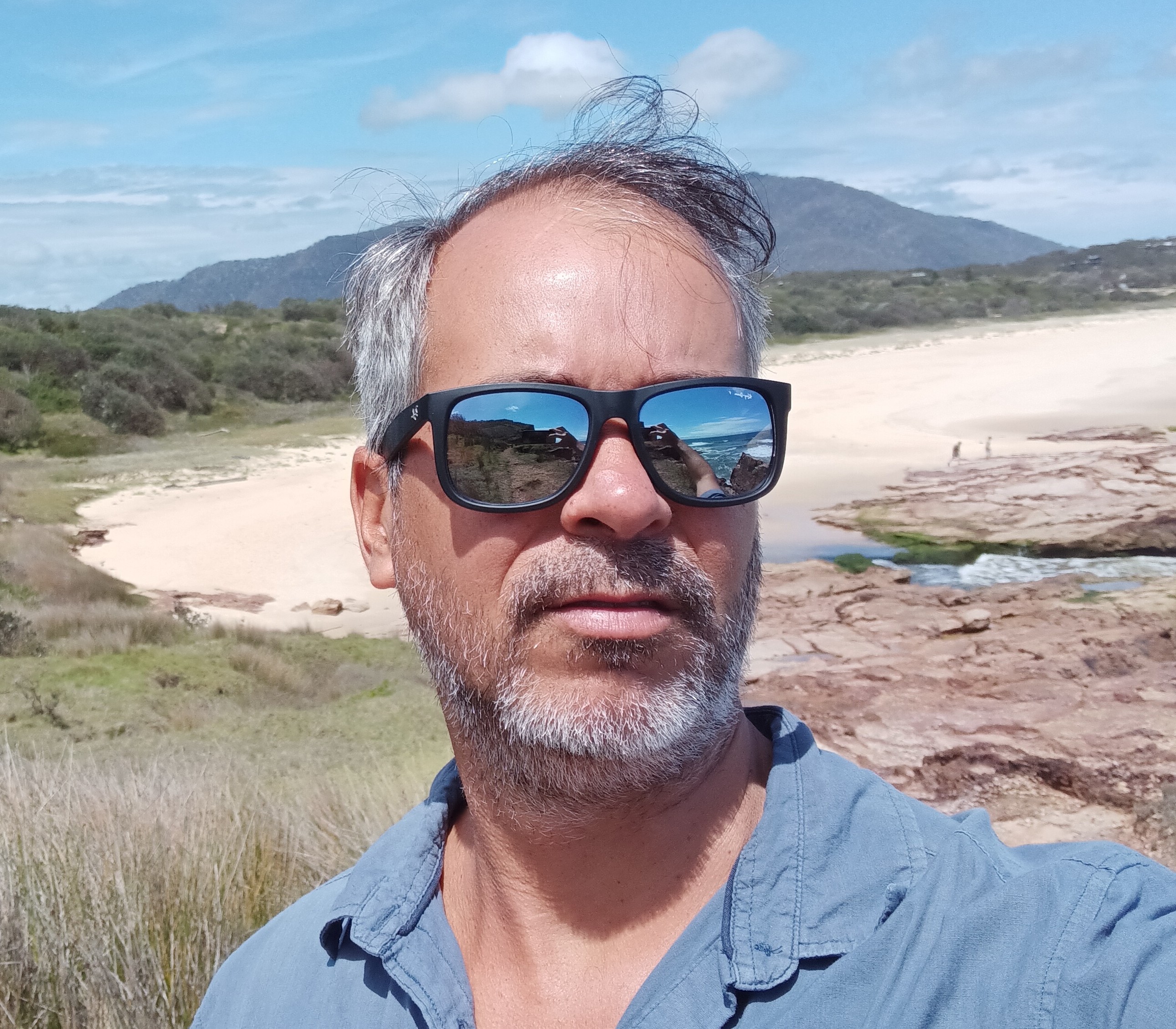
Rafael Cabral Carvalho
- Lecturer, Marine Geoscience
- rafael.cabralcarvalho@jcu.edu.au
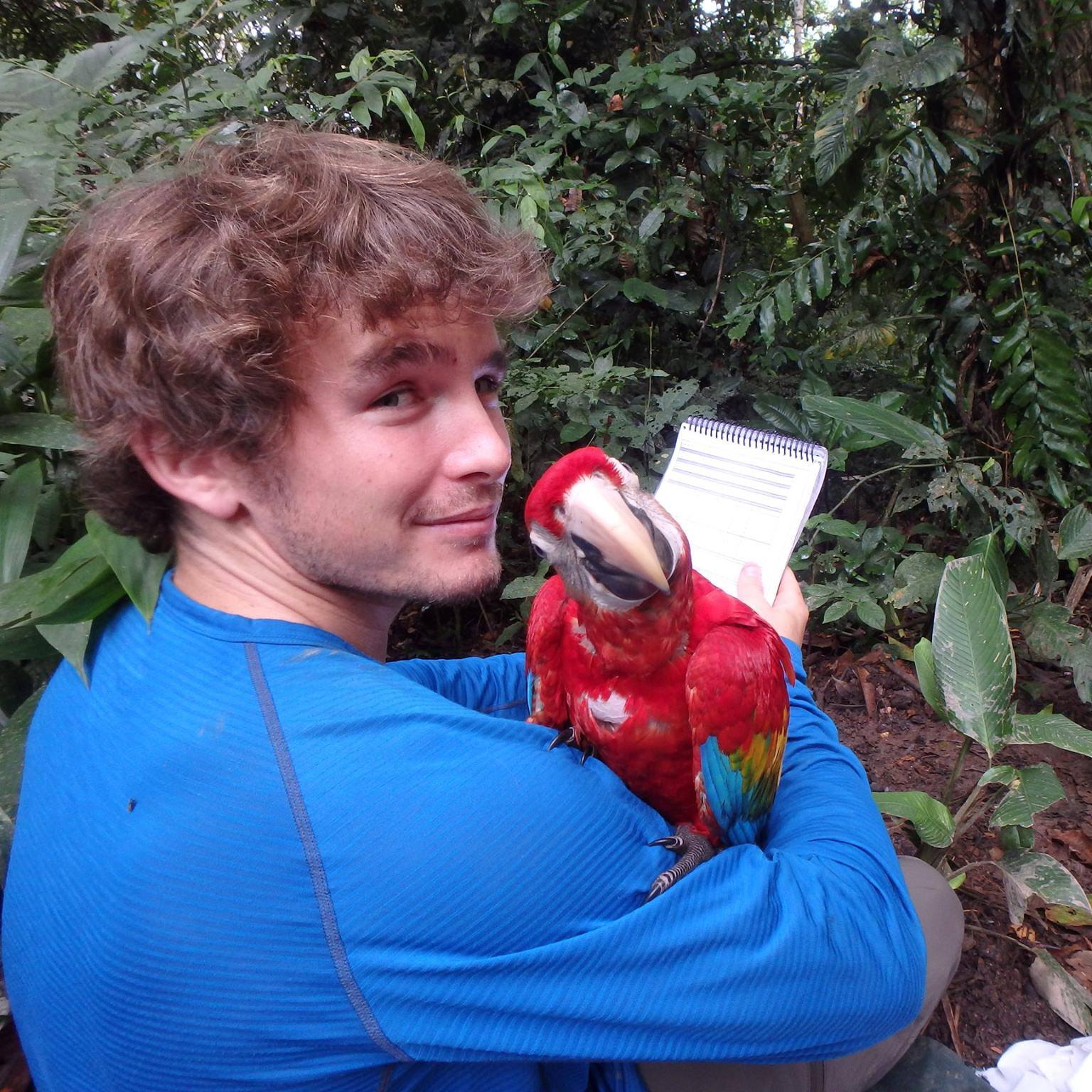
Tom Lloyd
- Postdoctoral Research Fellow, Global Ecosystems
- tom.lloyd@jcu.edu.au
Monitoring the threatened fauna of the Wet Tropics mountains. (Old ID 30024)
The Wet Tropics mountaintops have many endangered species, threatened by climate change, invasive species, and disease. I am monitoring many of these to assess changes in distribution, threats, and potential conservation actions. I am now working on this collaboratively with the Threatened Species Group of Qld Gov. DES. As part of this collaboration, they are providing financial support to keep my monitoring activities going and to start new monitoring. This grant will fund the upland research project that I, and my PhD students, will continue over the coming years.
Bio-molecular studies for improved diagnosis and management of Australian children with fish allergy (Old ID 21592)
Allergy to fish among children is emerging as a significant healthcare issue in Australia and worldwide, with prevalence rates among children with food allergy as high as 16% in Australia. Our strong clinical-laboratory interface, bringing together a highly experienced senior team in the areas of molecular and immunological allergen characterization with leading clinicians in paediatric allergy, will significantly improve the management of fish-allergic children in Australia.
Lost at sea? Understanding adaptation and dispersal in spiny lobsters (Old ID 23173)
Continual recruitment of young is fundamental to the replenishment of populations, especially when a stock is fished. Existing theory suggests that species with very long planktonic larval stages disperse widely, ensuring their genes are well mixed. However recently identified genetic differences between populations of rock l;obster challenge this paradigm and demonstrate that despite larvae mixing in the ocean for years, local recruitment and/or adaptation are at play. Recent developments in genomics and bioinformatics will allow this project to understand the ecological processes underpinning these genetic signatures and determine their evolutionary implications. Such findings would direct targeted rebuilding of depleted fisheries stocks.1/1/5
Sex determination of fruit fly pupa using Near Infrared Spectroscopy. (Old ID 26970)
Implementation of an effective sterile insect program for fruit fly species Bactrocera tryoni requires that only sterile male insects be released. Therefore at some stage of the fly production process the females need to be removed. Hand sexing is very labour intensive and current automated systems based on colour and size are not effective in differentiating between male and female pupae for B. tryoni. Hence, a non-destructive, rapid method of sex separation is required that does not impact on the viability of the pupae and which can be incorporated into a mass rearing system. Preliminary research has demonstrated that Near Infrared Spectroscopy (NIRS) has great potential as an objective non-invasive method to sex B. tryoni pupae. The aim of this project is to develop and semi-automate a non-invasive rapid assessment technique to rapidly and consistently sort male and female B. tryoni pupae based on NIRS technology.
Reducing herbicide usage in the Burdekin and Proserpine reef catchment areas with precise robotic weed control in sugarcane (Old ID 26973)
The main objective of this project is to develop and build the world’s first robotic platform for selective weed control in sugarcane. Specifically, we aim to retrofit two 12-metre sugarcane booms for farmers in the Burdekin and Proserpine GBR catchment areas with state-of-the-art deep learning detection and spraying technology. The fundamental aim of this project is to significantly minimise the herbicide usage by selective spot spraying. We have set a target to reduce the knockdown herbicide usage on the chosen farms by 80% compared to the traditional blanket spraying that is performed during various stages of the crop cycle.
Mecaflavo - Understanding the Anti-inflammatory Structure-Activity Relationships of Flavonoid Analogues [Compréhension des relations structures-activités dans les MECanismes Anti-inflammatoires d’analogues de FLAVOnoïdes] – MECAFLAVO (Old ID 27204)
Flavonoids are a class of natural compounds with various phenolic structures that are widely distributed in plants, including fruits and vegetables, tea or wine. The project MECAFLAVO will synthesize and evaluate the anti-inflammatory potential of pinocembrin and pinobanksin analogues in order to understand their mechanism of action, metabolism and therapeutic safety. Through derivatization it further aims to improve the therapeutic profile and applications of these semi-synthetic compounds.
Ecology and bioacoustics of the Asian black-spined toad (Duttaphrynus melanostictus) (Old ID 27275)
A process has been designed by JCU, DAF and IPB University, based on Muller and Schwarzkopf, to determine and optimise ABST responses to lure calls and toad traps. Here we will extend that process to record, analyse and test ABST calls from outside of the local range of toads from Bogor Indonesia.
Assessing the footprint, fingerprint, and vectoring potential towards Cu mineralization of trace elements in chalcopyrite and co-existing pyrite, and albite. (Old ID 30025)
This project aims to assess the footprint, fingerprint, and vectoring potential towards Cu mineralization by using trace element analyses of chalcopyrite, pyrite, and albite from Cu deposits in Mt Isa region. As part of this project co-existing chalcopyrite, pyrite and albite will be analysed from a suite of well characterised samples comprising a variety of mineral deposits from Mt Isa region. The role of host rock and deformation on mineral trace element geochemistry will be investigated in order to assess their influence on the vectoring potential.
What can locally managed marine areas do for you? (Old ID 27303)
Locally-managed marine areas (LMMA) regulate when, how, and by whom harvesting of resources occurs and are the dominant local marine resource management approach in the Pacific. Recently, a new wave of lessons have emerged on the efficacy of LMMAs that has yet to be interpreted and critiqued amongst resource managers, NGOs, and government actors. This project will involve hosting two workshops and co-developing communication products (infographic, pamphlet, and short video) in various Pacific languages on the current state of knowledge on LMMAs as a fisheries management tools. This work will provide an up to date synthesis of the contexts under which they can be successful, the trade-offs that may result when managing for multiple objectives, and the realistic impacts that can be expected from their use.
Modelling unseen flow pathways of water and contaminants in the Wet Tropics: the role of alluvial palaeochannels (Old ID 27748)
Approximately 50% of nitrogen loss from agricultural landscapes in the Wet Tropics occurs via subsurface flow pathways. We know little about the partitioning of subsurface flows, especially through palaeochannels where field evidence shows them to be zones of preferential pathways of water movement and likely nutrients. This project, led by JCU, seeks to develop an adequate understanding of the role palaeochannels play in subsurface flow movement. We then make recommendations to the modelling community on how to model these landscapes better in order to guide intervention measures (e.g. bioreactors, constructed wetlands) to reduce nutrient release into environmentally sensitive coastal areas (GBR).
Organic matter, sodicity and soil structure
- 1998
- Oxford University Press
- Researchers:Paul Nelson
Start Date:
10 Nov 2024
Start Date:
31 Mar 2025
Title:
Bengali
Reseracher:
Khandakar Faisal Ibn Murad
(Doctor of Philosophy (Engineering and Related Technologies))
Title:
English
Reseracher:
Khandakar Faisal Ibn Murad
(Doctor of Philosophy (Engineering and Related Technologies))
Start Date:
01 Jan 2024
Start Date:
01 Jan 2014
Start Date:
01 Jan 2024
End Date:
01 Jan 2027
Start Date:
01 Jan 2003
Title:
PhD, James Cook University
End Date:
01 Jan 2010
End Date:
01 Jan 2003