
College of Science & Engineering

Sophia Love
- Doctor of Philosophy (Natural and Physical Sciences)
- sophie.love@jcu.edu.au
Elle Robertson
- Doctor of Philosophy (Agriculture, Environmental and Related Studies)
- elle.robertson@jcu.edu.au
Romain Vaucher
- Senior Lecturer, Sedimentology
- romain.vaucher@jcu.edu.au
Jenny Fisher
- Associate Dean, Learning and Teaching
- jenny.fisher@jcu.edu.au
Ambili Narayanan
- Doctor of Philosophy (Natural and Physical Sciences)
- ambili.narayanan@my.jcu.edu.au

Sarfaraz Ali
- Postdoctoral Research Fellow
- sarfaraz.ali@jcu.edu.au
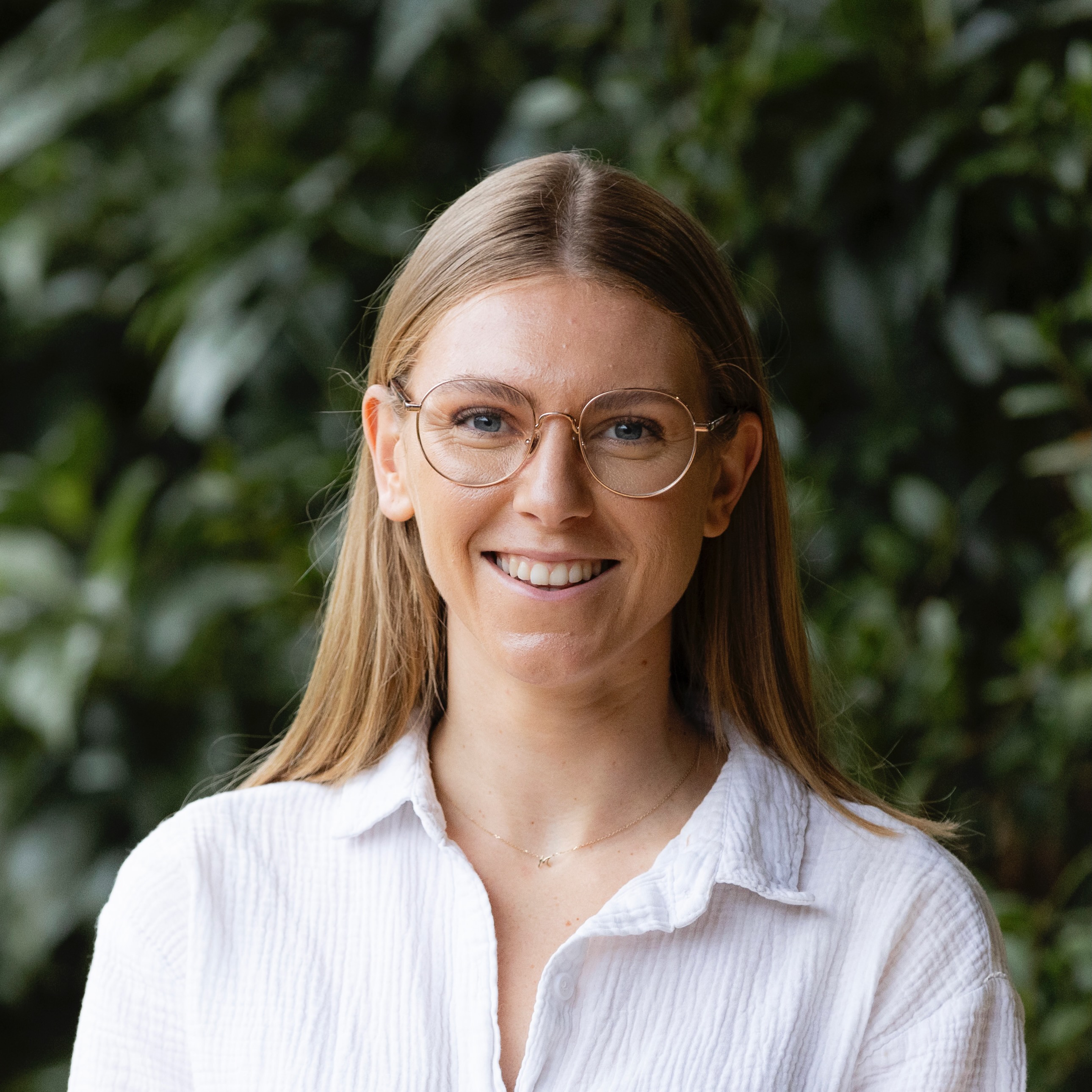
Mikaeylah Davidson
- Postdoctoral Research Fellow
- mikaeylah.davidson@jcu.edu.au
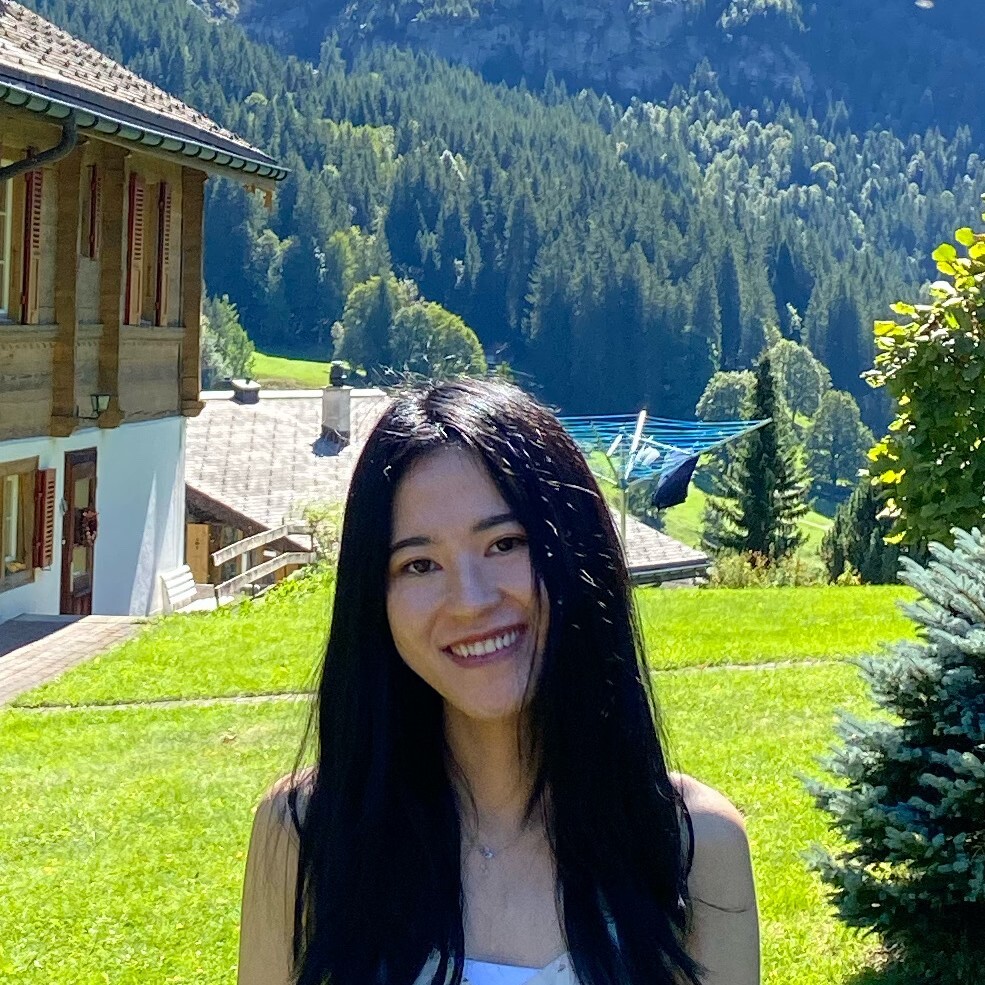
Liuxin Chen
- Adjunct Lecturer
- liuxin.chen@jcu.edu.au
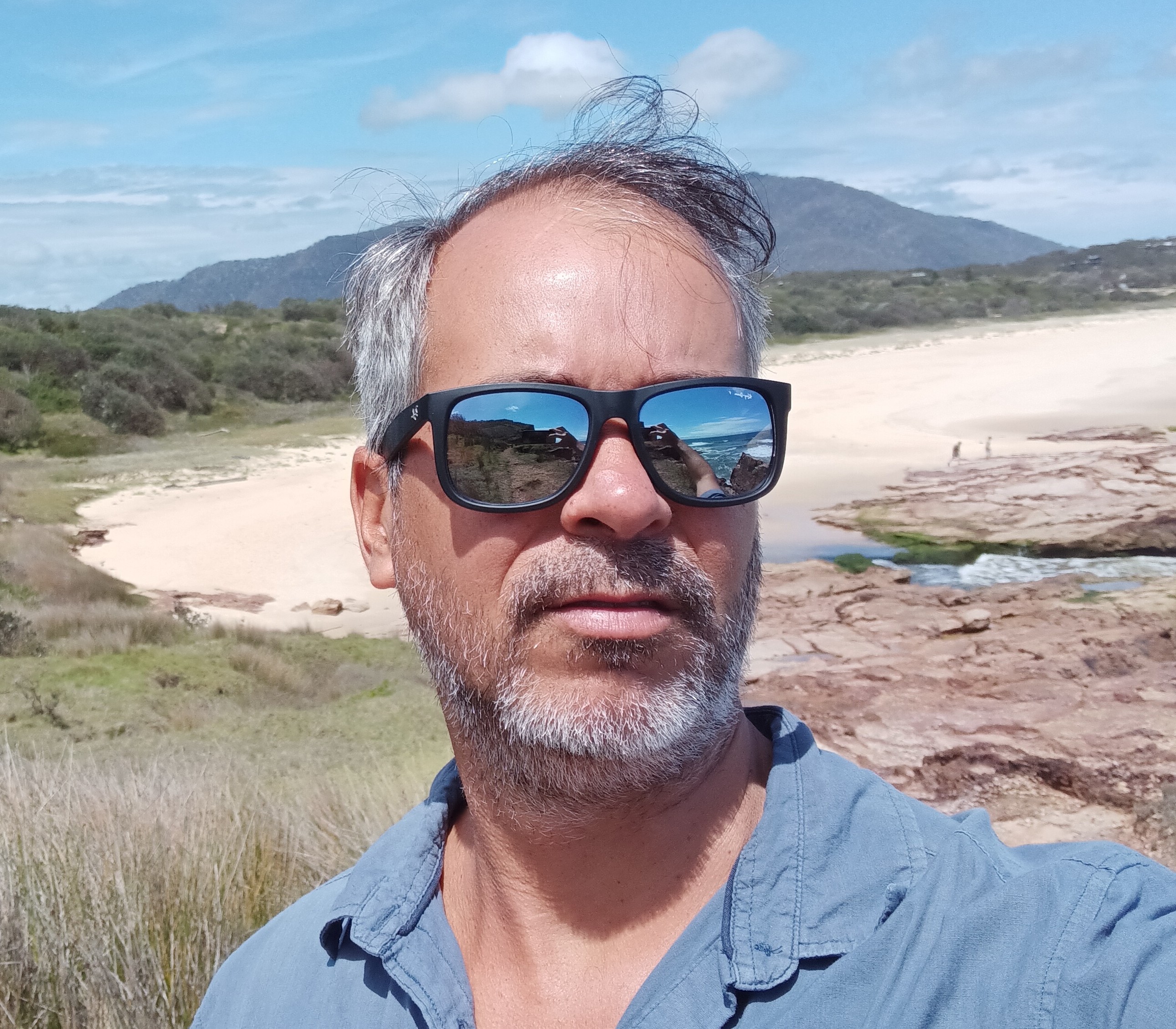
Rafael Cabral Carvalho
- Lecturer, Marine Geoscience
- rafael.cabralcarvalho@jcu.edu.au
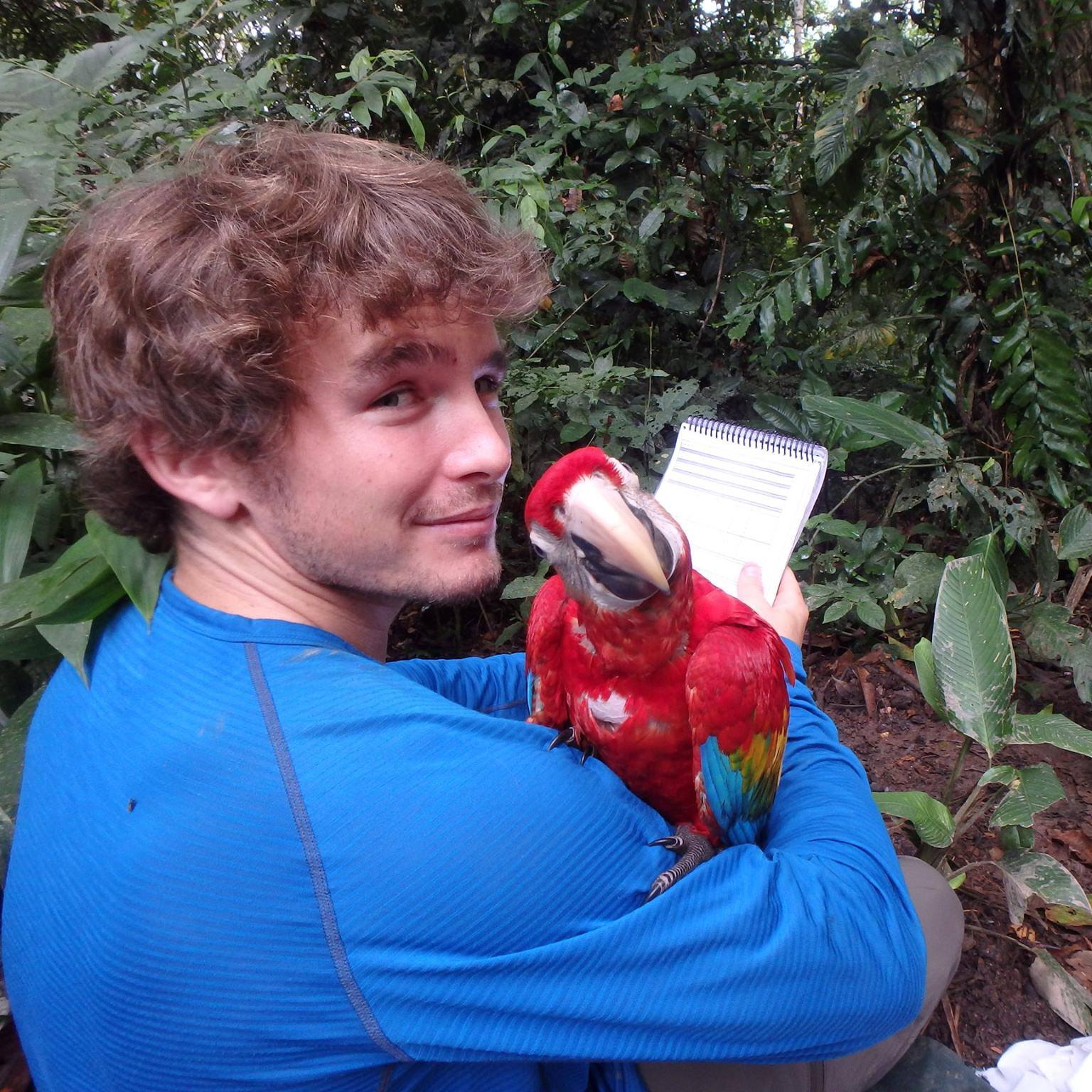
Tom Lloyd
- Postdoctoral Research Fellow, Global Ecosystems
- tom.lloyd@jcu.edu.au
ATSIMS Engaging Science Grant
The Engaging Science Grant supported the delivery of ATSIMS, providing First Nations secondary students with immersive, hands-on experiences in marine science while strengthening connections with Traditional Owners, Rangers, researchers and industry. The funding enabled students to build STEM skills, explore career pathways, and deepen their understanding of Sea Country through place-based learning.
ATSIMS U.S. Embassy Grant
In 2024, ATSIMS received funding through the U.S. Embassy Public Diplomacy Small Grants Program to strengthen Australia–U.S. collaboration in STEM education. The grant supported the participation of U.S. marine scientists and provided First Nations students with opportunities to engage with international researchers, broadening their perspectives on marine science careers and global scientific collaboration.
ATSIMS GBRF Grant
The Great Barrier Reef Foundation provided $100,000 over two years (2023–2024) to support the delivery and expansion of the ATSIMS program. The funding strengthened opportunities for First Nations students to engage with marine science, Sea Country and Traditional Owner-led learning, while enhancing program capacity, partnerships and student participation.
ATSIMS Value Add Grant - GBRF
The Great Barrier Reef Foundation provided a 2025 Value Add Grant to enhance and extend the impact of the ATSIMS program beyond its core delivery. The funding supported additional opportunities including program coordination, storytelling and communications, Traditional Owner and Ranger participation, student engagement activities, and program evaluation, strengthening the program's reach, partnerships and long-term impact.
Beyond ATSIMS incubation Grant
The WWF Australia and Vincent Fairfax Family Foundation grant supported the Beyond ATSIMS program, providing ongoing opportunities for outstanding ATSIMS alumni to continue their engagement in marine science beyond the initial program. Funding enabled mentoring, skills development, career exploration, leadership opportunities and pathways into higher education, helping students build confidence, networks and long-term participation in STEM.
ATSIMS Reef Education MoU
A three-year Memorandum of Understanding between James Cook University (ATSIMS) and the Great Barrier Reef Marine Park Authority's Reef Education Team provided $150,000 in funding ($50,000 per year) to support the ongoing delivery of ATSIMS. The partnership strengthened reef education, place-based learning and career pathways by connecting First Nations students with marine science, Sea Country and Great Barrier Reef stewardship.
Roster Modelling for FIFO in the mining, oil and gas sector using genetic algorithms and neural networks
Australia currently has approximately 130,000 Fly-In/Fly-Out (FIFO) mining workers and 70,000 construction workers nationally as at 2011 (Australian Government report, 2011). The vast majority of FIFOs are on two week rosters and 45% time at work, which equates to 10.4 million plane trips (i.e., 5.2 million return trips) per year, approximately 84,000 room nights, 250,000 meals per day and other associated supply logistics such as cleaning and administration. Currently, the systems that manage the rostering of FIFO worker's travel, accommodation, meals, cleaning and administration, have limited ability to assist with determining the most efficient roster model. A 3% waste across transport and accommodation equates to millions of dollars (e.g., approximately 300,000 flights, 2,500 rooms and 7,500 meals). Any reduction in waste would represent substantial saving. The ability to efficiently schedule resources and maintain sufficient staff coverage, rest periods etc. has the capacity to improve the productivity of FIFO enterprises. The aim of this research is to explore the use of artificial intelligence to build an optimised travel, accommodation and roster model based on varying sets of seed data and supervised and unsupervised neural network training. Neural networks can be used to optimise rosters, transport and accommodation using a subset of all required parameters. Two approaches will be investigated to determine the most effective and efficient AI model. These
Please provide a brief outline of the proposed project and deliverables
Researchers in Business Application Form v4
Page 11 of 15
include neural networks with 1) supervised training using cloud based historical data or 2) unsupervised training using Genetic algorithms. The outcome of this project will be an artificially intelligent solution to optimisation modelling of workforce logistics in the mining, oil and gas sector. The product will be an intuitive, automated roster modelling tool that will benefit Osmotion's current and future clients by offering waste reduction and economic value through optimising the FIFO roster model.
JCU-CSIRO community-led biosecurity initiative
The objective of this Project is to build on the work of the first phase project (CSIRO Ref: C043882), which engaged with Traditional Owners in the Townsville region to identify community-led projects that will aim to reduce biosecurity risks and/or impacts.
This project will recruit an Indigenous student to complete a 2 year Masters degree that will address one of the projects emerging from the phase one project (i.e. managing weeds on country) and who will be managed by Daniel Montesinos Torres and Kyana Pike. The full details of the project will be finalised upon consultation with the recruited student and the Bindal community who are participating.
A Community Research Assistant will be recruited from the Bindal Community to provide liaison and engagement between the Masters student, Dr Montesinos, Dr Pike, and the Community.
A climate-aware future for sustainable sea cucumber harvesting
This project will future-proof Australia’s sea cucumber fisheries by developing a validated national-scale species
distribution model. Using advanced remote sensing, machine learning, and the largest sea cucumber survey ever
conducted, it will generate new insights into habitat associations and population densities across Australian
waters. The expected outcome is a tool to ensure sustainable fishery practices into a changing climate. This
initiative will support conservation of these often-overlooked, threatened species while maintaining a sustainable and profitable industry. Ultimately, the project contributes to biodiversity protection and the long-term viability of sea cucumber fisheries across the entire Australian marine region.
Geoscience Outreach
This project funds a portable set of iPads to support hands-on geoscience engagement with students from primary school through to masters level. In an outreach context, the equipment enables interactive, curriculum-linked activities delivered in schools, on campus and at wider events, with a particular focus on students from rural and remote areas and low socio-economic backgrounds. Beyond outreach, the tablets support undergraduate and masters geological mapping students, who can use them for digital field mapping and data capture in place of traditional paper-based methods.
By giving students at every stage direct experience of digital geoscience tools, the project aims to build scientific literacy, confidence and aspiration towards higher education, while equipping degree-level students with industry-standard field skills.
Organic matter, sodicity and soil structure
- 1998
- Oxford University Press
- Researchers:Paul Nelson
Start Date:
10 Nov 2024
Start Date:
31 Mar 2025
Title:
Bengali
Reseracher:
Khandakar Faisal Ibn Murad
(Doctor of Philosophy (Engineering and Related Technologies))
Title:
English
Reseracher:
Khandakar Faisal Ibn Murad
(Doctor of Philosophy (Engineering and Related Technologies))
Start Date:
01 Jan 2024
Start Date:
01 Jan 2014
Start Date:
01 Jan 2024
End Date:
01 Jan 2027
Start Date:
01 Jan 2003
Title:
PhD, James Cook University
End Date:
01 Jan 2010
End Date:
01 Jan 2003