
College of Science & Engineering

Sophia Love
- Doctor of Philosophy (Natural and Physical Sciences)
- sophie.love@jcu.edu.au
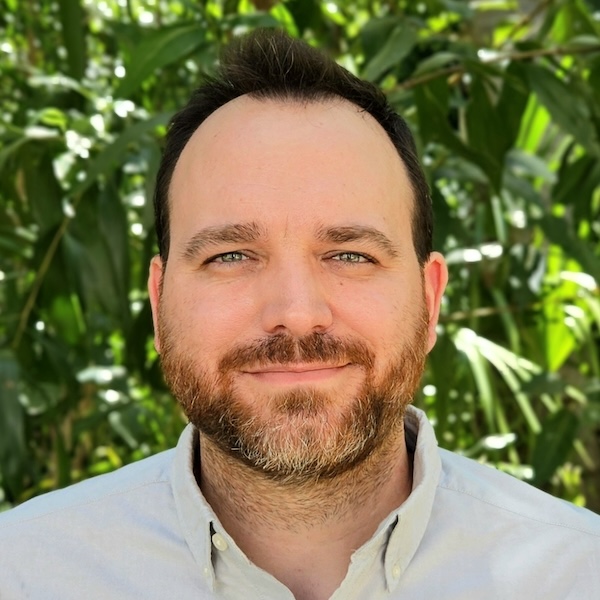
Romain Vaucher
- Senior Lecturer, Sedimentology
- romain.vaucher@jcu.edu.au

Jenny Fisher
- Associate Dean, Learning and Teaching
- jenny.fisher@jcu.edu.au

Ambili Narayanan
- Doctor of Philosophy (Natural and Physical Sciences)
- ambili.narayanan@my.jcu.edu.au

Sarfaraz Ali
- Postdoctoral Research Fellow
- sarfaraz.ali@jcu.edu.au

Mikaeylah Davidson
- Postdoctoral Research Fellow
- mikaeylah.davidson@jcu.edu.au

Liuxin Chen
- Lecturer
- liuxin.chen@jcu.edu.au
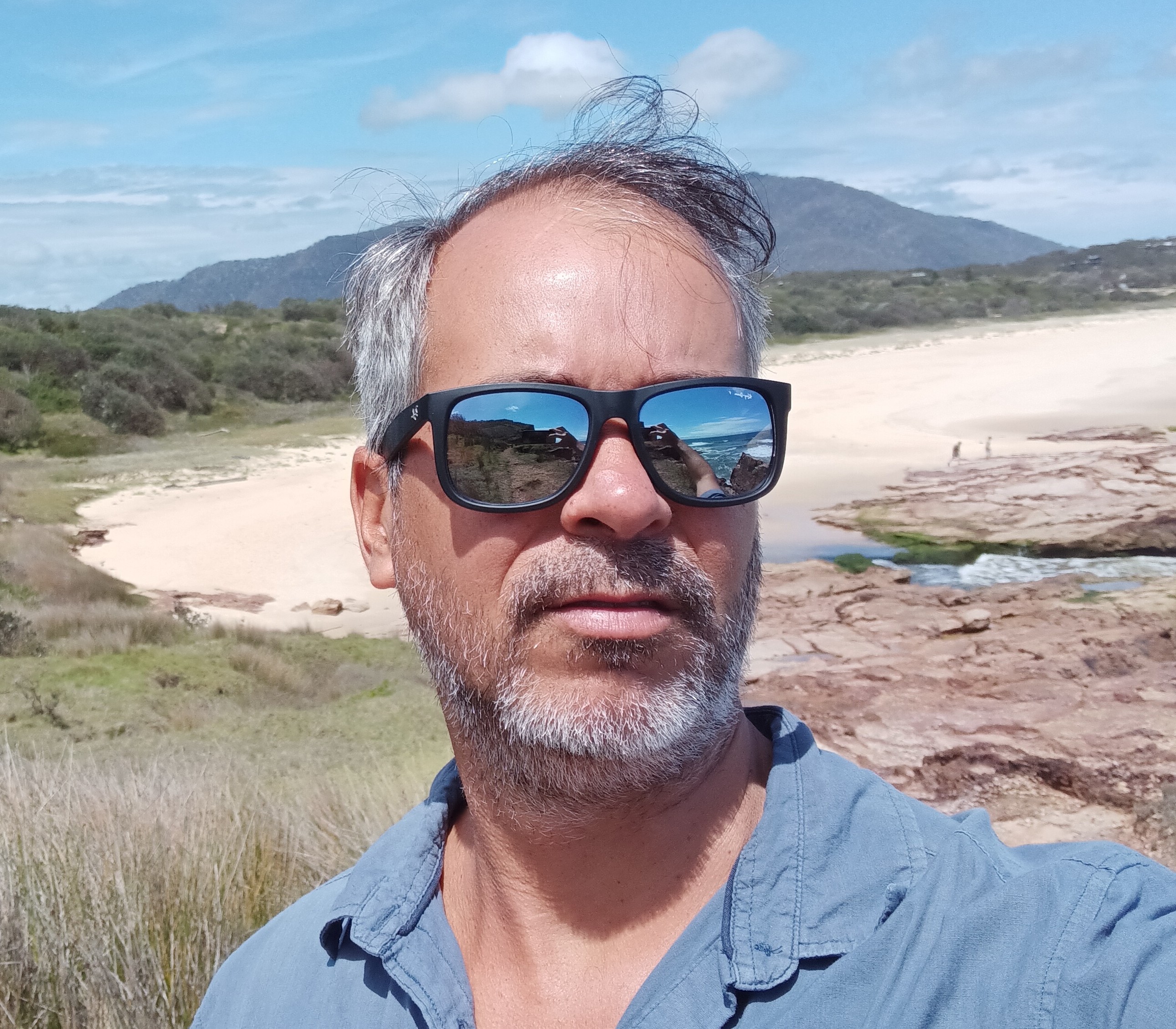
Rafael Cabral Carvalho
- Lecturer, Marine Geoscience
- rafael.cabralcarvalho@jcu.edu.au
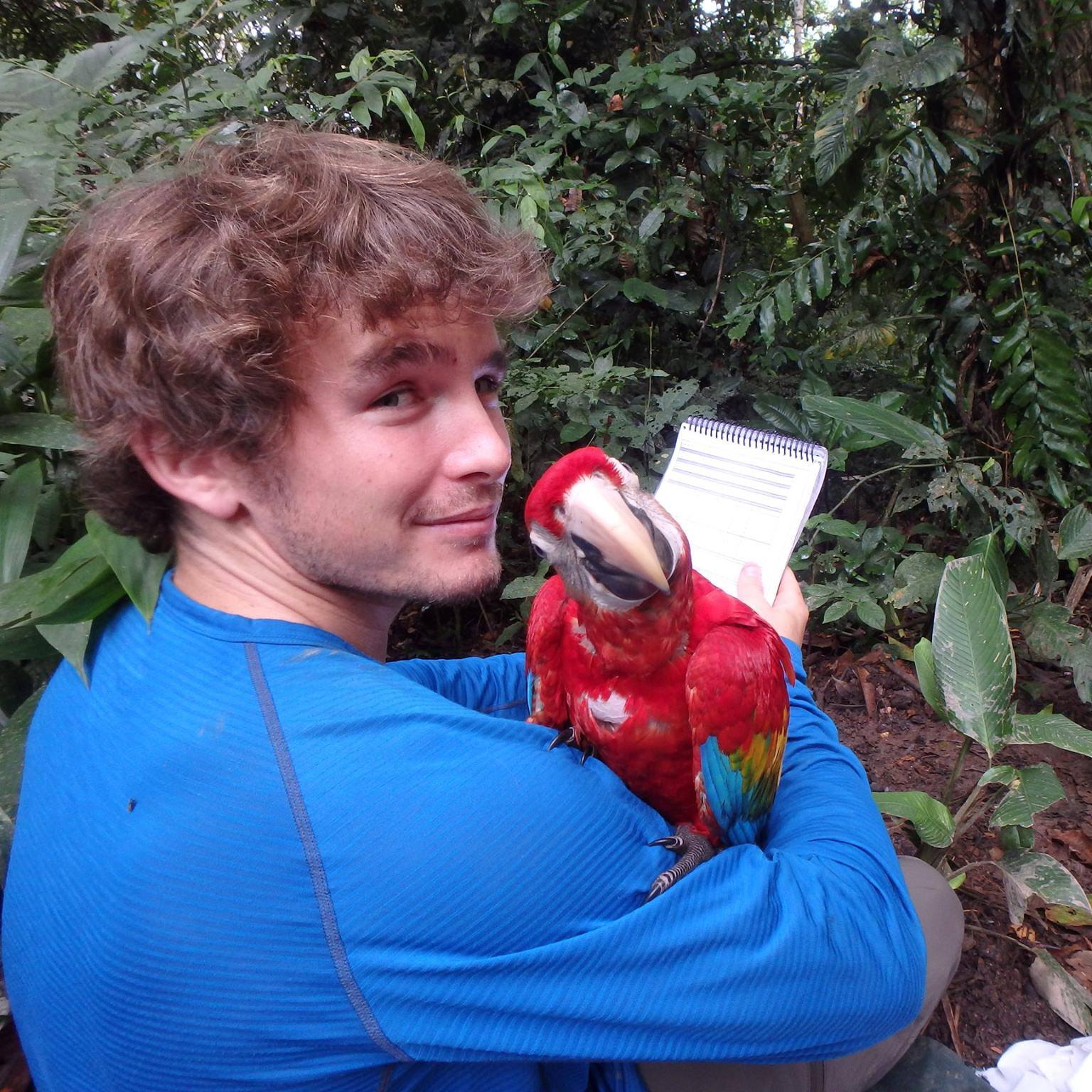
Tom Lloyd
- Postdoctoral Research Fellow, Global Ecosystems
- tom.lloyd@jcu.edu.au
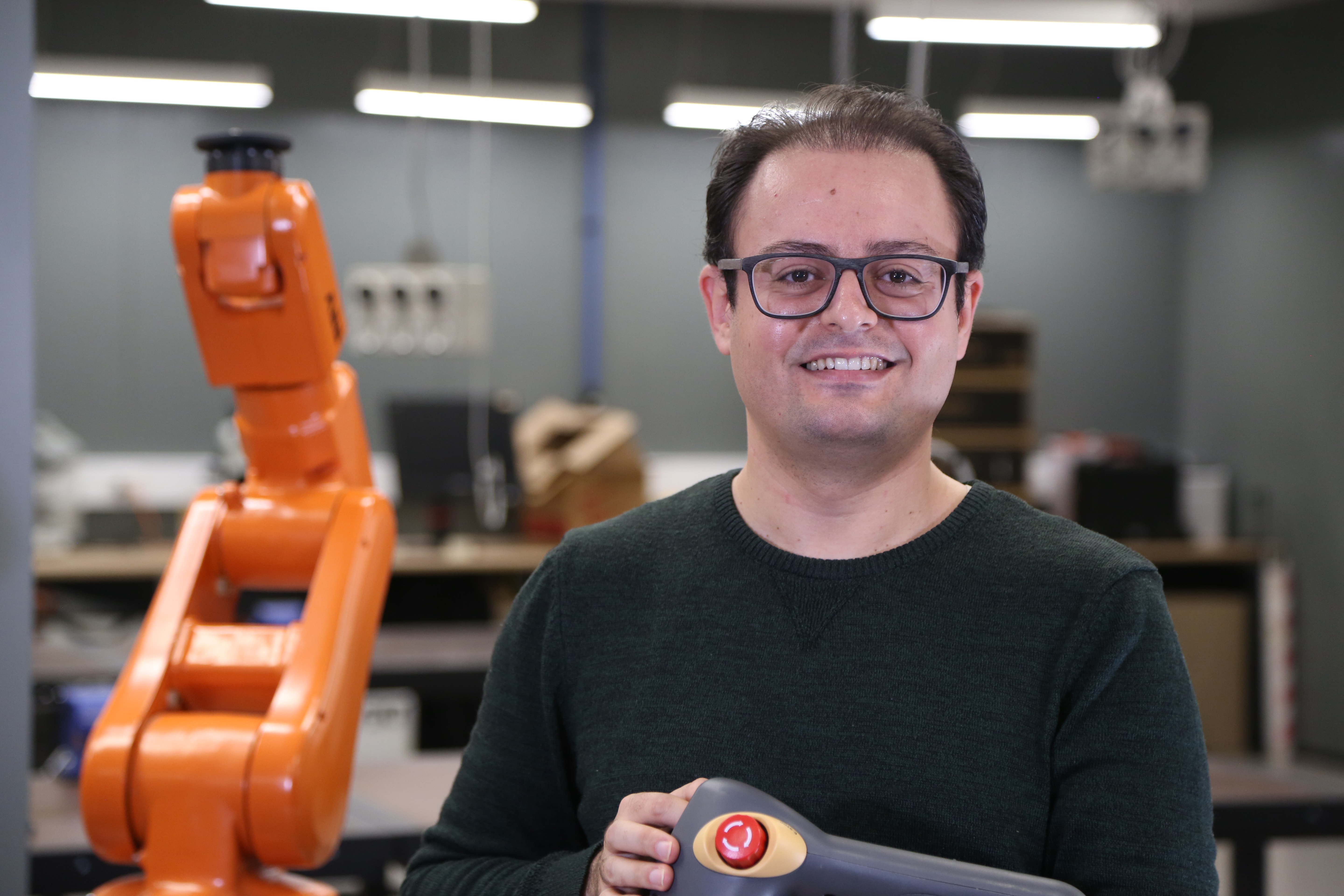
Mohamadreza Chalak Qazani
- Lecturer, Mechanical Engineering
- mohamadreza.chalakqazani@jcu.edu.au
Exploring the nexus between environment, emotion and spatial cognition: a test using Melomys cervinipes (Old ID 22683)
Tasmin Rymer
01 May 2016 - 30 Nov 2016
The loss of environmental complexity in tropical rainforests due to anthropogenic deforestation is a major threat to mammals. How an animal copes with these changes may be dependent on integrated physiological, behavioural and cognitive responses to environmental stimuli. The aim of this study is to investigate whether environmental complexity influences these responses of Malomys cervinipes. I predict that animals from complex habitats will demonstrate lowered anxiety and stress and will show enhanced learning and performance in a cognitive behavioural task. This study is the first to investigate the links between environmental complexity, physiology, behaviour and cognition in an Australian mammal.
Development of digital apps to facilitate insurance eligibility verification and post-event claim filing for Fijian homeowners - TASK 1 Design software framework and logic flow (Old ID 26517)
Bruce Belson
15 May 2019 - 30 Sep 2019
This project follows on from CTS developing a structural engineering basis for vulnerability models for different housing types in Fiji, for the World Bank and Tower Insurance. The scope covers stage 1 of a 6 stage program to develop digital applications for use by Fijian homeowners to: (a) seek eligibility for cyclone (wind damage) insurance; and (b) initiate claims post event.
Water flow ecology: How reef structure and water flow shape the world of fishes (Old ID 27855)
David Bellwood
01 Apr 2023 - 31 Mar 2026
This project aims to understand how coral reef fishes interact with their whole environment. Currently, we have some understanding of how fishes interact with the 3D reef, but not the water which flows around it. I will explore how water flow changes around a complex reef and how fishes use this flow. This project will quantify water flow on a biologically relevant scale, a scale which is often overlooked. It will provide a crucial stepping stone to further ecological research on coral reefs.
Application of a machine learning approach for effective stock management of abalone (Old ID 26742)
Ickjai Lee
24 Jul 2020 - 31 Aug 2022
Determining the number and size distribution of abalone present at various stages of production is critical information for effective stock management. Currently the Australian abalone aquaculture industry spends in the order of $25,000 per annum, per farm, gathering this information by hand. However, the resulting data is of mediocre quality, is limited in its scope, and collecting the data causes stress to the animals which can compromise growth and survival. Automated counting and measuring of abalone will increase farm efficiency and productivity in the short term and, in the longer term, will provide an advanced platform for further R&D improvements. Artificial intelligence and machine learning has now matured to a point that accurately counting and measuring abalone is possible using this approach. This project would involve the development, training and validation of a machine learning model to identify, segment and measure quantitative abalone traits in production systems, and render the product data to be accessible and applicable for farmers.
Application of a machine learning approach for effective stock management of abalone (Old ID 26742)
Kyungmi Joanne Lee
24 Jul 2020 - 31 Aug 2022
Determining the number and size distribution of abalone present at various stages of production is critical information for effective stock management. Currently the Australian abalone aquaculture industry spends in the order of $25,000 per annum, per farm, gathering this information by hand. However, the resulting data is of mediocre quality, is limited in its scope, and collecting the data causes stress to the animals which can compromise growth and survival. Automated counting and measuring of abalone will increase farm efficiency and productivity in the short term and, in the longer term, will provide an advanced platform for further R&D improvements. Artificial intelligence and machine learning has now matured to a point that accurately counting and measuring abalone is possible using this approach. This project would involve the development, training and validation of a machine learning model to identify, segment and measure quantitative abalone traits in production systems, and render the product data to be accessible and applicable for farmers.
Rehabilitating Bare Ground in the Southern Gulf Region to Improve Drought Resilience (Old ID 27902)
Paul Nelson
20 Jan 2023 - 30 Jun 2024
The project will monitor and evaluate the effectiveness of bare ground rehabilitation techniques on improving drought resilience on cattle grazing properties throughout the Southern Gulf region of north-west Queensland. Detailed on-ground measurement, coupled with remote sensing techniques, will be used to evaluate changes in soil and vegetation condition as a result of rehabilitation approaches trialled. The project will be underpinned by extensive communication and engagement activities. Ultimately, the project will deliver new knowledge to support more drought resilient, sustainable and profitable cattle production in tropical north Queensland, and other parts of northern Australia.
Asian House Gecko Research (Old ID 22520)
Megan Higgie
04 Mar 2016 - 31 Jan 2017
Research o the calling behaviour and movements of Asian House Geckos. This project will use experiments and field data to assess the determinants of calling behaviour in the Asian House Geckos. The results will be used to refine methods for detecting this invasive species. The research will also include a mark-recapture field study to understand the scalel of movements of Asian House Geckos in urban and bushland areas.
Spatially integrated Portfolio Approach to support a portfolio of livelihoods. (Old ID 27105)
Bethany Smith
01 Jun 2021 - 30 Jun 2024
The Integrated Livelihoods Approach (ILA) provides an approach to diagnose and help navigate interrelated and cumulative impacts, trade-offs and co-benefits of interacting livelihood activities occurring in spatially defined coastal areas. Participatory and interdisciplinary research, integrated governance, negotiation, trust-building, ongoing conflict management, and cross-sectoral and political engagement are central to the ILA. This project will establish the mechanisms for achieving the strengthened networks, integrated governance and policy, and improved planning required to implement an ILA in Western Province, Solomon Islands, with the potential to scale-up to other locations.
Spatially integrated Portfolio Approach to support a portfolio of livelihoods. (Old ID 27105)
Nicholas Murray
01 Jun 2021 - 30 Jun 2024
The Integrated Livelihoods Approach (ILA) provides an approach to diagnose and help navigate interrelated and cumulative impacts, trade-offs and co-benefits of interacting livelihood activities occurring in spatially defined coastal areas. Participatory and interdisciplinary research, integrated governance, negotiation, trust-building, ongoing conflict management, and cross-sectoral and political engagement are central to the ILA. This project will establish the mechanisms for achieving the strengthened networks, integrated governance and policy, and improved planning required to implement an ILA in Western Province, Solomon Islands, with the potential to scale-up to other locations.
Spatially integrated Portfolio Approach to support a portfolio of livelihoods. (Old ID 27105)
Tiffany Morrison
01 Jun 2021 - 30 Jun 2024
The Integrated Livelihoods Approach (ILA) provides an approach to diagnose and help navigate interrelated and cumulative impacts, trade-offs and co-benefits of interacting livelihood activities occurring in spatially defined coastal areas. Participatory and interdisciplinary research, integrated governance, negotiation, trust-building, ongoing conflict management, and cross-sectoral and political engagement are central to the ILA. This project will establish the mechanisms for achieving the strengthened networks, integrated governance and policy, and improved planning required to implement an ILA in Western Province, Solomon Islands, with the potential to scale-up to other locations.
Organic matter, sodicity and soil structure
- 1998
- Oxford University Press
- Researchers:Paul Nelson
Argument free clustering via boundary extraction for massive point-data Sets
- 2002
- Researchers:Ickjai Lee
Start Date:
01 Jan 2007
End Date:
01 Jan 2010
Title:
Invited Speaker at Heron8
Start Date:
01 Jan 2019
Start Date:
01 Jan 2018
Start Date:
01 Jan 2017
Start Date:
01 Jan 2017
Start Date:
01 Jan 2016
Start Date:
01 Jan 2013
Title:
RACI's O'Donnell Lecturer
Start Date:
01 Jan 2015
Start Date:
01 Jan 2014
Title:
SCMB Emerging Researcher
Start Date:
01 Jan 2010