
College of Science & Engineering

Sophia Love
- Doctor of Philosophy (Natural and Physical Sciences)
- sophie.love@jcu.edu.au
Elle Robertson
- Doctor of Philosophy (Agriculture, Environmental and Related Studies)
- elle.robertson@jcu.edu.au
Romain Vaucher
- Senior Lecturer, Sedimentology
- romain.vaucher@jcu.edu.au

Jenny Fisher
- Associate Dean, Learning and Teaching
- jenny.fisher@jcu.edu.au

Ambili Narayanan
- Doctor of Philosophy (Natural and Physical Sciences)
- ambili.narayanan@my.jcu.edu.au

Sarfaraz Ali
- Postdoctoral Research Fellow
- sarfaraz.ali@jcu.edu.au
Mikaeylah Davidson
- Postdoctoral Research Fellow
- mikaeylah.davidson@jcu.edu.au
Liuxin Chen
- Lecturer
- liuxin.chen@jcu.edu.au
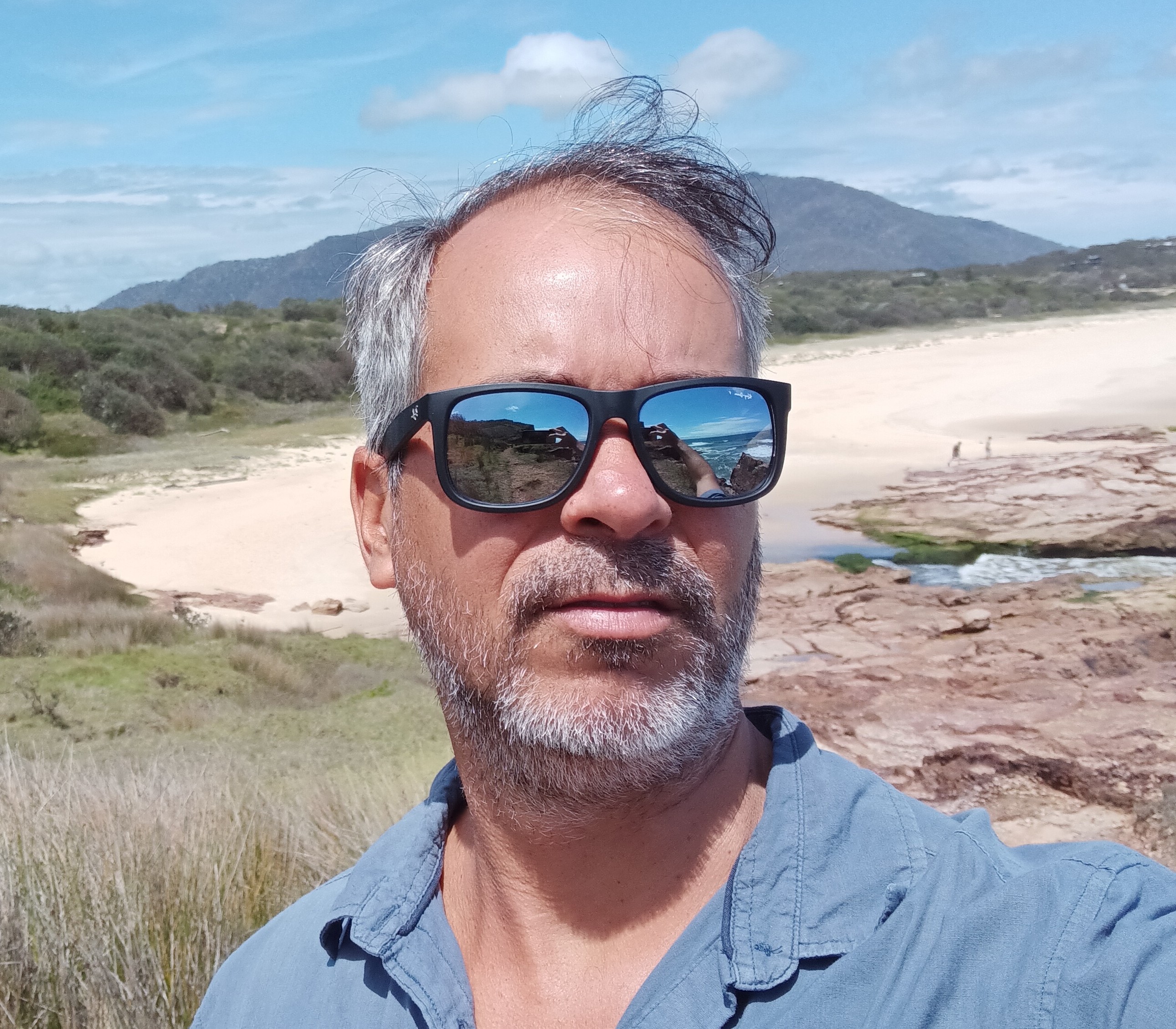
Rafael Cabral Carvalho
- Lecturer, Marine Geoscience
- rafael.cabralcarvalho@jcu.edu.au
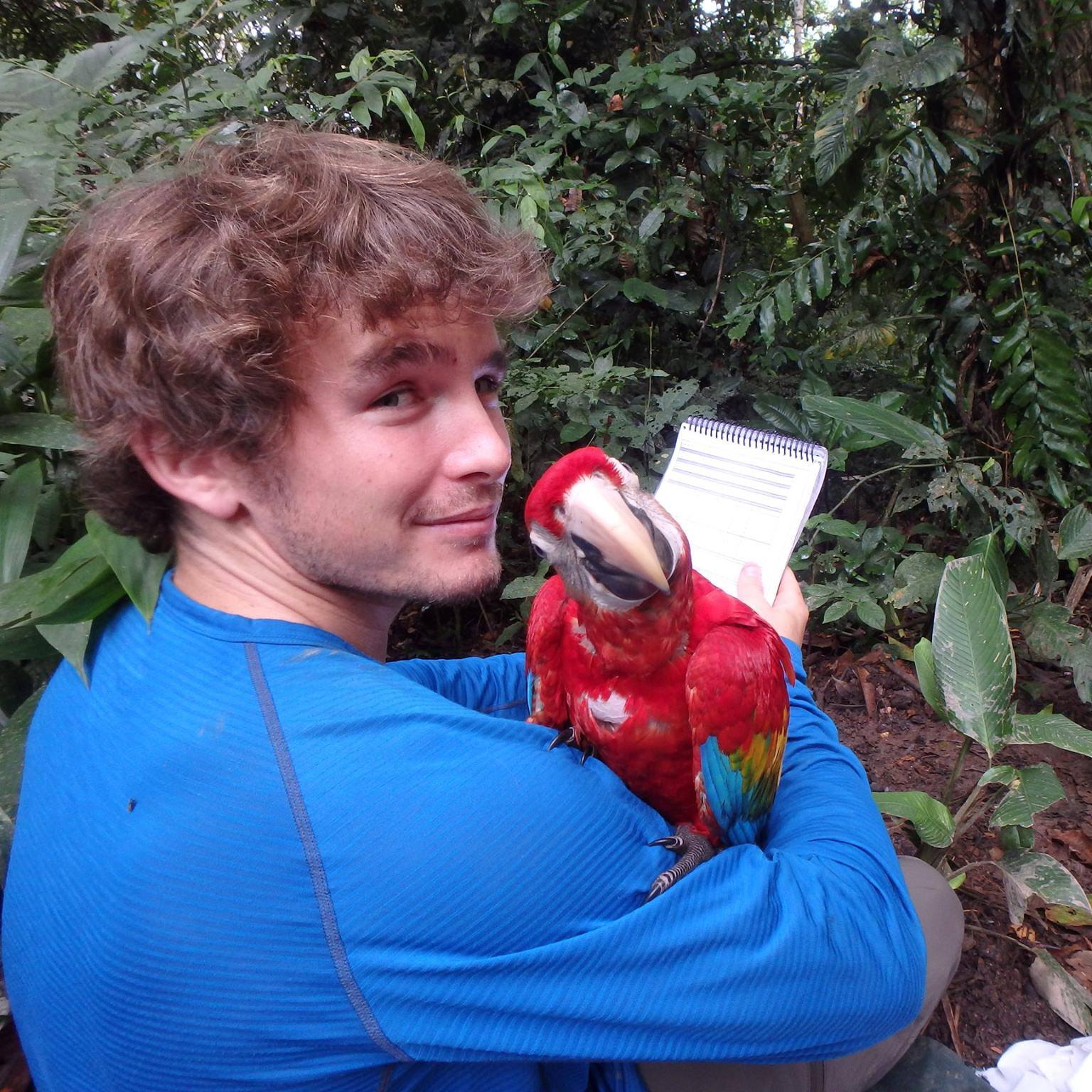
Tom Lloyd
- Postdoctoral Research Fellow, Global Ecosystems
- tom.lloyd@jcu.edu.au
SENSOR-Q: Sensor data solutions (Old ID 21566)
The SENSOR-Q project brings together world leading technology from industry and academia - data management and analytics expertise from CoastalCOMS (CCOMS), telemetry solutions from Taggle Systems and sensor expertise from James Cook University (JCU), in order to develop a unique end-to-end water monitoring, analysis and management solution for Townsville City Council (TCC). The SENSOR-Q project combines a multi disciplinary collaborative team that aims to create an integrated data collection, storage, analysis and visualisation platform that can be implemented across a variety of applications and industry sectors, and so enable Queensland to more effectively participate in the big data economy.
Mitigation of Losses in Community from Extreme Wind Events (Old ID 23175)
The objective of the project is to investigate and inform on aspects of building codes/standards and implementation to mitigate losses from extreme wind events including Cyclones.
Prototype of a Cost Effective Thermal Energy Storage System for Air-conditioning Photovoltaic-Powered Homes
This project addresses the critical issue of intermittency in solar energy generation by proposing an innovative solution that combines energy storage with air conditioning demand to achieve net zero emission in hot but solar energy abundant Northern Queensland with the construction and research of the prototype of a cost effective thermal energy storage system for air-conditioning photovoltaic-powered homes. This prototype could significantly enhance the viability of solar energy as a primary power source for households and building complexes, contributing to the long-term sustainability and resilience of tropical regions in the face of escalating energy requirements and climate change.
Sea cucumber bioinformatic services to Tasmanian Seafoods Pty Ltd.
The sandfish, (Holothuria scabra) is a highly prized seafood, otherwise known as sea cucumber, trepang or Bech-de-mer. Sea cucumbers have traditionally been harvested across northern Australia by Macassan fishermen since the 1700s and the fishery was likely an important source of trade for Aboriginal groups across the north. Today, Tasmanian Seafoods Pty Ltd is the largest producer of sea cucumber products in Australia and is investing in ways
to sustainably increase production. One such strategy involves release of cultured juveniles into the wild. This project will use population genetics to assess the effectiveness of this approach. In addition, Tasmanian Seafoods Pty Ltd in conjunction with DPIRD WA isinterested to investigate stock structure of Holothuria scabra. This is required in order to obtain Marine Stewardship Council certification of the fishery.
Age or Experience? Studying a problem of problem solving using a native Australian rodent (Old ID 26573)
We know surprisingly little about how animals gain their abilities to solve problems and what this means for their survival. Without understanding this, we cannot accurately predict whether species will have the capacity to cope with increasing problems associated with environmental change. I will investigate how individuals acquire their problem solving abilities (age- or experience-dependent). These data are important to help us understand how animals develop their problem solving abilities, how these abilities change over time, and if animals can use these abilities to cope with environmental change.
Climate Vulnerability Index Vega
Climate change poses an existential threat to global heritage. With rising sea-levels, more extreme weather events and aridification, the extensive impacts of climate are evident at heritage sites globally and the pace of this change is startling. In most parts of the world the rate of loss is exceeding adaptive capacity and this deficit is only getting worse. Decisions on conservation and preservation begin with a detailed understanding of a place's vulnerability. The choices made will directly impact that ability to effectively integrate the goals of safeguarding heritage, adapting and mitigating climate change, and driving sustainable development. This project will apply the Climate Vulnerability Index process to assess the vulnerability of the Vegaoyen – The Vega Archipelago World Heritage property and its associated communities. There is an urgent need to assess climate vulnerability using community-based methodologies to inform actions taken by decision makers.
Can the epaulette shark 'outwalk' climate change
By simulating various ocean warming conditions within aquarium settings, I have been using cross-disciplinary tools in physiology, genetics, and biomechanics as a proverbial crystal ball to understanding how geographically distinct populations of epaulette sharks will respond to both chronic and acute ocean warming. My project aims to examine the mechanistic underpinnings of physiological performance through epigenetics as it relates to metabolism, and how genes are up/down regulated to influence these performance biomarkers under future warming scenarios across the Great Barrier Reef. If we can gain a fundamental understanding of the performance mechanisms that contribute to resilience and susceptibility of shark and ray species to climate change stressors, we can utilize findings of this research on the epaulette shark as a comparative baseline for other similar species to allow for enhanced conservation measures.
Optimising Transmission Grid Planning and Operations in North Queensland
The power sector is transitioning from fossil fuels to renewables, emphasizing decentralized systems. Meeting rising renewable energy demands necessitates enhanced operational flexibility. This project focuses on optimizing planning and operations for transmission grids, particularly in North Queensland. The goal is to boost overall power system efficiency by intelligently integrating renewables. Anticipated outcomes include cost-effective planning, flexible grid operations, advanced forecasting, renewables integration modeling, and improved Distributed Energy Resources (DER) visibility. These achievements align with Powerlink's contributions to the Queensland Energy and Jobs Plan and the transformative Copper String Project, aiming to provide clean, reliable, and affordable energy for generations.
Optimising Transmission Grid Planning and Operations in North Queensland
The power sector is transitioning from fossil fuels to renewables, emphasizing decentralized systems. Meeting rising renewable energy demands necessitates enhanced operational flexibility. This project focuses on optimizing planning and operations for transmission grids, particularly in North Queensland. The goal is to boost overall power system efficiency by intelligently integrating renewables. Anticipated outcomes include cost-effective planning, flexible grid operations, advanced forecasting, renewables integration modeling, and improved Distributed Energy Resources (DER) visibility. These achievements align with Powerlink's contributions to the Queensland Energy and Jobs Plan and the transformative Copper String Project, aiming to provide clean, reliable, and affordable energy for generations.
NESP 4.24 - Towards assessing the values of reefs in the southern Gulf of Carpentaria
In this project, existing data and knowledge on reefs in the Gulf of Carpentaria Marine Park and surrounding waters will be compiled and anaysed with the aim of identifying knowledge gaps and providing recommendations for future research priorities. The Gulf of Carpentaria Marine Park, adjacent to the Wellesley Islands, was only recently declared, in 2013. The marine park has National Park and Special Purpose (Trawl) zones that support commercial prawn fisheries, and it is culturally important for the Lardil, Yangkaal, Kaiadlit, and Gangalidda people who have responsibilities for sea country there. The marine park is due for renewal by 2028. The coral reefs in this area were only recently discovered, in the early 2000s, and they remain poorly studies. Only a few reefs have been assessed ecologically, and even then, only briefly. The main source of ecological data is from a citizen science program, Reef Life Survey, where volunteer divers are trained to conduct visual surveys. Using this data, and through meetings/workshops with relevant scientific, management, industry and Indigenous authorities, we will examine what is known about the reefs in this area and their values.
Site characterisation for residential slabs and footings - Australian practice
- 2020
- Taylor & Francis
- Researchers:Siva Sivakugan
Pan-cancer analysis of whole genomes
- 2020
- Nature Publishing Group
- Researchers:Matt Field
Start Date:
01 Jan 2025
Start Date:
01 Jan 1996
End Date:
01 Jan 2000
Start Date:
01 Jan 2022
Start Date:
01 Jan 1996
End Date:
01 Jan 2000
Start Date:
01 Jan 2020
End Date:
01 Jan 2025
Start Date:
01 Jan 2024
Start Date:
01 Jan 2024
Start Date:
01 Jan 2025
Start Date:
01 Jan 2016
Start Date:
01 Jan 2022