
College of Science & Engineering

Sophia Love
- Doctor of Philosophy (Natural and Physical Sciences)
- sophie.love@jcu.edu.au
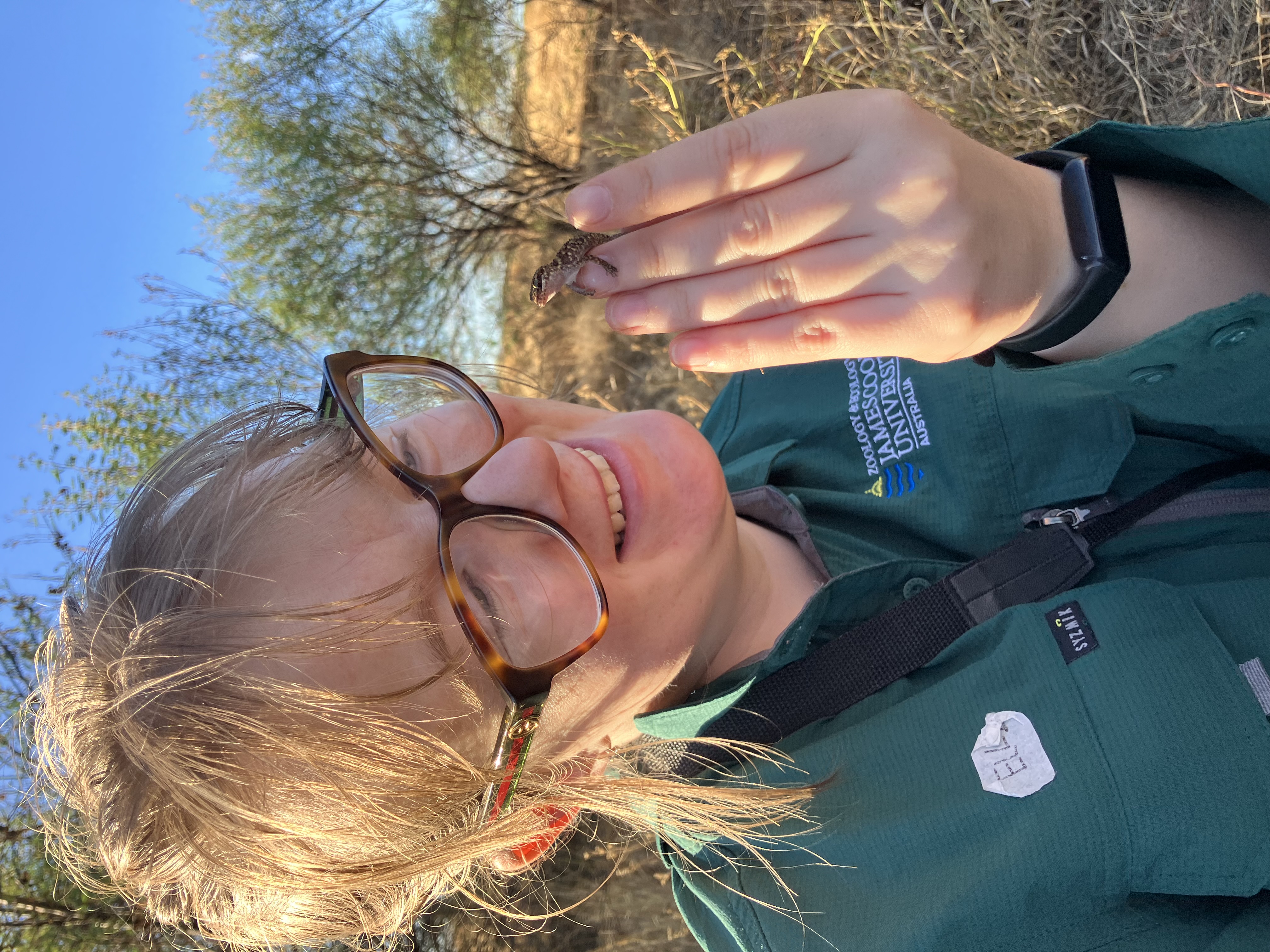
Elle Robertson
- Doctor of Philosophy (Agriculture, Environmental and Related Studies)
- elle.robertson@jcu.edu.au
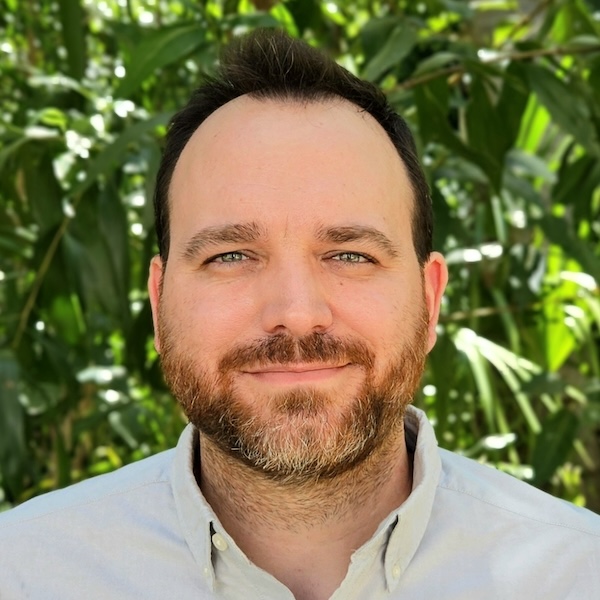
Romain Vaucher
- Senior Lecturer, Sedimentology
- romain.vaucher@jcu.edu.au

Jenny Fisher
- Associate Dean, Learning and Teaching
- jenny.fisher@jcu.edu.au

Ambili Narayanan
- Doctor of Philosophy (Natural and Physical Sciences)
- ambili.narayanan@my.jcu.edu.au

Sarfaraz Ali
- Postdoctoral Research Fellow
- sarfaraz.ali@jcu.edu.au

Mikaeylah Davidson
- Postdoctoral Research Fellow
- mikaeylah.davidson@jcu.edu.au
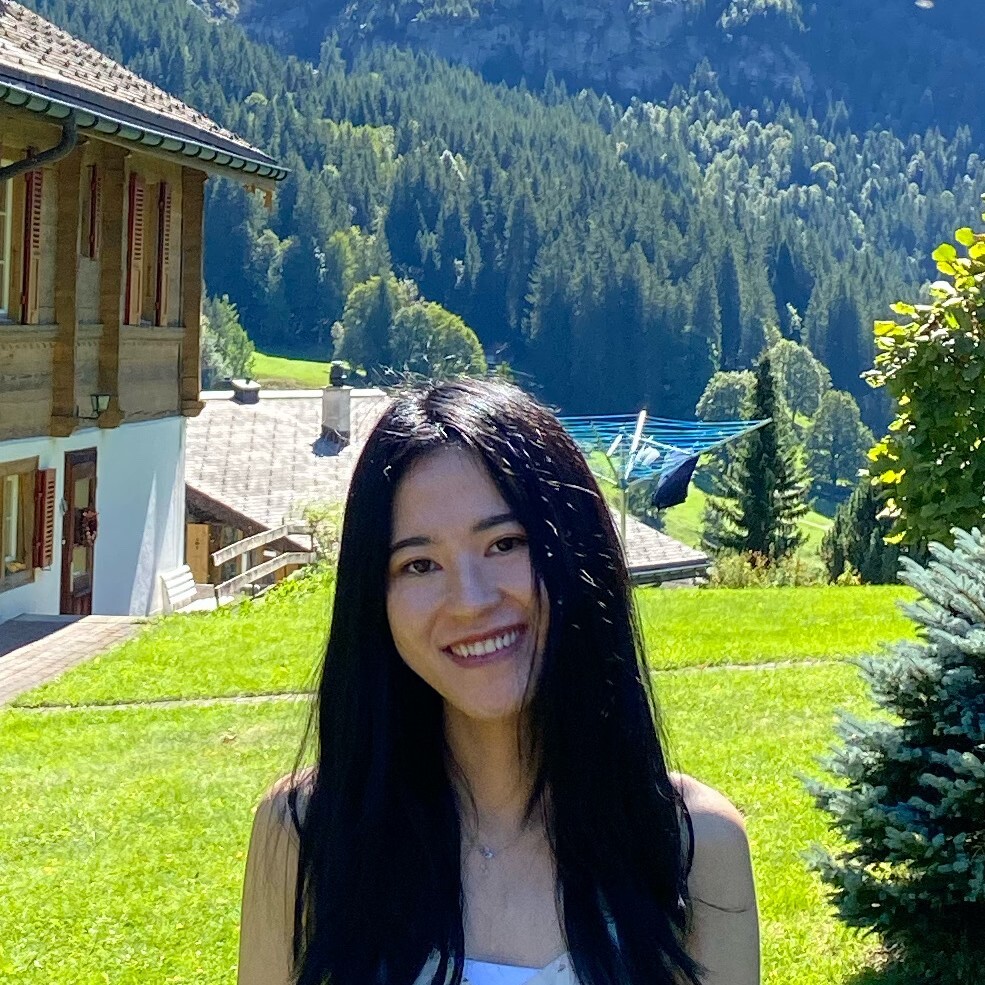
Liuxin Chen
- Lecturer
- liuxin.chen@jcu.edu.au
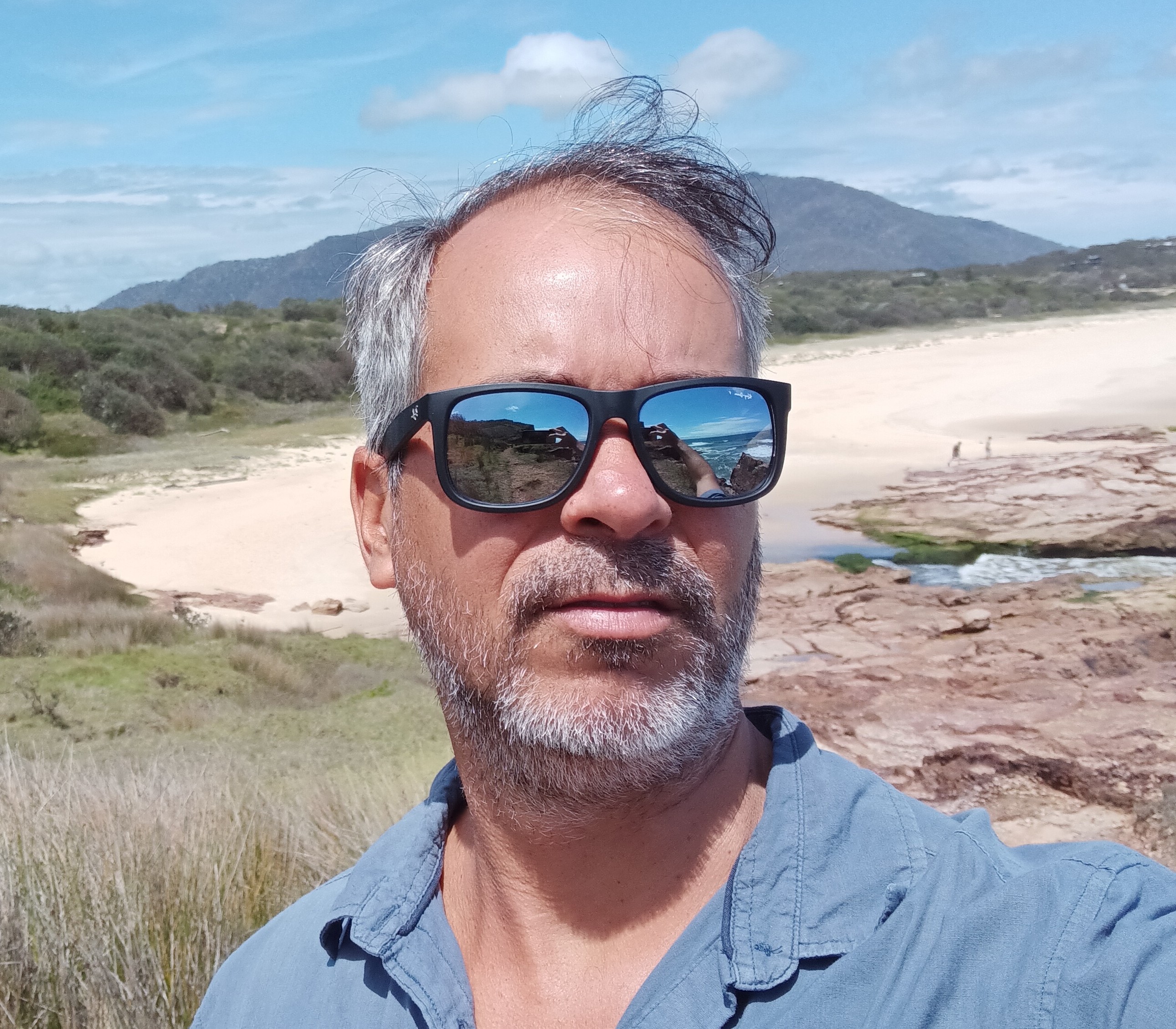
Rafael Cabral Carvalho
- Lecturer, Marine Geoscience
- rafael.cabralcarvalho@jcu.edu.au
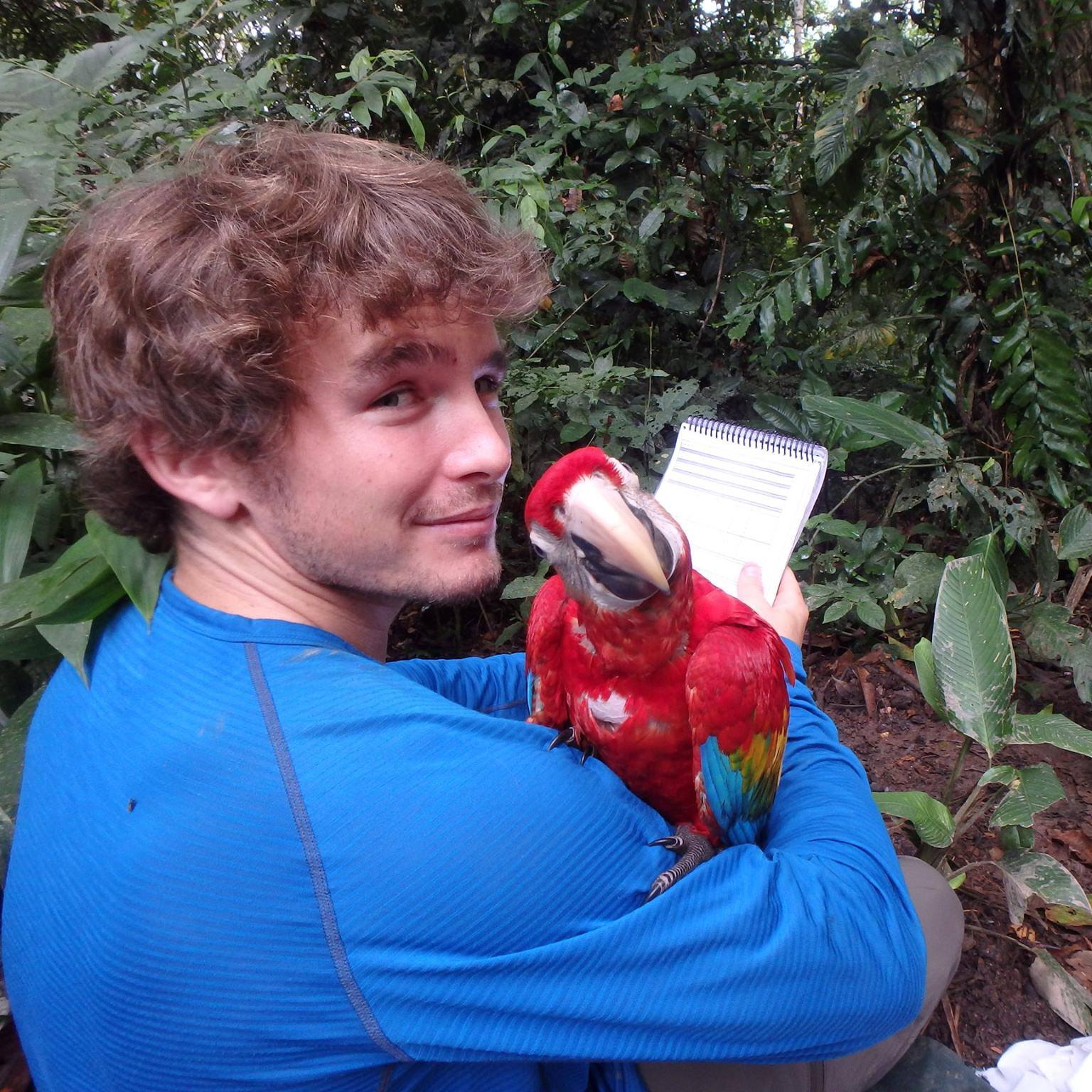
Tom Lloyd
- Postdoctoral Research Fellow, Global Ecosystems
- tom.lloyd@jcu.edu.au
Mitigation of Losses in Qld from Extreme Wind Events (Old ID 24934)
The objective of the project is to investigate and inform on aspects of building doles/standards and implementation to mitigate losses from extreme win events including Cyclones.
Understanding the ecological significance of fisheries-dolphin interactions along the Sindhudurg coast in Maharashtra, India. (Old ID 26602)
I aim to study the ecological significance of interactions between coastal fisheries and Indian Ocean humpback dolphins (Sousa plumbea) along the Sindhudurg coast of Maharashtra, India. I will use a multi-methods approach to record dolphin foraging behaviour and fisher perceptions towards their operational interactions with dolphins. This study will provide key insights on dolphin foraging strategies, space-use and the impact of dolphin interactions on the socio-economics of coastal fisheries to inform a holistic and inclusive conservation management strategy for S. plumbea. This project will be the first in India, to understand how dolphins survive and adapt to a fishery-dominated landscape.
Monitoring of avian influenza in samples collected from aquatic birds in North Queensland (Old ID 26870)
At least 576 fresh faecal samples from wild ducks and magpie geese will be collected as environmental samples in the Townsville region. Swabs in transport media and immediately transported to the laboratory. Samples will be pooled and nucleic acid extracted. The extracted nucleic acid will be screened using assays based on TaqMan that will detect avian influenza. Pools that react will be individually extracted and tested. Avian influenza isolates will be checked using TaqMan specific for H5 and H7. Should the samples react in these assays it will be sent to AAHL for further testing and the CVO will be notified. Sequencing on all isolates other than those reacting in H5 and H7 will be carried out to determine genotype and to confirm pathotype.
Ecological Impact of Antibiotic Resistance Released from the Cleveland Bay Purification Plant using Marine Turtle Species (Old ID 26730)
Cleveland Bay is a grazing ground for turtle species. Cleveland Bay Purification plant (CBPP) treats waste that may contain a variety of antibiotics. This study aims to determine the prevalence and distribution patterns of antibiotic resistant genes in the CBPP effluent and in the immediate receiving environment. Marine turtles in Cleveland Bay will be used to determine the localized impacts of both antibiotics and antibiotic resistant genes as compared to resident turtles from a pristine environment. This study will provide valuable insight into the direct effect that antibiotics and ARG’s in WWTP effluent have on ecological health and ecological risk.
Investigating the pitfalls of bee hotels (Old ID 30046)
Concern for bees among the public has led to the augmentation of habitat for bees including the addition of bee hotels. Bee hotels are often claimed to increase bee diversity and abundance. However, they artificially aggregate nesting sites above densities naturally available for bees, which could lead to increased prevalence of pathogens, viruses and parasitism, and higher predation rates. Properly controlled experiments to investigate these threats are limited, and none have been conducted in the tropics. This project investigates whether the density of nesting spaces in bee hotels affects predation rates and pathogen and parasite prevalence in cavity nesting bees.
Investigating the pitfalls of bee hotels (Old ID 30046)
Concern for bees among the public has led to the augmentation of habitat for bees including the addition of bee hotels. Bee hotels are often claimed to increase bee diversity and abundance. However, they artificially aggregate nesting sites above densities naturally available for bees, which could lead to increased prevalence of pathogens, viruses and parasitism, and higher predation rates. Properly controlled experiments to investigate these threats are limited, and none have been conducted in the tropics. This project investigates whether the density of nesting spaces in bee hotels affects predation rates and pathogen and parasite prevalence in cavity nesting bees.
Geological characteristics, genesis and ore controlling factors of the Tick Hill Au deposit, Dajarra District, NW Queensland, Australia (Old ID 24727)
The project aims to: 1. investigate and document the geological and geochemical features of the Tick Hill gold deposit, including understanding the structural evolution lmagmaticl history, alteration style andl mineralisation; 2. classify the deposit and improve the understanding of the genesis; 3. identify the factors controlling the locationh and formation of the deposits such as structural architecture, controls of host rocks and intrusions; and 4. discover lmineralogical, textural and geochemical zoning patterns that could gbe used as vectors to ore. A geological model will be developedfor use in exploration targeting.
Integrating climate adaptation into rainforest restoration (Old ID 27288)
Rainforest restoration aims to develop self-sustaining ecosystems, resilient to the potential negative effects of climate change. Key to this is identifying the physiological limitations and adaptive capacity of woody tree species used in revegetation plantings. Recent, albeit limited, research suggests that across species higher leaf thermal tolerance could be an adaptation to leaf temperature extremes. To improve our understanding on how tropical tree species will respond to current and future warming we need accurate estimates of leaf temperature extremes, as well as research into within-species variation in leaf thermal tolerance. I will address these knowledge gaps by combining measurements of leaf thermal tolerance and functional traits across a species distribution, with leaf energy balance modelling paramaterised during glasshouse experiments and field campaigns. These findings will aid in identifying vulnerable populations to climate change which will inform conservation and restoration efforts.
Enhancing AI detection of dugong and other marine megafauna species (Old ID 30032)
Standardised aerial surveys have been conducted across northern Australia for over three decades to monitor dugong populations. JCU is currently monitoring dugongs across the entire eastern Queensland coast using conventional observer survey approach. In parallel to the monitoring work, JCU is experimenting the use of aerial images to conduct these large scales surveys. Preliminary results from the image processing work reveals that substantial efforts need to be put in to streamline and fast-track the processing of large image datasets to make imagery survey a cost-effective approach in the future. An AI for detecting dugongs is available but was developed based on images collected in Western Australian waters, a different habitat compared to eastern Queensland inshore waters. Preliminary tests ran by our team suggest that the current AI requires additional research work to improve its level of precision while other competitive AIs also need to be investigated. Upon completion of our tests, our team will outline steps toward the improvement of the current AI and/or exploration of alternative methods with the end goal of producing an automated approach that fast-tracks the processing of large image datasets collected during large-scale marine wildlife surveys.
Going feral: The colonisation of natural environments by Asian house geckos (Old ID 21725)
Asian house geckos (Hemidactylus frenatus) were accidentally introduced to Australia in the 1960s and are now common across the tropics. They commonly establish in towns, leading to the belief that this introduced species is benign. However, surveys conducted in the Townsville region revealed high-density populations of Asian house geckos in natural environments. This is very concerning given that Australia is a global centre of gecko diversity and endemism. My project will investigate the extent of Asian house gecko invasion in natural environments and highlight factors that might contribute to this range expansion.
Population productivity of shovelnose rays: inferring the potential for recovery
- 2019
- Public Library of Science
- Researchers:Colin Simpfendorfer
Returning a lost process by reintroducing a locally extinct digging marsupial
- 2019
- PeerJ, Ltd.
- Researchers:Iain Gordon
Securing a just space for small-scale fisheries in the blue economy
- 2019
- Frontiers Research Foundation
- Researchers:Terry Hughes
Toward a coordinated global observing system for seagrasses and marine macroalgae
- 2019
- Frontiers Research Foundation
- Researchers:Helene MarshLen McKenzie
Animal-borne telemetry: an integral component of the ocean observing toolkit
- 2019
- Frontiers Research Foundation
- Researchers:Colin Simpfendorfer
Start Date:
01 Jan 2019
End Date:
01 Jan 2025
Start Date:
01 Jan 2012
End Date:
01 Jan 2016
Title:
AUGEN committee
Start Date:
01 Jan 2021
Start Date:
01 Jan 2018
End Date:
01 Jan 2022
Start Date:
01 Jan 2021
End Date:
01 Jan 2024
Start Date:
01 Jan 2023
Start Date:
01 Jan 2023
Start Date:
01 Jan 2022
Start Date:
01 Jan 2007