
College of Science & Engineering

Sophia Love
- Doctor of Philosophy (Natural and Physical Sciences)
- sophie.love@jcu.edu.au
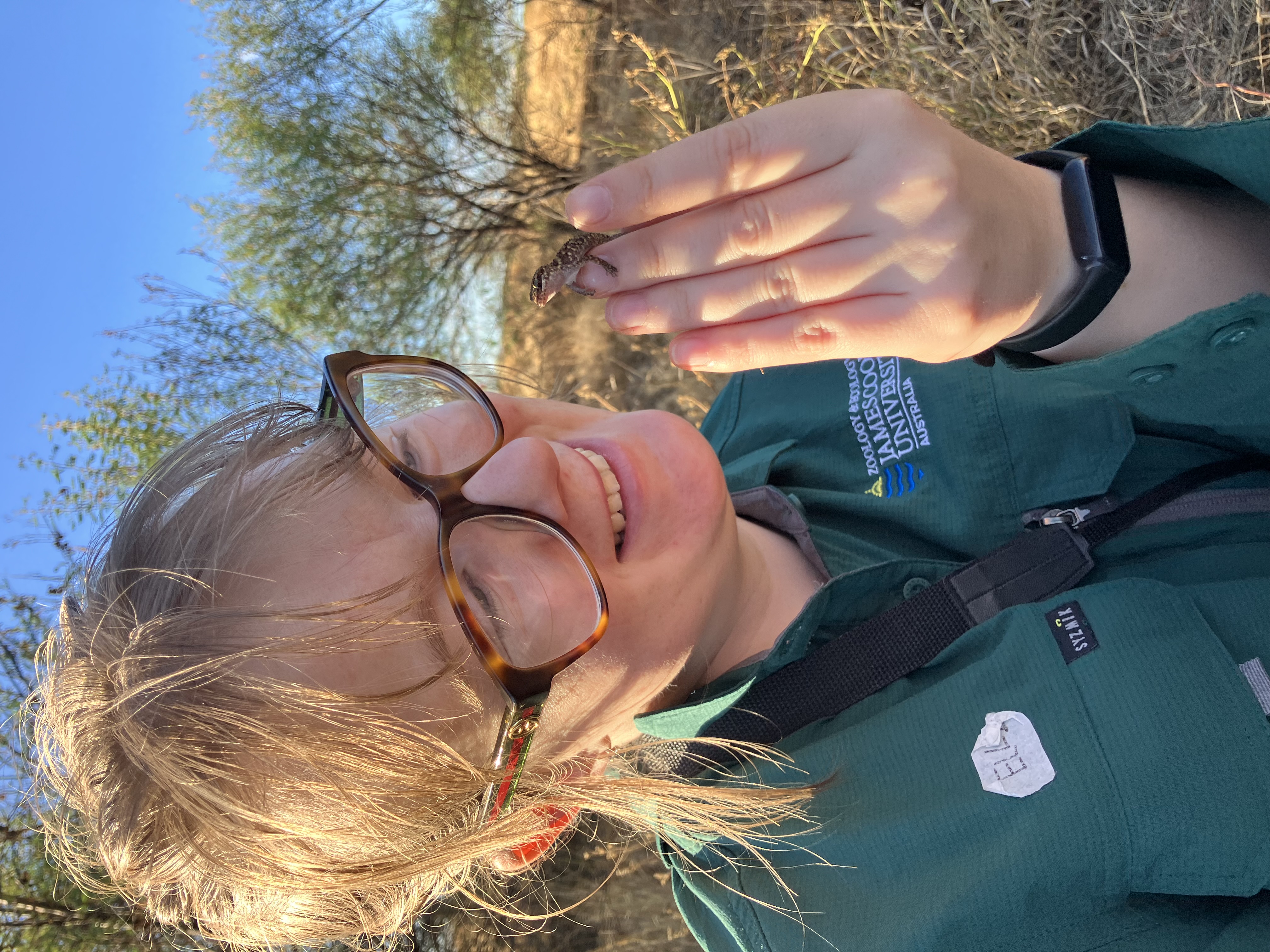
Elle Robertson
- Doctor of Philosophy (Agriculture, Environmental and Related Studies)
- elle.robertson@jcu.edu.au
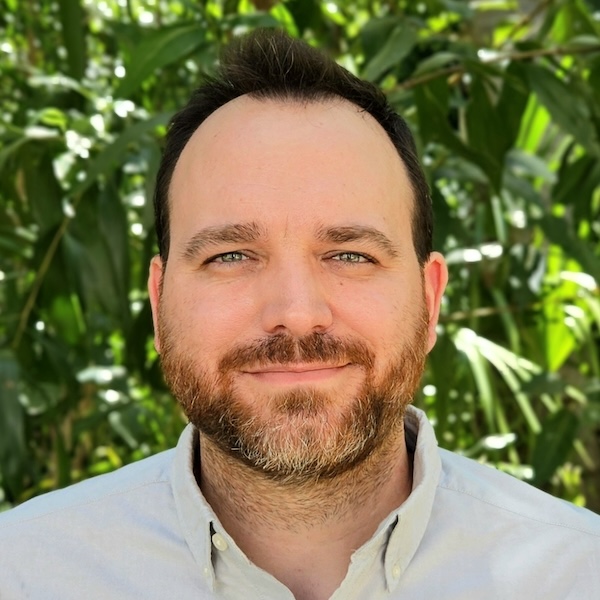
Romain Vaucher
- Senior Lecturer, Sedimentology
- romain.vaucher@jcu.edu.au
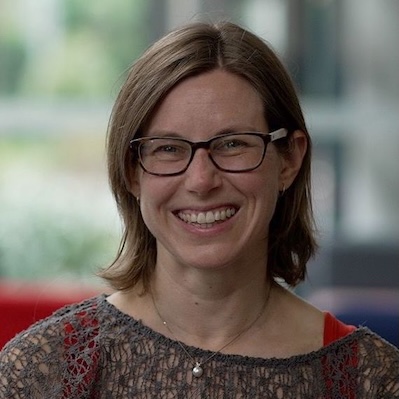
Jenny Fisher
- Associate Dean, Learning and Teaching
- jenny.fisher@jcu.edu.au

Ambili Narayanan
- Doctor of Philosophy (Natural and Physical Sciences)
- ambili.narayanan@my.jcu.edu.au

Sarfaraz Ali
- Postdoctoral Research Fellow
- sarfaraz.ali@jcu.edu.au
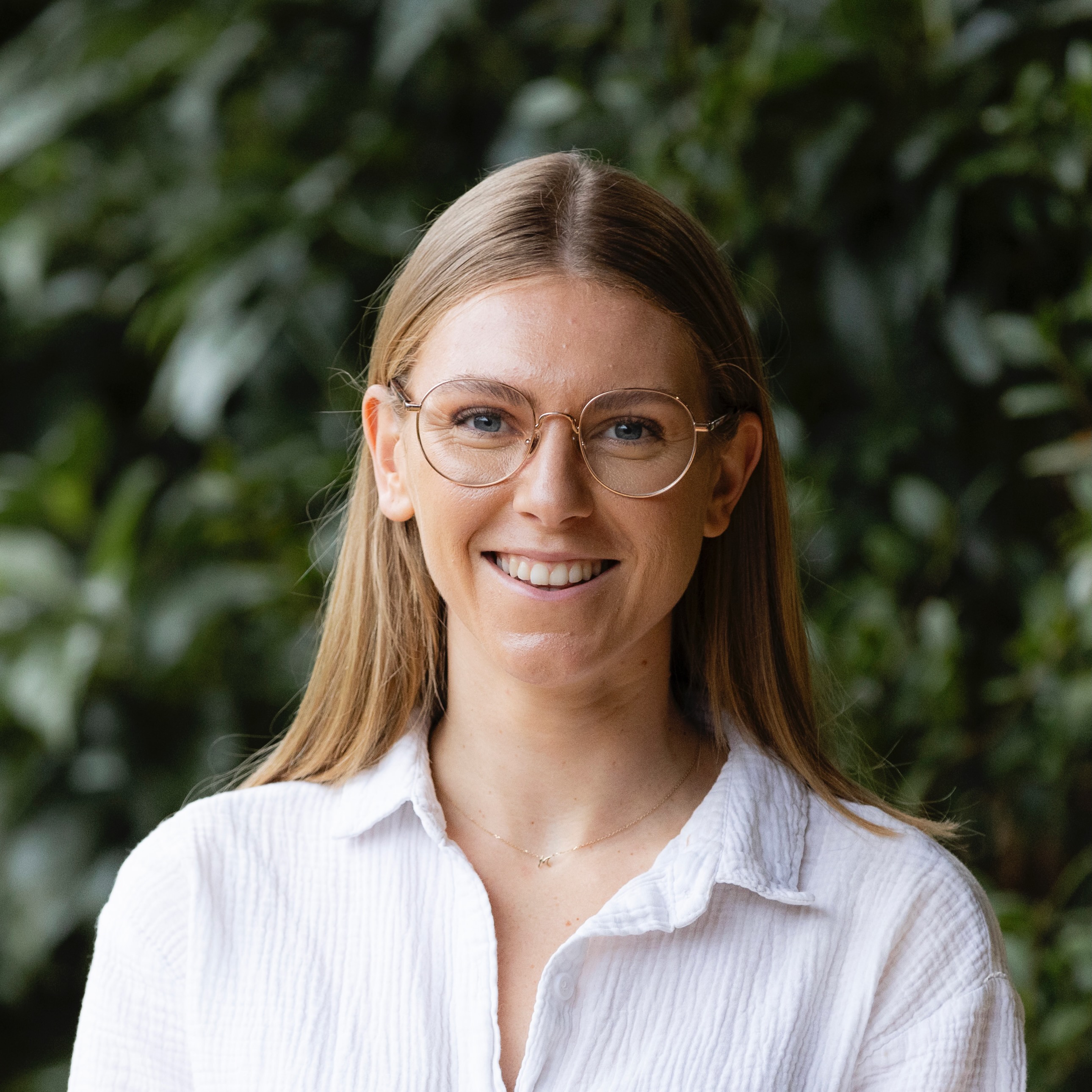
Mikaeylah Davidson
- Postdoctoral Research Fellow
- mikaeylah.davidson@jcu.edu.au
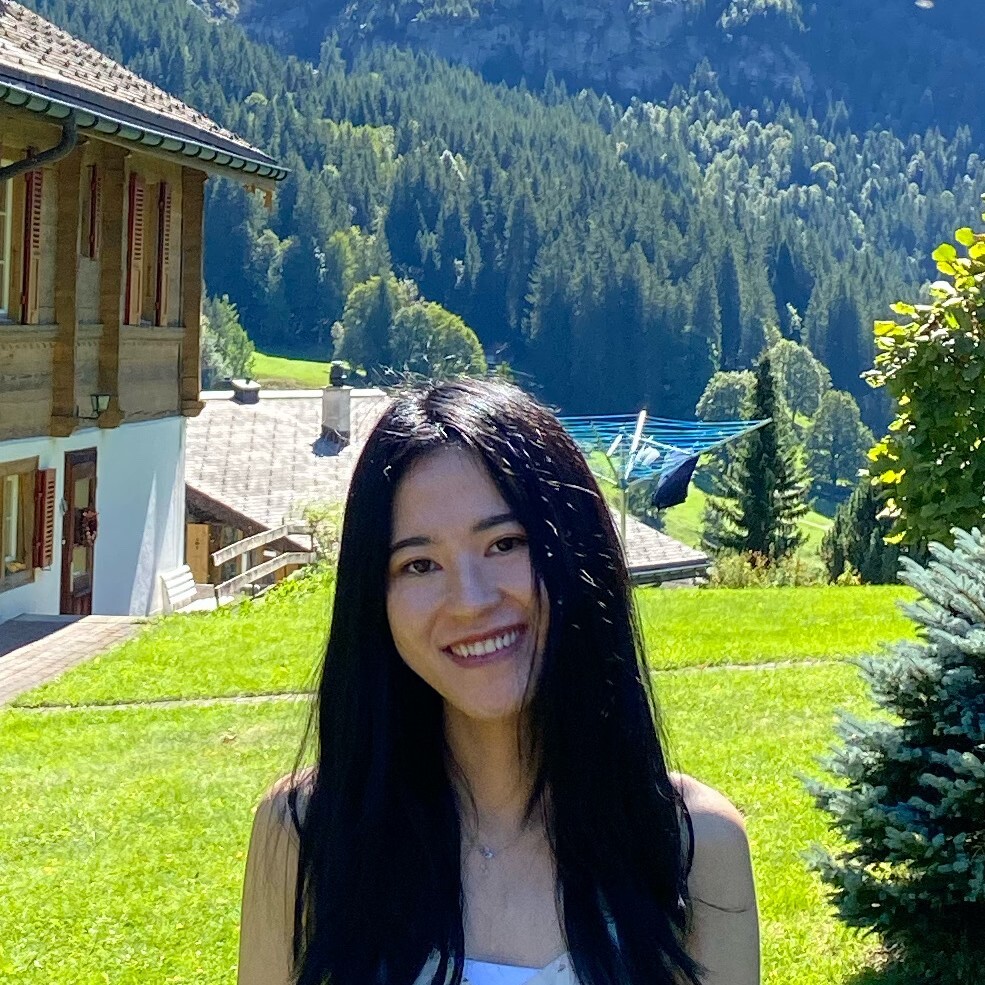
Liuxin Chen
- Lecturer
- liuxin.chen@jcu.edu.au
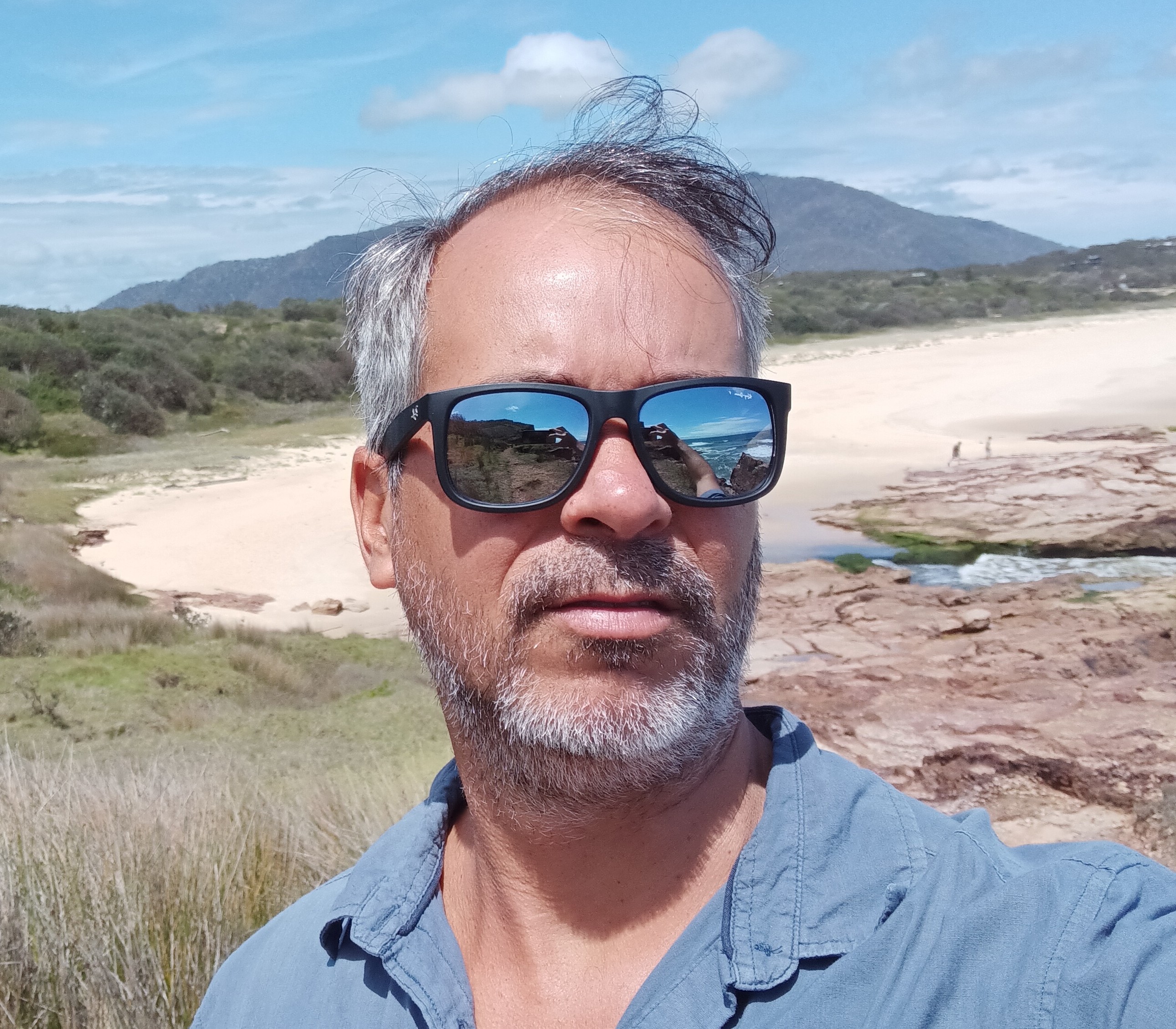
Rafael Cabral Carvalho
- Lecturer, Marine Geoscience
- rafael.cabralcarvalho@jcu.edu.au
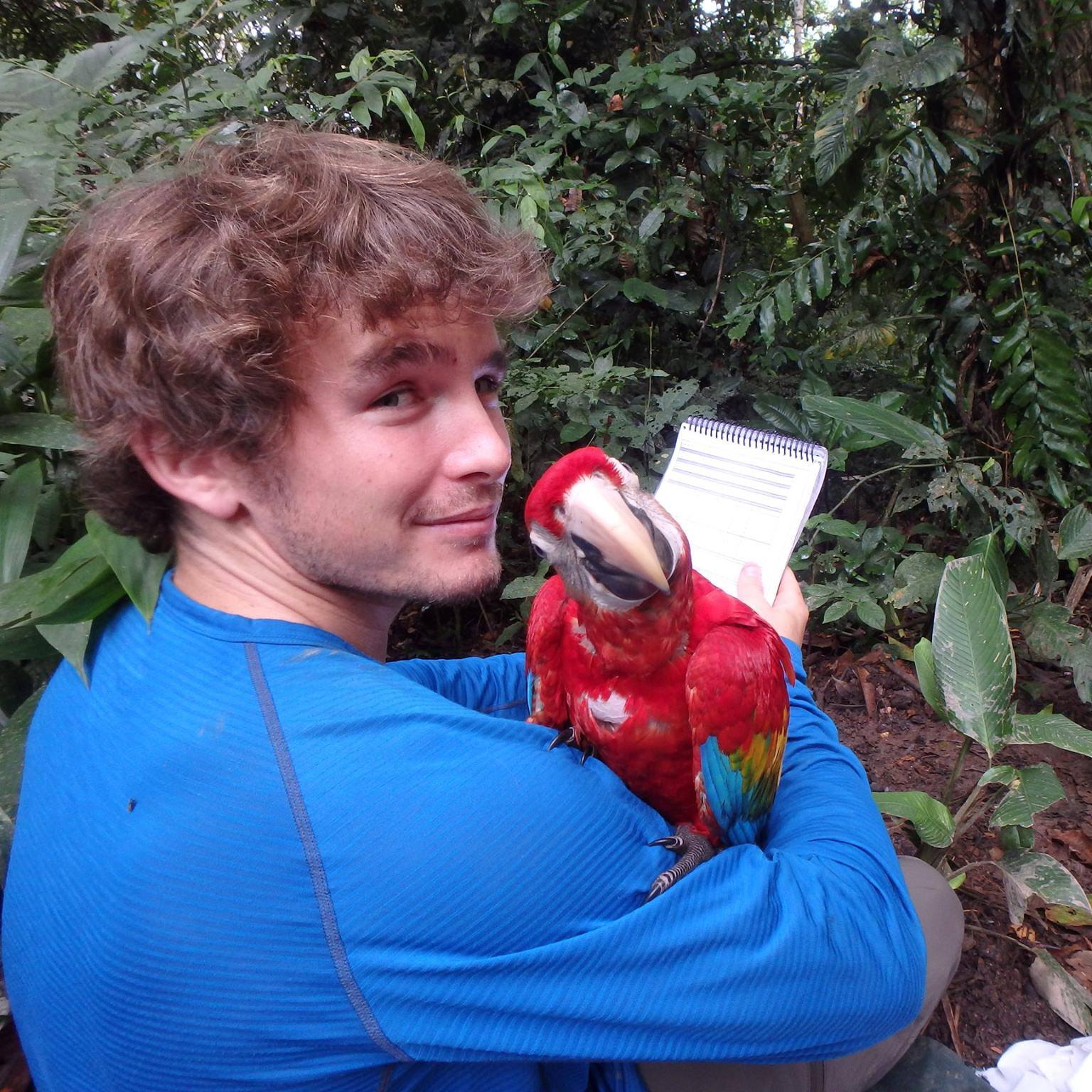
Tom Lloyd
- Postdoctoral Research Fellow, Global Ecosystems
- tom.lloyd@jcu.edu.au
Corrosion inhibitors for Prochem Haulage (Old ID 26710)
This project will implement a new anti-corrosion system at mining sites coordinated by Prochem Haulage
Application of a machine learning approach for effective stock management of abalone (Old ID 26742)
Determining the number and size distribution of abalone present at various stages of production is critical information for effective stock management. Currently the Australian abalone aquaculture industry spends in the order of $25,000 per annum, per farm, gathering this information by hand. However, the resulting data is of mediocre quality, is limited in its scope, and collecting the data causes stress to the animals which can compromise growth and survival. Automated counting and measuring of abalone will increase farm efficiency and productivity in the short term and, in the longer term, will provide an advanced platform for further R&D improvements. Artificial intelligence and machine learning has now matured to a point that accurately counting and measuring abalone is possible using this approach. This project would involve the development, training and validation of a machine learning model to identify, segment and measure quantitative abalone traits in production systems, and render the product data to be accessible and applicable for farmers.
Timing of Geological Events at Mt Clark Breccia Complex - Honours Project. (Old ID 27184)
The proposed Honours project will attempt to establish a relative timing of geological events at the Mt Clark breccia complex by defining of a sequence of geological and hydrothermal events. This should include the characterization of alteration mineralogy and metal zonation within the project area and defining the sequence in which hydrothermal events (veins, breccias and intrusions) occurred. The work should integrate field and drill core observations, sample analysis and any other required methods to produce a paragenetic sequence of events that led to gold mineralisation at the Mt Clark project.
Mapping Australia’s saltmarsh ecosystems for the blue carbon method (Old ID 27282)
This project aims to progress our ability to develop nationwide, highly accurate maps of the distribution of saltmarsh ecosystems. Saltmarshes are important for maintaining biodiversity, nutrient removal, carbon sequestration and storm protection, but there is a severe lack of knowledge regarding their spatial distribution and change in Australia. This project will (i) develop a set of occurrence records that are suitable to deploy as training and validation data in a recently developed Landsat-based classification model of coastal ecosystems (Global Intertidal Change, by CI Murray), (ii) adapt the Global Intertidal Change model developed by CI Murray to Australia’s saltmarsh ecosystems and (iii) consult with a UNSW-based software engineer to port the Global Intertidal Change model to Australia’s national research infrastructure (Digital Earth Australia). Ultimately this work will underpin Australia’s first wall-to-wall to maps of saltmarsh ecosystems. Key benefits to the end-user include convening a community of coastal ecosystem experts to support a sustained national effort to map saltmarshes and compiling disparate information sources on saltmarsh distributions into a single national dataset.
Can species interactions drive diversification? (Old ID 20158)
How new species arise from an existing species remains a fundamental question in evolutionary biology. Particularly intriguing is the widely-observed pattern that related species, in some cases highly speciose groups, often differ primarily in mating traits. Understanding the processes that generate mating trait divergence among populations therefore lies at the core of speciation research. I will examine how male signals and female mating preferences for male signals evolve due to species interactions among a closely related species group, the Drosophila serrata species complex, which co-occur in the rainforests of northeast Queensland. Using laboratory experiments, I will test whether species interactions can drive diversification.
Microwave Assisted Pyrolysis of Biosolids (Old ID 20736)
This project will be a scoping study of the application of microwave energy for pyrolytic decomposition and chemical and nutrient recovery from biosolids and food processing waste streams. By using the collaborative expertise and facilities of a number of research institutions, the following objectives are embodied in this project: 1) Perform a detailed investigation of the existing knowledge in this area of study and thus formulate techniques to bridge the knowledge gap; 2) Perform microwave assisted characterization of biosolid materials; 3) Design and fabrication of a 3 kW microwave assisted pyrolysis system; 4) Perform a chemical and nutritional content study of the pyrolytic products; 5) Compare the operational economics and products of microwave-assisted pyrolysis with those of conventional high temperature pyrolytic processes.
Gamba Grass Effects on Savanna Carbon and Fire (Old ID 22227)
To provide soil analysis and data.
Asian House Gecko Research (Old ID 22520)
Research o the calling behaviour and movements of Asian House Geckos. This project will use experiments and field data to assess the determinants of calling behaviour in the Asian House Geckos. The results will be used to refine methods for detecting this invasive species. The research will also include a mark-recapture field study to understand the scalel of movements of Asian House Geckos in urban and bushland areas.
A smartphone-based decision tool to stimulate cyclone mitigation. (Old ID 22537)
Issues surrounding losses to the community from cyclone damage and associated premium affordability in Queensland have been highlighted with the advent of the Northern Australia Insurance Premiums Taskforce, a Productivity Commission review and a number of Australian Government Actuary reports. Their findings based on consultation with communities, governments and industry show benefits to be achieved from mitigation (e.g., to improve structural aspects of buildings to reduce damage from future severe wind events). The goal of this project is to develop and actionable, research-based approach to mitigation in Queensland and other wind-prone regions of Australia. However, engineering solutions to vulnerability are only effective if widely implemented, requiring an appreciation of factors that homeowners reflect on when considering mitigation. Therefore, this project will also identify drivers of homeowner engagement. Coupling engineering analysis with effective methods of incentivising homeowner engagement, a vehicle for risk communication will be developed in the form of a mobile application. An alpha version of the decision-support tool will be constructed and tested for effectiveness. The benefits to Queensland include simulation of mitigation action among homeowners, reduction of loss and suffering from severe wind events and insurance premium reductions from enhanced housing resilience.
Norfolk Island baseline reef health assessment (Old ID 26821)
Conduct baseline benthic community and coral health surveys (condition and resilience) at Emily Bay/Slaughter Bay and Ball Bay to investigate the structure and health of coral communities.
Pan-cancer analysis of whole genomes
- 2020
- Nature Publishing Group
- Researchers:Matt Field
Structural changes to the uterus of the dwarf ornate wobbegong shark (Orectolobus ornatus) during pregnancy
- 2020
- Wiley-Blackwell
- Researchers:Colin Simpfendorfer
Investigating the identification of atypical sugarcane using NIR analysis of online mill data
- 2020
- Elsevier BV
- Researchers:Justin SextonYvette EveringhamRon White
End Date:
01 Jan 2013
Title:
Membership in Veterinary Pathology, The Australian and New Zealand College of Veterinary Scientists
End Date:
01 Jan 2021
Start Date:
01 Jan 2022
Reseracher:
Stephanie Baker
(Senior Lecturer, Electronic Systems and Internet of Things Engineering)
Start Date:
01 Jan 2012
End Date:
01 Jan 2016
Start Date:
01 Jan 2016
Reseracher:
Stephanie Baker
(Senior Lecturer, Electronic Systems and Internet of Things Engineering)
Start Date:
01 Jan 2017
End Date:
01 Jan 2021
Start Date:
01 Jan 2006
End Date:
01 Jan 2009
Start Date:
01 Jan 2022
End Date:
01 Jan 2022
Start Date:
01 Jan 2024
End Date:
01 Jan 2024