
College of Science & Engineering

Sophia Love
- Doctor of Philosophy (Natural and Physical Sciences)
- sophie.love@jcu.edu.au
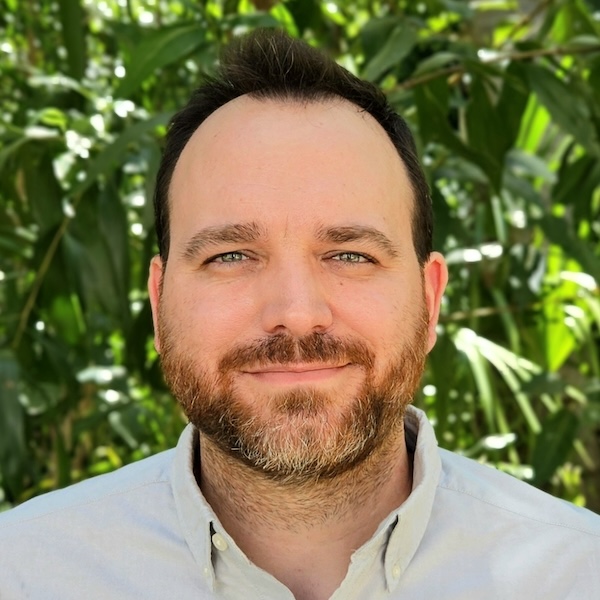
Romain Vaucher
- Senior Lecturer, Sedimentology
- romain.vaucher@jcu.edu.au

Jenny Fisher
- Associate Dean, Learning and Teaching
- jenny.fisher@jcu.edu.au
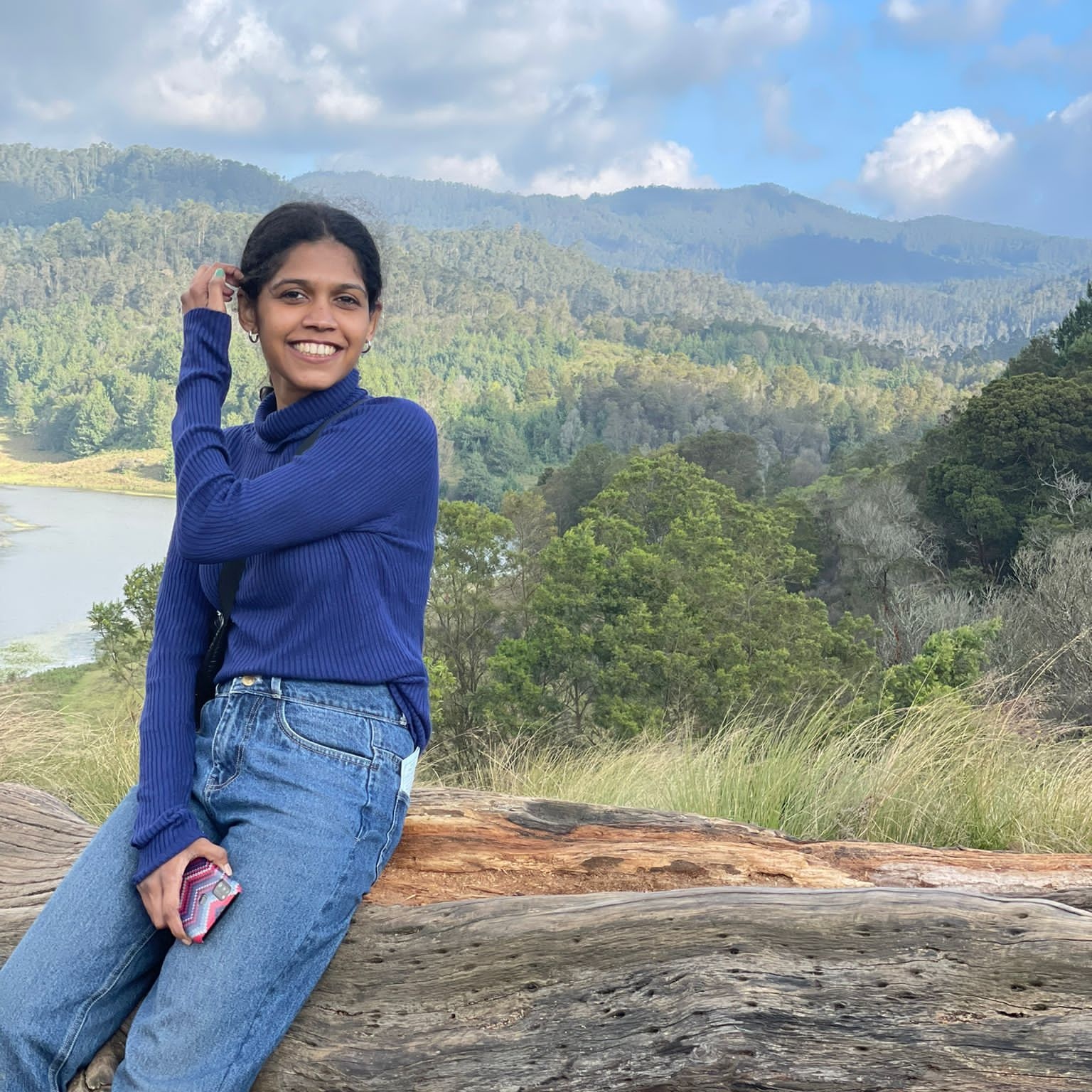
Ambili Narayanan
- Doctor of Philosophy (Natural and Physical Sciences)
- ambili.narayanan@my.jcu.edu.au

Sarfaraz Ali
- Postdoctoral Research Fellow
- sarfaraz.ali@jcu.edu.au
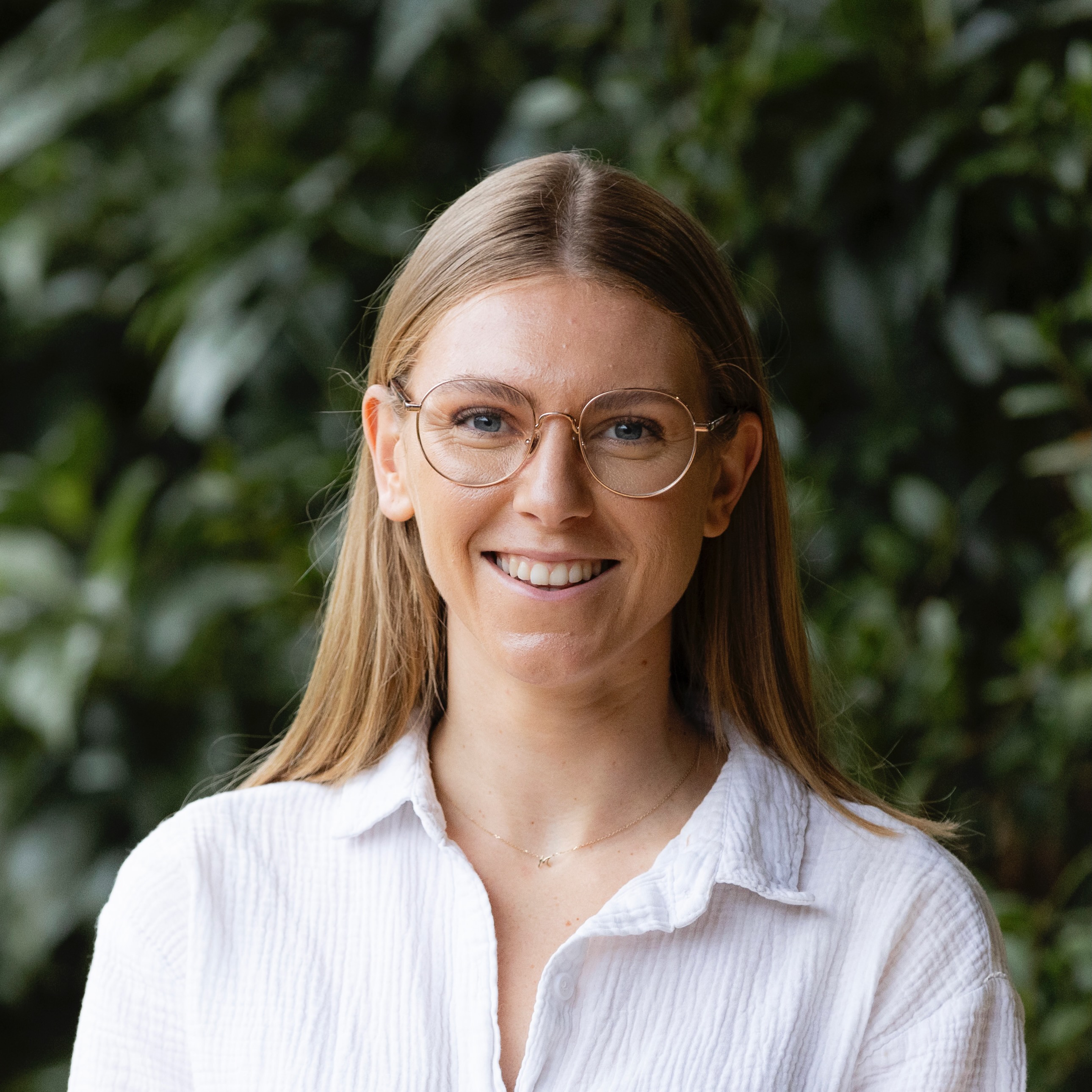
Mikaeylah Davidson
- Postdoctoral Research Fellow
- mikaeylah.davidson@jcu.edu.au
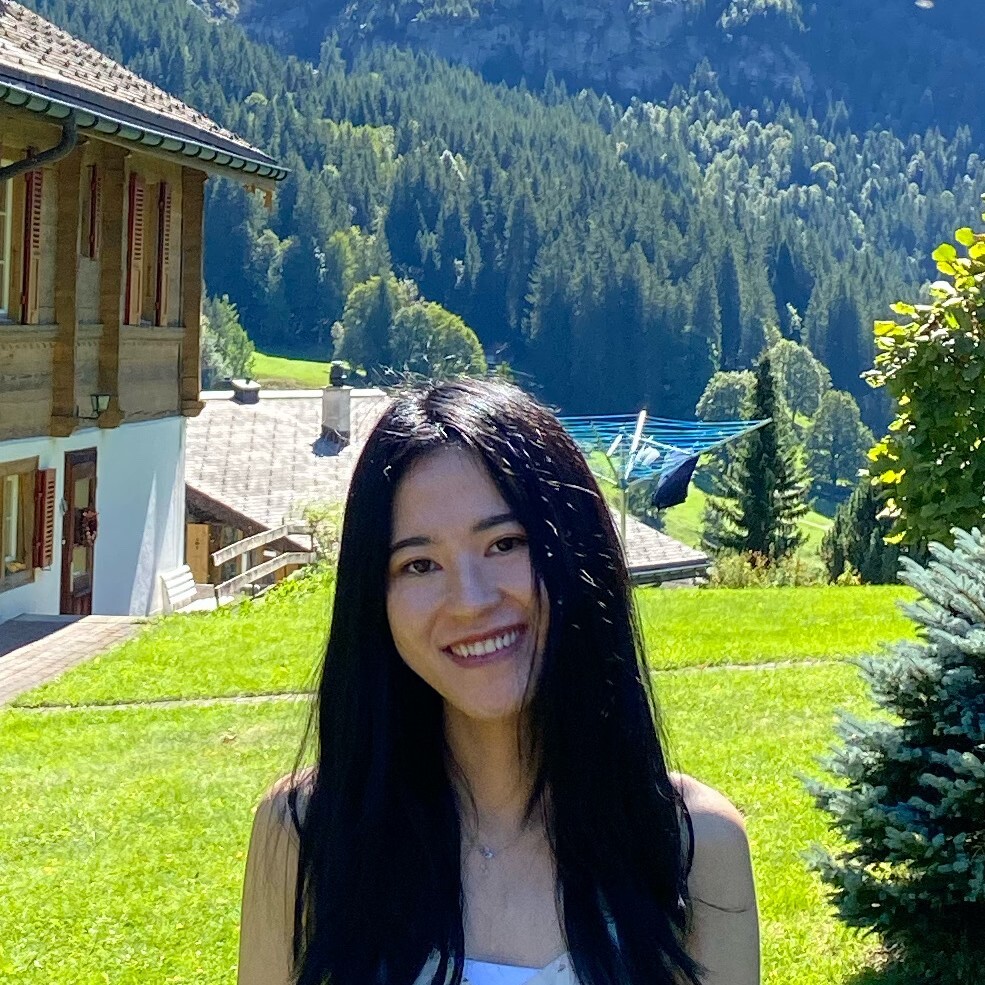
Liuxin Chen
- Lecturer
- liuxin.chen@jcu.edu.au
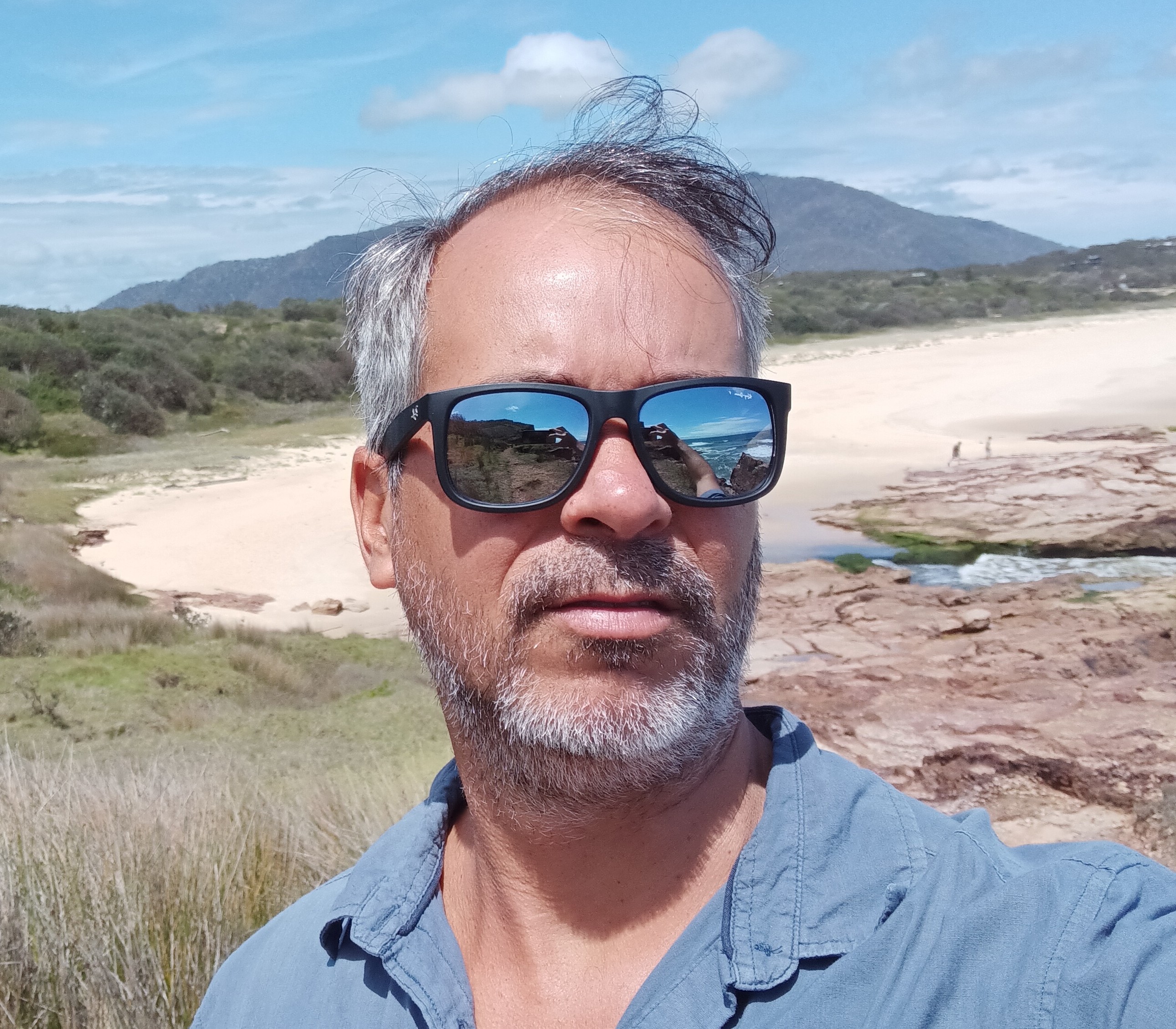
Rafael Cabral Carvalho
- Lecturer, Marine Geoscience
- rafael.cabralcarvalho@jcu.edu.au
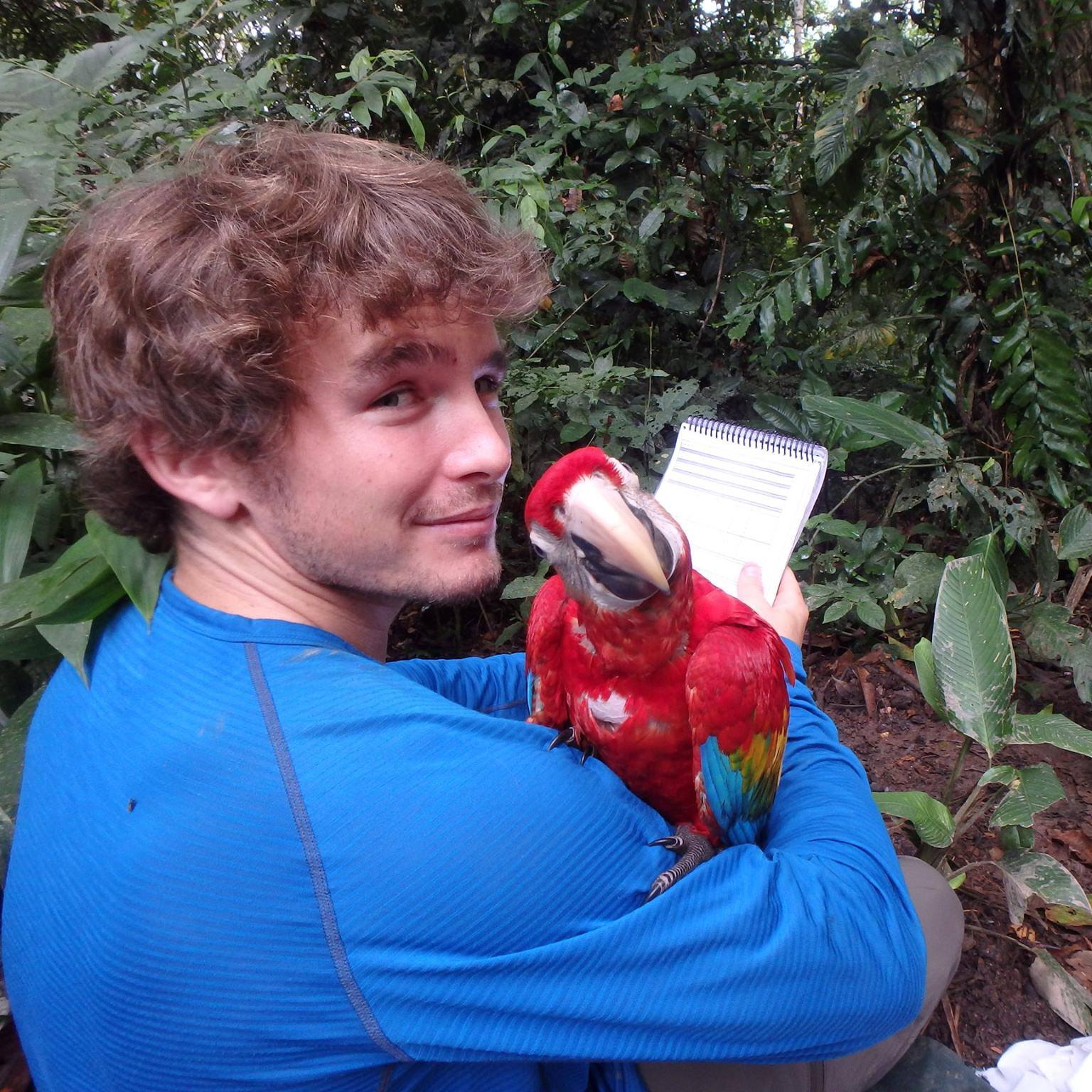
Tom Lloyd
- Postdoctoral Research Fellow, Global Ecosystems
- tom.lloyd@jcu.edu.au
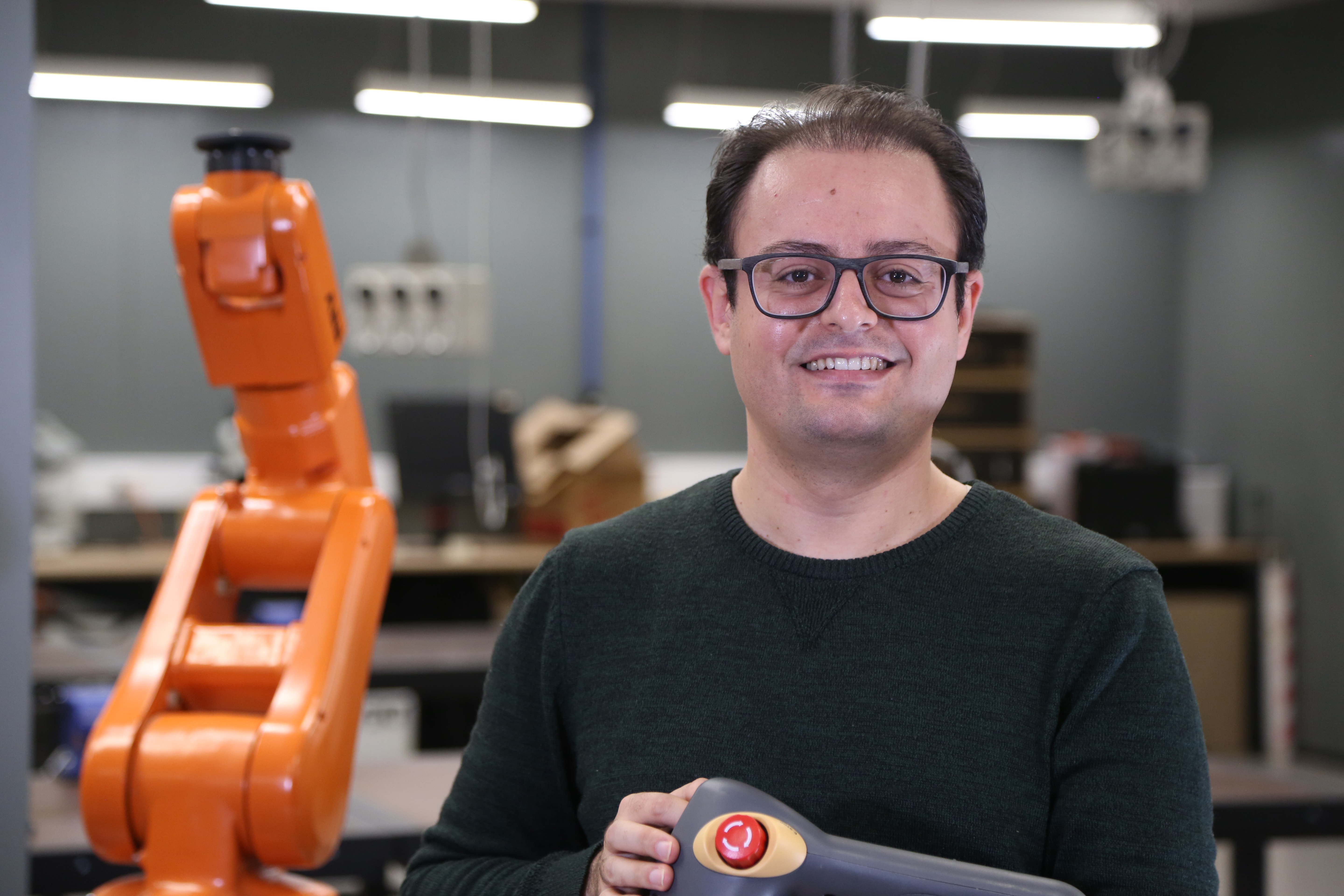
Mohamadreza Chalak Qazani
- Lecturer, Mechanical Engineering
- mohamadreza.chalakqazani@jcu.edu.au
The impact of typhoons on reef fish assemblages, and the effectiveness of marine reserve networks in aiding their recovery (Old ID 22502)
Eva McClure
25 Jan 2016 - 01 Sep 2019
Increasing anthropogenic and environmental impacts are modifying coral reefs and their associated fish assemblages in unprecedented ways, compromising food security and biological stability. Networks of no-take marine reserves are implemented in Australia and the Philippines to conserve biodiversity and manage fish stocks, but it's unknown whether reserves can continue to perform under cumulative stressors, including those from cyclones and typhoons. For the first time, this study will 1) investigate how the structure function and behaviour of herbivorous reef fish assemblages are impacted by typhoons; and 2) discover whether marine reserves facilitate recovery of fish stocks following these impacts.
Effective sampling of Acanthaster cf. solaris to provide early-warning of new and renewed outbreaks (Old ID 26779)
Peter Doll
01 Jun 2020 - 31 May 2022
This project aims to develop a holistic monitoring program that will not only help to deliver an early-warning syste, but will increase the viability of culling CoTS populations even during non-outbreak periods with the ultimate goal of reducing the frequency and severity of future outbreaks. Perhaps even more importantly, this project will deliver (for the first time) spatially and temporally explicit information about the structure and dynamics of crown-of-thorns starfish within the “initiation zone” and in the lead-up to a new population irruption, which is a critical knowledge gap that limits understanding of the initiation and causes of population outbreaks.
Reducing herbicide usage in the Burdekin and Proserpine reef catchment areas with precise robotic weed control in sugarcane (Old ID 26973)
Bronson Philippa
25 Sep 2020 - 31 Dec 2025
The main objective of this project is to develop and build the world’s first robotic platform for selective weed control in sugarcane. Specifically, we aim to retrofit two 12-metre sugarcane booms for farmers in the Burdekin and Proserpine GBR catchment areas with state-of-the-art deep learning detection and spraying technology. The fundamental aim of this project is to significantly minimise the herbicide usage by selective spot spraying. We have set a target to reduce the knockdown herbicide usage on the chosen farms by 80% compared to the traditional blanket spraying that is performed during various stages of the crop cycle.
Coral Sea Bright Spot Reef Health and Resilience Survey – 2022-24 (Old ID 27830)
Gemma Galbraith
23 Nov 2022 - 31 Dec 2024
The Coral Sea Marine Park (CSMP) covers approximately 990,000 km2 and includes over 30 individual reef systems that are surrounded by deep waters. Extensive bleaching of corals was recorded across shallow reef habitats within the CSMP in 2020 and 2021. This project will use surveys of benthic, fish and invertebrate communities to assess the ongoing effects and potential recovery from these back-to-back bleaching events.
Coral Sea Bright Spot Reef Health and Resilience Survey – 2022-24 (Old ID 27830)
Eva McClure
23 Nov 2022 - 31 Dec 2024
The Coral Sea Marine Park (CSMP) covers approximately 990,000 km2 and includes over 30 individual reef systems that are surrounded by deep waters. Extensive bleaching of corals was recorded across shallow reef habitats within the CSMP in 2020 and 2021. This project will use surveys of benthic, fish and invertebrate communities to assess the ongoing effects and potential recovery from these back-to-back bleaching events.
Intensive Breeding Potential of Redclaw Crayfish, Cherax quadricarinatus: Evaluation and Improvements of Egg and Embryo Quality, and In Vitro Fertilization Perspectives (Old ID 27486)
John Cavalieri
07 Feb 2022 - 31 Dec 2023
The commercial expansion of redclaw is hampered by suboptimal methods used to produce fertilised eggs, asynchronous hatching, and mortalities of juveniles. This project seeks to characterise female broodstock fertility and improve hatchery productivity by developing tools to assess egg and embryo quality, induce gonadal maturation and egg release using dietary supplementation and hormonal treatments and by establishing artificial fertilization techniques. The study outcomes include validation of tools to select for egg quality and to develop strategies to facilitate synchronised spawning of redclaw within hatcheries to enhance reproductive performance and facilitate intensification of production.
Conservation genetics and population trends in the endangered Mahogany Glider (Petaurus gracilis) (Old ID 27035)
Conrad Hoskin
31 Aug 2020 - 26 Oct 2021
Forest clearances has resulted in severe habitat fragmentation that threats population connectivity and genetic diversity of Mahogany Gliders, an endangered gliding possum endemic to Australian Wet Tropics. Using species distribution modelling, we aim to map the glider’s current theoretical distribution, and based on that, conducting fieldworks to collect DNA samples from different populations. These DNA samples enable us to do fine-scaled genomic analyses to estimate the population size and structures of the Mahogany Gliders, and to know whether the population suffers from inbreeding. Knowing these information helps to identify important corridors to connect populations and guide future conservation plans.
NESP Tropical Water Quality Research Plan 7 (Old ID 27291)
Nathan Waltham
24 May 2021 - 30 Jun 2021
The National Environmental Science Program Tropical Water Quality Hub, funded by the federal government, has funded a wide variety of research projects during its operations from 2015-2021. As this programme draws to a close, there is a need to repatriate the knowledge and learnings from these research projects to relevant stakeholders and end-users. This project will undertake a series of meetings and workshops with end-users to enable the outcomes of research to be adopted. This engagement process will include analysis and synthesis of data collected to date.
Can species interactions drive rapid niche evolution? (Old ID 23427)
Conrad Hoskin
01 May 2017 - 30 Apr 2018
Climate change can alter the distribution of speies and cause novel interactions This project will test whether such interactions can actually drive adaptation to the changing environment. Two Australian fruitfly species will be lab-reared separately and together along a thermal resource gradient. Estimates of each species' niche will be obtained. Using experimental evolution, resource space will then be manipulated to create competition and test whether either species/ niche will evolve into new space. A shift of either species beyond its former niche limits would provide evidence of the potential for evolutionary rescue via rapid adaptation to changing environmental conditions.
Can species interactions drive rapid niche evolution? (Old ID 23427)
Megan Higgie
01 May 2017 - 30 Apr 2018
Climate change can alter the distribution of speies and cause novel interactions This project will test whether such interactions can actually drive adaptation to the changing environment. Two Australian fruitfly species will be lab-reared separately and together along a thermal resource gradient. Estimates of each species' niche will be obtained. Using experimental evolution, resource space will then be manipulated to create competition and test whether either species/ niche will evolve into new space. A shift of either species beyond its former niche limits would provide evidence of the potential for evolutionary rescue via rapid adaptation to changing environmental conditions.
Organic matter, sodicity and soil structure
- 1998
- Oxford University Press
- Researchers:Paul Nelson
Argument free clustering via boundary extraction for massive point-data Sets
- 2002
- Researchers:Ickjai Lee
Start Date:
01 Jan 1987
End Date:
01 Jan 1988
Start Date:
01 Jan 2018
Title:
JCU Research Support Grant
Start Date:
01 Jan 2018
Start Date:
01 Jan 2013
End Date:
01 Jan 2016
Start Date:
01 Jan 2013
End Date:
01 Jan 2016
Start Date:
01 Jan 2007
Start Date:
01 Jan 2007
Start Date:
01 Jan 2017
Title:
Pecha Kucha Science Week
Start Date:
01 Jan 2017