
College of Medicine & Dentistry

Semagn Abate
- Doctor of Philosophy (Health)
- semagn.abate@my.jcu.edu.au

Joseph Kamara
- Senior Lecturer Disaster Health and Humanitarian Assistance
- joseph.kamara@jcu.edu.au

Eric Kalo
- Lecturer Medical Education
- eric.kalo@jcu.edu.au
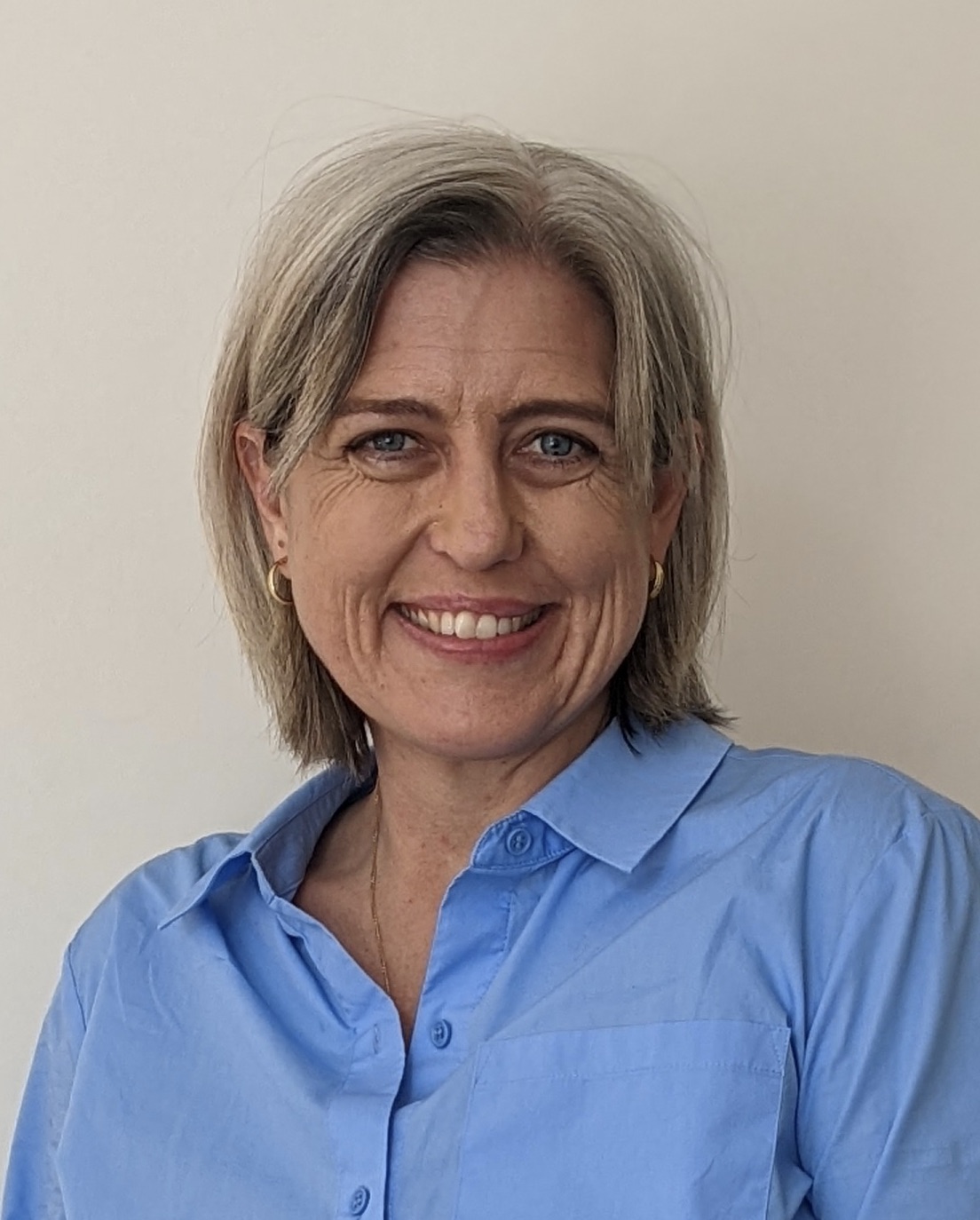
Erin Waters
- JCU Associate Professor
- erin.waters@jcu.edu.au

Dennis Asante
- Research Fellow
- dennis.asante@jcu.edu.au

Kannan Maharajan
- Associate Professor, Pharmacy
- kannan.maharajan@jcu.edu.au

Fahmida Begum Mina
- Doctor of Philosophy (Medical, Molecular and Veterinary Sciences)
- fahmidabegum.mina@my.jcu.edu.au
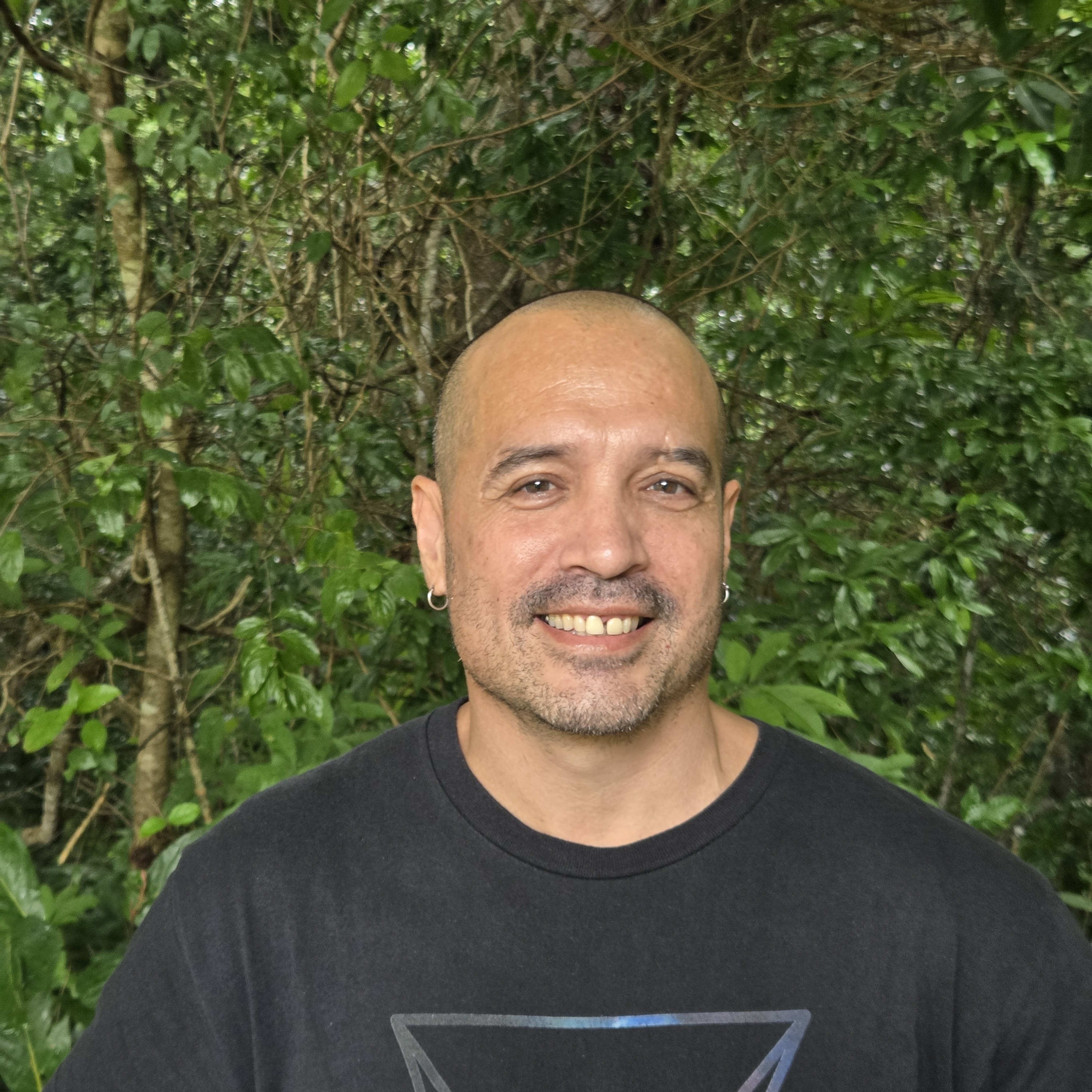
Kootsy Canuto
- Principal Research Fellow, Indigenous Men's Health Promotion
- kootsy.canuto@jcu.edu.au

Lynsey Brown
- Adjunct Senior Lecturer
- lynsey.brown@jcu.edu.au

Ali Isin
- Adjunct Senior Research Fellow
- ali.isin@jcu.edu.au
Research Governance Framework WQPHN
As per the Short Form Agreement (CON-SFA248-24-25B): "an underspend amount of $89,131.06 to carry forward from CON-PRJ248-1A, to be used for the term of this Agreement". As part of this Agreement, we will:
1. Develop a Research Governance Framework for WQPHN, for use with internal and external stakeholders.
2. Establish a Working Group with WQPHN Staff and Murtupuni Centre for Rural and Remote Health Staff to progress the development of the framework.
3. Complete the Research Governance Framework documentation including recommendations, draft policies, procedures and template documents.
Leveraging native soil microbiota to target melioidosis pathogens in Northern Queensland
Melioidosis is a serious disease caused by the soil bacterium Burkholderia pseudomallei (Bps). It is a major health concern in Northern Queensland and other tropical regions. As our modelling predicted, and as confirmed by the sharp rise in local cases in 2025, the incidence of melioidosis is likely to increase with ongoing climate change. At the same time, growing resistance to life-saving carbapenems is making treatment more difficult.
In previous work, we identified Burkholderia ubonensis, a harmless soil bacterium that can selectively inhibit Bps. This finding suggests that native soil microbes may offer a new way to control Bps in the environment and could also provide a source of novel antimicrobial compounds. This project builds on that discovery. We will identify and characterise additional Bps-inhibiting microbes and compounds from Northern Queensland soils, with the aim of developing both environmental control strategies and new therapeutic options for melioidosis.
Leveraging native soil microbiota to target melioidosis pathogens in Northern Queensland
Melioidosis is a serious disease caused by the soil bacterium Burkholderia pseudomallei (Bps). It is a major health concern in Northern Queensland and other tropical regions. As our modelling predicted, and as confirmed by the sharp rise in local cases in 2025, the incidence of melioidosis is likely to increase with ongoing climate change. At the same time, growing resistance to life-saving carbapenems is making treatment more difficult.
In previous work, we identified Burkholderia ubonensis, a harmless soil bacterium that can selectively inhibit Bps. This finding suggests that native soil microbes may offer a new way to control Bps in the environment and could also provide a source of novel antimicrobial compounds. This project builds on that discovery. We will identify and characterise additional Bps-inhibiting microbes and compounds from Northern Queensland soils, with the aim of developing both environmental control strategies and new therapeutic options for melioidosis.
Leveraging native soil microbiota to target melioidosis pathogens in Northern Queensland
Melioidosis is a serious disease caused by the soil bacterium Burkholderia pseudomallei (Bps). It is a major health concern in Northern Queensland and other tropical regions. As our modelling predicted, and as confirmed by the sharp rise in local cases in 2025, the incidence of melioidosis is likely to increase with ongoing climate change. At the same time, growing resistance to life-saving carbapenems is making treatment more difficult.
In previous work, we identified Burkholderia ubonensis, a harmless soil bacterium that can selectively inhibit Bps. This finding suggests that native soil microbes may offer a new way to control Bps in the environment and could also provide a source of novel antimicrobial compounds. This project builds on that discovery. We will identify and characterise additional Bps-inhibiting microbes and compounds from Northern Queensland soils, with the aim of developing both environmental control strategies and new therapeutic options for melioidosis.
Development of a Centre for Tropical Pathology
In the short term, this funding will bring together a multi-disciplinary team to support the development of a lateral flow assays to support a category 1 grant application, however, a longer term goal is to develop a centre for point of care diagnostic testing and support for regional and remote areas of Australia and the Pacific. Access to timely and accurate diagnostic testing is a significant challenge in rural and remote areas of Australia. Many conditions require rapid diagnosis to facilitate early intervention and improve patient outcomes. The proposed POC tests will be affordable, portable, and easy to use, allowing healthcare providers to conduct on-site testing without requiring sophisticated laboratory infrastructure. PoCT is not a replacement of the full suite of laboratory tests. PoCT must be situated in the clinical care model at the appropriate time to allow for timely and accurate clinical decision making.
Development of lateral flow PoCT:
1. To support diagnosis for AKI in premature neonates for NHMRC Ideas grant application but also to support neonatal and paediatric renal disease screening in rural and remote locations.
2. To support diagnostic and clinical decision making in the areas of pregnancy dysfunction and acute leukemias.
Tackling Antibiotic Resistance with Structure Destabilizing Compounds
Antibiotic resistance poses a significant threat to global health, with the World Health Organization (WHO) warning of a "post-antibiotic era" where common infections become deadly. The rise of multidrug-resistant bacteria necessitates innovative solutions to combat this growing crisis. Our proposal, "Tackling Antibiotic Resistance with Structure Destabilizing Compounds," aims to develop a novel class of antimicrobials that inactivate the structural integrity of the biotin protein ligase, a validated drug target in critical ESKAPE pathogens such as Escherichia, Klebsiella and Enterobacter species. This project will produce essential pilot data for an NHMRC Ideas Grant application in 2026 - Tackling Antibiotic Resistance with Structure Destabilizing Compounds.
Improving Hepatocellular Carcinoma Immunotherapy
Hepatocellular carcinoma (HCC) constitutes 80-90% of all liver cancers and is the third leading cause of cancer-related death globally. There are just a few therapeutic options available for HCC patients. The most promising is immunotherapy, which uses the antibodies atezolizumab, an immune check point inhibitor, and bevacizumab an angiogenic inhibitor, that direct the immune system to kill HCC tumour cells.
However, immunotherapy is effective in just 30% of HCC patients and can in some instances promote tumour progression and have adverse effects. The major reason for this is that the HCC immune environment is immunosuppressed in 70% of patients, and the molecular events leading to this are poorly understood.
This project will use murine HCC models and atezolizumab and bevacizumab therapeutic equivalents, single cell sequencing and advanced cell biology to decipher how HCC escapes immunotherapy, and hence determine new therapeutic targets to treat immunosuppressed HCC.
An Australian social prescribing implementation framework: Piloting a co-design approach
This pilot project will use a co-design approach to inform an implementation framework for social prescribing tailored to the Australian context. Through a series of workshops and interviews with key stakeholders—including service providers and consumers—investigators will identify systemic and operational challenges, opportunities for improvement, and the support structures needed for sustainable implementation. This participatory, iterative process will enable stakeholders to prioritise key areas of focus, ensuring the development of the framework is grounded in real-world needs and responsive to Australia’s diverse health and social care environments. Findings will be shared with the broader sector and will inform a subsequent large-scale funding application to co-design, implement, and evaluate a national social prescribing framework.
An Australian social prescribing implementation framework: Piloting a co-design approach
This pilot project will use a co-design approach to inform an implementation framework for social prescribing tailored to the Australian context. Through a series of workshops and interviews with key stakeholders—including service providers and consumers—investigators will identify systemic and operational challenges, opportunities for improvement, and the support structures needed for sustainable implementation. This participatory, iterative process will enable stakeholders to prioritise key areas of focus, ensuring the development of the framework is grounded in real-world needs and responsive to Australia’s diverse health and social care environments. Findings will be shared with the broader sector and will inform a subsequent large-scale funding application to co-design, implement, and evaluate a national social prescribing framework.
An Australian social prescribing implementation framework: Piloting a co-design approach
This pilot project will use a co-design approach to inform an implementation framework for social prescribing tailored to the Australian context. Through a series of workshops and interviews with key stakeholders—including service providers and consumers—investigators will identify systemic and operational challenges, opportunities for improvement, and the support structures needed for sustainable implementation. This participatory, iterative process will enable stakeholders to prioritise key areas of focus, ensuring the development of the framework is grounded in real-world needs and responsive to Australia’s diverse health and social care environments. Findings will be shared with the broader sector and will inform a subsequent large-scale funding application to co-design, implement, and evaluate a national social prescribing framework.
Truth behind the appearances: translating new drug therapies to humans
- 2019
- Lippincott, Williams & Wilkins
- Researchers:Hayley Letson
A practical guide to the stereological assessment of glomerular number, size, and cellular composition
- 2020
- Wiley-Blackwell
- Researchers:Danica Vojisavljevic
Independent regulation of tumorigenesis and fibrosis in non-alcoholic fatty liver disease
- 2020
- AME Publishing
- Researchers:Lionel Hebbard
Primary aeromedical retrievals in Australia: an interrogation and search for context
- 2019
- Wiley-Blackwell
- Researchers:Jemma KingRichard Franklin
Traumatic-induced coagulopathy as a systems failure: a new window into hemostasis
- 2020
- Thieme Medical Publishers
- Researchers:Jodie MorrisHayley Letson
Normal foetal kidney volume in offspring of women treated for gestational diabetes
- 2019
- John Wiley & Sons
- Researchers:Danica Vojisavljevic
Rapid progress toward elimination of Strongyloidiasis in North Queensland, tropical Australia, 2000-2018
- 2020
- American Society of Tropical Medicine and Hygiene
- Researchers:Aileen TravesRobyn McDermott
Title:
Men are shaving off their eyelashes on TikTok, here's why that might be a bad idea, The Conversation
Start Date:
14 May 2025
Start Date:
15 May 2025
Start Date:
03 Jun 2025
Start Date:
01 Jan 2012
Title:
Grants Review
Start Date:
01 Jan 2024
End Date:
01 Jan 2024
Title:
Public Health Advocacy
Start Date:
01 Jan 2024
End Date:
01 Jan 2024
Start Date:
16 Jun 2025