
College of Medicine & Dentistry
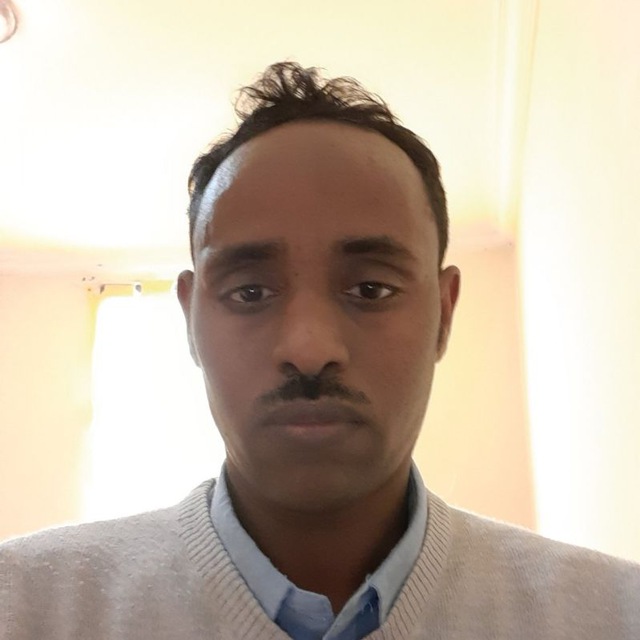
Semagn Abate
- Doctor of Philosophy (Health)
- semagn.abate@my.jcu.edu.au

Joseph Kamara
- Senior Lecturer Disaster Health and Humanitarian Assistance
- joseph.kamara@jcu.edu.au

Eric Kalo
- Lecturer Medical Education
- eric.kalo@jcu.edu.au
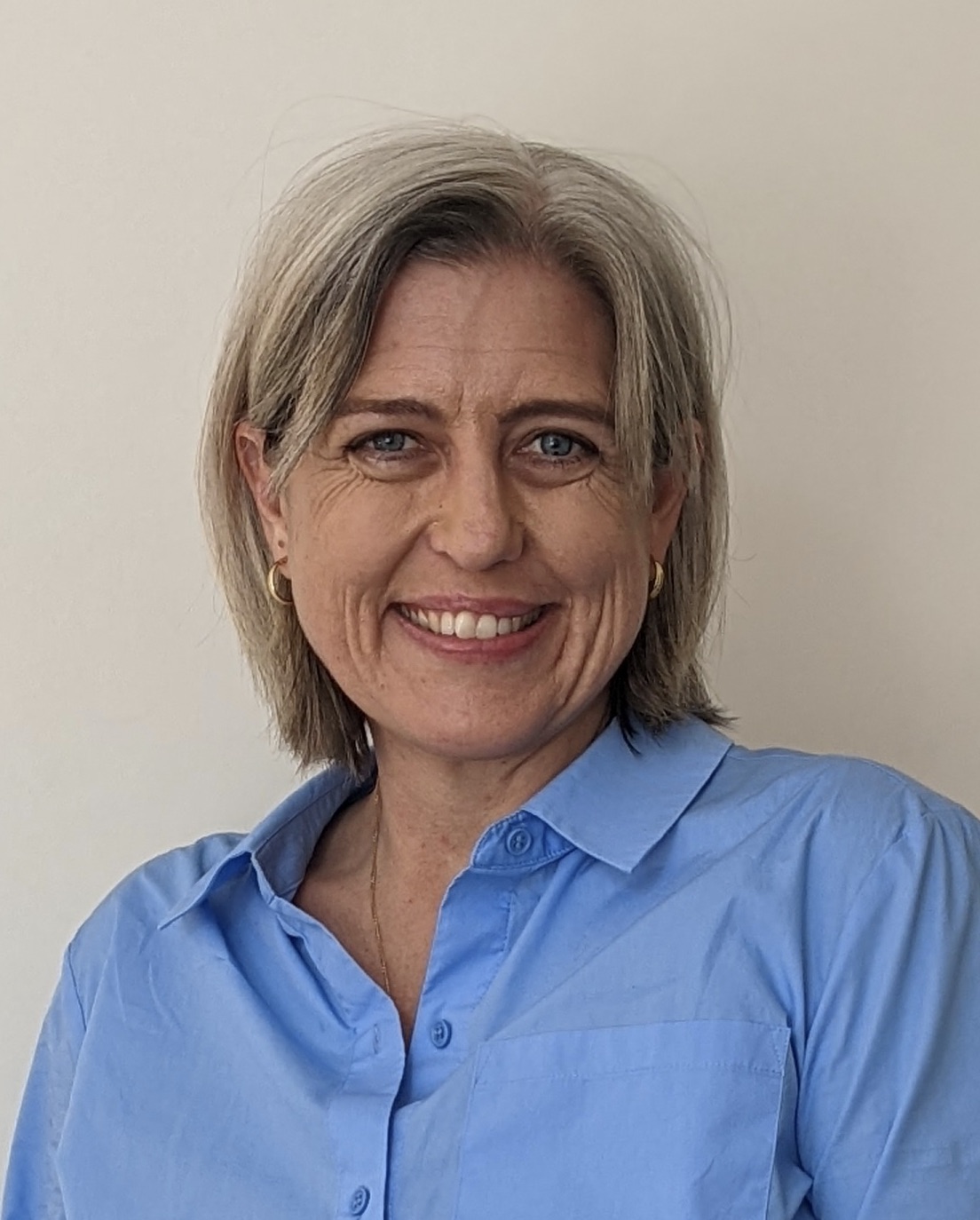
Erin Waters
- JCU Associate Professor
- erin.waters@jcu.edu.au

Kannan Maharajan
- Associate Professor, Pharmacy
- kannan.maharajan@jcu.edu.au

Fahmida Begum Mina
- Doctor of Philosophy (Medical, Molecular and Veterinary Sciences)
- fahmidabegum.mina@my.jcu.edu.au
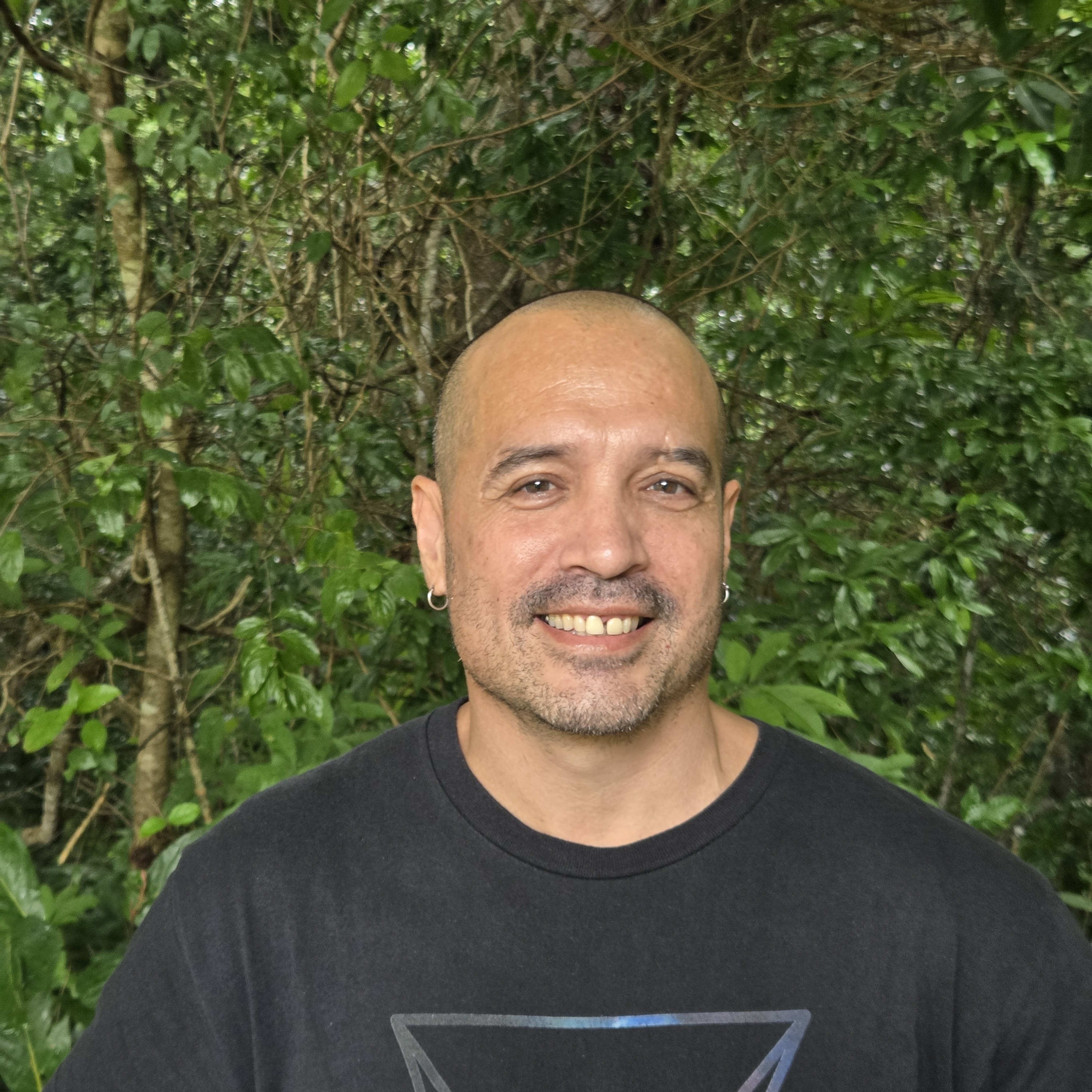
Kootsy Canuto
- Principal Research Fellow, Indigenous Men's Health Promotion
- kootsy.canuto@jcu.edu.au

Lynsey Brown
- Adjunct Senior Lecturer
- lynsey.brown@jcu.edu.au

Ali Isin
- Adjunct Senior Research Fellow
- ali.isin@jcu.edu.au

Muideen Olaiya
- Senior Research Fellow
- muideen.olaiya@jcu.edu.au
Efficacy of pressure pad vs pressure bandage immobilisation for snake bite first aid
Snakebite affects thousands of Australians annually, with fatalities rare due to effective first aid and prompt medical intervention. Optimal first aid should be straightforward, standardised, employ readily available resources, and be effectively administered with minimal or no formal training.
However, the efficacy of current Australian snakebite first aid protocols has been questioned, with emerging evidence suggesting potential harm from certain techniques. Moreover, there is a paucity of robust experimental data supporting current practices.
This research project aims to investigate and compare the efficacy of two first aid methods by tracking the dissemination of a simulated venom through a model system. This will provide crucial data to evaluate the suitability of existing Australian techniques and assess the effectiveness of a proposed simpler alternative.
Demonstrating the efficacy of this alternative approach would provide a strong foundation for revising current snakebite first aid recommendations
Sexual and Reproductive Health Co-design with Pacific Island Nation Farm Workers
Collaborating with CQU researcher Dr Haylee Fox to undertake co-design sessions in rural North Queensland with Pacific Island Farm Workers
Lowitja Foundation Grant in Support of PhD Candidate Jenifer Darr
PhD Candidate Ms Jenifer Darr received funding from the Lowitja Institute to conduct her research project on CQI in Aboriginal Community Controlled Services in Australia.
Evaluation of NQPHN's mental health stepped care model
The NQPHN is commissioning JCU/PAHL to undertake an evaluation of their new mental health stepped care model. This project aims to evaluate the implementation and effectiveness of the model by: (1) Assessing service delivery against the Quintuple Aims Health Framework, (2) Evaluating partnership effectiveness and integration across providers, and (3) Analysing the economic impact and return on investment.
Parasitic Disease Wastewater Surveillance to Inform Public Health Action in Remote Northern Queensland
External advisor on community engagement and culturally safe protocols for a TAAHC funded research project.
Intestinal parasites are chronic preventable infectious disease of poverty which disproportionately affects Aboriginal and Torres Strait Islander communities in northern Australia. Surveillance for these diseases is time consuming costly, difficult and intrusive, requiring faecal and blood testing of community members. This project is a proof-of-concept study to validate and pilot the use of wastewater testing for the surveillance of important intestinal parasites, including strongyloidiasis, whipworm, giardiasis, and amoebic dysentery infecting people in northern Queensland. The use of wastewater sampling will augment the capacity for public health surveillance by facilitating timely and cost-efficient parasitic disease surveillance simultaneously in multiple communities.
Understanding culturally safe and responsive healthcare practices.
PhD project conducted in partnership with Indigenous Allied Health Australia (IAHA) to develop standards for culturally responsive healthcare practices.
Professionally Psyched: A Podcast to Build Professional Identity
This project is funded by a Scholarship of Learning and Teaching grant and aims to build and strengthen student identification with psychology as a profession, increase retention and belongingness with JCU Psychology, and develop more confident graduates.
The Indigo Project
Funded research project partnered with The Indigo Project, an online therapy practice for mental health.
Parasitic Disease Wastewater Surveillance to Inform Public Health Action in Remote Northern Queensland
Intestinal parasites are chronic, preventable infectious diseases of poverty that disproportionately affect Aboriginal and Torres Strait Islander communities in northern Australia. Public Health Surveillance for these diseases is time-consuming, costly, difficult and intrusive, requiring faecal and blood testing of community members. This project will validate and pilot the use of wastewater testing for the surveillance of important intestinal parasites, including strongyloidiasis, whipworm, giardiasis, and amoebic dysentery infecting people in north Queensland. The use of wastewater sampling will augment the capacity for public health surveillance by facilitating time and cost-efficient parasitic disease surveillance simultaneously in multiple communities.
Regenerating lizard tails: A new model for investigating lymphangiogenesis
- 2003
- Researchers:Suzy Munns
Association of osteoprotegerin with human abdominal aortic aneurysm progression
- 2005
- American Heart Association
- Researchers:Jonathan Golledge
A simple plan: cnidarians and the origins of developmental mechanisms
- 2004
- Nature Publishing
- Researchers:David Miller
Start Date:
01 Jan 2011
Start Date:
01 Jan 2007
End Date:
01 Jan 2011
Start Date:
01 Jan 1996
End Date:
01 Jan 2011
Start Date:
01 Jan 1991
End Date:
01 Jan 2011
Start Date:
19 Jun 2020
Start Date:
01 Jan 2002
End Date:
01 Jan 2006
Start Date:
05 Jun 2025
Start Date:
01 Jan 1984
End Date:
01 Jan 1991
Start Date:
01 Jan 2021
End Date:
01 Jan 2022
Title:
Intern, Boras Hospital
Start Date:
01 Jan 1980
End Date:
01 Jan 1983