
College of Medicine & Dentistry
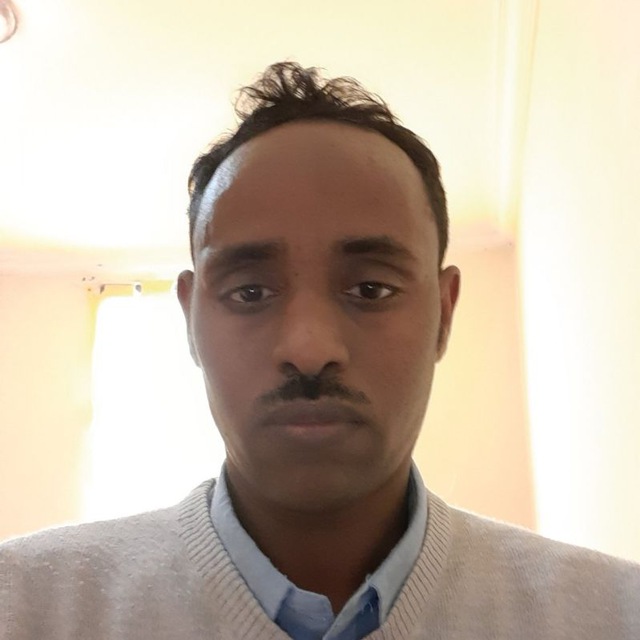
Semagn Abate
- Doctor of Philosophy (Health)
- semagn.abate@my.jcu.edu.au

Joseph Kamara
- Senior Lecturer Disaster Health and Humanitarian Assistance
- joseph.kamara@jcu.edu.au

Eric Kalo
- Lecturer Medical Education
- eric.kalo@jcu.edu.au
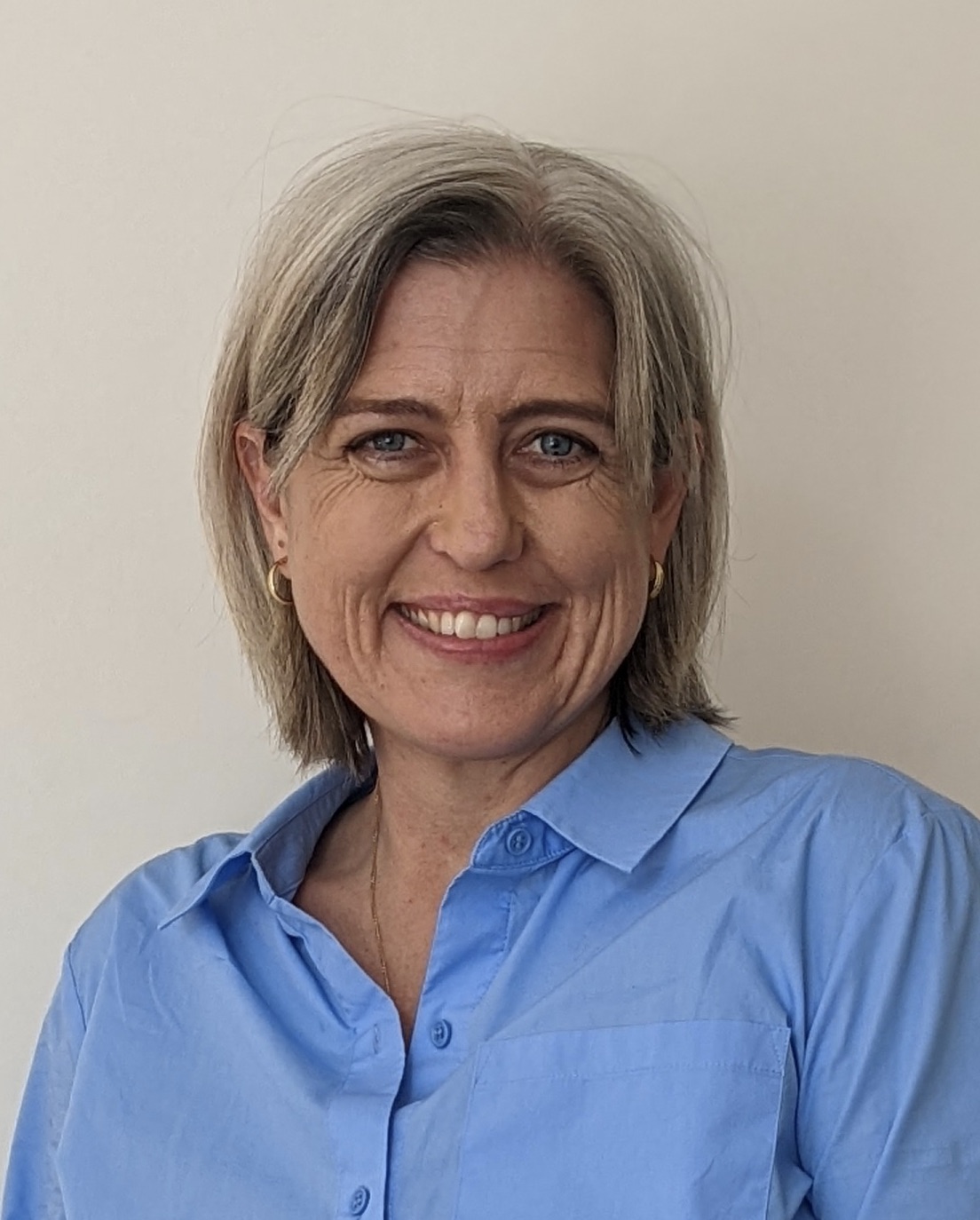
Erin Waters
- JCU Associate Professor
- erin.waters@jcu.edu.au

Kannan Maharajan
- Associate Professor, Pharmacy
- kannan.maharajan@jcu.edu.au

Fahmida Begum Mina
- Doctor of Philosophy (Medical, Molecular and Veterinary Sciences)
- fahmidabegum.mina@my.jcu.edu.au

Lynsey Brown
- Adjunct Senior Lecturer
- lynsey.brown@jcu.edu.au
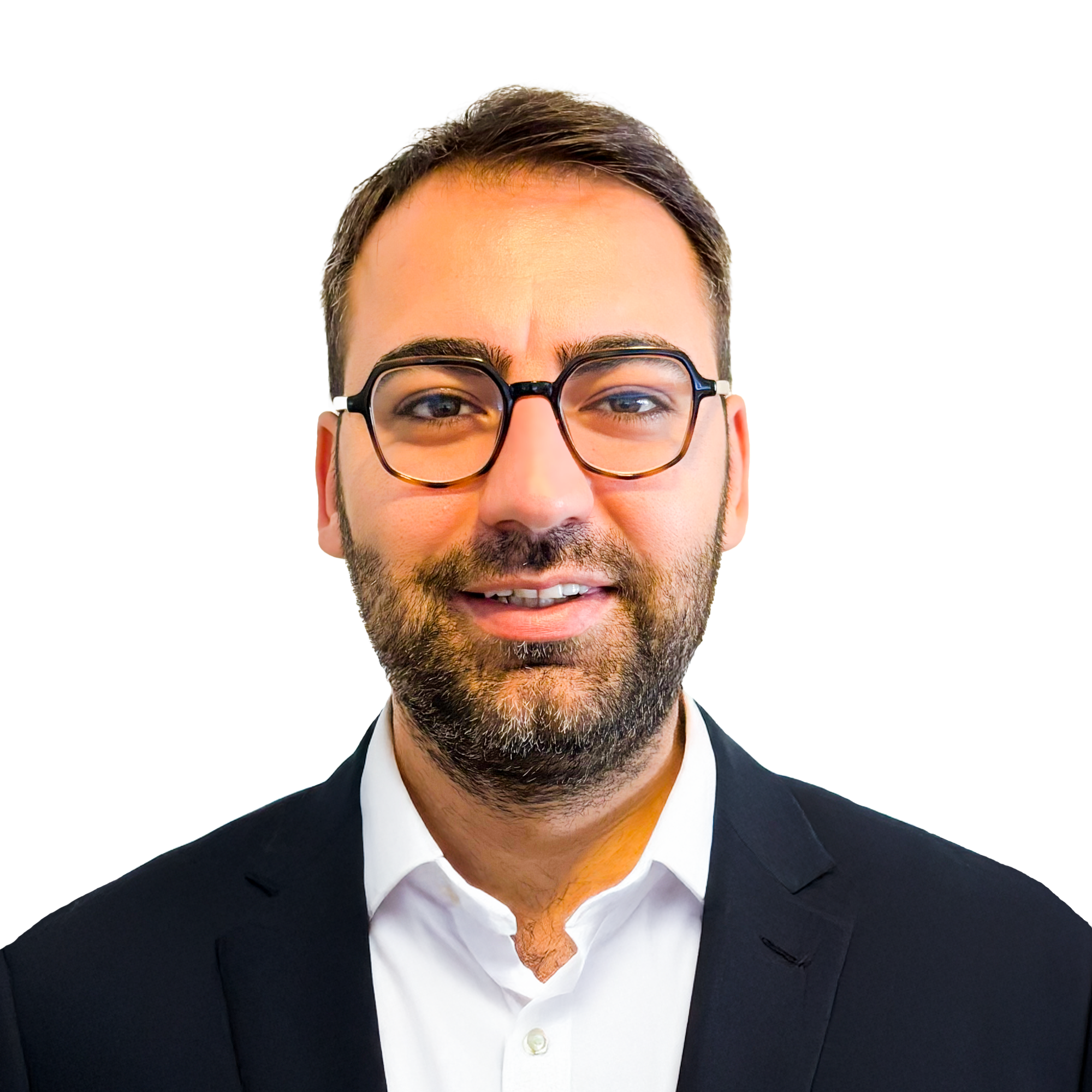
Ali Isin
- Adjunct Senior Research Fellow
- ali.isin@jcu.edu.au
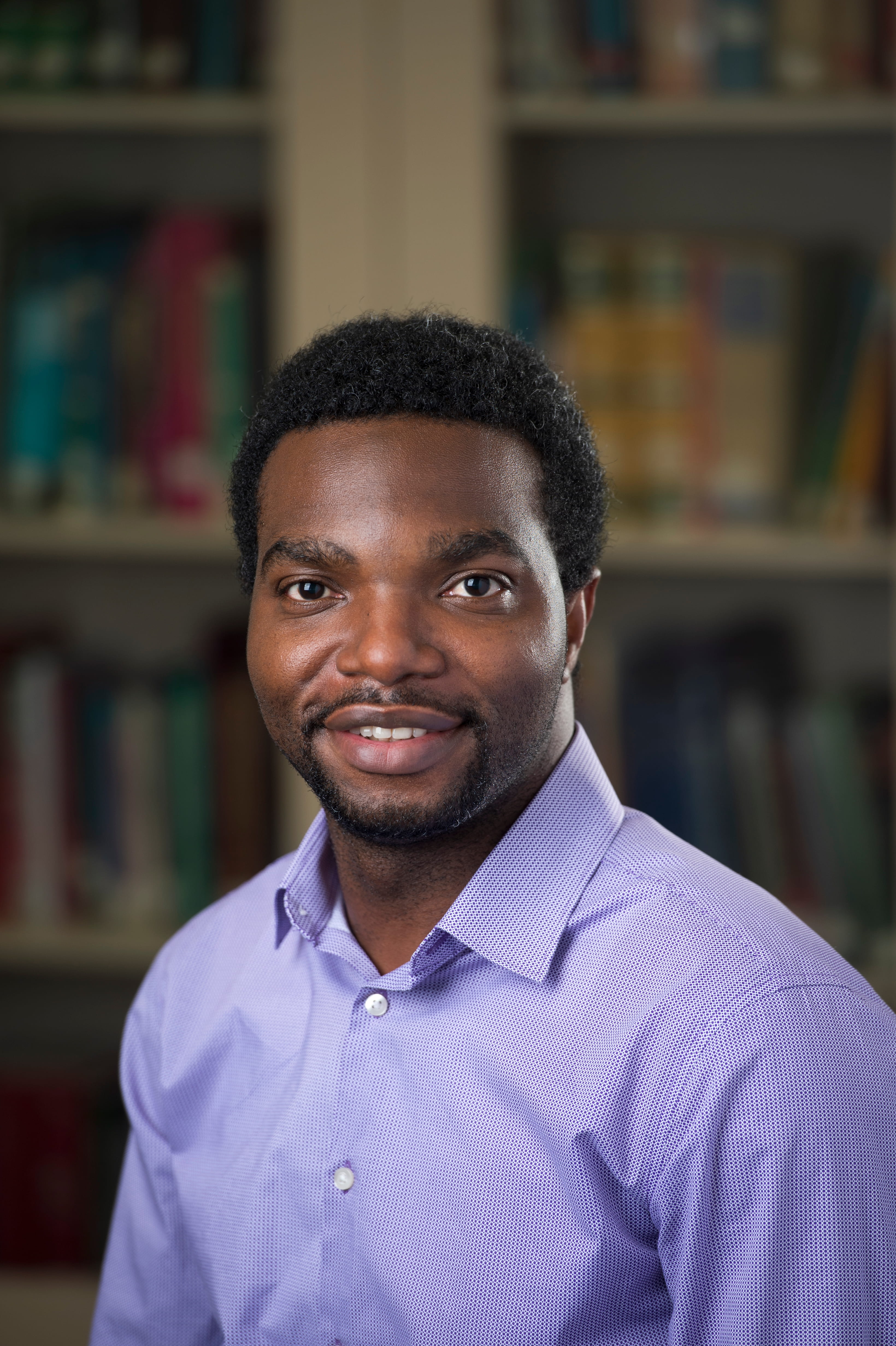
Muideen Olaiya
- Senior Research Fellow
- muideen.olaiya@jcu.edu.au

Mila Grinblat
- Postdoctoral Research Fellow
- mila.grinblat@jcu.edu.au
Establishment of a pilot Home Group program in Biomedicine
The aim of this project is establish a Biomedicine Home Group program initially for the first year students in an attempt to improve the pastoral care and psychological wellbeing of the students, while focusing on their academic development. The Home Group program will be based on the already established and very successful MBBS home groups in CMD.
3D Printing in Anatomy
Models are often used in anatomy for teaching structures that cannot be easily seen in the cadavers. Models are used to clarify the more complex anatomical structures, therefore some models would have to be custom made. The size and the materials used to create the model can vary greatly and can significantly how effective the model will be for teaching.
Development of an E-Book - Introduction to Organogenesis
Organogenesis is an area that students struggle with mainly because the processes that are being taught have no physical representation such as cadavers or models for the gross anatomy and tissue slides for the histology. This makes an interactive ebook an ideal platform for the students to interact with and grasp the main concepts of organogenesis, in order for them to achieve a deeper understanding of human anatomy and complement the current curriculum.
Effect of angiopoietin 1 in a mouse model of ischaemic stroke
Alex Trollope
01 May 2014 - 01 May 2015
Stroke is the second biggest cause of mortality in Australia and has a huge socio-economic burden to the health care system. Our research aims to look at how cerebral ischemic stroke outcome can be improved.
We aim to establish an animal model for cerebral ischemic stroke, explore the mechanism behind the reduction of a key protein after stroke and assess the effect this protein has in improving patient outcome. This research will provide a reproducible stoke model, establish whether our protein of interest can improve stroke outcome and help explain the mechanism behind the regulation of this protein.
A novel protective role for Sclerostin in abdominal aortic aneurysm
Alex Trollope
01 Aug 2015 - 01 Aug 2016
Abdominal aortic aneurysm (AAA) is a potentially fatal cardiovascular disease with
multifactorial development and progression. Sclerostin is an inhibitor of the bone
morphogenesis protein and our preliminary data highlights its potential role in AAA. We
aim to assess the role of Sclerostin in experimental AAA progression and the mechanisms
of Sclerostin expression in AAA.
Epigenetic mechanisms in cognitive deficit after ischemic stroke
Alex Trollope
01 Feb 2014 - 01 Feb 2015
Determining the molecular mechanisms and pathways behind pathology is essential in the understanding and treatment of disease. The deterioration in cognition after ischemic stroke has been linked to epigenetic modifications. The Bioruptor is a sonicator that allows gentle, reproducible shearing of chromatin, DNA, RNA and cell/tissue disruption, which can be used for many downstream applications.
Exploring the sexual dimorphism of ischemic stroke outcome by analysing the role of epigenetics in the regulation of angiopoietin1. (Rising Star - personal award)
Alex Trollope
01 Jul 2014 - 01 Aug 2015
Stroke is the second biggest cause of mortality in Australia and has a huge socio-economic burden to the health care system and affects more women than men according to the National Stroke Association.
This project aims to elucidate whether the differences in male and female stroke outcome is associated with differences in the expression of a key protein. The epigenetic mechanism by which this protein is regulated will also be explored and could provide novel targets for intervention. This project will allow me to establish an epigenetic research lab with high throughput sequencing at JCU.
HART-BEAT: Diabetes Research from the Bench to Real World Practice
Alex Trollope
01 Dec 2013 - 01 Dec 2014
The HART-BEAT (Health practitioners And Researchers Together-Blood, Endothelium And Tissue) research group forms an alliance between laboratory based researchers, health practitioners and their patients within one research group to tackle the issues of diabetes and it’s associated complications. Individuals with diabetes have a higher risk of developing cardiovascular disease, impaired wound healing, mental health issues or catching a secondary pathogenic infection with the risk even higher for the Indigenous community. The expected outcome from the HART-BEAT studies is a better understanding of the underlying disease mechanism of diabetes and it’s complications and development of more targeted therapies.
Establishing a rodent model for stroke
Alex Trollope
09 May 2016 - 09 Nov 2016
Advance Queensland Women's Academic Fund Application
Stroke is the second biggest cause of mortality in Australia and has a huge socio-economic burden to the health care system. Our research aims to look at how cerebral ischemic stroke outcome can be improved.
I aim to establish an animal model for cerebral ischemic stroke, explore the mechanism behind the reduction of a key protein after stroke and assess the effect this protein has on improving patient outcome. This research will provide a reproducible stoke model, establish whether our protein of interest can improve stroke outcome and help explain the mechanism behind the regulation of this protein.
Regenerating lizard tails: A new model for investigating lymphangiogenesis
- 2003
- Researchers:Suzy Munns
Association of osteoprotegerin with human abdominal aortic aneurysm progression
- 2005
- American Heart Association
- Researchers:Jonathan Golledge
A simple plan: cnidarians and the origins of developmental mechanisms
- 2004
- Nature Publishing
- Researchers:David Miller
Start Date:
01 Jan 2022
Title:
RIBG [$56 204]
Start Date:
01 Jan 2016
Start Date:
01 Jan 2014
Start Date:
01 Jan 2009
Start Date:
01 Jan 2010
End Date:
01 Jan 2010
Start Date:
01 Jan 2008
Start Date:
01 Jan 2003
End Date:
01 Jan 2009
Start Date:
01 Jan 2007
End Date:
01 Jan 2011
Start Date:
01 Jan 2015
Start Date:
01 Jan 2014