
College of Science & Engineering

Sophia Love
- Doctor of Philosophy (Natural and Physical Sciences)
- sophie.love@jcu.edu.au
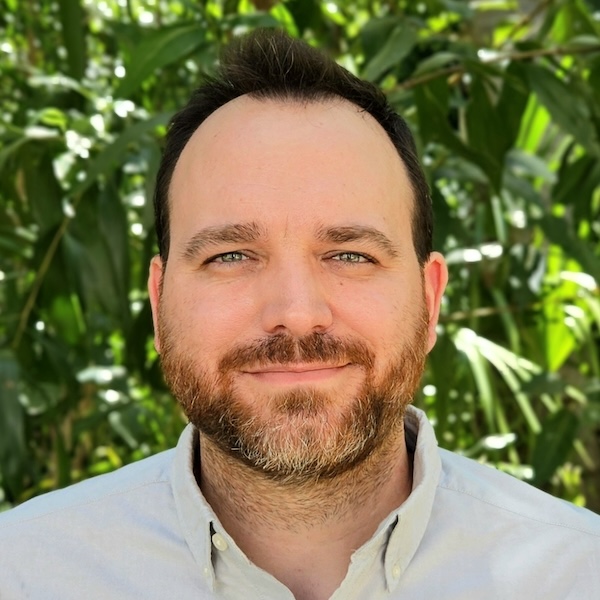
Romain Vaucher
- Senior Lecturer, Sedimentology
- romain.vaucher@jcu.edu.au
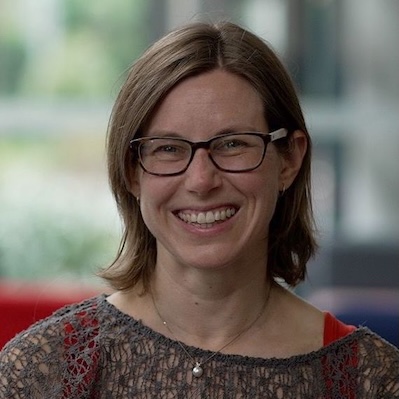
Jenny Fisher
- Associate Dean, Learning and Teaching
- jenny.fisher@jcu.edu.au

Ambili Narayanan
- Doctor of Philosophy (Natural and Physical Sciences)
- ambili.narayanan@my.jcu.edu.au

Sarfaraz Ali
- Postdoctoral Research Fellow
- sarfaraz.ali@jcu.edu.au

Mikaeylah Davidson
- Postdoctoral Research Fellow
- mikaeylah.davidson@jcu.edu.au
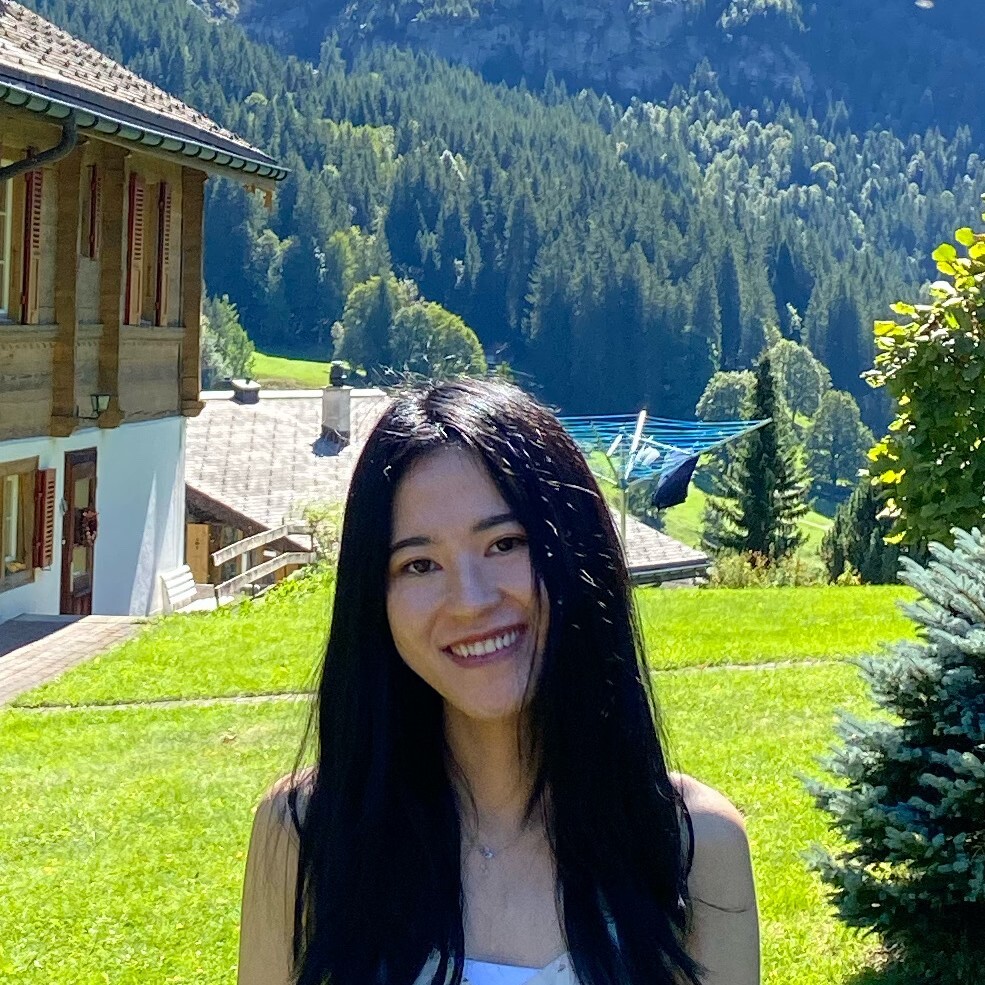
Liuxin Chen
- Lecturer
- liuxin.chen@jcu.edu.au
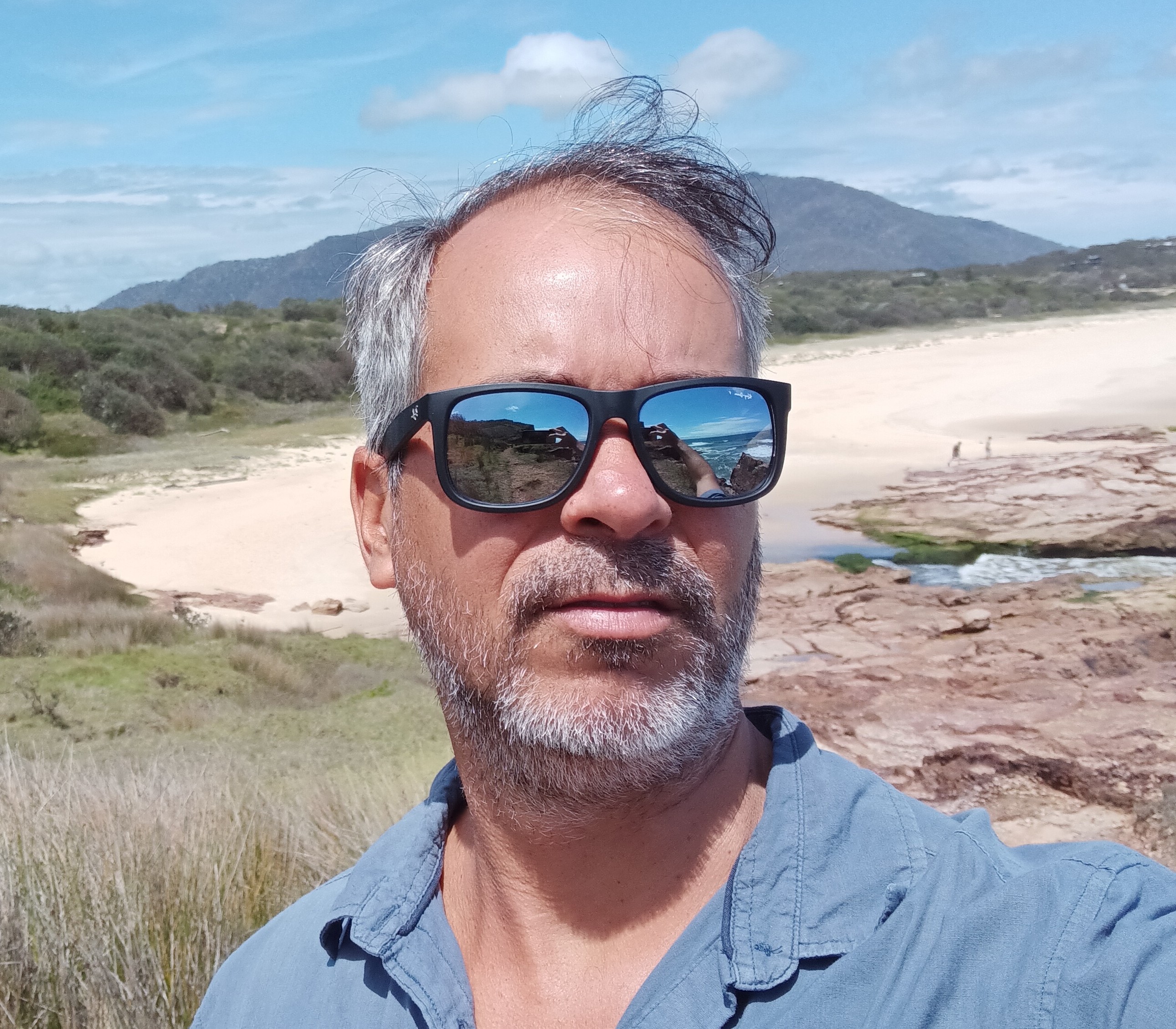
Rafael Cabral Carvalho
- Lecturer, Marine Geoscience
- rafael.cabralcarvalho@jcu.edu.au
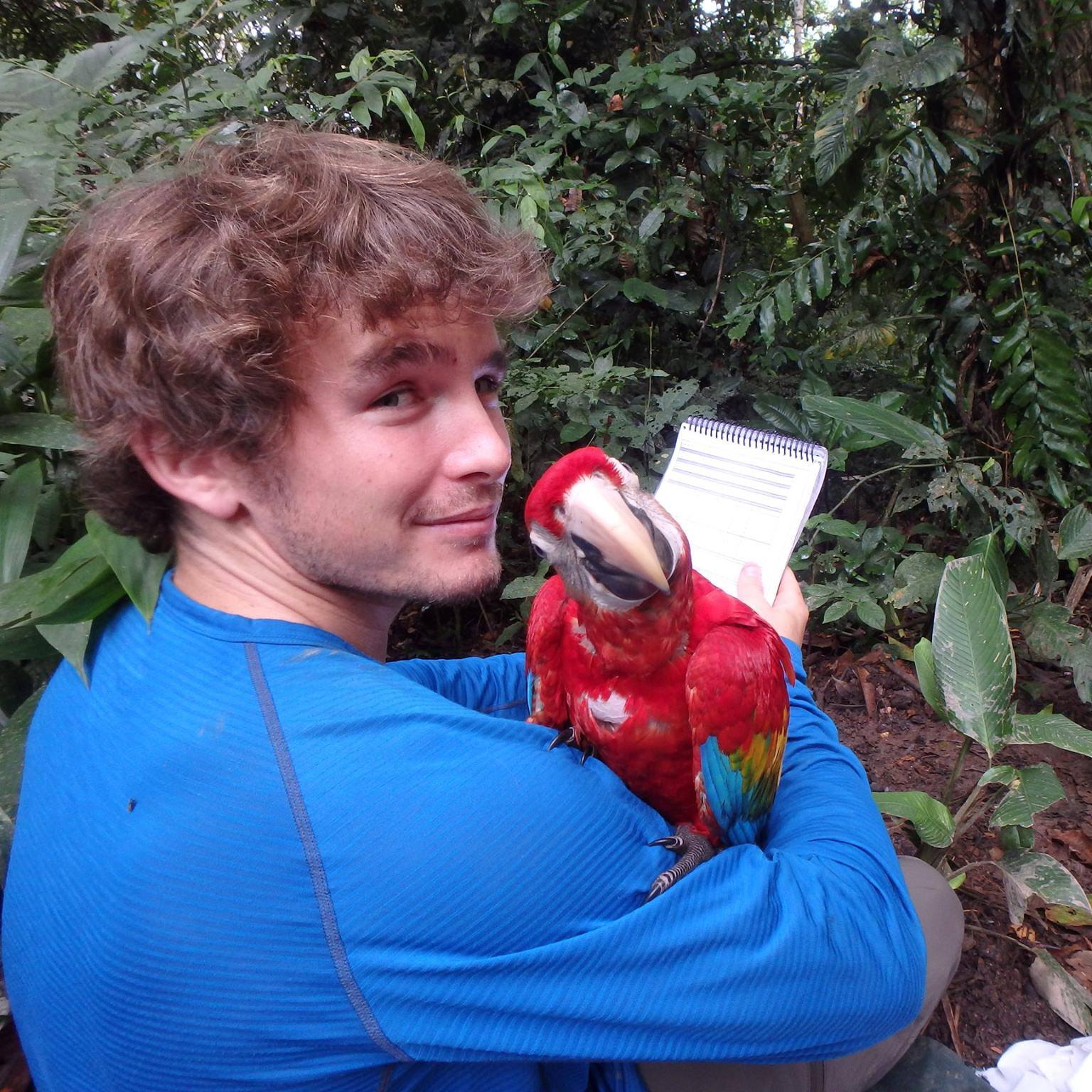
Tom Lloyd
- Postdoctoral Research Fellow, Global Ecosystems
- tom.lloyd@jcu.edu.au
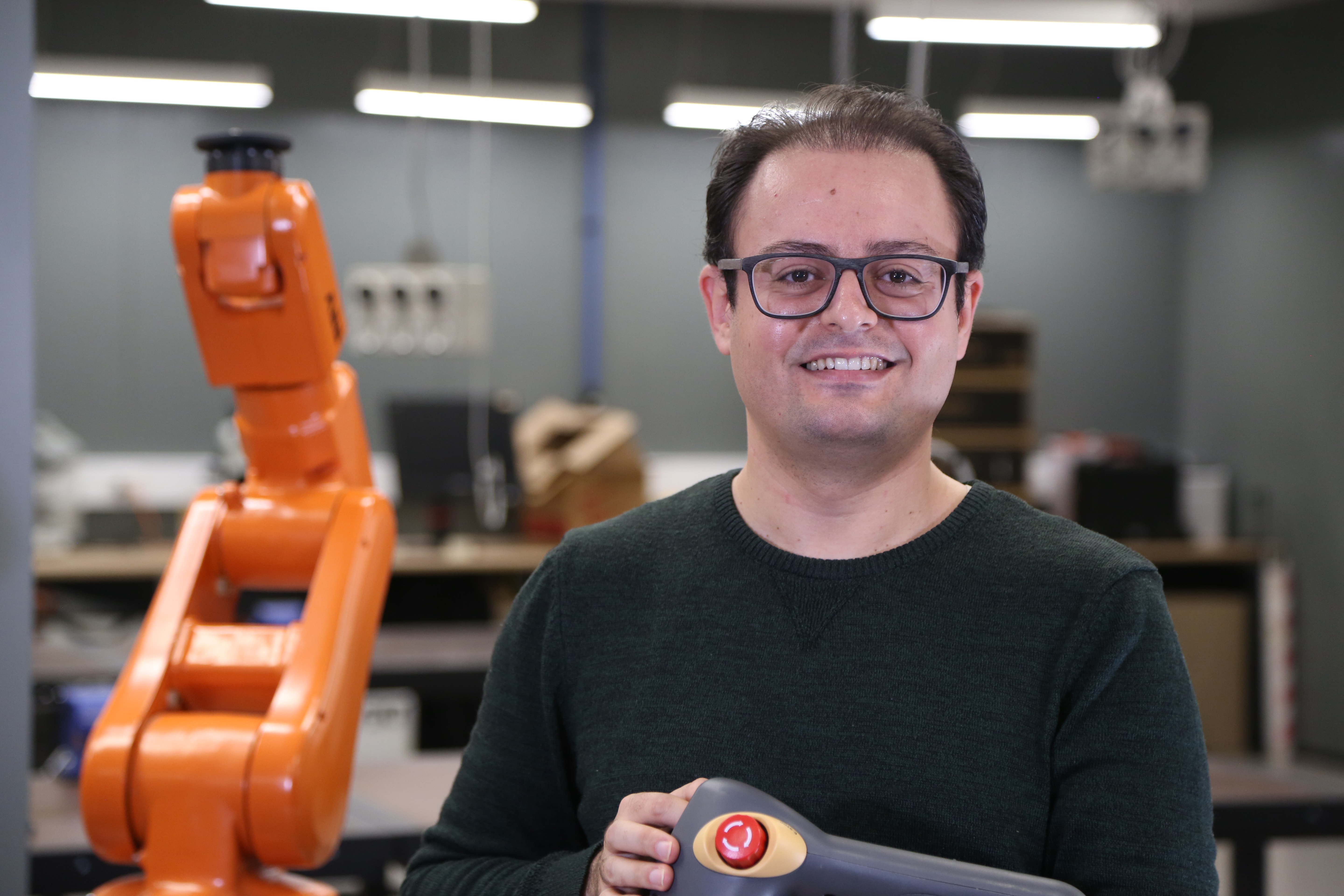
Mohamadreza Chalak Qazani
- Lecturer, Mechanical Engineering
- mohamadreza.chalakqazani@jcu.edu.au
Invasive Fish in Aquatic Habitats, Torres Strait Island (Old ID 21581)
Nathan Waltham
01 May 2014 - 10 Dec 2016
This project will assess and evaluate movement of invasive freshwater fish species from PNG to Torres Strait Islands. This project aims to understand the mechanisms of this migration (people, or environmental), and will examine ways to reduce the risk of pest freshwater fish species reaching northern Australian waters. A large component of this project is to prepare education material (websites, brochures) and conduct a range of workshops with Rangers community and schools. The success of this project is through a combination of scientific surveys and education.
Research to inform yellow crazy ant management in the Wet Tropics (Old ID 26714)
Lori Lach
01 Apr 2020 - 30 Jun 2025
Continuation and consolidation of four years of scientific activities to support yellow crazy ant eradication in the Wet Tropics (data analysis, monitoring non-target effects of baiting, probability of detection).
On the physiology of plant transpiration (Old ID 27163)
Lucas Cernusak
01 Jan 2021 - 31 Dec 2024
The aim is to better understand plant water use (transpiration): to determine the relative roles of the environment, both aerial [absorbed radiation, both long and short wave, humidity, windspeed and temperature] and below ground [e.g. soil moisture content and resistance to root penetration], and of the plant [stomata, water pathways inside the leaf, and root water status] in controlling transpiration rate. The project will improve formulae describing the environmental and biological aspects of transpiration. A novel technique will be developed to measure the water potential distribution within the leaf. Results will inform breeders of the abilities of different plants to transpire rapidly when demand is high, or to conserve water.
National Assessment of Climate-Driven Species Redistribution using Citizen Science Data (Old ID 27400)
Jan Strugnell
11 Oct 2021 - 31 May 2022
This project will develop a report card assessing Australian marine species to determine species that have undergone recent changes in distribution, either shifting into each State, or into new areas within States. This report card will draw upon citizen science databases and use a robust decision tree analysis developed by our team to outline which species are shifting, and with what degree of certainty. Project objectives are to 1. draw upon citizen scientists to identify climate-driven changes within the Australian marine estate; and 2. communicate to and engage with the public on issues of climate change and biodiversity using their own citizen science information. The report card can be used to drive public interest in the NESP Hub and in the status of biodiversity in Australia.
Resolving the blue-ringed octopus fauna of Australia: taxonomy, phylogeny and human health (Old ID 23007)
Jan Strugnell
01 Jan 2011 - 31 Dec 2017
Despite renowned toxicity and human fatalates, knowledge of the blue-ringed octopuses (genus Hapalochlaena) remains poor. Their taxonomy requires through revision: four species are currently considered valid, yet preliminary investigations by the applicants identify a total of at least 15 species worldwide, of which over half occur in Australia. This project aims to use taxonomic and molecular tools to: (1) revise the genus; (2) identify and describe Australian species; (3) describe distributions, habitats and biology; (4) investigate phylogeny and biogeography; and (5) provide crucial identification and health hazard information to scientific and wider audiences.
Ecoacoustic data analysis (Old ID 27596)
Lin Schwarzkopf
04 Jan 2022 - 15 Jun 2023
It is now possible to collect and store vast amounts of environmental sound, or bioacoustic data. The promise of environmental recording is that it could allows us to monitor populations of vocal fauna (birds, mammals and amphibians), but there is so much data, it is not possible for expert human listeners to listen to and identify each species. Thus, artificial intelligence, or AI methods would be useful. However, ecologists also lack the large amounts of labelled data required to easily create convolutional neural networks typically used for such tasks. To develop new AI approaches for monitoring fauna, we require skilled people. This grant is intended to support a post-doctoral fellow to conduct this work.
Developing Partnerships Towards Quantifying the Impacts of Climate Change on the Ocean Ecosystem Economy of the Pacific (Old ID 29030)
Reniel Cabral
01 Mar 2023 - 01 Mar 2025
This project will support the initial work of developing relationships with Pacific Island stakeholders and identifying opportunities for co-designing research based on climate changerelated priorities and needs of the Pacific Island Nations. In addition, this project aims to identify existing climate-related programs and initiatives in the Pacific that our team can build upon when designing our long-term research programs. The funding will be used for travel-related costs.
Geological Services, Geita Gold Mine (Old ID 19263)
Paul Dirks
01 Apr 2011 - 31 Dec 2017
The aim of the project is the development of new gold reserves from satellite pits and from the Kukuluma terrain, by building an integrated geological model for the entire tenement area. The area will be mapped, and a regional geological interpretation will be made as a basis for building a genetic model that will enable gold mineralization to be targeted, through ranking existing targets and generating new ones. A training strategy to improve the mine geology team will be implemented.
Palaeo-vegetation, biodiversity and early human dispersal through island Southeast Asia (Old ID 20779)
Michael Bird
01 Jan 2014 - 31 Dec 2016
This study will use newly developed and fully validated isotope techniques to obtain robustly dated proxy records of vegetation change from the thick deposits of cave guano that occur extensively throughout island Southeast Asia (Sundaland). We will test the hypothesis that during the Last Glacial Period, there was a substantial contraction of the rainforest towards the equator into refugia. This led to the development of an open ‘savannah corridor’ connecting savanna north and south of the equator. The project will shed new light on the palaeoclimatology of the region and provide a major contribution to explaining modern biogeographic patterns across Sundaland, as well as the trajectories of early human dispersal through the region.
Blue carbon and cane land restoration methods development (Old ID 26857)
Nathan Waltham
31 Dec 2019 - 16 Jul 2024
The Project seeks to advance the development of a blue carbon methodology under the Australian government’s emissions reduction fund, by undertaking a project to restore tidal connectivity and wetlands in a selected catchment. The Project team will collect baseline data (GHG emissions, carbon storage, water quality and biodiversity) to inform the blue carbon methodology and undertake post-restoration assessments to quantify carbon and co-benefits arising from the restoration. The Project also seeks to undertake terrestrial restoration on a small section of low productivity farmland, to quantify whether there is a business case for land use change to carbon farming in an intensive farming environment. The Project will then support the farmer/s within the Project boundary to transition to best management practice agriculture, and to quantify whether this transition satisfactorily offsets land taken out of production for the i) wetland restoration and ii) terrestrial revegetation undertaken.
Series solutions for seepage in three dimensional aquifers
- 2005
- Cambridge University Press
- Researchers:Shaun BelwardPatrick Higgins
Urban crime analysis through areal categorized multivariate association mining
- 2008
- Taylor & Francis
- Researchers:Ickjai Lee
Movement and distribution of young bull sharks Carcharhinus leucas in a variable estuarine environment
- 2008
- Inter-Research
- Researchers:Colin Simpfendorfer
A spatial assessment of the risk to a mobile marine mammal from bycatch
- 2008
- Wiley-Blackwell
- Researchers:Alana GrechHelene Marsh
No behavioural compensation for fitness costs of autotomy in a lizard
- 2005
- Wiley-Blackwell
- Researchers:Lin Schwarzkopf
An efficient iterative scheme for series solutions to Laplacian free boundary problems
- 2003
- Cambridge University Press
- Researchers:Shaun BelwardPatrick Higgins
Start Date:
10 Nov 2024
Start Date:
31 Mar 2025
Title:
Bengali
Reseracher:
Khandakar Faisal Ibn Murad
(Doctor of Philosophy (Engineering and Related Technologies))
Title:
English
Reseracher:
Khandakar Faisal Ibn Murad
(Doctor of Philosophy (Engineering and Related Technologies))
Start Date:
01 Jan 2024
Start Date:
01 Jan 2024
End Date:
01 Jan 2027
Start Date:
01 Jan 2014
Start Date:
01 Jan 2003
Title:
PhD, James Cook University
End Date:
01 Jan 2010
Start Date:
01 Jan 2024
End Date:
01 Jan 2024