
College of Science & Engineering

Sophia Love
- Doctor of Philosophy (Natural and Physical Sciences)
- sophie.love@jcu.edu.au
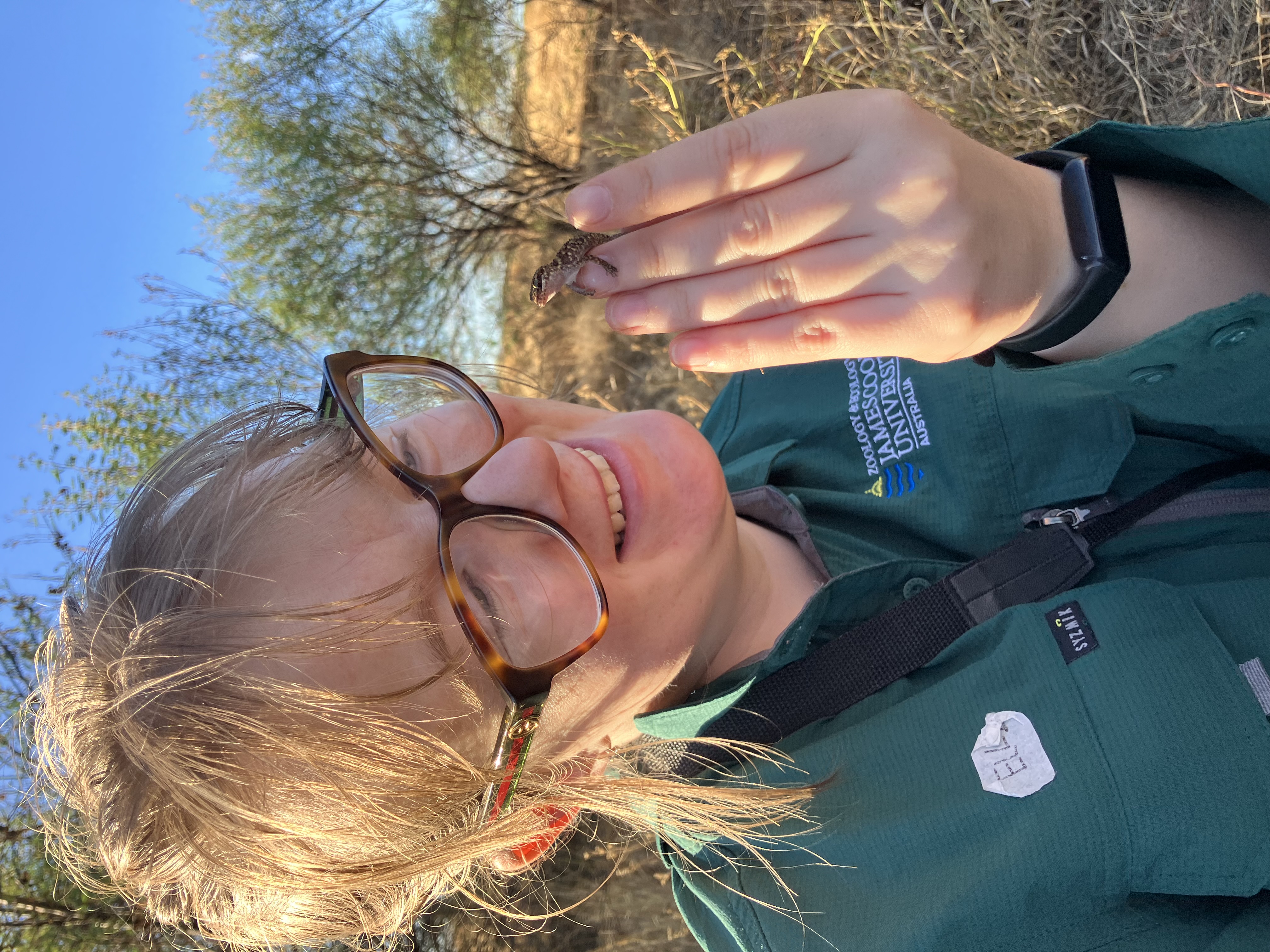
Elle Robertson
- Doctor of Philosophy (Agriculture, Environmental and Related Studies)
- elle.robertson@jcu.edu.au
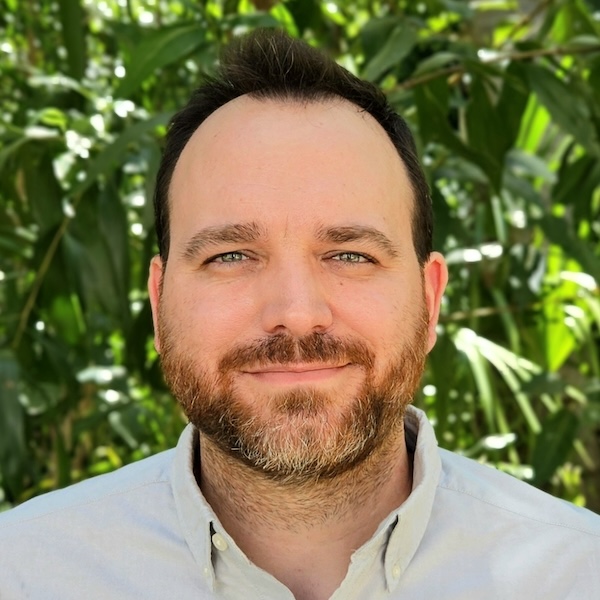
Romain Vaucher
- Senior Lecturer, Sedimentology
- romain.vaucher@jcu.edu.au

Jenny Fisher
- Associate Dean, Learning and Teaching
- jenny.fisher@jcu.edu.au

Ambili Narayanan
- Doctor of Philosophy (Natural and Physical Sciences)
- ambili.narayanan@my.jcu.edu.au

Sarfaraz Ali
- Postdoctoral Research Fellow
- sarfaraz.ali@jcu.edu.au

Mikaeylah Davidson
- Postdoctoral Research Fellow
- mikaeylah.davidson@jcu.edu.au

Liuxin Chen
- Adjunct Lecturer
- liuxin.chen@jcu.edu.au
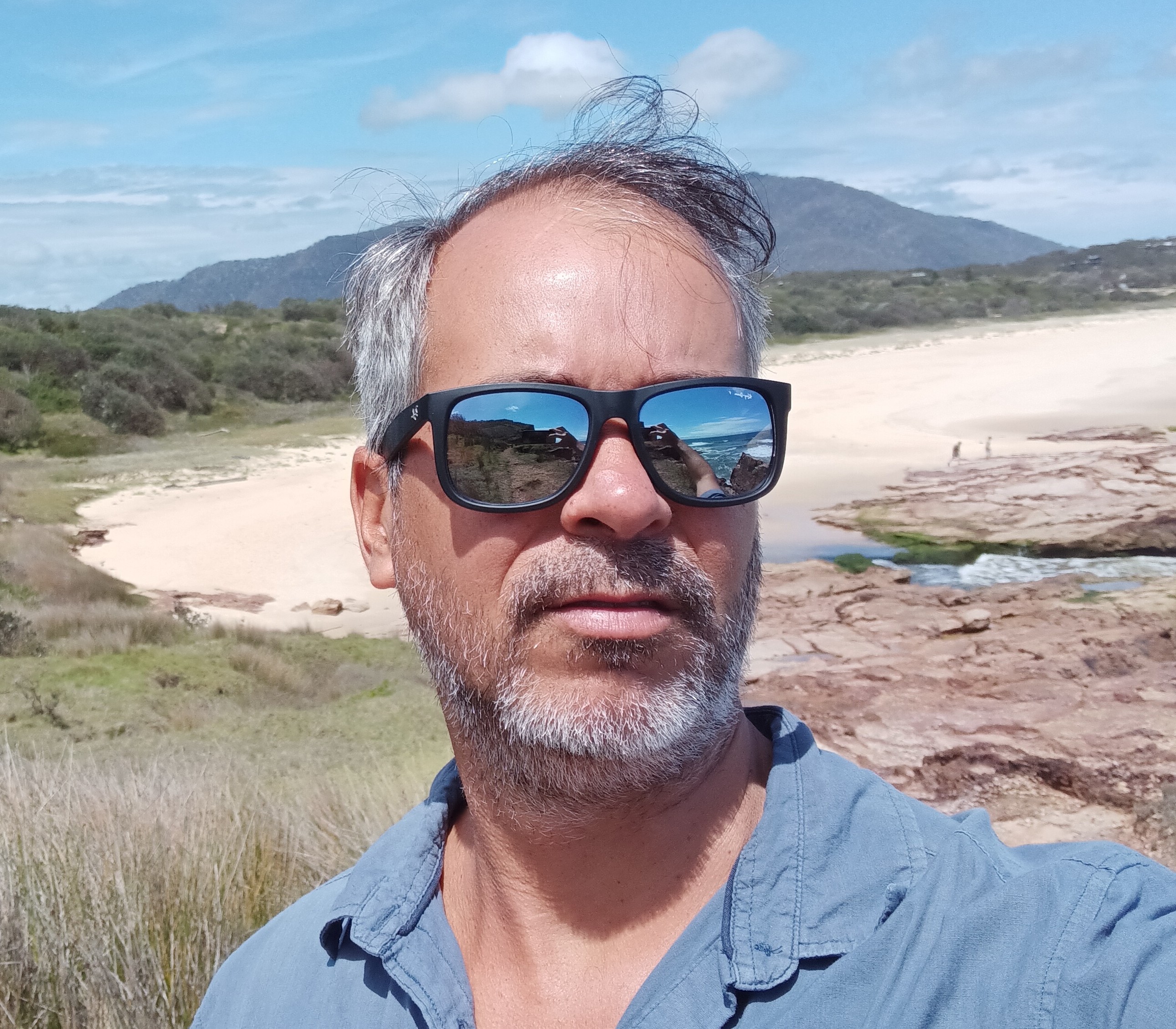
Rafael Cabral Carvalho
- Lecturer, Marine Geoscience
- rafael.cabralcarvalho@jcu.edu.au
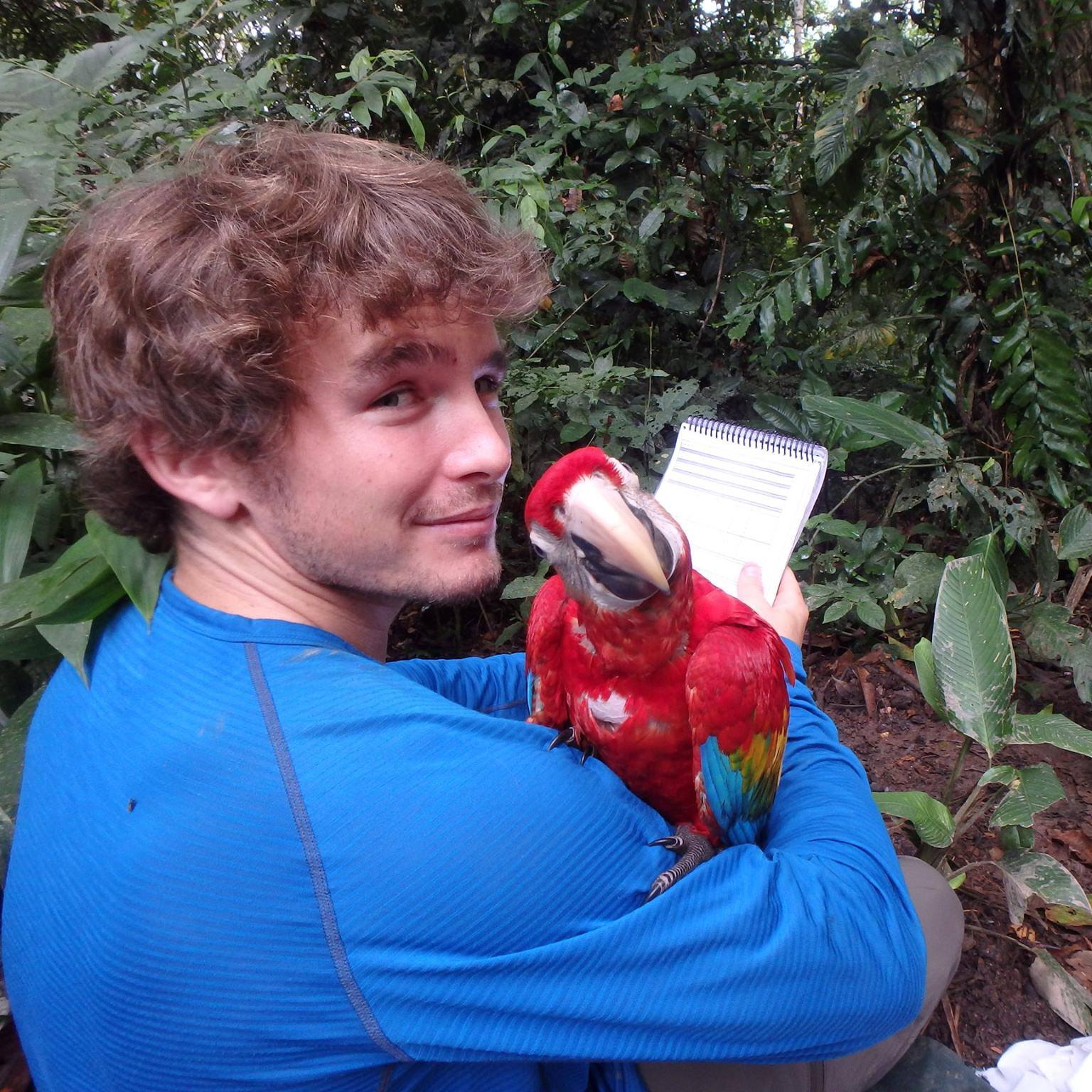
Tom Lloyd
- Postdoctoral Research Fellow, Global Ecosystems
- tom.lloyd@jcu.edu.au
North Queensland Proterozoic Metallogenesis (Old ID 27601)
This project will assess the metallogenic potential of the Croydon and southern Etheridge provinces including their potential to host critical mineral resources
FIS/2013/015 Sustainable Management of Sport Fisheries for Communities in Papua New Guinea (Old ID 21249)
The project aims to conduct the ecological, fisheries, social, business and tourism research needed to develop a viable local-based sport fishery for Black Bass in Papua New Guinea that can provide alternative livelihoods for local people.
Applying environmental DNA (eDNA) methods for Yellow crazy ant detection, a sensitive and less labour-intensive approach to invasive ant detection. (Old ID 27191)
Invasive invertebrates in Australia are estimated to impact agricultural production losses by $4.7 billion annually and cost up to $8 billion annually considering all impacts and expenses. More specifically, invasive ants are a significant threat to agricultural production, biodiversity, tourism, personal property, and local business and industry. Current methods for invasive ant detection (i.e. baited traps or cards, pitfall traps, and detection dogs) rely on trapping, smelling, or sighting active individuals and are therefore labour-intensive, costly, and highly reliant on weather conditions. The proposed project will apply environmental DNA methods for yellow crazy ant (YCA) detection. YCA has been listed as a high priority species under the National Invasive Ant Biosecurity Plan 2018-2028, and will be used as a case study. The proposed methodology could be applied to the existing infestations and taken up by farmers, as well as being applied to other terrestrial pests.
Supply of Impact Resistance (part 2) (Old ID 23212)
Collaborative project with Queensland Government to determine defining properties of variability and risk of wind driven debris impact testing in order to develop uniform code / standard for assessment of materials for cyclone shelters etc.
Smart Ear Tag for Livestock (Old ID 23414)
CeresTag is investing in the development of a smart ear tag for livestock to enable near real-time geo-location and health monitoring. The developed ear tag will be compliant with the current NLIS identification system and cost only marginally more than existing tags. This technology will revolutionise the industry through enhanced animal welfare, improved land management practices and increased profitability. It will form the starting point of block chain traceability that will underpin the continued success of this important component of the Australian economy and help maintain the premium status of Australian livestock products.
Shining a spotlight on dark taxa: an Integrated approach to species identification of Australian Museum black corals (Cnidaria: Antipatharia) (Old ID 27103)
I will image and identify black corals housed in AMRI based on branching pattern, spine attributes; and, polyp attributes as defined by the literature. Spines will be examined via imaging with a Scanning Electron Microscope (SEM). Specimens that cannot be identified from morphological features will be subject to molecular phylogenetic analysis (UltraConserved Elements [UCEs] and exon sequencing). I will extract DNA from tissue, and send DNA to Arbor Biosciences, USA for targeted UCE and exon sequencing. Phyluce software will be used for post-sequencing analyses, and maximum likelihood inference will be conducted on each alignment to add AMRI species to my UCE black coral phylogenetic tree.
Integrated reef fish monitoring - Nursery Seascapes (Old ID 27814)
A 2 year monitoring program to understand the abundance, diversity, and assemblage composition of Great Barrier Reef Fishes. Within this program, JCU Marine Data Tech will be working with project partners conducting bi-annual surveys of reef fishes in nursery seascapes in the central GBR. Data will be collected using stereo Remote Underwater Video Systems and processed using Artificial Intelligence computing.
RNA Sequencing investigation of box jellyfish, Chironex fleckeri, venom effect on human cell models. (Old ID 27838)
Box jellyfish (Chironex fleckeri) envenomation results in severe pain, inflammation, cardiovascular distress and causes approximately one death per year. However, the mechanism of action the venom induces these effects on humans is poorly understood. Currently, treatment typically consists of basic first aid and analgesia. This research will use RNA-sequencing to discover how human cell lines respond to C. fleckeri venom and its constituents. We believe this approach may contribute to an improved understanding of the mechanistic pathways involved in the venom's pathology and novel envenomation treatment.
Regional values across the North. (Old ID 27683)
The project will provide the QNA Section with a deeper understanding of regional values across the North through the analysis of interactions/relationships between major projects and regional environments and communities, and the discussion of significant potential impact themes. The project will support the development of more integrated environmental assessments and is strongly linked to the NESP Resilient Landscapes Hub, Project 1.32 Scoping Study: Supporting Regional Planning in Northern Australia under the Marine and Coastal Hub, and CRCNA investments in de-risking agriculture in Northern Australia.
The impact of yellow crazy ants on key invertebrates, skinks and frogs of the Wet Tropics (Old ID 23187)
This project aims to increase the understanding of the effects of the invasive yellow crazy ant. This will be achieved by conducting surveys of skinks, frogs and invertebrate across a number of sites. Certain sites will have crazy ant infestations, while others will be in similar, uninvaded habitats. Data from the invaded and uninvaded sites will be compared to examine the direct and indirect effects on biodiversity and community structure that yellow crazy ants have. This will allow us to better understand the risk they pose to the Wet Tropics World Heritage Area.
Organic matter, sodicity and soil structure
- 1998
- Oxford University Press
- Researchers:Paul Nelson
Start Date:
10 Nov 2024
Start Date:
31 Mar 2025
Title:
Bengali
Reseracher:
Khandakar Faisal Ibn Murad
(Doctor of Philosophy (Engineering and Related Technologies))
Title:
English
Reseracher:
Khandakar Faisal Ibn Murad
(Doctor of Philosophy (Engineering and Related Technologies))
Start Date:
01 Jan 2024
Start Date:
01 Jan 2024
End Date:
01 Jan 2027
Start Date:
01 Jan 2014
Start Date:
01 Jan 2003
Title:
PhD, James Cook University
End Date:
01 Jan 2010
Start Date:
01 Jan 2024
End Date:
01 Jan 2024