
College of Science & Engineering

Sophia Love
- Doctor of Philosophy (Natural and Physical Sciences)
- sophie.love@jcu.edu.au
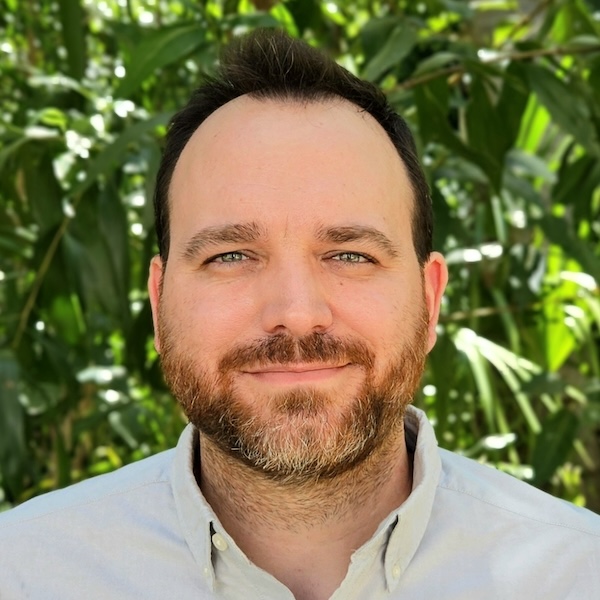
Romain Vaucher
- Senior Lecturer, Sedimentology
- romain.vaucher@jcu.edu.au
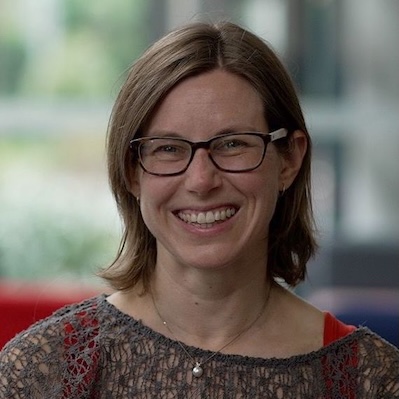
Jenny Fisher
- Associate Dean, Learning and Teaching
- jenny.fisher@jcu.edu.au

Ambili Narayanan
- Doctor of Philosophy (Natural and Physical Sciences)
- ambili.narayanan@my.jcu.edu.au

Sarfaraz Ali
- Postdoctoral Research Fellow
- sarfaraz.ali@jcu.edu.au
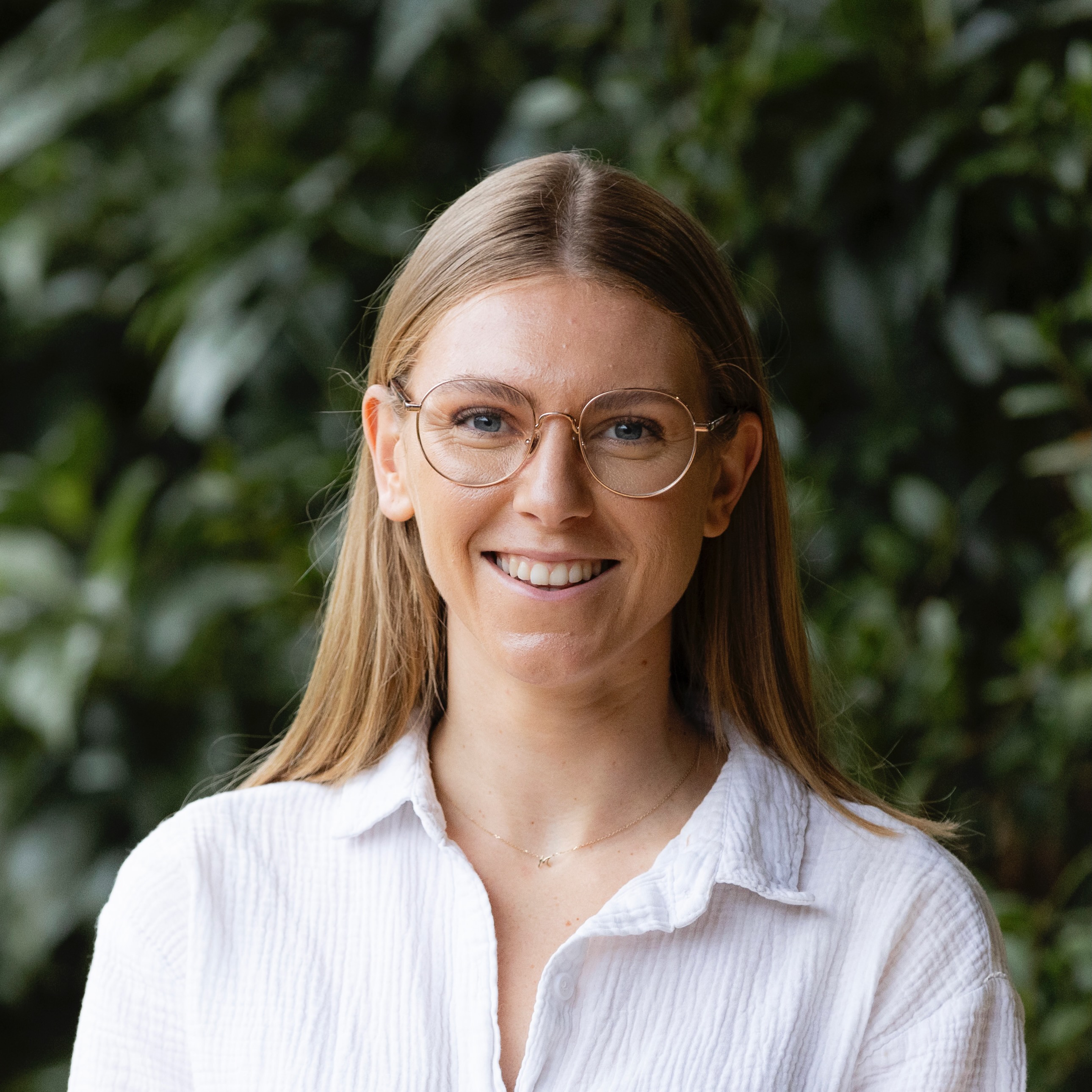
Mikaeylah Davidson
- Postdoctoral Research Fellow
- mikaeylah.davidson@jcu.edu.au

Liuxin Chen
- Lecturer
- liuxin.chen@jcu.edu.au
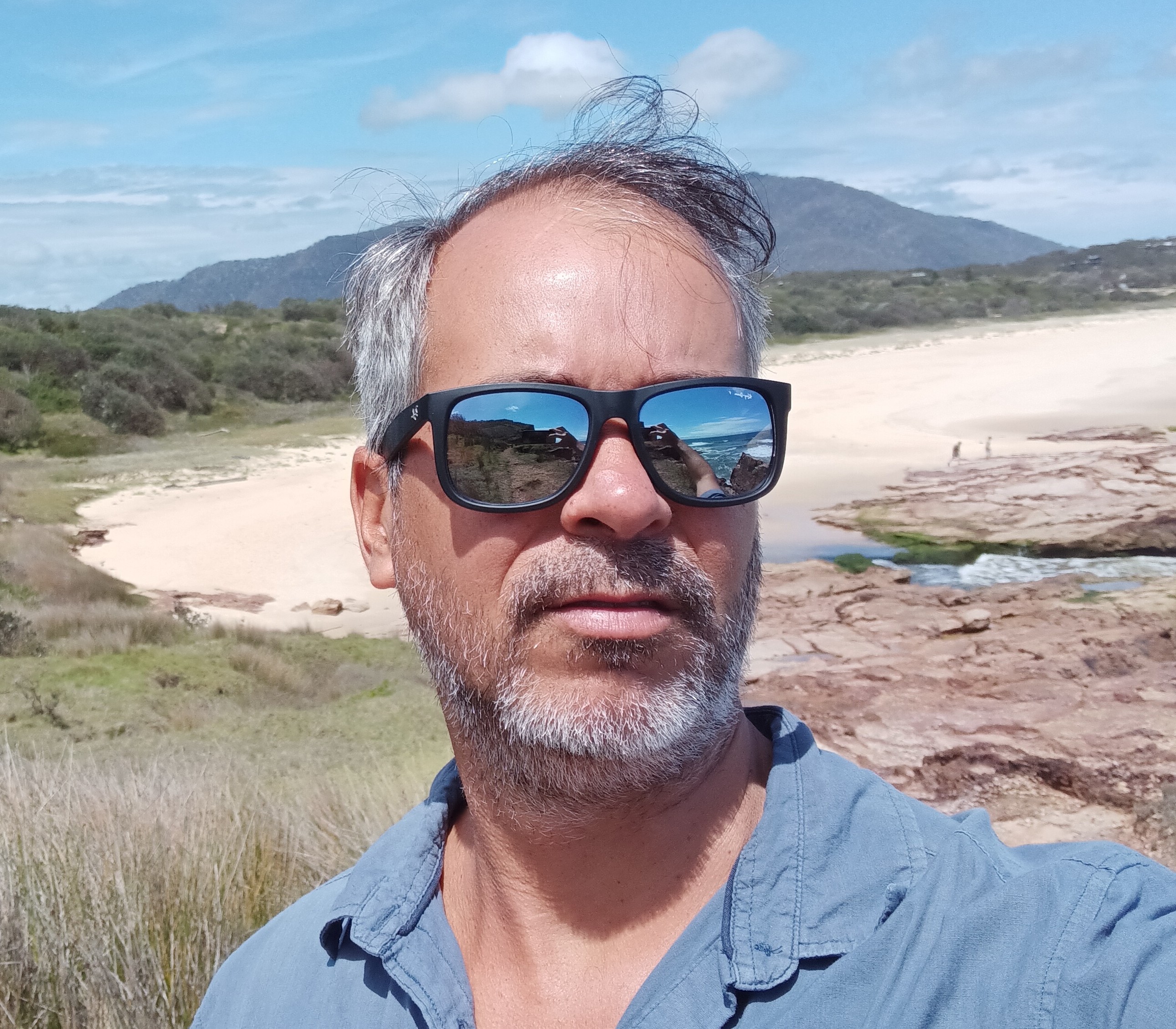
Rafael Cabral Carvalho
- Lecturer, Marine Geoscience
- rafael.cabralcarvalho@jcu.edu.au
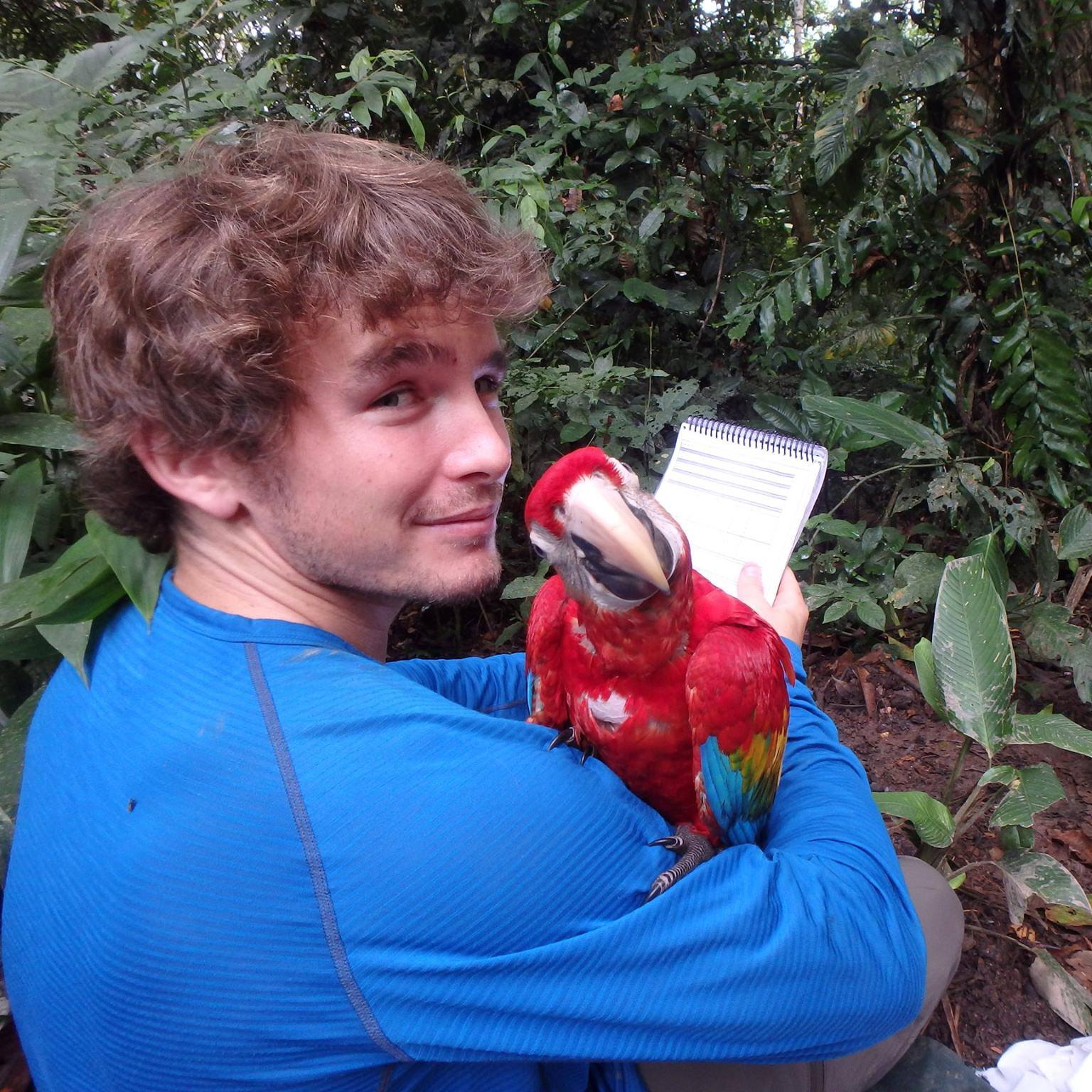
Tom Lloyd
- Postdoctoral Research Fellow, Global Ecosystems
- tom.lloyd@jcu.edu.au
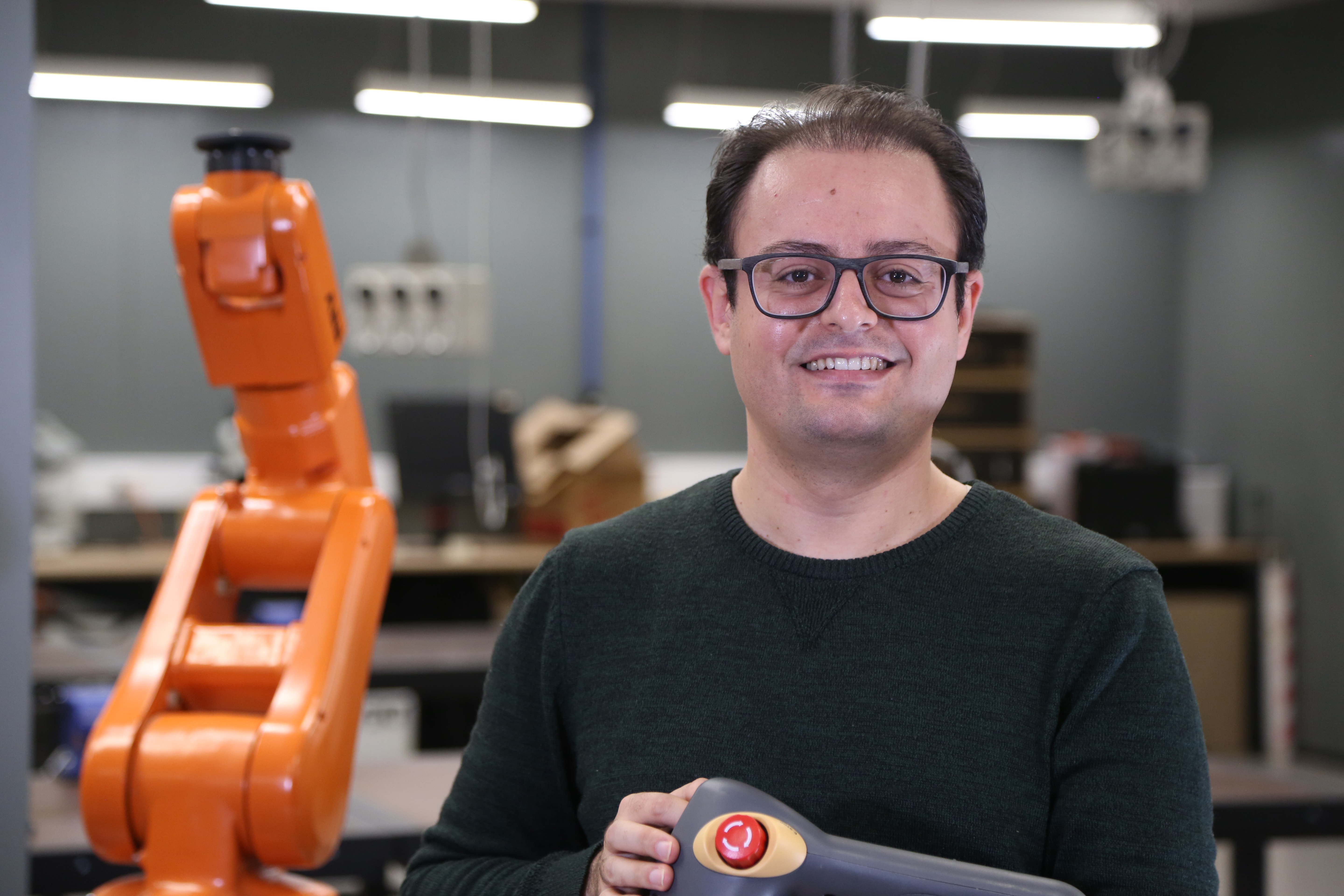
Mohamadreza Chalak Qazani
- Lecturer, Mechanical Engineering
- mohamadreza.chalakqazani@jcu.edu.au
Incorporating fisheries, food security, livelihoods, and tourism in Marine Protected Area designs in Indonesia – Part 1: Scoping (Old ID 31112)
Reniel Cabral
01 Aug 2023 - 29 Feb 2024
This scoping project funds the initial work of strengthening the relationships with Indonesian researchers and governments, with the long-term goal of generating the science and tools for designing and implementing marine protected areas that support Blue Economy (i.e., fisheries, food security, livelihoods, and tourism) in Southeast Asia and the Pacific.
Invasion Alert—A Machine Learning-based Platform for Invasive Ant Detection and Recognition (Old ID 27268)
Lori Lach
01 Jul 2021 - 30 Jun 2023
For control/eradication measures to be effective, early detection of invasive ants is essential. Current conventional methods require taxonomic expertise and are time and labour intensive. This project will develop a vision-based platform that uses machine learning for the real-time detection and identification of established invasive ants in Australia. This will provide an automated, cost-effective monitoring tool that can speed up the detection and identification process, thus enable efficient and timely response to the potential spread of these species.
OPTIMISATION OF THE PROCESSING PLANT FOR GOLD EXTRACTION. (Old ID 27575)
Elsa Antunes
21 Feb 2022 - 30 Nov 2022
This project with Minjar Gold involves thesis students solving industry related problems. Therefore, the funding provided by Minjar Gold in mainly to cover analysis that will be performed at the AAC. The main objective is to optimise the production of gold covering 3 main aspects: (1) exploring alternatives to slurry dewatering; (2) investigating pump capacity within Processing Plant and suggest alternatives; (3) investigating and modelling the average slurry residence time in the adsorption tanks in different scenarios.
Geological characteristics, genesis and ore controlling factors of the Tick Hill Au deposit, Dajarra District, NW Queensland, Australia (Old ID 24727)
Paul Dirks
27 Nov 2017 - 31 Jan 2021
The project aims to: 1. investigate and document the geological and geochemical features of the Tick Hill gold deposit, including understanding the structural evolution lmagmaticl history, alteration style andl mineralisation; 2. classify the deposit and improve the understanding of the genesis; 3. identify the factors controlling the locationh and formation of the deposits such as structural architecture, controls of host rocks and intrusions; and 4. discover lmineralogical, textural and geochemical zoning patterns that could gbe used as vectors to ore. A geological model will be developedfor use in exploration targeting.
A machine-learning training library of intertidal seagrass ecosystems to support Australia's National Ocean Accounts. (Old ID 27414)
Nicholas Murray
06 Dec 2021 - 01 Apr 2022
The Australian Government, as a member of the High Level Panel for Sustainable Ocean Economy (Ocean Panel), has committed to a range of priority actions, including the development of a complete sequence of national ocean accounts. Seagrass extent and annual change is an integral part of the accounts. Training data on intertidal seagrass extent is needed to support the development of a national intertidal seagrass extent map, which will be a key deliverable of the National Ocean Accounts. This project will therefore conduct the necessary image interpretation tasks to deliver a machine-learning ready training set of Australia’s intertidal seagrass ecosystems.
The ecological and evolutionary legacy of extreme climatic events for food web resilience (Old ID 27891)
Megan Higgie
01 Jan 2023 - 31 Mar 2026
There is growing evidence that extreme events such as heatwaves will have the most immediate and harmful effects on plants and animals as the climate changes. This is particularly true for species-rich tropical ecosystems, where recent heatwaves have already caused severe population crashes for some species. We therefore need to understand what happens when whole communities of interacting species are subjected to a heatwave or other extreme climatic event. To understand fully how and why ecological communities are altered by extreme events, we need to carry out experiments simulating extreme conditions and follow the consequences over multiple generations. In most contexts such experiments would be practically or ethically impossible. However, we can design experiments that do exactly this by focusing on a special study system: food webs of Drosophila fruit flies and the parasitic wasps that consume them in the rainforests of tropical Queensland.
Research to support sustainable coral harvesting by Australian aquarium industry (Old ID 23641)
Morgan Pratchett
13 Jul 2017 - 12 Jul 2018
An Advance Queensland Knowledge Transfer Partnerships grant awarded to Ultra Coral Australia Pty Ltd is being used to part fund the appointment of a PhD graduate from James Cook University, Dr Ciemon Caballes, to undertake research into the improved sustainability of wild coral harvesting on Australia’s Great Barrier Reef. A portion of the grant is awarded directly to JCU to facilitate direct engagement with Ultra Coral Australia Pty Ltd and the recently appointed graduate, further establishing industry links and direct application of ongoing research.
Microanalytical Facility Supporting Resources Development and Manufacturing (Old ID 27524)
Paul Dirks
20 Jul 2022 - 30 Jun 2023
The project aims to establish a state-of-the-art electron probe microanalysis facility enabling accurate chemical analysis to be undertaken at the micro-scale. It is expected to provide new knowledge and support applied research on a range of natural, synthetic and processed materials that will deeply impact advancements in the fields of metals processing and recycling, Earth and environmental science, and the development of materials for a healthier society. It will support ARC funded and industry engaged research enhancing the minerals exploration, mining and metallurgical industries and inform sustainable practice. It will also provide the key research infrastructure to enhance Australia’s research leadership in these fields.
Investigating the Link between Mineralised Shear Zones and Subsurface Granites for Rare Earth Element Exploration in Australia: A Geophysical Study of the Mary Kathleen Syncline
Melanie Finch
13 Apr 2023 - 31 Dec 2024
$10,000 grant from the Australian Society of Exploration Geophysicists Research Foundation paid to Peter Betts at Monash University, which is being transferred to Melanie Finch at James Cook University to engage and supervise her PhD student Alanis Olesch-Byrne to complete the Research Project, providing logistic support for field work and supervision expertise related to the geology of the region.
Supercharging barramundi production through advanced selective breeding for improved disease resistance, growth and fillet traits
Dean Jerry
01 Jan 2021 - 31 Dec 2025
Barramundi, or Asian seabass, Lates calcarifer, is the major aquaculture species farmed in Singapore and has wide consumer acceptance
due to its white, firm flesh. The barramundi currently farmed in Singapore, however, have not been significantly improved through
simultaneous selection to be resistant to major diseases (like scale drop disease), faster growth, or fillet characteristics. This project will use
gold standard breeding methodologies that utilise genomics, industrial-scale phenotyping and cutting-edge digital technologies to select for
barramundi that are more productive, have whiter flesh and possess a lower risk to farming due to disease in Singaporean waters.
Outcomes from the project will be barramundi that have average survival to scale drop disease of 60%, grow 15% faster, and have
increased fillet yields and white flesh colouration.
Determinants of asthma phenotypes in supermarket bakery workers
- 2009
- European Respiratory Society
- Researchers:Ludwig Lopata
Start Date:
10 Nov 2024
Start Date:
31 Mar 2025
Title:
Bengali
Reseracher:
Khandakar Faisal Ibn Murad
(Doctor of Philosophy (Engineering and Related Technologies))
Title:
English
Reseracher:
Khandakar Faisal Ibn Murad
(Doctor of Philosophy (Engineering and Related Technologies))
Start Date:
01 Jan 2024
Start Date:
01 Jan 2024
End Date:
01 Jan 2027
Start Date:
01 Jan 2014
Start Date:
01 Jan 2003
Title:
PhD, James Cook University
End Date:
01 Jan 2010
Start Date:
01 Jan 2024
End Date:
01 Jan 2024