
College of Science & Engineering

Sophia Love
- Doctor of Philosophy (Natural and Physical Sciences)
- sophie.love@jcu.edu.au
Romain Vaucher
- Senior Lecturer, Sedimentology
- romain.vaucher@jcu.edu.au
Jenny Fisher
- Associate Dean, Learning and Teaching
- jenny.fisher@jcu.edu.au

Ambili Narayanan
- Doctor of Philosophy (Natural and Physical Sciences)
- ambili.narayanan@my.jcu.edu.au

Sarfaraz Ali
- Postdoctoral Research Fellow
- sarfaraz.ali@jcu.edu.au
Mikaeylah Davidson
- Postdoctoral Research Fellow
- mikaeylah.davidson@jcu.edu.au
Liuxin Chen
- Lecturer
- liuxin.chen@jcu.edu.au
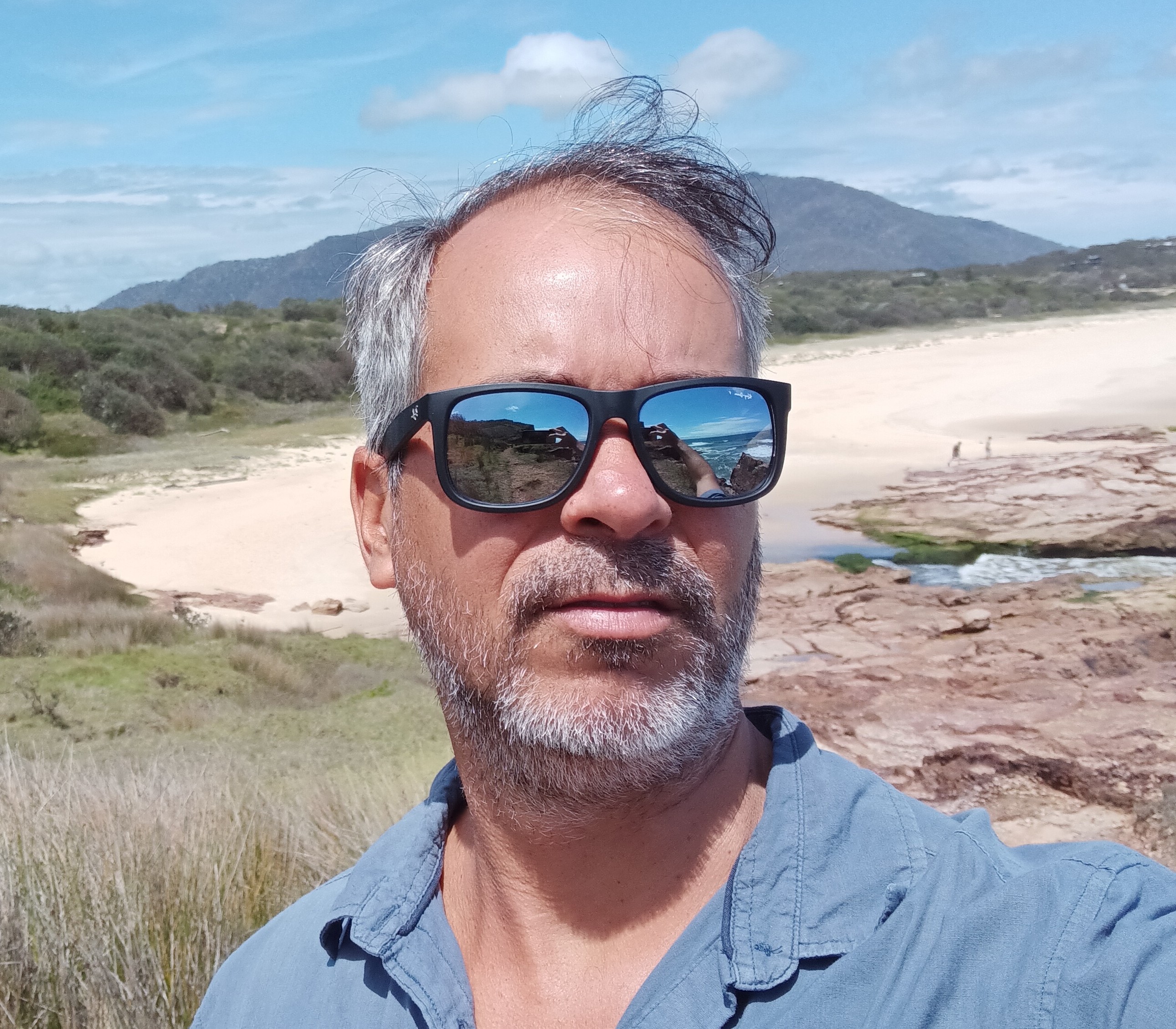
Rafael Cabral Carvalho
- Lecturer, Marine Geoscience
- rafael.cabralcarvalho@jcu.edu.au
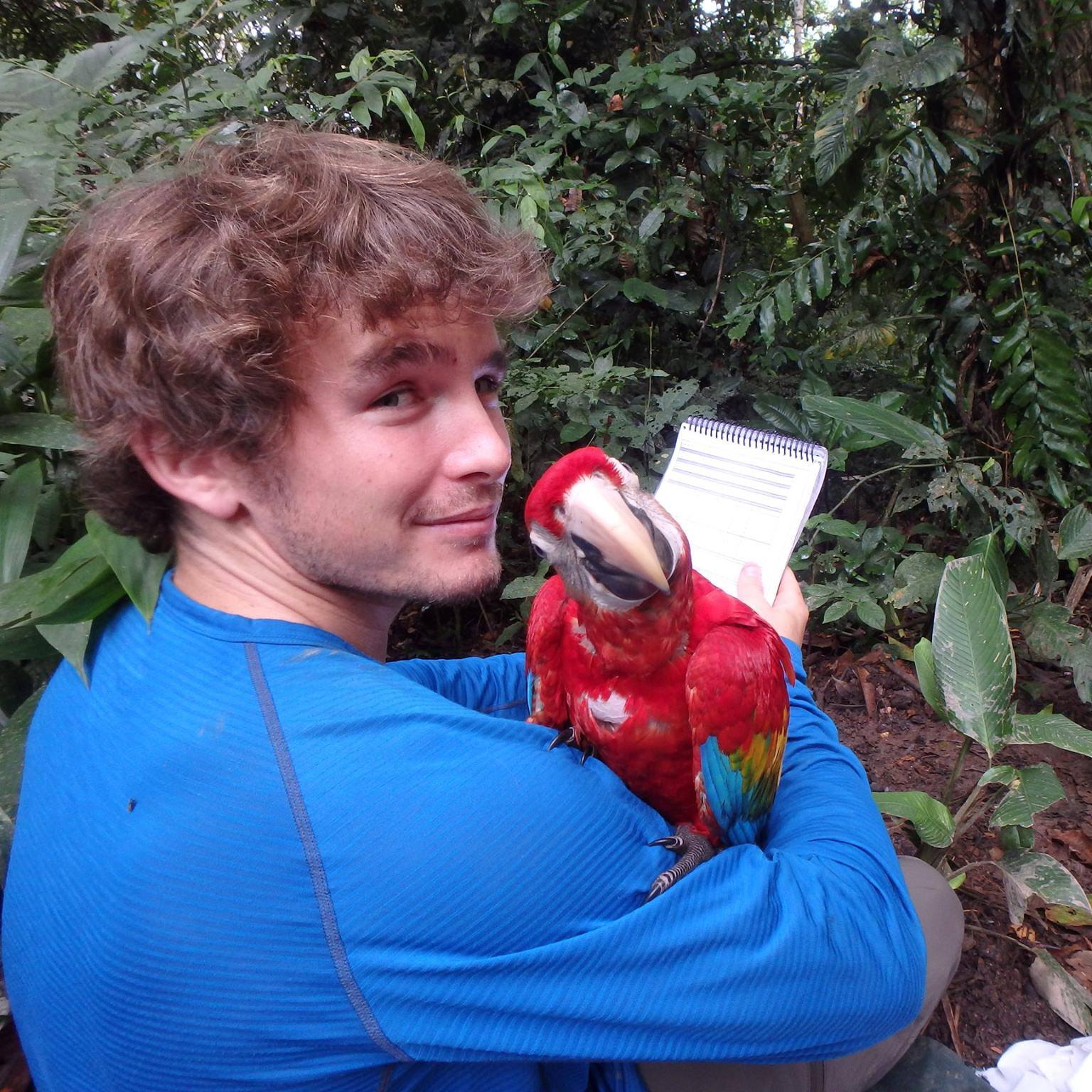
Tom Lloyd
- Postdoctoral Research Fellow, Global Ecosystems
- tom.lloyd@jcu.edu.au
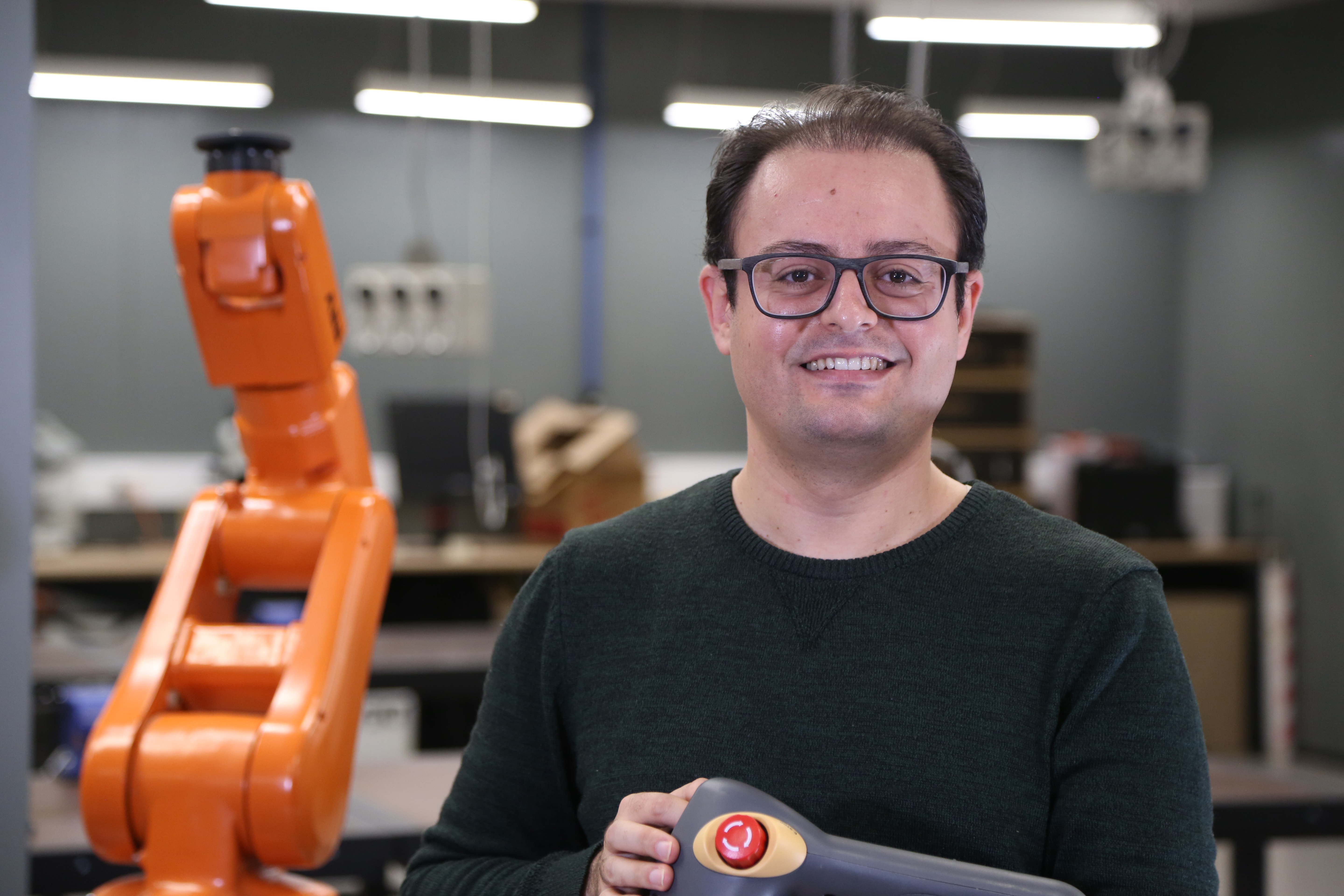
Mohamadreza Chalak Qazani
- Lecturer, Mechanical Engineering
- mohamadreza.chalakqazani@jcu.edu.au
Grouper nutrition review (Old ID 26828)
Leo Nankervis
15 Apr 2020 - 29 Jan 2021
A new ACIAR Concept Note is in preparation for the continuation of ACIAR investment in hybrid grouper aquaculture in Vietnam (FIS/2020/106). In parallel with the development of the Concept Note that will include a high level approach to nutrition research, a desk-top review of existing research is needed to prepare a targeted and practical research focus for the grow-out nutrition component of the project. The frequency of publication of peer-reviewed articles in grouper nutrition is ever increasing and understanding the current status of research is critical in order to maximise ACIAR investment in this area. The review will inform the detail of the experimental approach in the next ACIAR project, which needs to be planned in advance of the project start to maximise outcomes (possible start in July 2021). In addition, the COVID-19 pandemic has prevented further scoping travel to Vietnam in the short-term which will necessitate careful remote planning with proposed research partners to identify the most appropriate research systems and resource requirements in Vietnam and Australia for this research component (to be considered in time for resource requirements to be included in the Concept Note submitted in June 2019).
Developing Bioinformatics Capability to Diagnose Infectious Diseases using Clinical Metagenomics (Old ID 27176)
Matt Field
01 Jan 2022 - 31 Dec 2026
Current pathogen identification techniques are limited in terms of their speed, accuracy and inability to detect exotic pathogens. Using an unbiased metagenomic sequencing approach offers an improvement over current practice however supporting bioinformatics workflows are needed to support clinical implementation. This work can have enormous global reach with half the world’s population living in the tropics by 2050, many with limited healthcare options.
Sequestering carbon and improving sugarcane productivity by enhanced weathering of basalt (Old ID 23432)
Paul Nelson
01 Jun 2017 - 31 May 2026
Arresting the build-up of atmospheric CO2 is one of humanity's biggest challenges. In geological time, the weathering of rocks consumes CO2, which is then sequestered as limestone in the ocean, but the natural rate of this process is very slow. In this project we will determine the feasibility of accelerating weathering by introducing crushed basalt (a common and easily weathered rock) into the place on earth with highest CO2 production and potential weathering rates - topsoil in the humid tropics. We will also examine the effects on soil condition and crop growth, which are likely to be beneficial.
Kimberley - Wet Tropics Wildlife on Virtual Reality (Old ID 23592)
Ickjai Lee
20 Jul 2017 - 31 Dec 2017
This project will further develop 'Kimberley' the 3D virtual reality tree-kangaroo to the stage where the 'experience' can go live to the public at the Malanda Falls Visitor Centre. This project further extends 3D tree-Kangaroo with Virtual Reality and artificial intelligence.
Developing an innovative low-power and high-speed architecture for smart machines (Old ID 25065)
Mostafa Rahimi Azghadi
01 Jul 2018 - 31 Dec 2018
This project aims to significantly improve the processing speed and power consumption of intelligent, mobile computing devices. Using a novel computing architecture inspired by the low-energy, parallel processing of the brain, the project will overcome a major impediment to progress, that placing ever more transistors on electronic chips is reaching its physical limits. The intended outcomes include important theoretical advances in electronic engineering, a new architecture enabling intelligent devices to operate independently of remote supercomputers, and a software trial in a robot. Applicable to devices ranging from smartphones to medical diagnostic equipment to autonomous vehicles, the new architecture promises significant benefits.
Spatial predictions of changes in forest biomass carbon (TLJV Postdoctoral project) (Old ID 22356)
Michael Liddell
01 Jul 2015 - 31 Dec 2017
This project will enable the appointment of a Postdoctoral Fellow who will work with JCU and CSIRO researchers to better link ground-based measures of biomass with remote sensing tools. This will provide spatial predictions of changes in biomass carbon with known certainty. Specific tasks for the first year of the project will include three stages of work, each focusing on TERN Supersites. The Supersites involved are FNQ Rainforest Robson Creek (Qld), Warra Tall Eucalypt (TAS and Calperum Malee (SA).
Tackling Frog Disease (Old ID 22979)
Lin Schwarzkopf
01 Jan 2016 - 30 Sep 2024
Chytridiomycois is one of the most dramatic and important emerging infectious diseases in wildlife. It is caused by a fungal pathogen (Batrachochytrium dendrobatidis or Bd), which parasitizes the skin of amphibians. This highly contagious pathogen has been responsible for making frogs the most endangered vertebrates on earth. Remarkably, some populations that experienced drastic declines have recovered, and now appear to coexist with the fungus, but the nature of their recovery remains a mystery. There are a a range of possible complex and interacting reasons why frog populations may coexist with this disease, which could be evolutionary, behavioural, environmental, or ecological. We are examining possible reasons for coexistence, to find approaches to aid populations that persist but are not recovering.
A new functional approach to coral reefs (Old ID 26230)
David Bellwood
01 Jan 2020 - 31 Dec 2024
Around the world coral reefs are changing fast, challenging traditional scientific, management, and governance approaches. This project will address this challenge by implementing a new function, approach exploiting a unique combination of evolution ary and ecological methodologies. Expected outcomes include a global overview of ecosystem function and an in-depth understanding of how ecosystems change. This is likely to result in specific, and practical, management objectives by identifying crucial ecosystem functions that support reefs and the people who rely on them.
Assessment of Community Livelihood needs to support Australia’s Marine Resources Initiative in the Asia-Pacific Region (Old ID 27267)
Amy Diedrich
09 Jun 2021 - 30 Sep 2022
The global community has committed to increasing the economic benefit that Small Island Developing States and less developed countries derive from marine resources by 2030 (UN 2015). This commitment was reflected in the Prime Minister’s statement at the November 2020 ASEAN-Australia Summit where he announced the Marine Resources Initiative (MRI), and pledged to support maritime states in Southeast Asian countries to “develop their marine resources sustainably and address challenges through enhanced training, technical advice and cooperation” (https://www.pm.gov.au/media/investing-our-southeast-asian-partnerships). This project will conduct an assessment of coastal community livelihood needs to inform DFAT’s policy on maritime resource development and support the MRI in selected southeast Asian countries. The project will focus onWestern Philippines and Northern Indonesia and will culminate in recommendations on interventions to support coastal communities to develop their maritime resources sustainably. More broadly, this will contribute to supporting regional maritime states to achieve more equitable and sustainable maritime resource development.
Cu isotope characterization of waters in the Mt Windsor Sub-Province, NE QLD (Old ID 27379)
Brandon Mahan
14 Sep 2021 - 15 May 2022
Minotaur Operations has received funding through the Geological Survey of Queensland (GSQ) for copper isotope characterisation of groundwater sampled from active bores in the immediate vicinity of its Windsor Project in NE Queensland. The Mount Windsor Subprovince terrane covers significant Volcanogenic Massive Sulphide (VMS) deposits and prospects, and VMS deposits in the district all contain New Economy Minerals including Cd, Cu, Au, In, Ag, and Zn. Building on existing JCU research findings, this collaborative project will characterize up to 50 water bores for major/trace elements and Cu isotopes, towards determining elemental/isotopic anomalies which may indicate mineralization and therefore aide Minotaur’s exploration program.
Natural convection boundary layers on evenly heated plates
- 2005
- Curtin University of Technology
- Researchers:Wenxian Lin
Evacuated non-tubular solar thermal collectors
- 2005
- Australian & New Zealand Solar Energy Society
- Researchers:Wenxian Lin
Start Date:
10 Nov 2024
Start Date:
31 Mar 2025
Title:
Bengali
Reseracher:
Khandakar Faisal Ibn Murad
(Doctor of Philosophy (Engineering and Related Technologies))
Title:
English
Reseracher:
Khandakar Faisal Ibn Murad
(Doctor of Philosophy (Engineering and Related Technologies))
Start Date:
01 Jan 2024
Start Date:
01 Jan 2024
End Date:
01 Jan 2027
Start Date:
01 Jan 2014
Start Date:
01 Jan 2003
Title:
PhD, James Cook University
End Date:
01 Jan 2010
End Date:
01 Jan 2003