
College of Science & Engineering

Sophia Love
- Doctor of Philosophy (Natural and Physical Sciences)
- sophie.love@jcu.edu.au
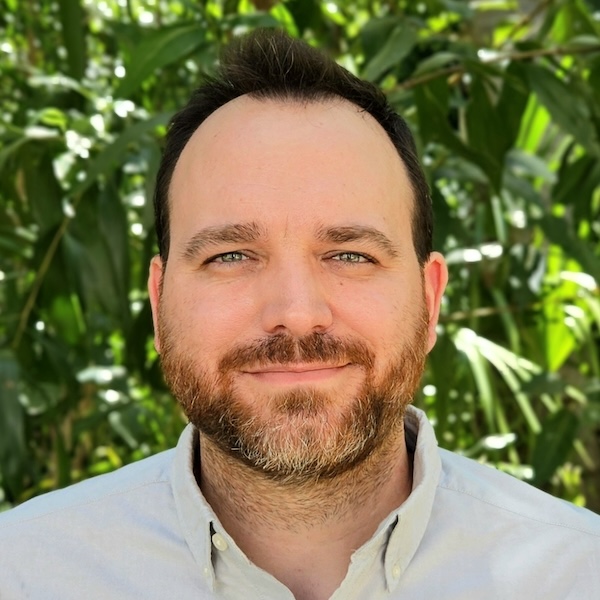
Romain Vaucher
- Senior Lecturer, Sedimentology
- romain.vaucher@jcu.edu.au

Jenny Fisher
- Associate Dean, Learning and Teaching
- jenny.fisher@jcu.edu.au
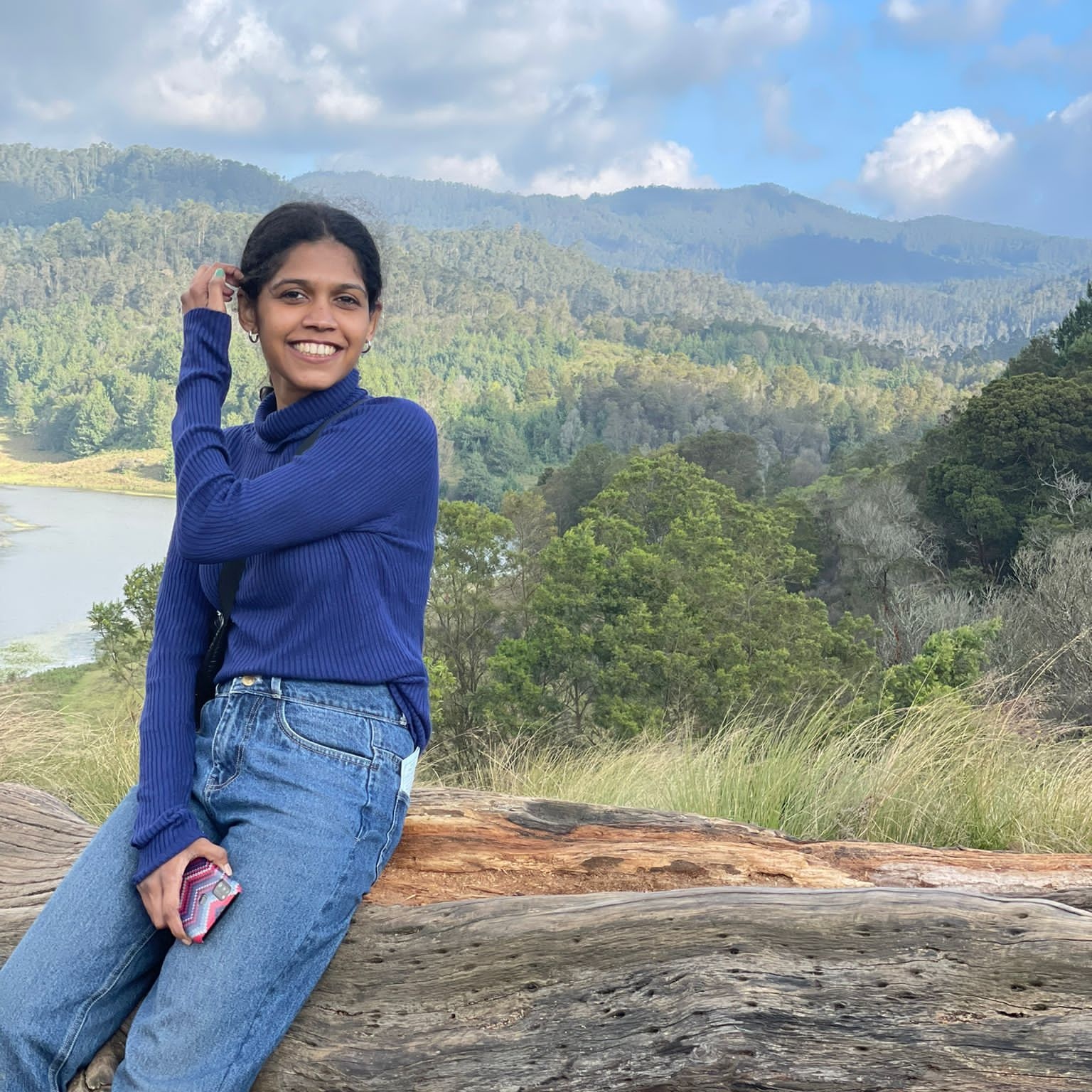
Ambili Narayanan
- Doctor of Philosophy (Natural and Physical Sciences)
- ambili.narayanan@my.jcu.edu.au

Sarfaraz Ali
- Postdoctoral Research Fellow
- sarfaraz.ali@jcu.edu.au

Mikaeylah Davidson
- Postdoctoral Research Fellow
- mikaeylah.davidson@jcu.edu.au
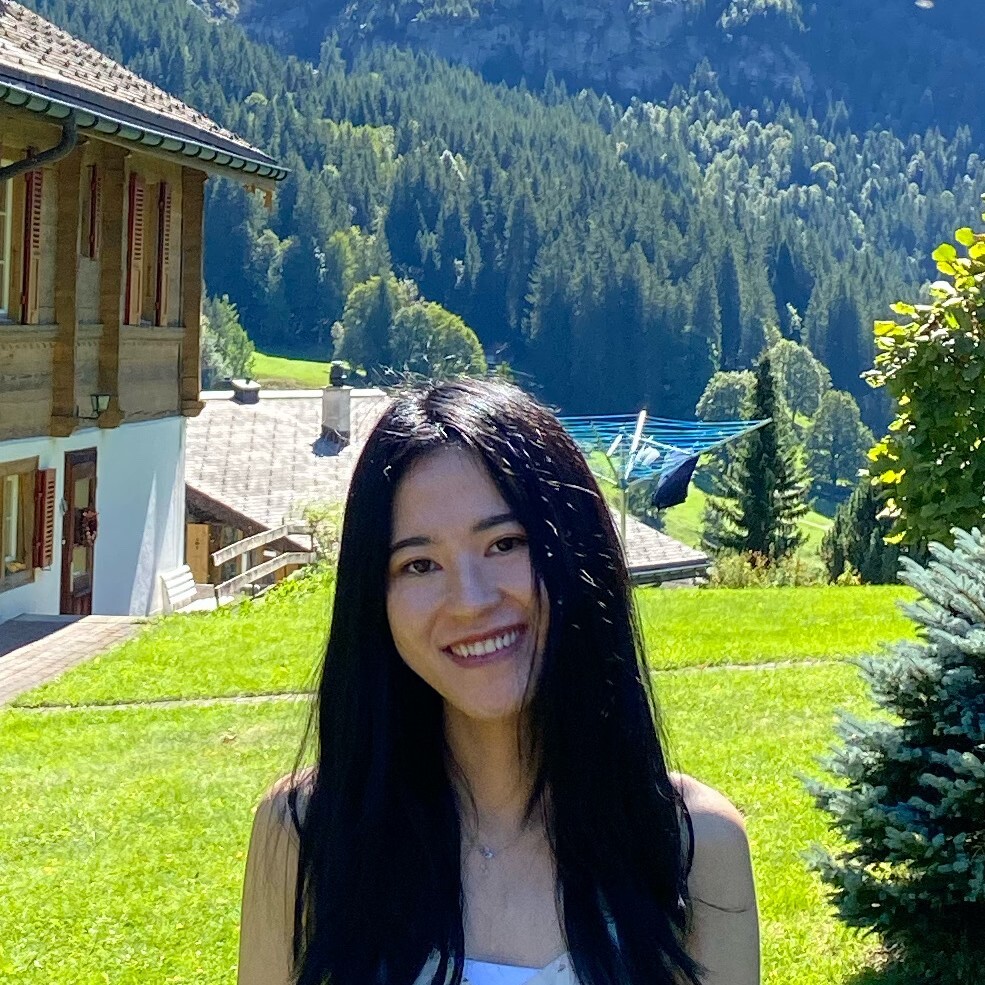
Liuxin Chen
- Lecturer
- liuxin.chen@jcu.edu.au
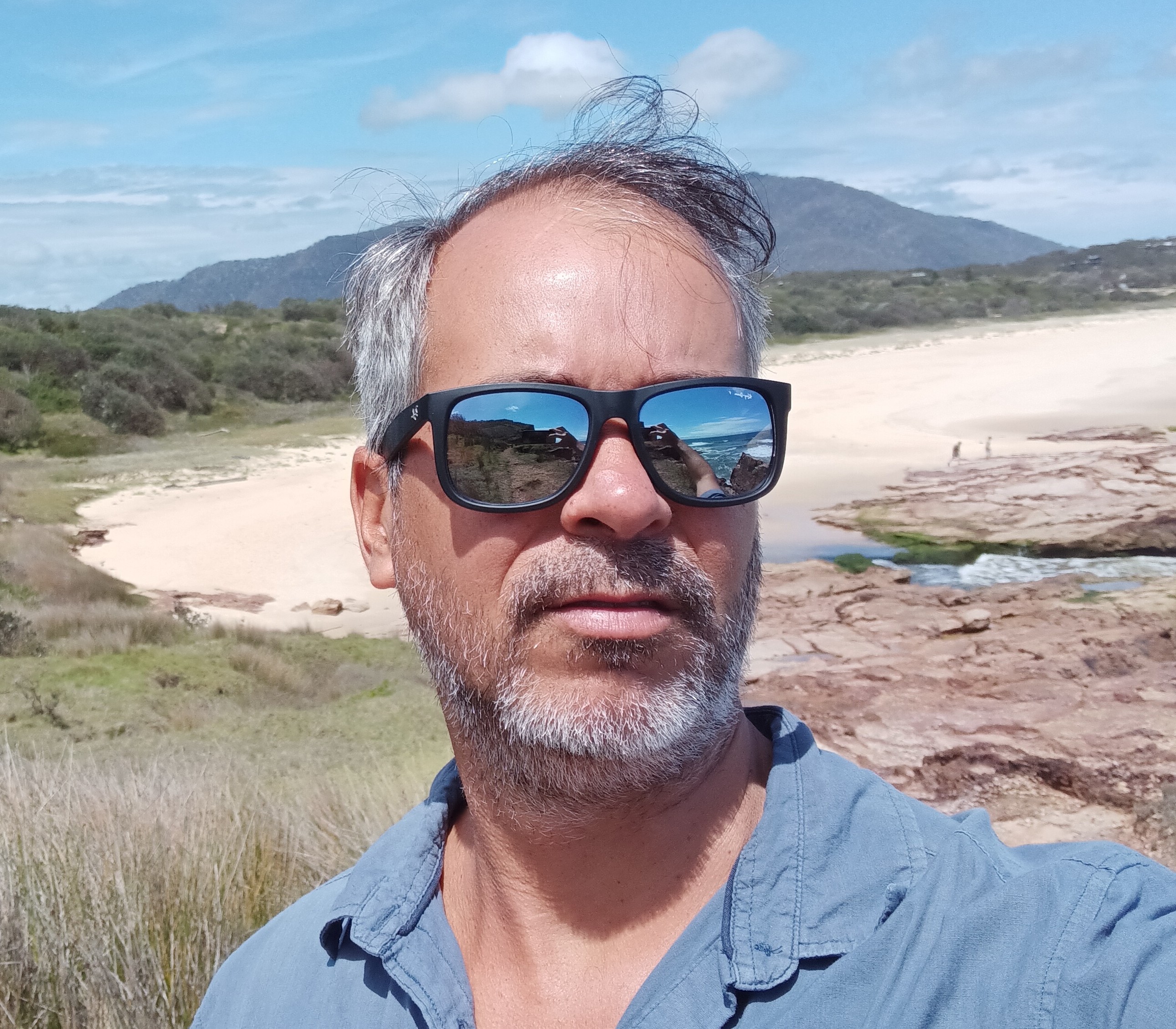
Rafael Cabral Carvalho
- Lecturer, Marine Geoscience
- rafael.cabralcarvalho@jcu.edu.au
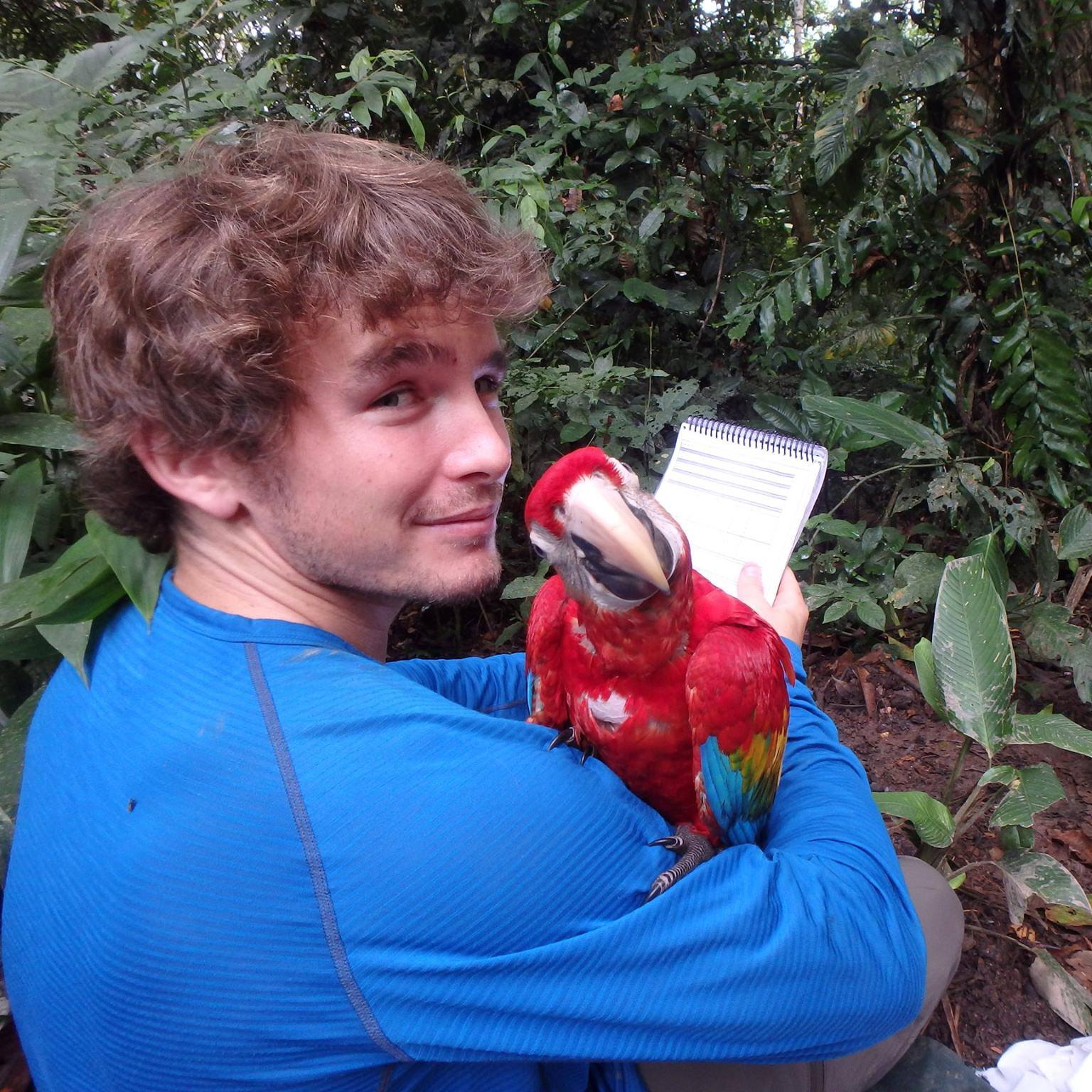
Tom Lloyd
- Postdoctoral Research Fellow, Global Ecosystems
- tom.lloyd@jcu.edu.au
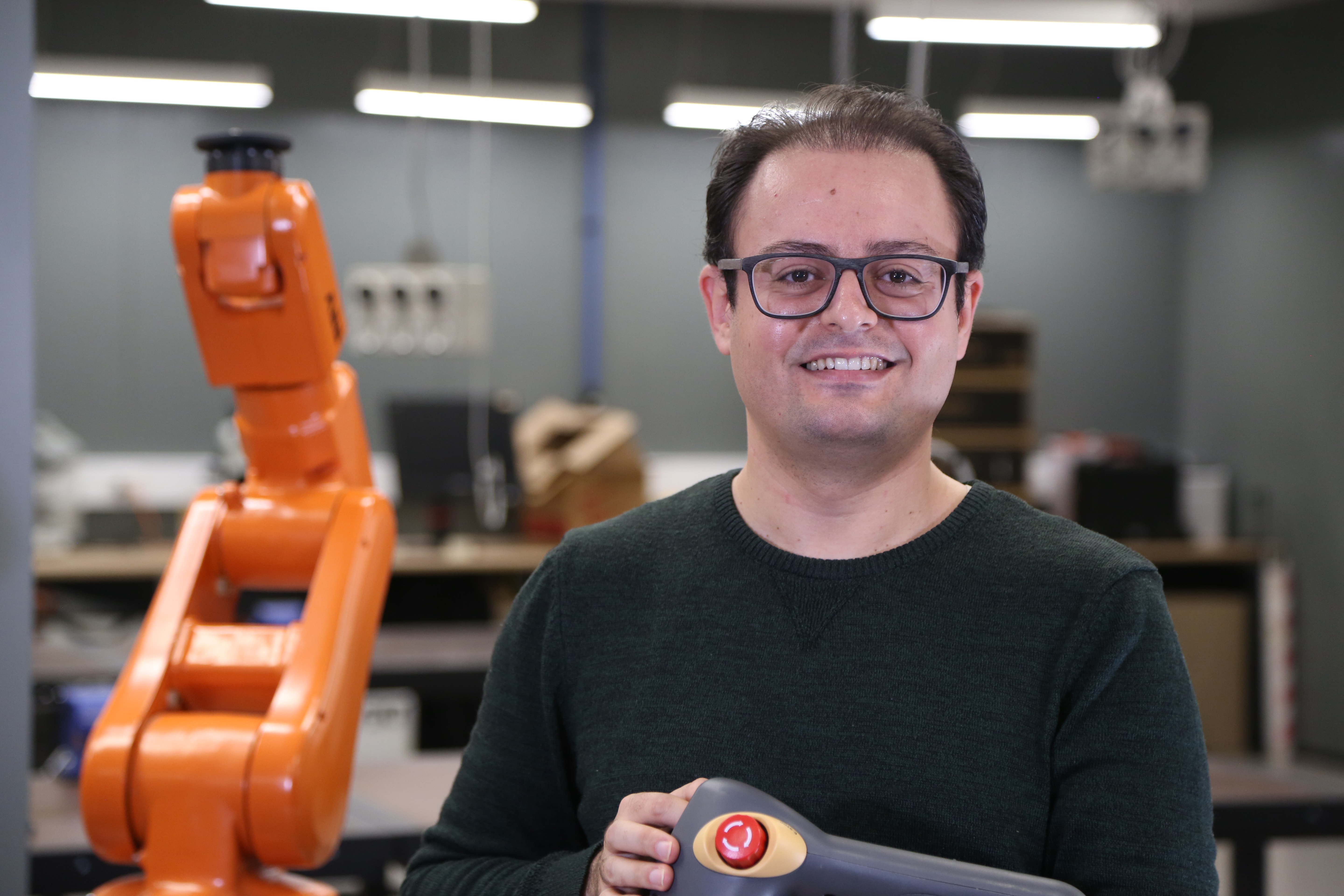
Mohamadreza Chalak Qazani
- Lecturer, Mechanical Engineering
- mohamadreza.chalakqazani@jcu.edu.au
Immunogenicity of Inovio SARS-CoV-2 Vaccine candidate in Ferrets. (Old ID 27533)
Paul Horwood
11 Feb 2022 - 30 Jun 2022
This project aims to characterise the immune responses following two doses of SARS-CoV-2 vaccine candidates produced by Inovio Pharmaceuticals. The Inovio vaccine candidates are DNA-based vaccines (as opposed to RNA-based, such as the Pfizer vaccine; or viral vector-based, such as the AstraZeneca vaccine) and rely upon the injection of a circular DNA (plasmid) that, when it gets into a cell, tells the cell to produce a particular protein from SARS-CoV-2 (in this case the Spike protein, found on the surface of the virus particle). Completion of these studies will further support the Inovio vaccine candidate along its pathway to licensure for use in humans, in the context of emerging variants of concern, thus aiding in the testing of a vaccine that may be used to protect humans from SARS-CoV-2 infection in the future.
Conservation genomics and population status of the endangered Mahogany Gliders (Petaurus gracilis) (Old ID 27672)
Conrad Hoskin
30 Jun 2022 - 30 Jun 2023
Habitat loss and fragmentation have been threatening population connectivity and genetic diversity of Mahogany Gliders, a rare and endangered gliding possum endemic to the Australian Wet Tropics. Substantial habitat loss and fragmentation have brought concerns to the status of remnant populations. I will use distribution models to refine the distribution and guide camera trapping to find unknown populations. Connectivity between populations will be assessed using genomics, which also allows estimations of population structure and effective population size. Knowledge of distribution and genetics will be used to choose populations for long-term monitoring, and to guide conservation actions for Mahogany Gliders recovery.
Distribution, ecology and conservation of the Magnificent Broodfrog in the mountains of north Queensland (Old ID 27776)
Conrad Hoskin
31 Jan 2023 - 31 Jan 2024
This project aims to resolve the knowledge gaps surrounding the ecology and key threatening processes to the Magnificent Broodfrog, Pseudophryne covacevichae (MBF). We will do this by determining appropriate survey methods, investigating aspects of breeding behaviour and the associated climatic conditions; resolving the fine-scale distribution, determining connectivity among the known populations, and determining genetic diversity within populations. This project will also include an assessment of the genetic relatedness between MBFs and three isolated populations of the Great Brown Broodfrog, P. major in the Bowen and White Mountains regions. The genetic results will contribute to management actions for populations of the MBF and will shed light on the taxonomic status of these northern populations of P. major and, in turn, whether the MBF is a well-supported species.
Alluvial Gully Remediation in the Upper Burdekin Catchment (Old ID 27857)
Scott Smithers
14 Nov 2022 - 15 Jun 2026
In catchments draining to the Great Barrier Reef World Heritage Area, northeast Queensland, Australia, excess sediment derived from gully erosion is contributing to poor coastal water quality. Remediating and preventing further degradation of these landscapes is a major focus of investment toward improving coastal water quality. This project will monitor and evaluate the effect of several alluvial gully remediation measures on improving water quality in the Upper Burdekin catchment. The project will provide valuable new data, knowledge and understanding of the effectiveness of these remediation approaches for landholders interested in protecting and enhancing forage productivity, and for the organisations investing in activities to reduce sediment and nutrient loads delivered to the Great Barrier Reef.
Recommendations to maintain functioning of the Great Barrier Reef (Old ID 24994)
Mia Hoogenboom
01 Jan 2018 - 10 Jun 2019
The Great Barrier Reef is experiencing increased environmental stress which threatens its functioning. Yet a subset of species are often disproportionately important in maintaining a functioning ecosystem. This project harnesses Queensland's breadth of reef expertise to deliver timely recommendations on what can be done to strengthen and protect key supportive species. Specifically we ask which species - or functional groups of species - drive processes that maintain a healthy reef. We provide a scientific consensus in support of (1) species' rankings and recommendations for enhanced protection, (2) informed scenarios for what's at stake; the consequences of not taking further action, and (3) make recommendations for targeted R&D. We will also suggest activities that can be undertaken by citizen science organisations to help monitor the status of priority species or identify areas of either outstanding value or threat.
The role of drought-stress and insect attack on rainforest plant health (Old ID 26337)
Lori Lach
01 Jan 2020 - 31 May 2025
This project aims to examine the vulnerability of tropical plants to drought and insect attack in a large-scale field experiment. We will pioneer a new research approach that focuses on the causes and stages of decline in plant health prior to death, in order to identify the characteristics of plant species that make them more susceptible to drought and insect attack. Expected outcomes of this project include an improved capacity to predict the function and composition of future forests. This project will provide significant benefits to communities concerned with the direct and indirect effects of droughts in protected areas, forestry reserves and agriculture.
Identification of environmental and biological factors affecting survival and ecophysiology of post settled and adult corals (Old ID 26814)
Mia Hoogenboom
16 Mar 2020 - 15 Mar 2024
This project will assess environmental and biological conditions that result in the best survival and growth of juvenile corals to identify whether those conditions differ across species and deployment ages/sizes. It will also test the physiological response of early life stages of corals and it will identify optimal substrates for coral recruitment filling the gaps regarding which species and habitats are best suited for re-seeding. Outcomes of this work will enable us to produce best-practice guides for achieving high post-settlement and post-deployment survival for use in coral restoration. Field trials will be conducted in Keppel Islands.
Impacts and risks of marine microplastics to marine consumers (Old ID 22482)
Mia Hoogenboom
11 Jan 2016 - 10 Jan 2017
Microplastics are an emerging threat to marine organisms. There is increasing evidence that plastics accumulate in primary consumers and can be passed on to other organisms in the food chain. My project aims to increase knowledge of the scope of this threat in the Great Barrier Reef region, by conducting a risk assessment. To achieve this I will use hydrodynamic modelling to describe the distribution of microplastics within the Whitsunday region. I will conduct fieldwork to ground-truth the modelling and to quantify microplastics in the region. This research will help establish monitoring and management actions to control plastic contamination.
Conservation of the Spotted‐tailed Quoll across the Wet Tropics mountaintops (Old ID 23254)
Conrad Hoskin
03 Mar 2017 - 31 Dec 2017
The northern subspecies of Spotted‐tailed Quoll (Dasyurus maculatus gracilis) is genetically divergent, highly isolated, and restricted to high elevation rainforest of the Wet Tropics. It is listed as Endangered at both the Federal (EPBC) and State (NCA) level. Dasyurus m. gracilis has declined substantially due to a number of possible threats and only appears to survive in five small, disjunct areas across the central and northern Wet Tropics mountains. For effective management, it is vital that we understand the decline and genetic structuring of Spotted‐tailed Quoll populations across the Wet Tropics. This project aims to: 1) Use distribution modelling to identify areas of quoll loss/persistence and assess possible reasons for the decline, in order to identify threats and key areas for conservation management, and 2) Use genomics to determine genetic structuring between subpopulations, in order to understand isolation and connectivity between populations and direct conservation actions
Hookworm peptide therapeutic for oral treatment of IBD (Old ID 26317)
Matt Field
01 Jan 2020 - 30 Jun 2022
We intend to develop an orally delivered peptide that can modulate the immune system and be developed as a therapeutic for inflammatory bowel disease. We have identified a peptide, derived from a hookworm protein, that alleviates the clinical symptoms of experimental colitis when orally administered to mice. The peptide has bioactivity with human cells ex vivo and displays desirable drug-like properties. The aim of this project is to acquire further data on the mechanism of action and formulation conditions to facilitate formal product development prior to licensing and clinical trials.
Organic matter, sodicity and soil structure
- 1998
- Oxford University Press
- Researchers:Paul Nelson
Argument free clustering via boundary extraction for massive point-data Sets
- 2002
- Researchers:Ickjai Lee
Start Date:
01 Jan 2017
End Date:
01 Jan 2018
Start Date:
01 Jan 2015
End Date:
01 Jan 2019
Start Date:
01 Jan 2022
End Date:
01 Jan 2023
Title:
President of the Royal Australian Chemical Institute. To join the RACI see: https://www.raci.org.au/
Start Date:
01 Jan 2017
End Date:
01 Jan 2018
Start Date:
01 Jan 1988
Start Date:
01 Jan 2016
Start Date:
01 Jan 2022
Start Date:
01 Jan 2015
Start Date:
01 Jan 2022
Start Date:
01 Jan 2015