
College of Science & Engineering

Sophia Love
- Doctor of Philosophy (Natural and Physical Sciences)
- sophie.love@jcu.edu.au
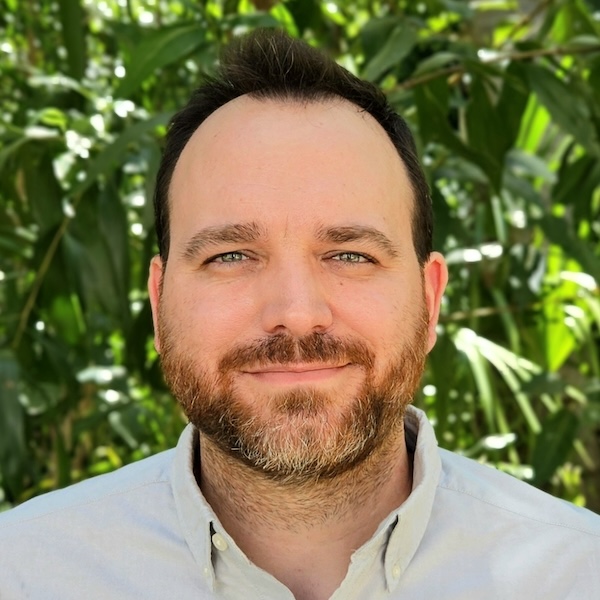
Romain Vaucher
- Senior Lecturer, Sedimentology
- romain.vaucher@jcu.edu.au
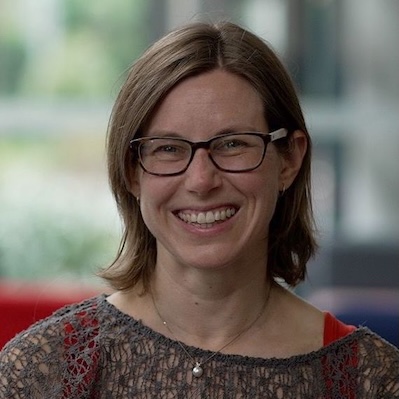
Jenny Fisher
- Associate Dean, Learning and Teaching
- jenny.fisher@jcu.edu.au

Ambili Narayanan
- Doctor of Philosophy (Natural and Physical Sciences)
- ambili.narayanan@my.jcu.edu.au

Sarfaraz Ali
- Postdoctoral Research Fellow
- sarfaraz.ali@jcu.edu.au
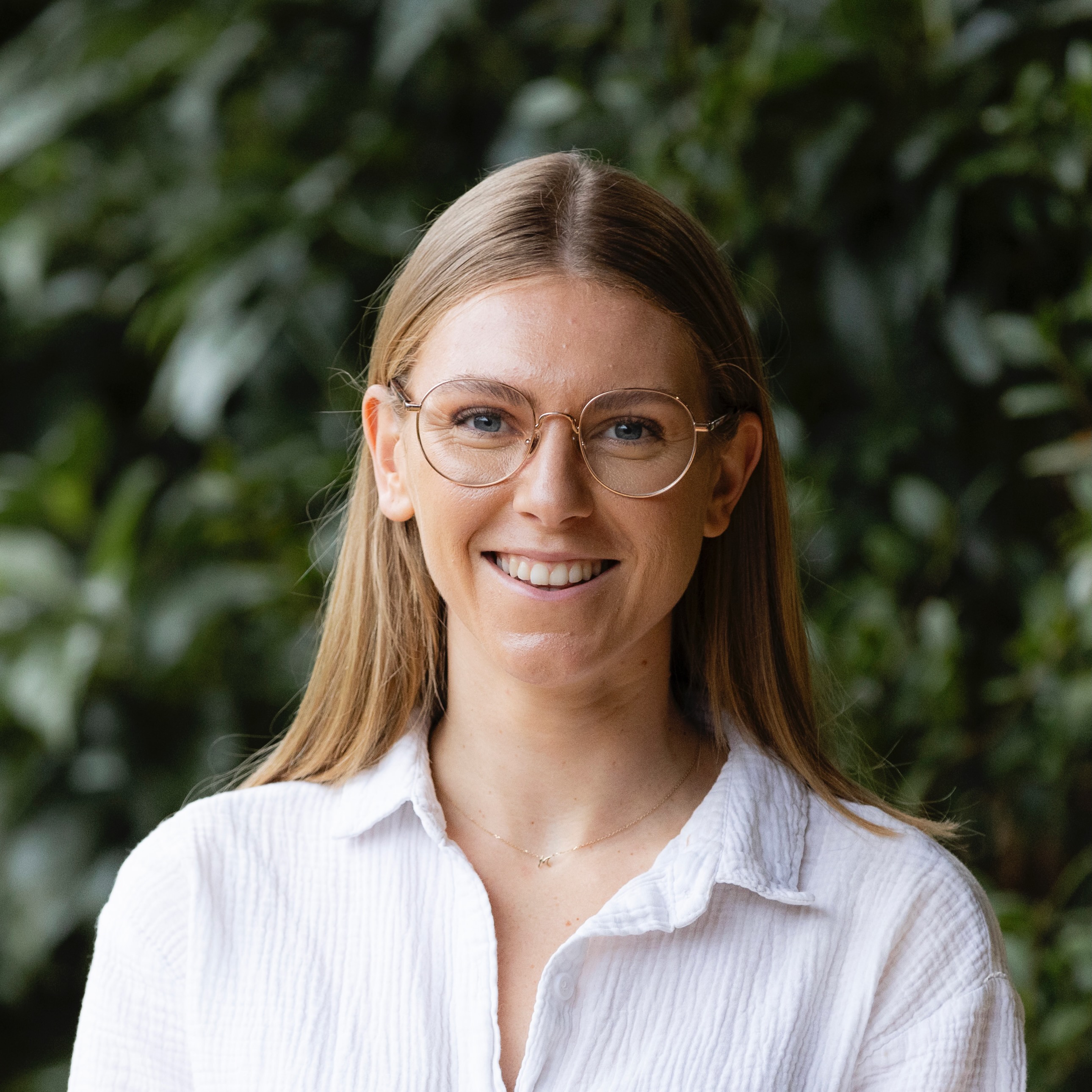
Mikaeylah Davidson
- Postdoctoral Research Fellow
- mikaeylah.davidson@jcu.edu.au
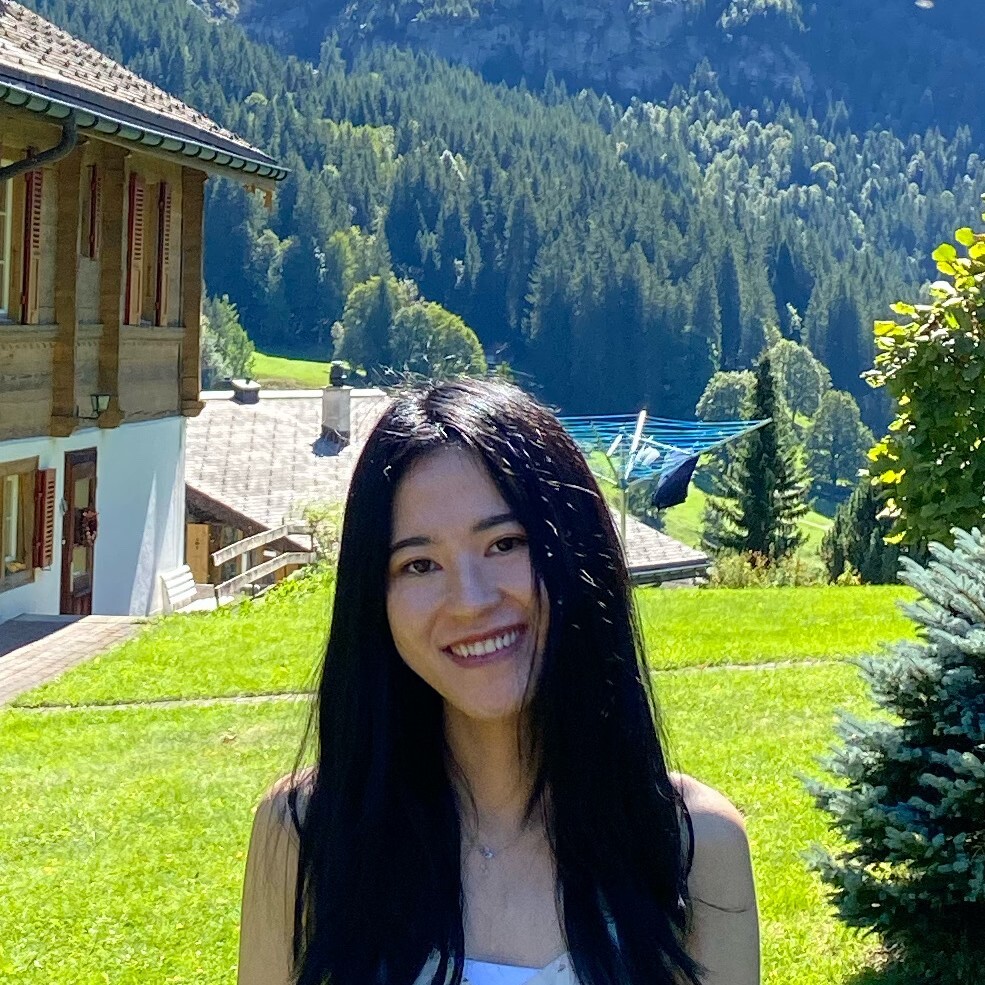
Liuxin Chen
- Lecturer
- liuxin.chen@jcu.edu.au
Rafael Cabral Carvalho
- Lecturer, Marine Geoscience
- rafael.cabralcarvalho@jcu.edu.au
Tom Lloyd
- Postdoctoral Research Fellow, Global Ecosystems
- tom.lloyd@jcu.edu.au
Mohamadreza Chalak Qazani
- Lecturer, Mechanical Engineering
- mohamadreza.chalakqazani@jcu.edu.au
Closing the circular food economy: Advanced technologies to optimise black soldier fly (BSF) larvae nutritional composition for inclusion in aquafeed
Ludwig Lopata
10 Oct 2024 - 30 Jun 2026
Black soldier fly (BSF) biomass is a highly valuable source of nutrients for terrestrial and aquatic animals and has shown to include health promoting compounds that enhances animal production. However, the quality and composition of BSF biomass depends on numerous factors including the BSF stocks, rearing conditions including waste stream diets, post-harvest processing methods and storage conditions. To-date, there is currently little information available on the optimum post-harvest processing technologies and real-time on farm monitoring systems to maximise black soldier fly protein profiles for inclusion in aquafeeds. The objective of this study is to generate on-farm data to improve the nutritional profile of BSF larvae for their application as a substitute component in aquafeed. To achieve this aim, three main studies will be conducted, the first one will focus on generating optimum BSF larvae nutritional data through post-harvest technologies to enhancing BSF larvae composition for aquafeed, the second will focus on the development of a rapid digital diagnostic NIR tool for the real-time evaluation of organic waste streams and BSF larvae composition, and the final study will generate critical data on the effects of feeding BSF larvae on growth performance, gut health and product quality of black tiger marine shrimp.
Closing the circular food economy: Advanced technologies to optimise black soldier fly (BSF) larvae nutritional composition for inclusion in aquafeed
Leo Nankervis
10 Oct 2024 - 30 Jun 2026
Black soldier fly (BSF) biomass is a highly valuable source of nutrients for terrestrial and aquatic animals and has shown to include health promoting compounds that enhances animal production. However, the quality and composition of BSF biomass depends on numerous factors including the BSF stocks, rearing conditions including waste stream diets, post-harvest processing methods and storage conditions. To-date, there is currently little information available on the optimum post-harvest processing technologies and real-time on farm monitoring systems to maximise black soldier fly protein profiles for inclusion in aquafeeds. The objective of this study is to generate on-farm data to improve the nutritional profile of BSF larvae for their application as a substitute component in aquafeed. To achieve this aim, three main studies will be conducted, the first one will focus on generating optimum BSF larvae nutritional data through post-harvest technologies to enhancing BSF larvae composition for aquafeed, the second will focus on the development of a rapid digital diagnostic NIR tool for the real-time evaluation of organic waste streams and BSF larvae composition, and the final study will generate critical data on the effects of feeding BSF larvae on growth performance, gut health and product quality of black tiger marine shrimp.
JCU-NEEPU joint PhD program-MOU
Jiajia Yang
08 Oct 2024 - 08 Oct 2027
James Cook University and Northeast Electric Power University intend to work towards the establishment of an exchange and training program for postdoctoral and Ph.D. candidates in electrical power systems, renewable energy and electronic information.
JCU-NEEPU joint PhD program-MOU
Jiajia Yang
08 Oct 2024 - 08 Oct 2027
James Cook University and Northeast Electric Power University intend to work towards the establishment of an exchange and training program for postdoctoral and Ph.D. candidates in electrical power systems, renewable energy and electronic information.
Geodynamic Andes eXploration Initiative (GAXI)
Ioan Sanislav
01 Sep 2024 - 31 Aug 2028
The project is aimed to advance understanding of the spatial and temporal distribution and genesis of Cu-Mo-Au/Au-Cu and Au-Ag mineral systems and the potential for other associated critical minerals and their exploration targeting along the western margin of South America. The project’s South America focus region provides exceptional opportunities to drive new greenfield ore discoveries. The project is designed to enhance the overall discovery potential of western South American margin and unlock new prospective areas for diverse commodities and deposit types and reduce search space through increased predictive power and effectiveness in ongoing exploration programs.
Geodynamic Andes eXploration Initiative (GAXI)
Daniel Wiemer
01 Sep 2024 - 31 Aug 2028
The project is aimed to advance understanding of the spatial and temporal distribution and genesis of Cu-Mo-Au/Au-Cu and Au-Ag mineral systems and the potential for other associated critical minerals and their exploration targeting along the western margin of South America. The project’s South America focus region provides exceptional opportunities to drive new greenfield ore discoveries. The project is designed to enhance the overall discovery potential of western South American margin and unlock new prospective areas for diverse commodities and deposit types and reduce search space through increased predictive power and effectiveness in ongoing exploration programs.
Workshopping a reef restoration toolkit for Wallis et Futuna as a model for Pacific Island nations
Hillary Smith
11 Oct 2024 - 01 May 2026
This project aims to achieve two main objectives:
1) Rapid analysis of recent mass coral bleaching and recovery in Wallis and Futuna. Utilising existing photographic data (from April 2024), we will use CoralNet point-count software to identify severely affected reef sites and assess bleaching severity and susceptibility of coral species between sites. Follow-up surveys in October 2024 will determine bleaching-related mortality and recovery progress prior to summer 2024/2025. These surveys, conducted by the Wallis and Futuna Service Territorial de l’Environnement (STE), will compare data with the April surveys. Additionally, discussions are underway with National Geographic to include a summer 2025 survey. This analysis will guide prioritisation of reefs for restoration intervention and identify resilient reefs for protection.
2) Support three representatives from the Wallis and Futuna STE to attend specialised training in Townsville, Australia in February 2025, with online preparatory training from August 2024 to February 2025. Townsville is a leading hub for reef restoration research, with state of the art facilities and leading scientists. Training will focus on participatory reef monitoring, restoration techniques, and experimental design, facilitated by collaborators at the Australian Institute of Marine Science. Activities include visits to restoration sites, training on technologies such as CoralClip, coral gardening, ReefSeed, ‘sea-weeding,’ and ReefCloud, presentations on emerging restoration methods, and workshops for adapting techniques to local contexts. Reciprocal knowledge exchange will help guide both future Australian research to be applicable for Pacific islands, as well as arm Wallisian and Futunian delegates with knowledge to develop strategies for reef monitoring and management into the future.
Rejuvenating agricultural soils to enhance productivity, resilience and carbon sequestration
Paul Nelson
15 Oct 2024 - 31 Dec 2028
This project builds on earlier work to validate scaled application of weatherable minerals to effectively wind back the highly weathered infertile nature of soils across 8 regions of Australia. Basalt as a triple-purpose agricultural input will deliver a low-cost synthetic fertiliser substitute, a means for effective carbon sequestration through both soil organic and soil inorganic pathways and it will build physical soil resilience through improved structure and water-use efficiency. We expect outcomes will improve the efficiency of farm inputs, enhance the condition of natural resources, and increase the resilience of agricultural landscapes to climatic variations, both short and long-term.
Improving skin cancer research capacity by establishing a skin cancer biobank at Townsville University Hospital
Ludwig Lopata
01 Aug 2024 - 30 Jul 2026
Australia has the highest incidence of skin cancer worldwide and of all states and territories, Queensland has the highest rate in Australia. The skin cancer biobank will provide a prospectively collected pre-treatment and post-treatment tissue and serum cohort to allow us to study the biomarkers of tumour and its immune microenvironment with next generation tools (e.g. spatial analysis of proteomic and genomic, single cell sequencing, artificial intelligence, machine learning, etc). We aim to use these biomarkers along with our prospective registry of patients with high-risk skin cancer to further characterise the cancer and immune biology of high-risk skin cancer, response to treatment, and develop new treatment targets in the future.
Circulating human papillomavirus (HPV) DNA for surveillance of HPV-related oropharyngeal squamous cell carcinoma (HPV-OPSCC)
Ludwig Lopata
01 Aug 2024 - 30 Jul 2026
We hypothesize that cHPV-DNA-based post-treatment surveillance via capture-based NGS would have excellent negative predictive value (NPV) and positive predictive value (PPV) similar or superior to PCR-based testing in patients with HPV-OPSCC, leading to improvement in outcome prediction. We also hypothesize that cHPV-DNA-based surveillance is more cost-effective compared with standard routine clinical follow-up.
Organic matter, sodicity and soil structure
- 1998
- Oxford University Press
- Researchers:Paul Nelson
Argument free clustering via boundary extraction for massive point-data Sets
- 2002
- Researchers:Ickjai Lee
Start Date:
19 Mar 2026
Start Date:
14 Jan 2026
Start Date:
23 Mar 2025
Title:
English
Title:
Arabic
Title:
Recognition of my contribution to ANZCVS membership exams – Certificate award from the ANZCVS
Start Date:
01 Jan 2022
Start Date:
01 Jan 2019
Start Date:
01 Jan 2016
Title:
Member of the Epidemiology Chapter of the Australian New Zealand College of Veterinary Scientists
Start Date:
01 Jan 2014
Start Date:
01 Jan 2018