
College of Science & Engineering

Sophia Love
- Doctor of Philosophy (Natural and Physical Sciences)
- sophie.love@jcu.edu.au
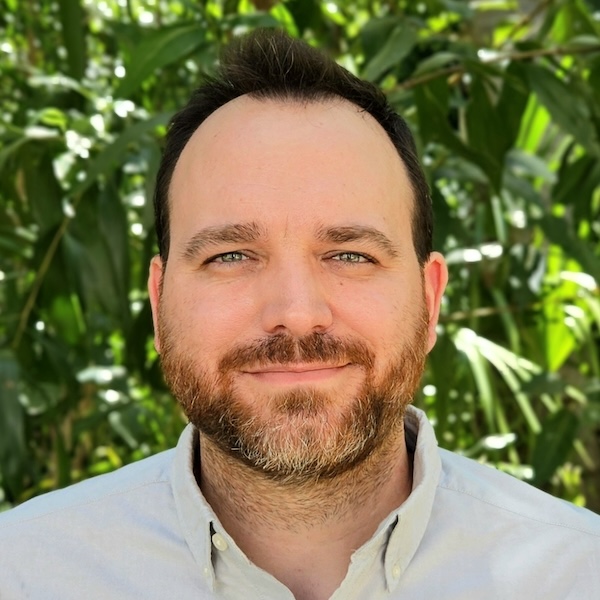
Romain Vaucher
- Senior Lecturer, Sedimentology
- romain.vaucher@jcu.edu.au

Jenny Fisher
- Associate Dean, Learning and Teaching
- jenny.fisher@jcu.edu.au

Ambili Narayanan
- Doctor of Philosophy (Natural and Physical Sciences)
- ambili.narayanan@my.jcu.edu.au

Sarfaraz Ali
- Postdoctoral Research Fellow
- sarfaraz.ali@jcu.edu.au
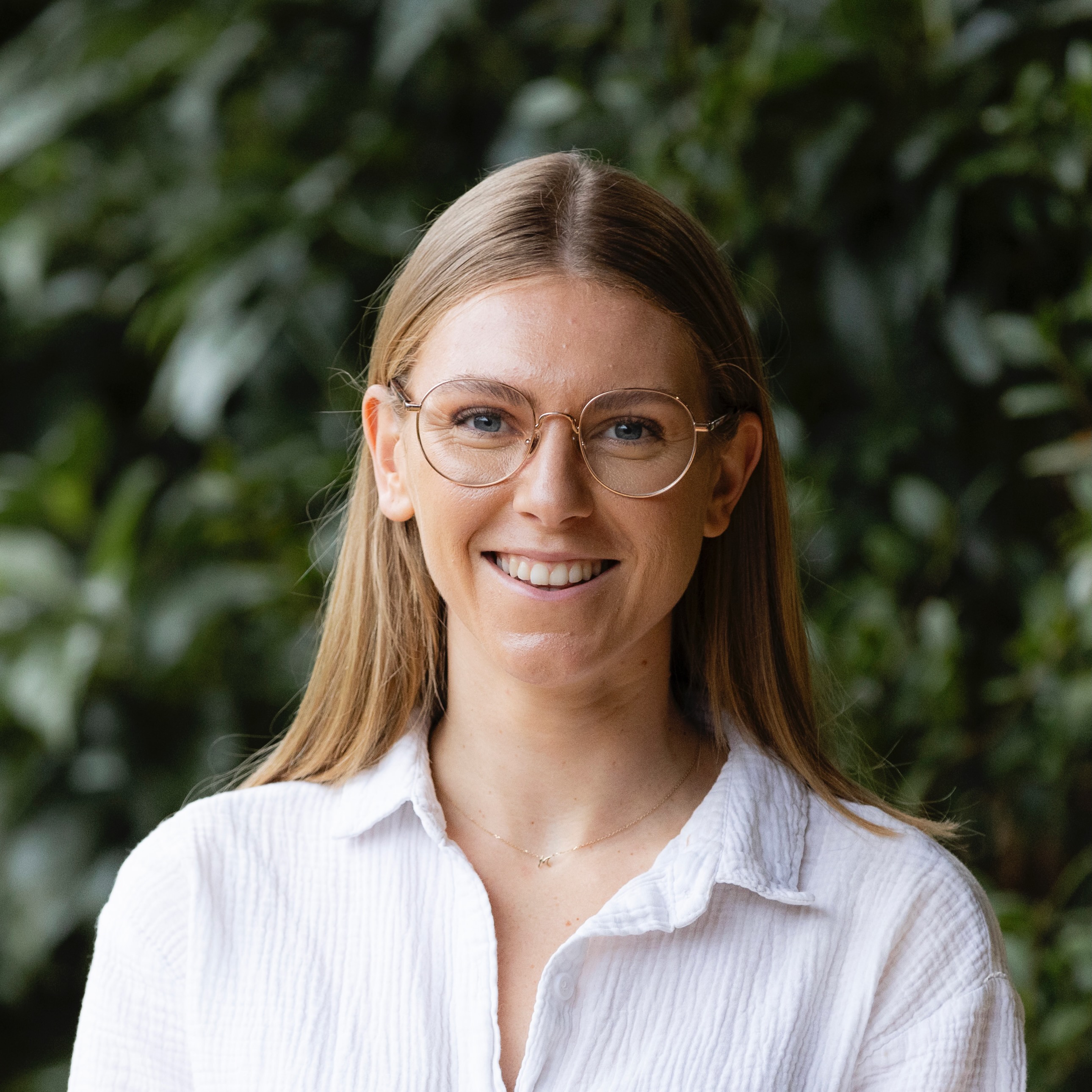
Mikaeylah Davidson
- Postdoctoral Research Fellow
- mikaeylah.davidson@jcu.edu.au

Liuxin Chen
- Lecturer
- liuxin.chen@jcu.edu.au

Rafael Cabral Carvalho
- Lecturer, Marine Geoscience
- rafael.cabralcarvalho@jcu.edu.au
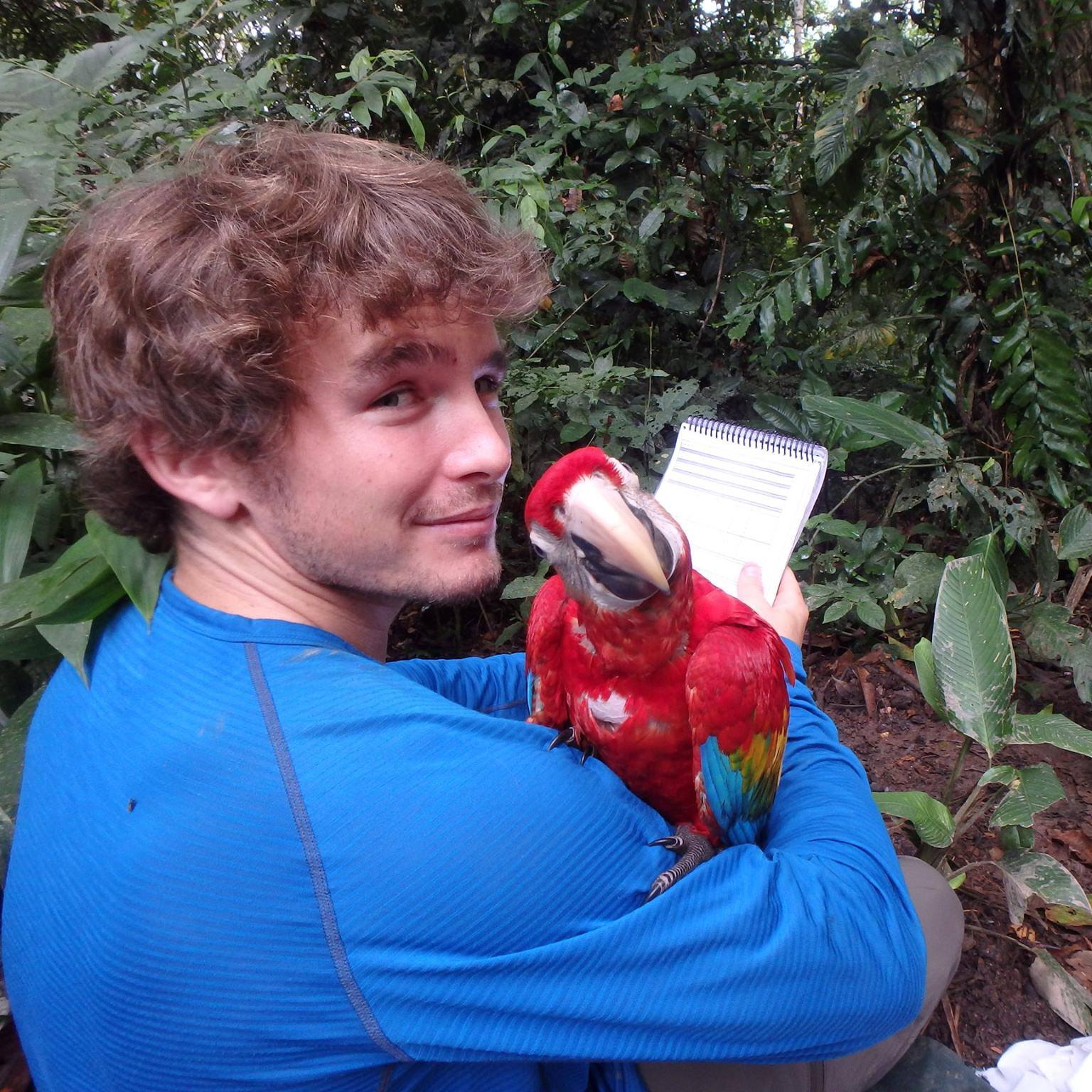
Tom Lloyd
- Postdoctoral Research Fellow, Global Ecosystems
- tom.lloyd@jcu.edu.au
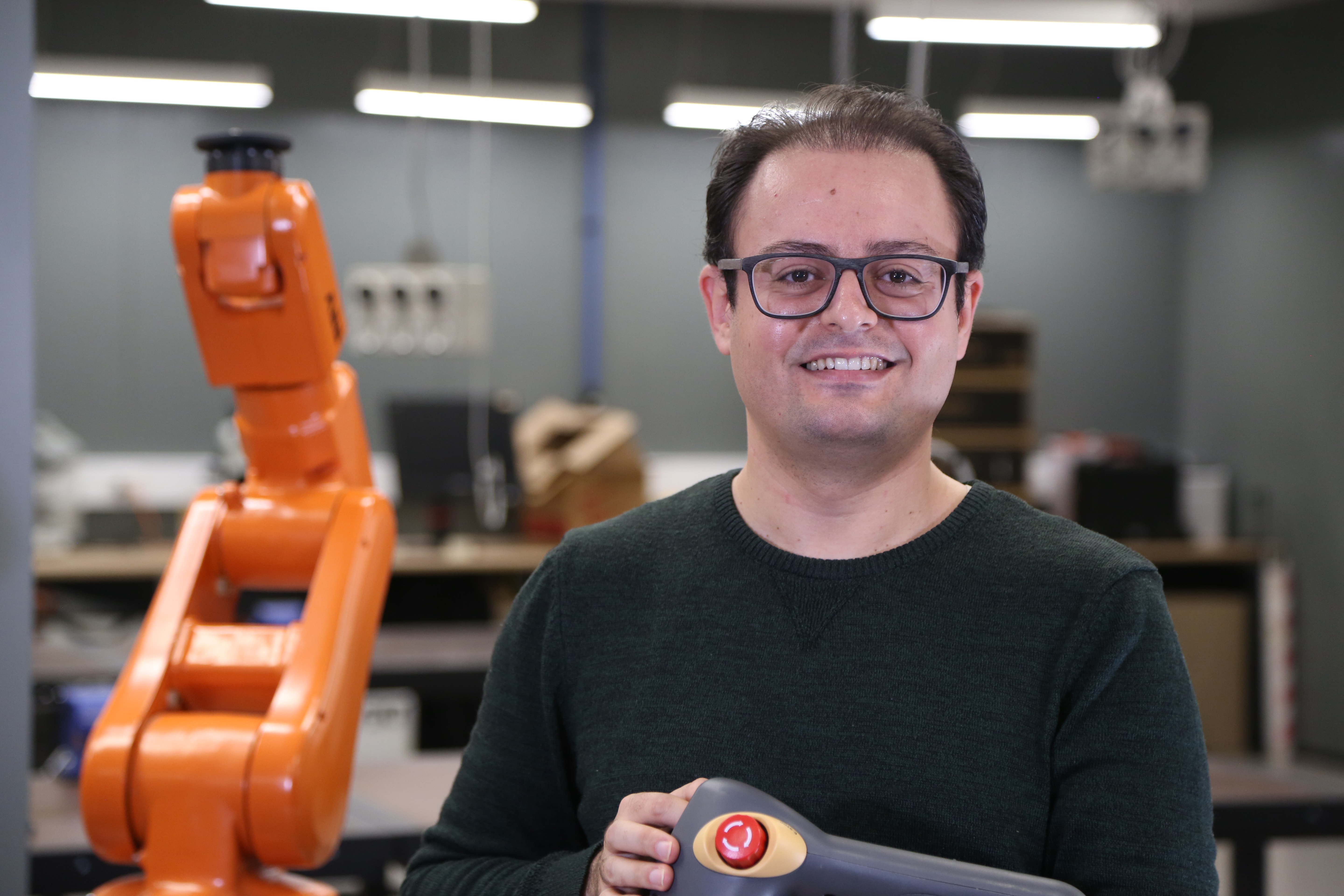
Mohamadreza Chalak Qazani
- Lecturer, Mechanical Engineering
- mohamadreza.chalakqazani@jcu.edu.au
Dugald River Mine Pre-Baseline Limnology Assessment and Design (Old ID 20419)
Nathan Waltham
30 Apr 2012 - 30 Nov 2021
This project covers completion of mine site recon and preliminary limnology assessment of local rivers within and adjacent to Dugald River mine site operation. The data collected during this pre-baseline assessment will be used in the design of a full baseline limnology survey, scheduled to be completed before mining operations commence. The full baseline survey will support the development of mine site closure targets.
Developing Deep Learning Applications for Smart Aquaculture (Old ID 27329)
Mostafa Rahimi Azghadi
01 Jul 2021 - 30 Jun 2024
This project proposes to use deep learning technology to extract various data in commercial environments in a non-intrusive and cost-effective way from fish farms. Currently, most of the fish data is analysed manually. The aim is to use deep learning to extract useful features and traits of fish and to analyse the collected data automatically and efficiently. The project will be in direct partnership with our industry collaborators across Australia and Asia.
Using portable long-read sequencing to diagnose Chronic Kidney Disease in regional North QLD Using portable long-read sequencing to diagnose Chronic Kidney Disease in regional North Using portable long-read sequencing to diagnose Chronic Kidney Disease (Old ID 27478)
Matt Field
21 Jan 2022 - 28 Jul 2024
This project addresses the early diagnosis of genetic predispositions for Chronic Kidney Disease (CKD), which poses an increasing burden on the North Queensland population and unequally affects the Indigenous Australian peoples. We will develop a mobile diagnostic pipeline that allows a rapid and cost-efficient screening for genetic CKD predispositions and circulating biomarkers using a targeted, DNA/RNA long-read sequencing approach.
Using portable long-read sequencing to diagnose Chronic Kidney Disease in regional North QLD Using portable long-read sequencing to diagnose Chronic Kidney Disease in regional North Using portable long-read sequencing to diagnose Chronic Kidney Disease (Old ID 27478)
Paul Horwood
21 Jan 2022 - 28 Jul 2024
This project addresses the early diagnosis of genetic predispositions for Chronic Kidney Disease (CKD), which poses an increasing burden on the North Queensland population and unequally affects the Indigenous Australian peoples. We will develop a mobile diagnostic pipeline that allows a rapid and cost-efficient screening for genetic CKD predispositions and circulating biomarkers using a targeted, DNA/RNA long-read sequencing approach.
Improving clinical pathways for abdominal aortic aneurysm through incorporating biomarkers (Old ID 27513)
Matt Field
01 Jun 2023 - 31 May 2028
MRF2015999
20 million people worldwide have weakening of their main abdominal artery (abdominal aortic aneurysm; AAA) and are at high risk of both major adverse cardiovascular events (MACE) and AAA related events (AAA repair and rupture-related death). Most AAAs are identified at a small size when their risk of rupture is low. Management of small AAA focuses on repeat aortic imaging every 6 months to identify when the threshold diameter (50mm in women and 55mm in men) is reached for elective surgical AAA repair. Most small AAAs continue to grow in size and eventually undergo repair. No drugs have been shown to limit AAA growth and the clinical pathway focuses on identifying those needing surgery rather than medical management. There are no established means to individualise care. Our interviews with patients and health professionals indicate that the number one deficiency in current AAA management is the lack of individualising medical management to reduce the high incidence of MACE and AAA related events. Our international AAA alliance is uniquely placed due to our resources (biobank-registry) and IP (bioinformatics, clinical, engineering software, genomics, biomarkers, machine learning and pathogenesis) to addresses this unmet clinical need.
Optimising mill mud and ash applications for soil improvement and carbon sequestration (Old ID 27540)
Paul Nelson
01 Apr 2022 - 01 Feb 2026
Negative carbon dioxide emission technologies are urgently required to offset emissions from fossil fuel burning. Weathering of alkaline metal oxides such as those in ash is a promising technology as it consumes carbon dioxide. This project aims to determine carbon sequestration when sugar mill ash, either alone or mixed with mill mud, is applied to soil in sugarcane fields. The project expects to generate knowledge about the rates of carbon sequestration and the factors controlling it, employing field experiments and geochemical modelling. The main outcome expected is a carbon sequestration methodology that is permanent and unlimited (given continued application mill by-products), unlike soil organic carbon sequestration. Adoption will facilitate trade in carbon credits through the Emissions Reduction Fund and facilitate market access through increased ability of the sugar industry to meet consumer expectations regarding environmental responsibility.
Conservation Geonomics of Nursery Frogs (Old ID 27588)
Conrad Hoskin
01 Jul 2022 - 01 Dec 2023
Nursery Frogs of the Cophixalus genus make up 5 of 7 critically endangered vertebrate species. They are vulnerable to climate change and restricted to extremely small ranges on mountain-tops and boulder-fields. Without conservation action, they are predicted to go extinct within 20 years. A major threat to threatened species like this is a loss of genetic diversity which leads to inbreeding depression, inability to adapt, and heightened extinction risk. This project aims to provide essential genetic assessment of one widespread and three threatened Nursery Frogs. Managers will be engaged with directly to inform conservation decisions in wild and captive populations.
Conservation Geonomics of Nursery Frogs (Old ID 27588)
Megan Higgie
01 Jul 2022 - 01 Dec 2023
Nursery Frogs of the Cophixalus genus make up 5 of 7 critically endangered vertebrate species. They are vulnerable to climate change and restricted to extremely small ranges on mountain-tops and boulder-fields. Without conservation action, they are predicted to go extinct within 20 years. A major threat to threatened species like this is a loss of genetic diversity which leads to inbreeding depression, inability to adapt, and heightened extinction risk. This project aims to provide essential genetic assessment of one widespread and three threatened Nursery Frogs. Managers will be engaged with directly to inform conservation decisions in wild and captive populations.
Research to Inform Yellow Crazy Ant Management in the Wet Tropics (Old ID 23489)
Angela Strain
15 May 2017 - 31 Mar 2020
Research and activities required will be: ensure compliance with APVMA permit conditions; research efficacy of current pesticide treatments; research the reproductive phenology of YCA colonies and factors affecting; assess effects of YCA and the baiting program on biodiversity; maintain breeding colonies of YCA for use in dog detection training; design, develop, and test new detection techniques; design and develop further monitoring protocols; analyse WTMA collected data; attend and present findings at monthly and quarterly meetings; provide periodic reports and stay up-to-date with new developments in YCA management.
Research to Inform Yellow Crazy Ant Management in the Wet Tropics (Old ID 23489)
Peter Yeeles
15 May 2017 - 31 Mar 2020
Research and activities required will be: ensure compliance with APVMA permit conditions; research efficacy of current pesticide treatments; research the reproductive phenology of YCA colonies and factors affecting; assess effects of YCA and the baiting program on biodiversity; maintain breeding colonies of YCA for use in dog detection training; design, develop, and test new detection techniques; design and develop further monitoring protocols; analyse WTMA collected data; attend and present findings at monthly and quarterly meetings; provide periodic reports and stay up-to-date with new developments in YCA management.
Organic matter, sodicity and soil structure
- 1998
- Oxford University Press
- Researchers:Paul Nelson
Argument free clustering via boundary extraction for massive point-data Sets
- 2002
- Researchers:Ickjai Lee
Start Date:
01 Jan 1985
End Date:
01 Jan 1989
Start Date:
01 Jan 2002
End Date:
01 Jan 2002
Title:
Persian
Title:
Azerbaijani
Start Date:
01 Jan 2010
Title:
ERC Expert Panel
Start Date:
01 Jan 2020
End Date:
01 Jan 2021